Comprehensive Guide to Mold Remediation in Yorba Linda: Standards, Procedures, and Property Protection
Effective mold remediation in Yorba Linda requires a systematic approach that combines moisture control, professional containment, and adherence to established environmental health standards. Property owners must prioritize source iden...
Effective mold remediation in Yorba Linda requires a systematic approach that combines moisture control, professional containment, and adherence to established environmental health standards. Property owners must prioritize source identification and containment to prevent cross-contamination, ensuring that mold colonies are professionally removed while structural integrity is maintained to protect the long-term health and value of the home.
Contents
Understanding the Necessity of Professional Remediation
In the climate of Orange County, mold growth often stems from humidity fluctuations, plumbing failures, or structural leaks. While many homeowners attempt to address small patches of discoloration independently, professional mold remediation involves more than just cleaning visible surfaces. It requires addressing the underlying moisture imbalance that allowed the fungal growth to establish itself in the first place.
When mold spores settle on organic materials—such as drywall, wood framing, or insulation—they begin to break down the substrate. In Yorba Linda, where residential property values are significant, uncontrolled mold can lead to extensive structural damage and potential liability during property transfers. Professional remediation services follow protocols designed to neutralize the environment, ensuring the space is restored to a condition compatible with healthy indoor air quality.
The Remediation Process: A Step-by-Step Approach
Professional mold remediation is a structured process that moves from initial assessment to final verification. Deviating from these steps can often result in recurring mold growth or the spread of spores to unaffected areas of the building.
1. Site Assessment and Moisture Mapping
The process begins with a comprehensive inspection. Experts use infrared thermal imaging and moisture meters to locate the source of water infiltration. In Yorba Linda homes, common culprits include slab leaks, roof penetrations after seasonal rain, or bathroom ventilation issues. Accurate mapping determines the extent of the contamination and whether the moisture source is ongoing.
2. Containment and Safety Protocols
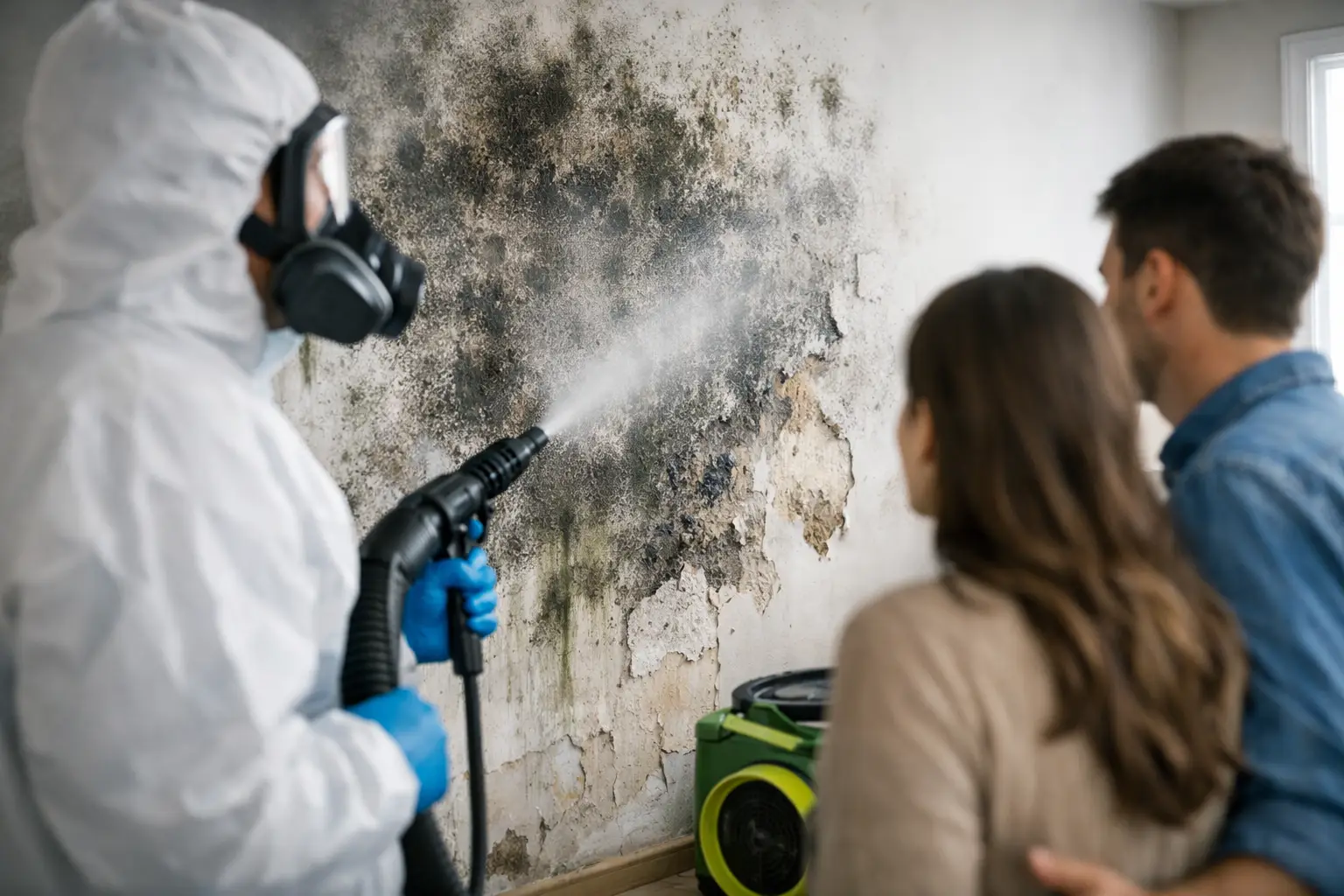
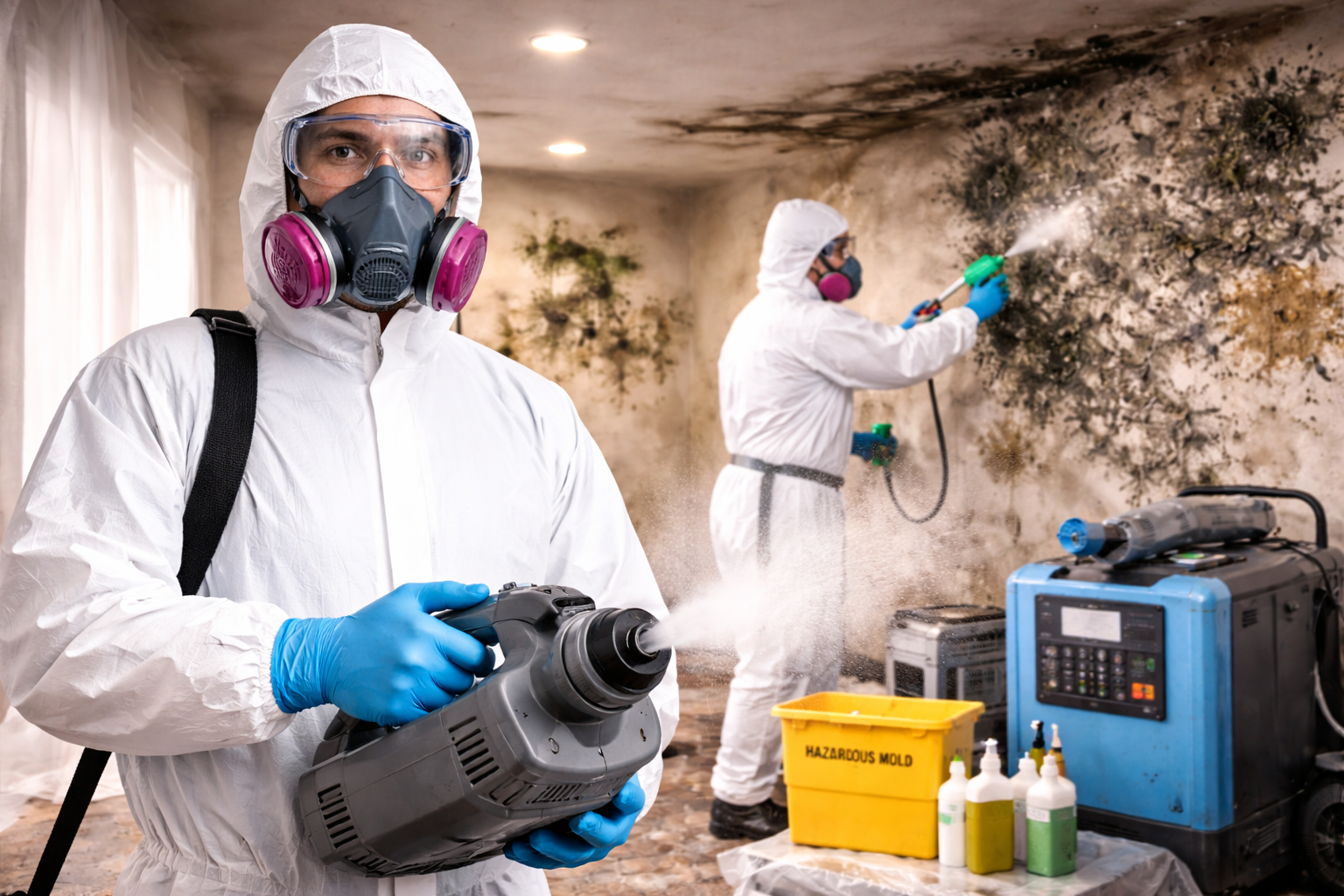
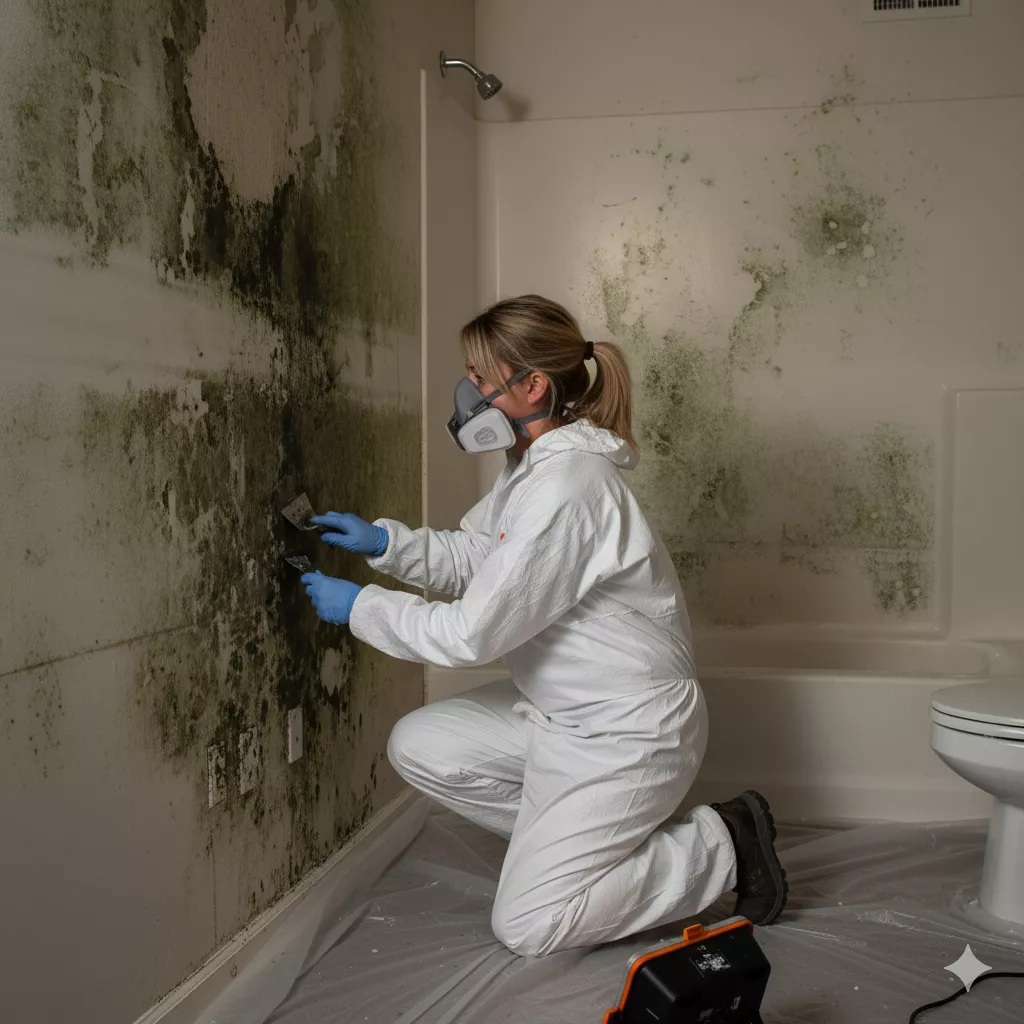
Before any physical removal occurs, the work area must be isolated. This is typically achieved using six-mil polyethylene sheeting to create a negative pressure zone. High-Efficiency Particulate Air (HEPA) filtration units are placed to scrub the air of spores as they are agitated, ensuring they do not migrate to common areas. Workers are required to wear Personal Protective Equipment (PPE), including N95 or P100 respirators and disposable coveralls, to maintain safety standards.
3. Removal and Antimicrobial Treatment
Contaminated materials that cannot be cleaned, such as porous drywall or soaked carpet padding, must be removed and disposed of according to local environmental guidelines. Structural components that are salvageable, such as wooden studs or subflooring, are HEPA-vacuumed and cleaned with EPA-registered antimicrobial solutions. This step is critical because simply killing mold does not remove the allergenic proteins associated with dead spores.
4. Drying and Verification
Once cleaning is complete, the area undergoes a "drying out" phase. Industrial-grade dehumidifiers and air movers are used to return moisture levels in structural materials to below 16% on the wood moisture equivalent scale. Only after the moisture source is permanently addressed and the area is dry does the remediation company proceed to the final clearance testing.
Comparative Overview of Remediation Approaches
The following table summarizes the differences between standard cleaning and professional mold remediation services.
| Feature | Standard DIY Cleaning | Professional Remediation |
|---|---|---|
| Moisture Source | Often ignored | Systematically identified and corrected |
| Containment | None | Full containment with negative air pressure |
| Filtration | Standard vacuum (spore dispersal) | HEPA-filtered vacuuming |
| Material Handling | Surface wiping only | Removal of non-salvageable porous material |
| Verification | Visual check only | Post-remediation air/surface sampling |
Navigating Environmental and Legal Considerations in Yorba Linda
California does not have specific state-mandated licensing for mold remediation contractors, which places the onus on the homeowner to vet companies carefully. While the state does not set a "permissible exposure limit" for mold, guidelines from the California Department of Public Health emphasize the importance of managing water intrusion quickly to prevent health risks.
When hiring a company in Yorba Linda, it is advisable to request certifications from organizations such as the IICRC (Institute of Inspection, Cleaning and Restoration Certification). A reputable contractor should provide:
- Clear documentation of the scope of work.
- Evidence of pollution liability insurance, as standard general liability policies often exclude mold-related claims.
- A third-party verification report if the contamination was extensive.
Common Mistakes to Avoid
Many homeowners inadvertently exacerbate a mold issue by attempting to clean it without containment. Using a standard household vacuum to remove mold spores actually serves to aerosolize them, blowing the spores throughout the HVAC system and into every room of the house. Another common error is the reliance on bleach as a universal solution. Bleach is largely ineffective on porous materials like drywall because its surface tension prevents it from penetrating the surface to reach the mold roots (hyphae), often leaving the remaining moisture to feed further growth.
Frequently Asked Questions
Is mold remediation covered by homeowners insurance in Yorba Linda?
Coverage depends entirely on your policy and the cause of the mold. If mold is the result of a "covered peril," such as a sudden burst pipe, the remediation may be covered. However, if the mold resulted from long-term neglect or slow seepage, many standard policies exclude the cost of remediation. Always consult your specific policy documents and a claims adjuster before assuming coverage.
How do I know if I have a mold problem?
The most common indicators include a persistent musty odor, visible spotting on walls or ceilings, or unexplained physical symptoms such as nasal congestion, sneezing, or skin irritation that improve when you leave the home.
Should I get an air quality test before hiring a remediator?
Yes, third-party air quality testing is recommended. An independent environmental hygienist can determine the concentration of spores in the air and identify the types of mold present. This provides a baseline to ensure the remediation company’s work is effective later.
How long does the remediation process take?
For minor areas of concern, the physical remediation may take 1–3 days. If the project involves significant structural repairs or specialized drying for large-scale flooding, it can extend to a week or more.
What is the difference between mold removal and remediation?
"Removal" implies the physical act of getting rid of the mold, while "remediation" encompasses the entire process: finding the source, correcting the moisture, removing the mold, cleaning the environment, and ensuring the structure is properly dried.
Next Steps for Homeowners
If you suspect mold growth, prioritize the cessation of water intrusion immediately—turn off the water supply or cover leaks if it is safe to do so. Do not disturb large areas of suspected mold. Instead, contact a certified professional to conduct an inspection. Document the findings and request a formal remediation plan that outlines how they intend to contain the spores and verify the air quality upon completion. Taking these controlled steps ensures that the issue is resolved permanently rather than masked temporarily.
Image Gallery