St. Louis Rams in Super Bowl History: Franchise Appearances and Legacy
The St. Louis Rams franchise appeared in three Super Bowls during its era in Missouri from 1995 to 2015, capturing one Lombardi Trophy while establishing an unforgettable offensive legacy known as "The Greatest Show on Turf." The St. L...
The St. Louis Rams franchise appeared in three Super Bowls during its era in Missouri from 1995 to 2015, capturing one Lombardi Trophy while establishing an unforgettable offensive legacy known as "The Greatest Show on Turf."
Contents
The St. Louis Era and Franchise Relocation
To understand the history of the St. Louis Rams in the Super Bowl, one must first examine how the franchise arrived in Missouri. Originally founded in Cleveland in 1936 and moving to Los Angeles in 1946, the team relocated to St. Louis, Missouri, ahead of the 1995 National Football League season under owner Georgia Frontiere.
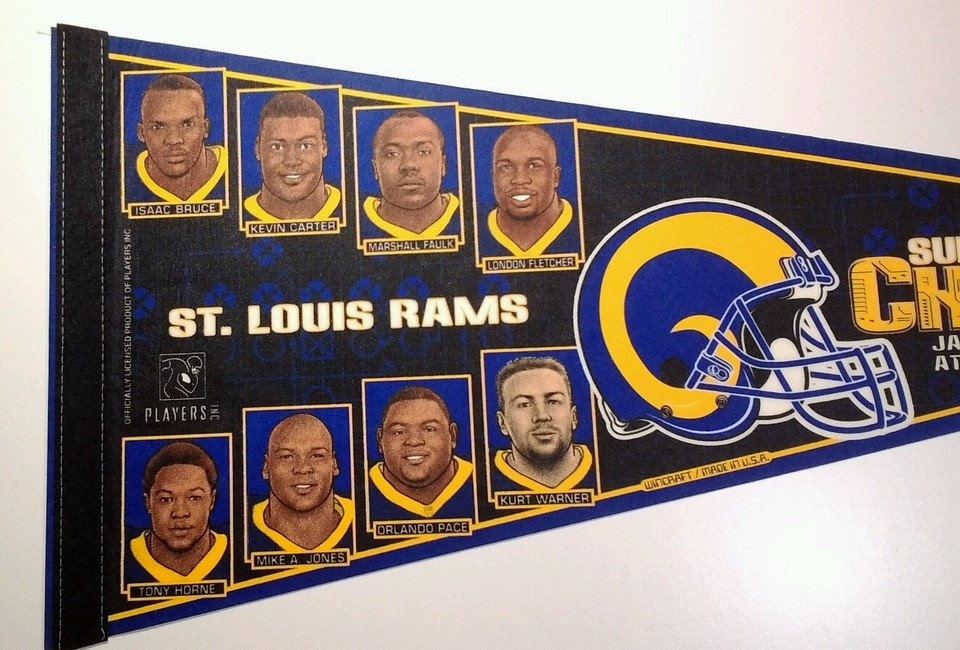
The early years in St. Louis featured rebuilding efforts, roster turnover, and front-office restructuring. However, the organization laid the groundwork for an offensive revolution by drafting wide receiver Isaac Bruce in 1994, trading for running back Marshall Faulk in 1999, and promoting offensive coordinator Mike Martz's innovative scheme. Most notably, unheralded backup quarterback Kurt Warner stepped into the starting role during the 1999 preseason after an injury to starter Trent Green. This sequence of personnel moves transformed a struggling expansion-era roster into a historic powerhouse that would soon reach the pinnacle of professional football.
Super Bowl XXXIV: The Greatest Show on Turf Claims the Crown
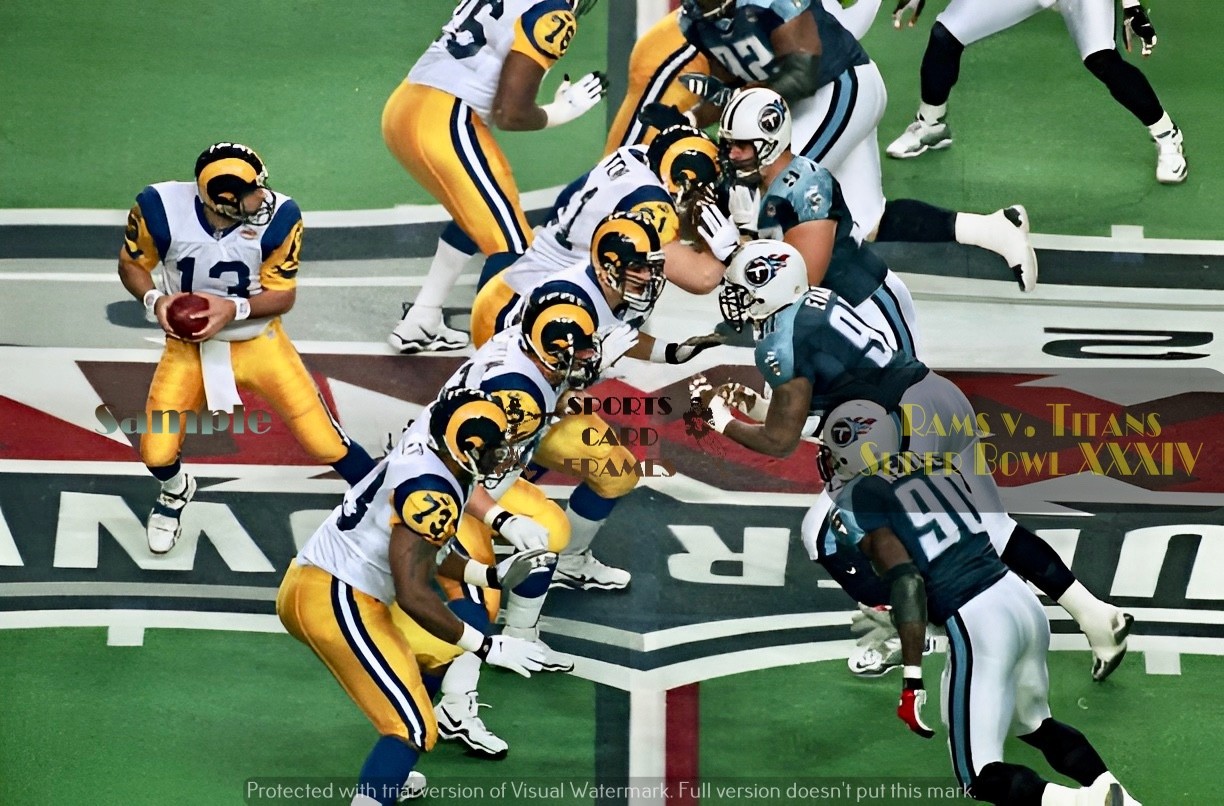
The defining moment for the St. Louis Rams in Super Bowl history occurred on January 30, 2000, in Atlanta, Georgia, where the Rams faced the Tennessee Titans in Super Bowl XXXIV.
Regular Season Dominance and Playoff Run
The 1999 St. Louis Rams finished the regular season with a 13–3 record. Kurt Warner emerged as the NFL Most Valuable Player, throwing for 4,353 yards and 41 touchdowns. Marshall Faulk earned Offensive Player of the Year honors by accumulating over 2,400 yards from scrimmage. The offense scored 526 points during the regular season, energizing the Edward Jones Dome and capturing the imagination of football fans nationwide. In the postseason, the Rams defeated the Minnesota Vikings 49–37 in the Divisional round and edged the Tampa Bay Buccaneers 11–6 in a gritty NFC Championship Game to reach Super Bowl XXXIV.
The Game and the Dramatic Finish
Super Bowl XXXIV was a tense, defensive battle in the first half before exploding into offensive drama. The Rams led 16–0 in the third quarter thanks to three Jeff Wilkins field goals and a 73-yard touchdown pass from Warner to Isaac Bruce. The Titans mounted a furious comeback in the fourth quarter, scoring 16 unanswered points behind quarterback Steve McNair and running back Eddie George to tie the game at 16–16 with 2:12 remaining.
On the very next play from scrimmage, Warner connected with Bruce again on a slant route that turned into a 73-yard go-ahead touchdown, making the score 23–16. Tennessee drove down the field in the final seconds, reaching the St. Louis 10-yard line with six seconds left. On the final play, McNair completed a pass to wide receiver Kevin Dyson over the middle. Rams linebacker Mike Jones tackled Dyson just one yard short of the goal line as time expired, a play permanently immortalized in NFL lore as "The Tackle." Kurt Warner earned Super Bowl MVP honors after passing for 414 yards and two touchdowns.
Super Bowl XXXVI: The Patriots Upset and the End of an Era
Two years after their championship victory, the St. Louis Rams returned to the grand stage in Super Bowl XXXVI, played on February 3, 2002, in New Orleans, Louisiana, against the New England Patriots.
The 2001 Powerhouse
The 2001 Rams team was statistically even more prolific than the 1999 squad. They finished the regular season with a 14–2 record, leading the league in total offense and scoring 503 points. Kurt Warner won his second NFL MVP award, throwing for 4,830 yards, though he also threw 22 interceptions. Marshall Faulk won his third consecutive NFL Offensive Player of the Year award. The Rams cruised through the NFC playoffs, defeating the Green Bay Packers 45–17 and overcoming a 24–6 deficit to beat the Philadelphia Eagles 29–24 in the NFC Championship Game.
The Patriots' Blueprint and Adam Vinatieri's Kick
Entering Super Bowl XXXVI, the Rams were heavy 14-point favorites over a young New England Patriots team led by head coach Bill Belichick and unheralded second-year quarterback Tom Brady.
Belichick implemented a physical defensive strategy, frequently using bump-and-run coverage to disrupt the timing of the Rams' wide receivers and hitting Kurt Warner early and often. The Patriots intercepted Warner three times, returning one for a touchdown by cornerback Ty Law. Trailing 17–3 in the fourth quarter, Warner rallied the Rams, throwing a touchdown pass to Ricky Proehl and engineering a drive that ended with a 19-yard touchdown pass to Ernie Conwell to tie the game at 17–17 with 1:30 remaining.
With no timeouts remaining, Tom Brady drove the Patriots down the field into field goal range, setting up kicker Adam Vinatieri for a 48-yard field goal as time expired. The kick sailed through the uprights, giving New England a 20–17 victory and serving as the catalyst for the Patriots' subsequent dynasty while concluding the championship window for the St. Louis Rams core.
St. Louis Rams Super Bowl Record Summary
To provide a clear overview of the franchise's championship appearances while based in Missouri, the following table summarizes the key details of each game.
| Super Bowl | Date | Opponent | Location | Result | Record / Score |
|---|---|---|---|---|---|
| Super Bowl XXXIV | January 30, 2000 | Tennessee Titans | Atlanta, GA | Won | St. Louis 23, Tennessee 16 |
| Super Bowl XXXVI | February 3, 2002 | New England Patriots | New Orleans, LA | Lost | New England 20, St. Louis 17 |
(Note: The franchise also appeared in Super Bowl XIV during its Los Angeles era in 1980, losing to the Pittsburgh Steelers, and later won Super Bowl LVI in 2022 after relocating back to Los Angeles.)
Key Figures of the St. Louis Rams Super Bowl Teams
The success of the St. Louis Rams during their peak Super Bowl era was driven by a distinct group of foundational players and coaching minds who reshaped how offensive football was played in the modern NFL.
- Kurt Warner: A former Arena Football League standout and grocery store clerk whose rise from undrafted free agent to Super Bowl MVP remains one of the most remarkable stories in sports history.
- Marshall Faulk: A dynamic dual-threat running back who rushed for over 1,300 yards and caught over 800 yards of passes in multiple seasons, earning induction into the Pro Football Hall of Fame.
- Isaac Bruce and Torry Holt: A prolific wide receiver tandem capable of stretching defenses vertically and turning short routes into long gains. Bruce caught the game-winning touchdown in Super Bowl XXXIV.
- Mike Martz and Dick Vermeil: Head coach Dick Vermeil provided emotional leadership and stability, while offensive coordinator (later head coach) Mike Martz engineered the vertical passing attack that defined the era.
Frequently Asked Questions
How many Super Bowls did the St. Louis Rams win?
The St. Louis Rams won one Super Bowl during their 21-year tenure in Missouri. They defeated the Tennessee Titans 23–16 in Super Bowl XXXIV, played on January 30, 2000.
Who was the quarterback for the St. Louis Rams in their Super Bowl appearances?
Kurt Warner was the starting quarterback for the St. Louis Rams in both Super Bowl XXXIV and Super Bowl XXXVI. He threw for 414 yards in Super Bowl XXXIV, winning the game's MVP award.
Why are the St. Louis Rams Super Bowl teams called "The Greatest Show on Turf"?
The nickname refers to the high-octane, explosive offensive scheme deployed by the Rams from 1999 to 2001. Utilizing fast-paced play-calling, multiple wide receiver sets, and exceptional skill-position talent, the team led the NFL in scoring three consecutive seasons.
When did the Rams franchise leave St. Louis?
The franchise relocated back to Los Angeles following the conclusion of the 2015 NFL season, playing in Southern California starting in 2016 and subsequently winning Super Bowl LVI at SoFi Stadium in February 2022.
Did the Rams make any other Super Bowl appearances outside of St. Louis?
Yes. Before moving to St. Louis, the franchise lost Super Bowl XIV to the Pittsburgh Steelers in January 1980 while based in Los Angeles. After returning to Los Angeles, they lost Super Bowl LIII to the New England Patriots and won Super Bowl LVI against the Cincinnati Bengals.
Next Steps and Further Exploration
For sports enthusiasts and researchers looking to explore this era further, reviewing full-game archives from the 1999 and 2001 NFL seasons offers a textbook demonstration of modern spread-offense concepts. Examining Pro Football Hall of Fame archives for Kurt Warner, Marshall Faulk, and offensive tackle Orlando Pace provides additional context on how elite roster construction fueled one of the most efficient offensive units in professional football history.
Image Gallery