The Role of Nano Nuclear Technology in the 2026 Energy Landscape
Nano nuclear technology serves as a decentralized, portable energy solution designed to provide reliable, carbon-free power to remote locations, data centers, and military installations. In 2026, it functions as a critical bridge for i...
Nano nuclear technology serves as a decentralized, portable energy solution designed to provide reliable, carbon-free power to remote locations, data centers, and military installations. In 2026, it functions as a critical bridge for industries requiring high-density energy without the massive infrastructure or water requirements of traditional large-scale nuclear power plants.
Contents
Defining Nano Nuclear Technology and Micro-Reactors
Nano nuclear technology primarily refers to the development and deployment of micro-reactors—portable nuclear power plants that typically generate between 1 and 20 megawatts of thermal energy (MWt). Unlike traditional Gigawatt-scale reactors that power entire cities, nano nuclear systems are designed for localized, "behind-the-meter" applications. This technology integrates advanced materials science, specifically nanotechnology, into fuel fabrication and cooling systems to achieve safety and efficiency levels previously unattainable.
The "nano" prefix in this sector also alludes to the precision engineering of the fuel. High-Assay Low-Enriched Uranium (HALEU) is often utilized in the form of TRISO (Tri-structural Isotropic) particles. These particles are essentially poppy-seed-sized kernels of fuel wrapped in multiple layers of ceramic and carbon, which act as a primary containment system, preventing the release of fission products even under extreme heat.
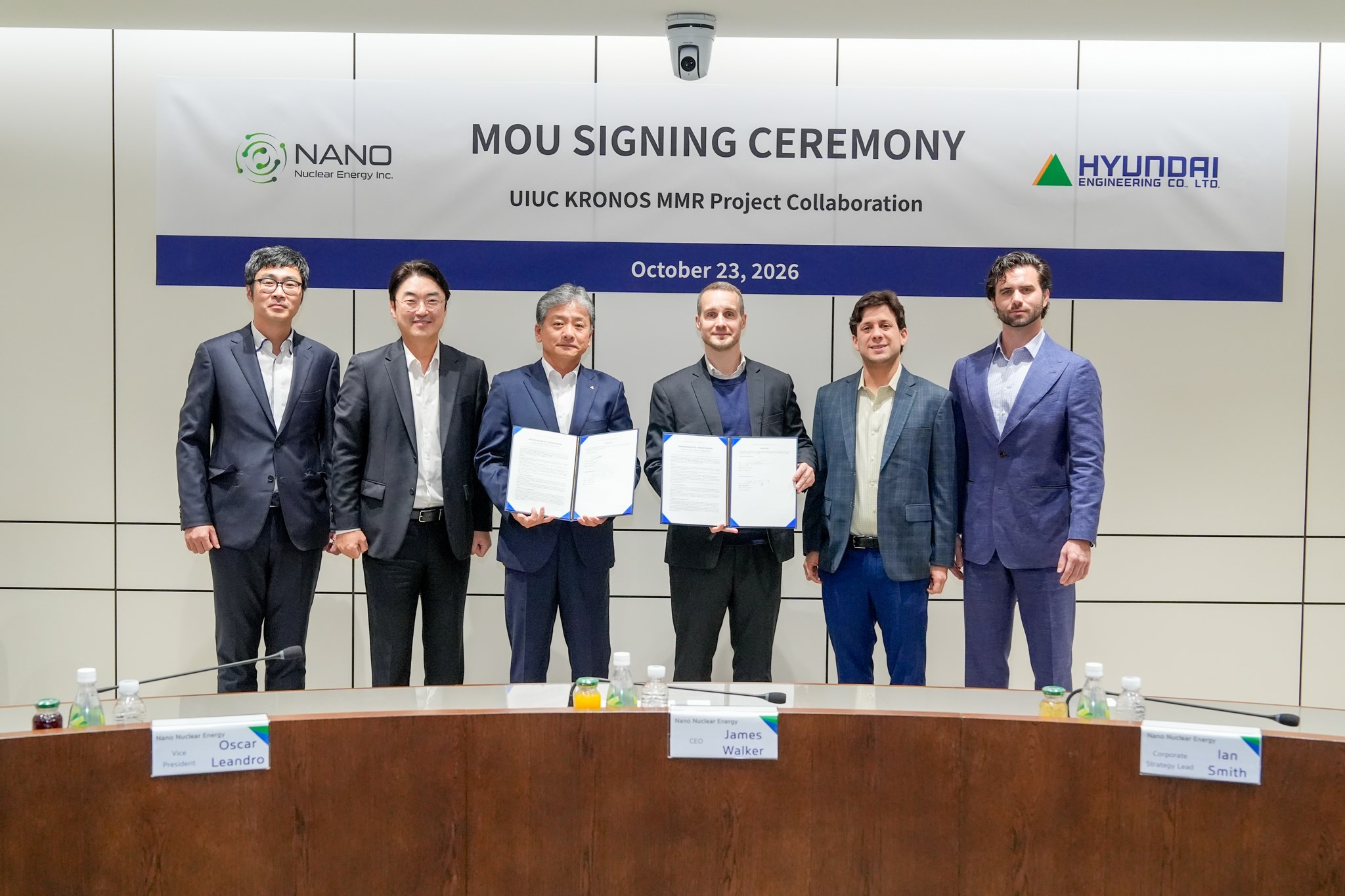
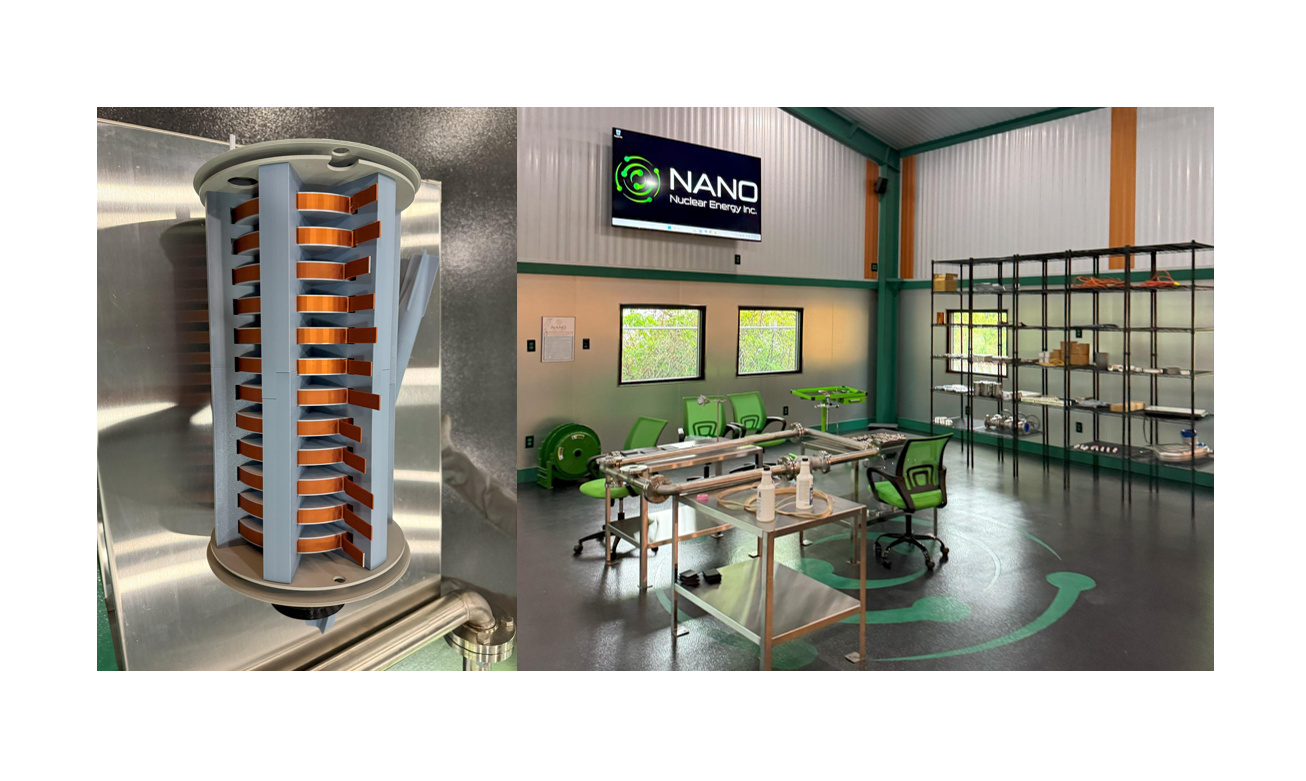
In 2026, the industry has consolidated around two primary goals: mobility and autonomy. Companies like NANO Nuclear Energy Inc. are pioneering designs such as "ZEUS" and "ODIN," which are engineered to fit within standard ISO shipping containers. This allows for transport via truck, rail, or ship, enabling rapid deployment to disaster zones or emerging industrial hubs.
Technical Innovations: Heat Pipes and Passive Safety
One of the most significant roles of nano nuclear technology is the introduction of truly passive safety systems. Traditional reactors rely on complex networks of pumps, valves, and liquid coolants to move heat away from the core. If these mechanical systems fail, the risk of overheating increases. Nano nuclear designs, specifically those utilizing heat pipe technology, eliminate these mechanical vulnerabilities.
The Mechanics of Heat Pipe Cooling
A heat pipe is a sealed vacuum vessel containing a working fluid (often liquid sodium in high-temperature applications). As the reactor core generates heat, the fluid vaporizes and travels to the cooler end of the pipe, where it condenses and releases its latent heat. The fluid then returns to the heat source via capillary action or gravity.
This process requires no moving parts, no electricity, and no external water source. In the context of 2026 energy security, this "solid-state" approach to nuclear power makes nano reactors exceptionally resilient against cyber-attacks or mechanical failures that could plague more complex systems.
Advancements in TRISO Fuel
The role of TRISO fuel cannot be overstated. By 2026, the scaling of HALEU production has become a strategic priority for the U.S. Department of Energy. TRISO fuel is inherently safe; the silicon carbide layer within each particle has a melting point far higher than any temperature the reactor can physically reach. This "accident-tolerant" fuel allows micro-reactors to be sited closer to populated areas or sensitive industrial equipment than would be possible with older reactor generations.
Primary Use Cases for Nano Nuclear Systems
As the global demand for 24/7 carbon-free energy intensifies, nano nuclear technology has found specific, high-value niches that traditional renewables like wind and solar cannot fully satisfy due to intermittency.
Data Centers and Artificial Intelligence
The explosion of AI processing requirements by 2026 has placed an unprecedented strain on the electrical grid. Data center operators are increasingly looking for "islanded" power solutions. Nano nuclear reactors provide a constant, high-density base load that allows these facilities to operate independently of the local utility grid, ensuring 99.999% uptime while meeting strict corporate decarbonization mandates.
Remote Mining and Industrial Sites
Mining operations often exist in "off-grid" environments, relying on expensive and carbon-intensive diesel generators. The role of nano nuclear technology here is transformative. A single micro-reactor can replace millions of gallons of diesel fuel over its 10-to-20-year lifespan. Because these units are portable, they can be removed and relocated once a mine is decommissioned, leaving a significantly smaller environmental footprint compared to permanent infrastructure.
Military and Disaster Relief
For the military, "energy as a weapon" has become a focus. Micro-reactors reduce the need for vulnerable fuel convoys, which are historically high-risk targets in conflict zones. Similarly, in the wake of natural disasters, a containerized nano nuclear unit can be deployed to restore power to hospitals and water treatment plants within hours of arrival, providing a stable energy anchor while the main grid is repaired.
Comparative Analysis: Nano Nuclear vs. Traditional Power
To understand the specific role of these reactors, it is essential to compare them with existing energy technologies.
| Feature | Nano Nuclear (Micro-Reactor) | Small Modular Reactor (SMR) | Traditional Nuclear |
|---|---|---|---|
| Power Output | 1 MW – 20 MW | 20 MW – 300 MW | 1,000 MW+ |
| Physical Footprint | Less than 1 acre | 10 – 50 acres | 500+ acres |
| Cooling Requirement | Air-cooled / Heat pipes | Light water / Passive | Massive water intake |
| Transportability | ISO Container (Truck/Rail) | Modular segments (Barge/Rail) | Fixed site |
| Refueling Cycle | 10 – 20 years | 3 – 7 years | 18 – 24 months |
| Deployment Time | < 6 months (on-site) | 2 – 4 years | 8 – 12 years |
The HALEU Supply Chain and Regulatory Milestones
The successful role of nano nuclear technology in 2026 is contingent upon the availability of High-Assay Low-Enriched Uranium (HALEU). This fuel, enriched between 5% and 20%, is necessary to keep micro-reactors compact while extending their operational life. Historically, supply was a bottleneck, but 2026 marks a turning point as domestic enrichment facilities in the United States and Europe reach commercial capacity, reducing reliance on foreign imports.
Regulatory Evolution
The Nuclear Regulatory Commission (NRC) has streamlined the licensing process for "Advanced Reactors" under frameworks like Part 53. This regulatory shift treats micro-reactors differently than large plants, acknowledging their inherent safety features. Instead of requiring a 10-mile Emergency Planning Zone (EPZ), many nano nuclear designs are being cleared for "site-boundary" EPZs, meaning the safety zone ends at the fence of the facility. This is a crucial development for siting reactors near factories or within municipal limits.
Environmental and Sustainability Considerations
Nano nuclear technology addresses one of the most persistent criticisms of nuclear energy: waste. While all nuclear processes produce spent fuel, the volume generated by micro-reactors is extremely small. Furthermore, the 20-year refueling cycle means that the fuel remains sealed within the reactor vessel for its entire useful life.
When the reactor reaches its end-of-life, the entire unit—fuel and all—is returned to a centralized facility for decommissioning or recycling. This "battery-like" model simplifies the waste management chain for the end-user. Additionally, the lack of water consumption in heat-pipe-cooled designs makes nano nuclear the only viable high-density power source for arid regions, contributing significantly to global water conservation efforts.
Frequently Asked Questions
Is nano nuclear technology safe for use near cities?
Yes, nano nuclear reactors are designed with "inherent safety." This means the physical properties of the materials (like TRISO fuel and heat pipes) naturally shut down the fission process if the temperature rises too high, without needing human intervention or electricity. The NRC’s 2026 guidelines reflect this by allowing closer proximity to populated areas.
How much does a nano nuclear reactor cost in 2026?
While initial capital expenditures (CAPEX) for "First-of-a-Kind" (FOAK) units are higher than diesel generators, the Levelized Cost of Energy (LCOE) over 20 years is competitive. By 2026, serial production is bringing costs down, making them attractive for industrial users who value price stability over the volatile costs of fossil fuels.
What happens to the nuclear waste?
In the micro-reactor model, the user never handles the fuel. The reactor is delivered pre-fueled and, after 10–20 years, the manufacturer retrieves the entire unit. The spent fuel is then managed at specialized federal or industrial facilities, significantly reducing the localized burden of waste storage.
Can nano nuclear reactors be used for space exploration?
Absolutely. The NASA Kilopower project and subsequent commercial partnerships have demonstrated that nano nuclear technology is the most viable power source for lunar bases and Mars missions, where solar power is insufficient due to long nights or dust storms.
Is the fuel for these reactors a proliferation risk?
HALEU fuel is enriched to less than 20%, which is below the threshold for weapons-grade material. Furthermore, the TRISO particles are extremely difficult to reprocess, making them a "proliferation-resistant" fuel form that aligns with International Atomic Energy Agency (IAEA) standards.
Strategic Recommendation for Stakeholders
For industrial leaders and energy planners in 2026, the recommendation is to integrate nano nuclear technology as a "resiliency layer" rather than a total grid replacement. Organizations should identify critical operations that cannot afford power interruptions—such as cold storage, chemical processing, or data management—and evaluate the feasibility of containerized micro-reactors.
As the supply of HALEU stabilizes and the first wave of commercial pilots completes their initial years of operation, the transition from "experimental" to "essential" infrastructure is nearly complete. Engaging with companies like NANO Nuclear Energy Inc. or Oklo for site-specific feasibility studies is the logical next step for securing energy independence in a decarbonizing world.
Image Gallery