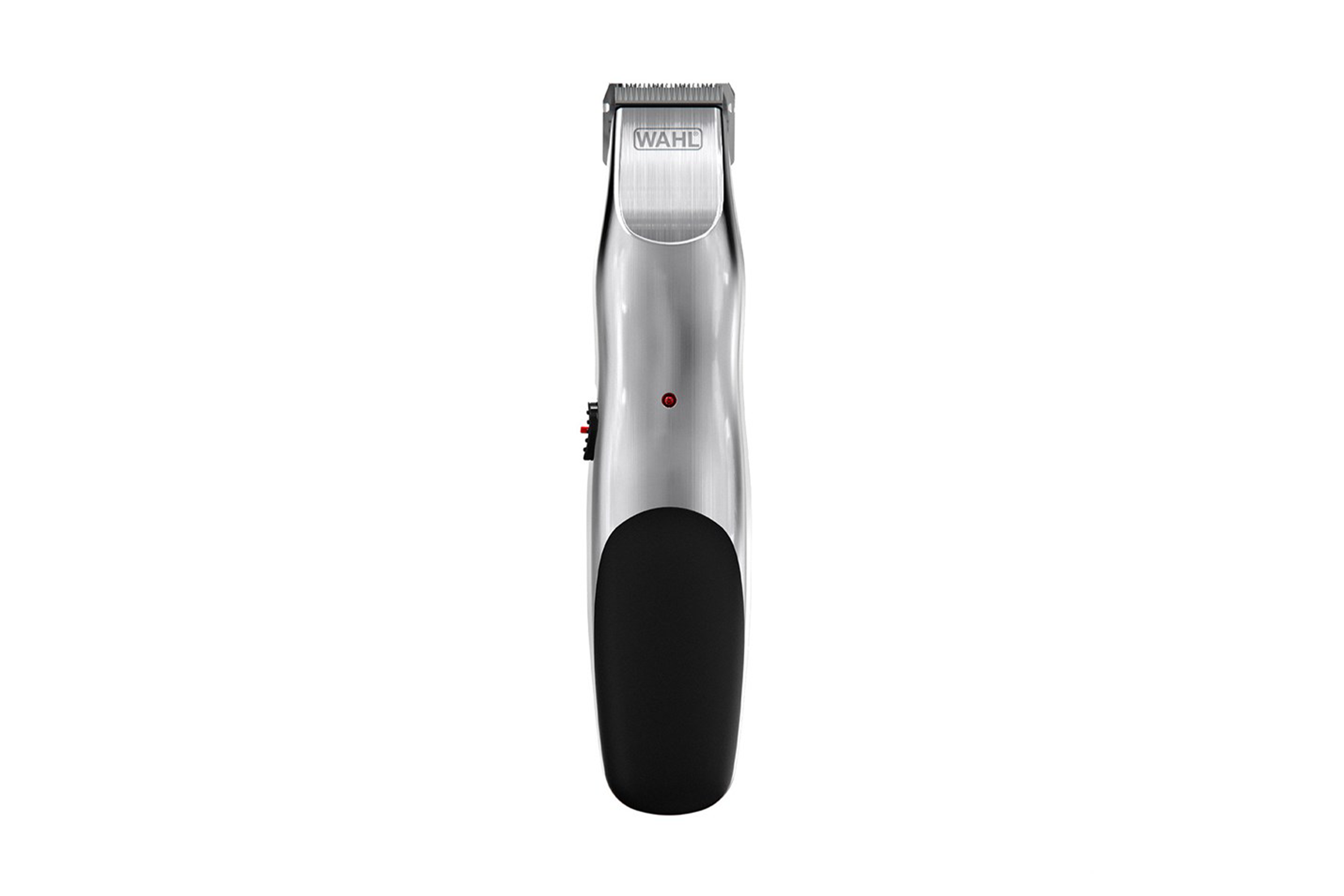
Choosing the Best Beard and Body Trimmers for You
Selecting the right beard and body trimmer requires balancing blade quality, motor performance, battery chemistry, guard precision, and water resistance against your specific grooming routine. Matching your primary hair density, sensit...
Selecting the right beard and body trimmer requires balancing blade quality, motor performance, battery chemistry, guard precision, and water resistance against your specific grooming routine. Matching your primary hair density, sensitive skin considerations, and preferred hair lengths to the correct tool design prevents skin irritation, tugging, and premature device failure.
Contents
Understanding Grooming Tool Categories
Before evaluating individual specifications, you must understand the structural differences between trimmer categories. Manufacturers market tools for specific zones, and using a tool outside its intended scope often leads to substandard results or discomfort.
- Dedicated Beard Trimmers
- Deep-tooth blades
- High torque for dense hair
- Precision micro-dials
- Specialized Body Groomers
- Rounded blade tips & foil heads
- Built-in skin guards for folds
- Extended ergonomics for reach
- Multi-Grooming Kits
- Interlocking tool heads
- Versatile length attachments
- Space-saving solution
- Hybrid Blade / Foil Systems
- Flat profile for detailed edging
- Reduced risk of skin nicks
- Continuous blade replacement
Dedicated Beard Trimmers
Dedicated beard trimmers feature wide blade teeth designed to slice through thick facial hair cleanly without jamming. Their cutting blocks emphasize high torque to handle dense beard growth.
Precision adjustment mechanisms—such as integrated zoom wheels or fine-toothed clip-on guards—allow you to maintain exact millimeter lengths for short stubble, medium fade styles, or full beards. However, their exposed blade edges can bite into soft skin on the body if used without guard attachments.
Body Groomers and Manscaping Tools
Body groomers prioritize skin safety over raw cutting speed through dense facial hair. They feature rounded blade tips, hypoallergenic protective foils, and bi-directional cutting elements that catch hair growing in multiple directions across flat or curved body contours.
Many body groomers feature elongated handles or ergonomic angles designed specifically to help you reach your back, shoulders, and legs. Using a dedicated body groomer on thick facial hair often results in pulling because the safety barriers restrict fast hair feed.
Multi-Grooming Kits and Hybrid Systems
Multi-grooming kits utilize a single power handle with swappable attachment heads, including beard trimmer blades, body shaving foils, nose/ear trimmers, and detail edgers. These systems offer solid versatility for casual grooming routines, though swappable joints can wear down over time compared to dedicated single-purpose devices.
Hybrid tools utilize ultra-thin flat blades or dual-sided oscillating cutters. They excel at edging beard lines and shaving down body hair close to the skin without severe razor burn, though they require routine blade block replacements every few months.
Core Technical Specifications to Evaluate
Evaluating technical specifications helps you separate long-lasting, high-performance trimmers from low-powered consumer models that pull hair or lose charge quickly.
Motor Types and Cutting Speeds
The internal motor determines how smoothly a trimmer cuts through coarse hair without slowing down or tugging:
- Rotary Motors: Offer an optimal balance of power and compact size. They supply constant torque to cut through dense beards and coarse chest hair without stalling.
- Linear Motors: Operate using magnetic levitation principles to drive the blades at extremely high cuts per minute (CPM), typically between 7,000 and 14,000 CPM. Linear motors maintain continuous cutting speed until the battery is entirely drained.
- Pivot Motors: Produce high cutting power at lower blade speeds. They are ideal for wet or heavy hair, though they are less common in cordless consumer trimmers due to their weight.
Blade Materials and Metallurgy
Blade composition directly dictates sharpness retention, operational friction, temperature buildup, and corrosion resistance:
| Blade Material | Pros | Cons |
|---|---|---|
| Stainless Steel | Washable, durable, cost-effective | Generates friction heat over long sessions |
| Titanium-Coated | High edge retention, lower friction | Higher initial cost |
| Ceramic | Stays cool, extremely sharp long-term | Brittle; can crack if dropped on tile |
- Self-Sharpening Designs: Feature upper and lower metal blades that lightly brush against each other during operation, maintaining a sharp edge without requiring manual sharpening.
Guard Systems and Micro-Adjustments
The spacing and rigidity of trimmer guards determine length accuracy. Flexing plastic guards press into the skin under pressure, resulting in uneven spots in your beard or body hair.
Look for rigid polycarbonate guards or integrated micro-adjustment dials. Dials alter length settings in precise 0.2 mm to 0.5 mm increments directly on the tool head, eliminating the need to store dozens of loose plastic clip-on guards.
Waterproof Ratings (IP Code Standards)
Understanding the Ingress Protection (IP) rating prevents electrical damage and extends your trimmer's operational lifespan:
- IPX5: Protects against low-pressure water streams. Safe for rinsing the blade head under a tap, but the unit should not be submerged or used directly under running shower water.
- IPX7: Protects against full immersion in water up to 1 meter deep for up to 30 minutes. Required for safe, full use inside the shower and easy cleaning under running water.
Battery Technology, Charging, and Power Delivery
Battery chemistry affects tool longevity, motor consistency, and convenience during travel.
- Lithium-Ion (Li-ion) - Constant Power Output
- 100% Charge
- 50% Charge
- 10% Charge
- Nickel-Metal Hydride (NiMH) - Gradual Power Output Loss
- 100% Charge
- 50% Charge (Voltage Drop)
- 10% Charge (Tugging/Pulling)
Lithium-Ion vs. NiMH Chemistry
Always select trimmers equipped with Lithium-Ion (Li-ion) batteries over older Nickel-Metal Hydride (NiMH) cells.
Li-ion batteries supply full voltage to the motor until the battery is depleted, preventing the motor from slowing down and pulling hair when the charge gets low. They also lack memory effect degradation and offer significantly faster recharge cycles.
Runtime and Quick-Charge Functionality
Look for a minimum cordless runtime of 60 to 120 minutes on a full charge.
A critical feature is Quick-Charge capability, which provides enough power for a single 3-to-5-minute trim session after just 5 minutes of charging on a drained battery.
Charging Ports: Universal USB-C vs. Proprietary Cables
Universal USB-C charging allows you to charge your groomer using standard mobile device cables and wall chargers, eliminating the need to pack specialized charging bricks or proprietary two-pin cords when traveling.
If you prefer a vanity display, select a model with a charging dock that also supports a direct cable connection to the body of the unit.
Tailoring Your Choice to Specific Hair and Body Zones
Different body areas require specific blade geometries, guard configurations, and skin safety measures.
- Beard & Stubble: Needs wide teeth, precise dials (0.5–10 mm), and high-torque motor power.
- Chest & Arms: Needs medium-width guards (3–7 mm) and bi-directional cutting edges.
- Back & Shoulders: Needs an extended handle attachment, broad blade coverage, and full IPX7 waterproofing.
- Groin & Sensitive: Needs skin-guard barriers, hypoallergenic foils, and tight rounded blade teeth.
Facial Hair Styling: Stubble, Short Beards, and Heavy Beards
- Stubble Maintenance (0.5 mm to 3 mm): Requires ultra-fine length adjustments and closely aligned stainless steel or titanium blades to deliver crisp edges along the jawline and neck line.
- Medium to Long Beards (5 mm to 20 mm+): Requires wide-toothed guards with sturdy construction that won't flex under thick hair density, alongside a high-torque motor to avoid bogging down.
Body Hair Management: Chest, Underarms, Back, and Sensitive Areas
- Chest and Underarms: Benefit from bi-directional cutting heads that shave hair moving in multiple growth directions without pulling.
- Back and Shoulders: Require specialized body groomers featuring extendable or angled handles to reach between the shoulder blades comfortably without straining.
- Groin and Sensitive Zones: Require skin-protection guards that physically separate active cutting blades from loose skin folds, or integrated hypoallergenic foil heads to prevent painful nicks, snagging, and ingrown hairs.
Beard and Body Trimmer Comparison Matrix
The table below compares the essential technical features across primary trimmer configurations to help you narrow down the best setup for your routine:
| Trimmer Type | Ideal Primary Use | Typical Runtime | IP Rating Standard | Key Guard System | Maintenance Needs |
|---|---|---|---|---|---|
| Dedicated Beard Trimmer | Facial hair styling, stubble, and precise jawline shaping | 60 – 100 Mins | IPX5 to IPX7 | Precision built-in dial (0.5 mm – 10 mm) | Regular oiling; brush out hair traps |
| Specialized Body Groomer | Chest, underarms, back, and sensitive body zones | 50 – 80 Mins | IPX7 (Showerproof) | Fixed skin-guard attachments & foil heads | Rinse foil head; replace foil block annually |
| All-in-One Multi-Groomer | Full-body versatility (face, head, body, nose) | 90 – 120+ Mins | IPX5 to IPX7 | Multiple snap-on plastic attachment heads | Rinse attachments; oil metal blades regularly |
| Hybrid Blade System | Edging lines, sensitive shaving, and short stubble | 45 – 90 Mins | IPX7 | Click-on stubble guards (1 mm – 5 mm) | Replace hybrid blade cartridge every 3–4 months |
Maintenance, Cleaning, and Longevity
Proper maintenance ensures clean cuts, quiet motor operation, and maximum hygiene over the life of your device.
- RINSE / BRUSH: Remove clipped hair from blade housing after every single use.
- DRY THOROUGHLY: Shake off excess water; air-dry to prevent corrosion inside the motor drive shaft.
- APPLY OIL: Apply 1–2 drops of mineral clipper oil across the blade teeth every 2–3 weeks.
- REPLACE BLADES: Replace worn foils or hybrid cartridges every 4 to 12 months as recommended.
Cleaning Protocols and Washability
Rinse the blade head under warm water after every trim to remove trapped hair and skin oils. For non-waterproof (IPX5 or below) bodies, detach the blade block from the handle before washing it.
Always let the cutting block air-dry fully before reattaching it to prevent moisture from seeping into the drive shaft housing.
Blade Lubrication and Alignment
Unlubricated metal blades generate friction heat, accelerate battery drain, and dull quickly.
Apply 1 to 2 drops of light mineral clipper oil across the running blade teeth every two to three weeks. Turn the trimmer on for 10 seconds to distribute the oil evenly, then wipe away any excess liquid with a tissue.
Replacing Wear Components
- Foil Heads: Body groomer foil screens wear down from friction over time. Replace foil heads every 10 to 12 months to prevent skin irritation.
- Hybrid Cartridges: Flat hybrid blades dull faster than traditional steel blocks. Replace them every 3 to 4 months based on use frequency.
- Fixed Steel Blades: Self-sharpening steel blades last several years without replacement when cleaned and oiled routinely.
Common Mistakes to Avoid When Buying a Groomer
- Buying an All-in-One Kit When You Only Need Facial Trimming: Multi-groomers include extra attachment heads you may never use, while dedicated beard trimmers offer better micro-adjustments and stronger built-in guard systems.
- Ignoring Battery Type: Purchasing inexpensive groomers with NiMH batteries leads to slow motor performance and snagged hair as the battery drains. Always confirm the battery chemistry is Lithium-Ion.
- Using Guardless Facial Trimmers on Body Tissue: Using bare, un-guarded beard blades on loose skin folds often causes painful nicks and cuts. Always use a dedicated body groomer or protective skin guard for sensitive areas.
- Assuming All Water-Resistant Trimmers Are Showerproof: Washing a blade under a faucet (IPX5) is not the same as taking a tool into a hot shower (IPX7). Using non-showerproof tools underwater damages the internal battery compartment and electronics.
Frequently Asked Questions
Can I use a beard trimmer on my body hair?
You can use a beard trimmer on flat body areas like your chest or legs, provided you attach a protective guard. However, avoid using exposed beard trimmer blades without a guard on sensitive skin or loose body folds, as the sharp metal teeth can pinch and cut the skin.
What IP rating is required for shower use?
To use a trimmer safely in the shower, look for an IPX7 rating or higher. IPX7 units are sealed against continuous immersion in water up to 1 meter deep. Tools rated IPX5 are only protected against light water splashes or faucet rinsing and should not be submerged or exposed directly to shower streams.
How often do trimmer blades need replacement or oiling?
Self-sharpening stainless steel blades last for years and only require 1 to 2 drops of clipper oil every 2 to 3 weeks. Specialized hybrid blade cartridges and body grooming foil heads wear out faster and should be replaced every 3 to 12 months, depending on use frequency and hair coarseness.
Are titanium-coated blades better than stainless steel?
Titanium-coated blades retain their sharp edge longer and generate less friction than standard stainless steel. However, quality self-sharpening stainless steel blades perform almost as well for basic everyday grooming and are typically more cost-effective.
How do I prevent skin irritation and nicks in sensitive areas?
Use a specialized body groomer equipped with a protective foil head or attach a dedicated safety guard. Pull your skin taut with your free hand while trimming, cut against the direction of hair growth using short, gentle strokes, and avoid pressing the blade assembly down into your skin.
Final Action Plan: Making Your Decision
To pick the right trimmer for your needs, follow this simple selection process:
- Define Primary Use: If 80% of your grooming involves shaping facial hair, buy a dedicated beard trimmer with an integrated length dial. If you focus primarily on body hair maintenance from the neck down, choose a specialized body groomer with a protective foil head and skin guards.
- Verify Core Specifications: Ensure the device features a Lithium-Ion battery, at least an IPX7 waterproof rating (if you trim in the shower), and self-sharpening stainless steel or titanium-coated blades.
- Check Power Needs: Look for universal USB-C charging if you travel often, and confirm the motor uses rotary or linear power to maintain cutting speed without pulling hair.
- Establish Maintenance Habits: Pick up light mineral clipper oil, rinse your trimmer heads after every session, and replace worn foil attachments annually to keep your tool running smoothly.
Image Gallery