Understanding "Paid Cash on Account": Is it a Debit or a Credit?
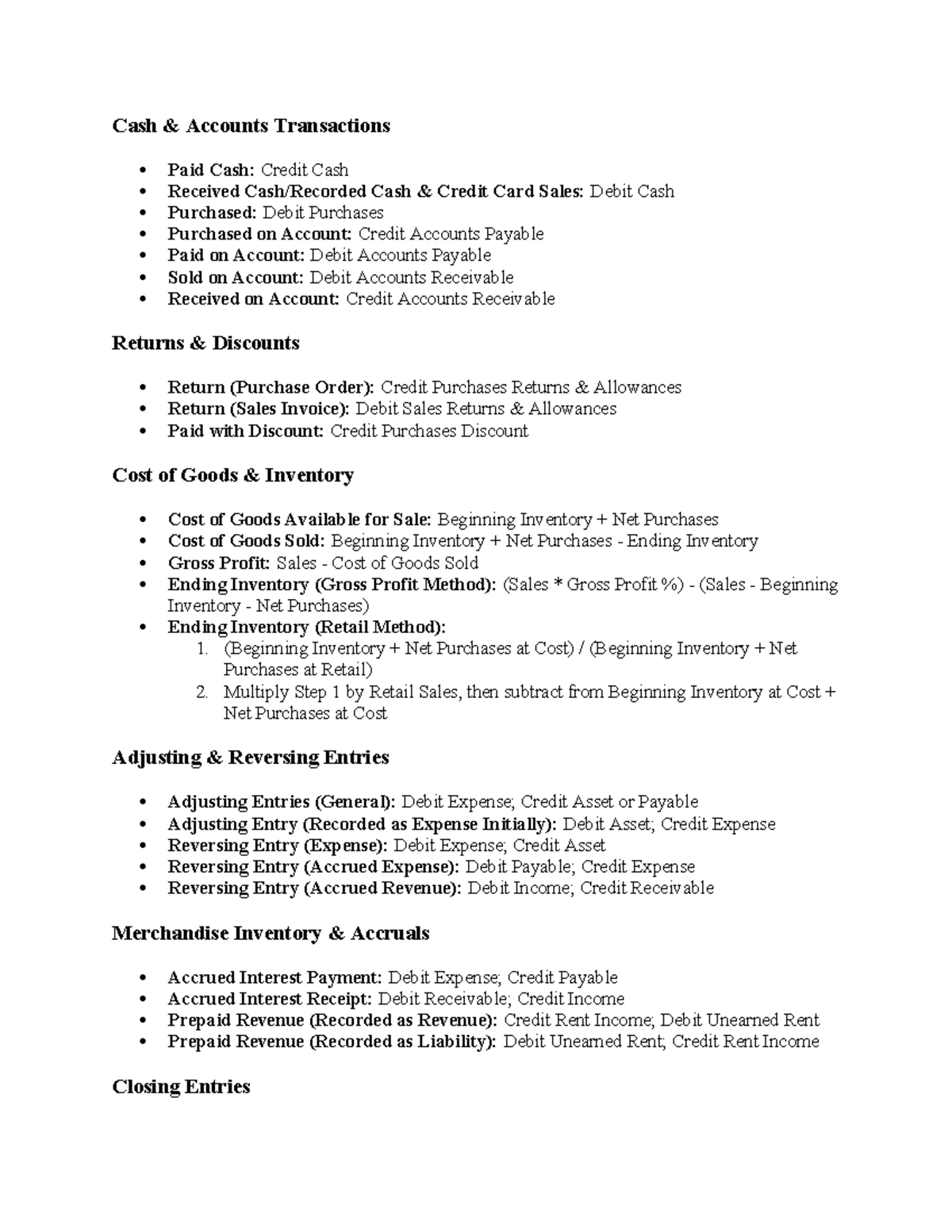
When you pay cash on account to a vendor or supplier, the accounting entry requires you to debit Accounts Payable and credit Cash. This dual-entry transaction reflects a decrease in your company’s total liabilities because you no longe...
When you pay cash on account to a vendor or supplier, the accounting entry requires you to debit Accounts Payable and credit Cash. This dual-entry transaction reflects a decrease in your company’s total liabilities because you no longer owe that specific debt, and a simultaneous decrease in your total assets because cash has left the business.
Contents
Navigating the world of double-entry bookkeeping often feels like learning a second language, especially when determining which accounts to increase or decrease. In the current 2026 business environment, where automated accounting systems handle much of the heavy lifting, understanding the underlying logic of a "paid cash on account" transaction remains vital for manual adjustments, auditing, and financial literacy. Whether you are a small business owner using decentralized finance (DeFi) tools or a student of traditional corporate accounting, the fundamental rules of debits and credits apply universally to this scenario.
The Fundamentals of Double-Entry Bookkeeping
To understand why we debit one account and credit another when paying cash on account, we must first revisit the core accounting equation: Assets = Liabilities + Equity. This equation must always remain in balance. Every transaction affects at least two accounts, ensuring that the books remain level.
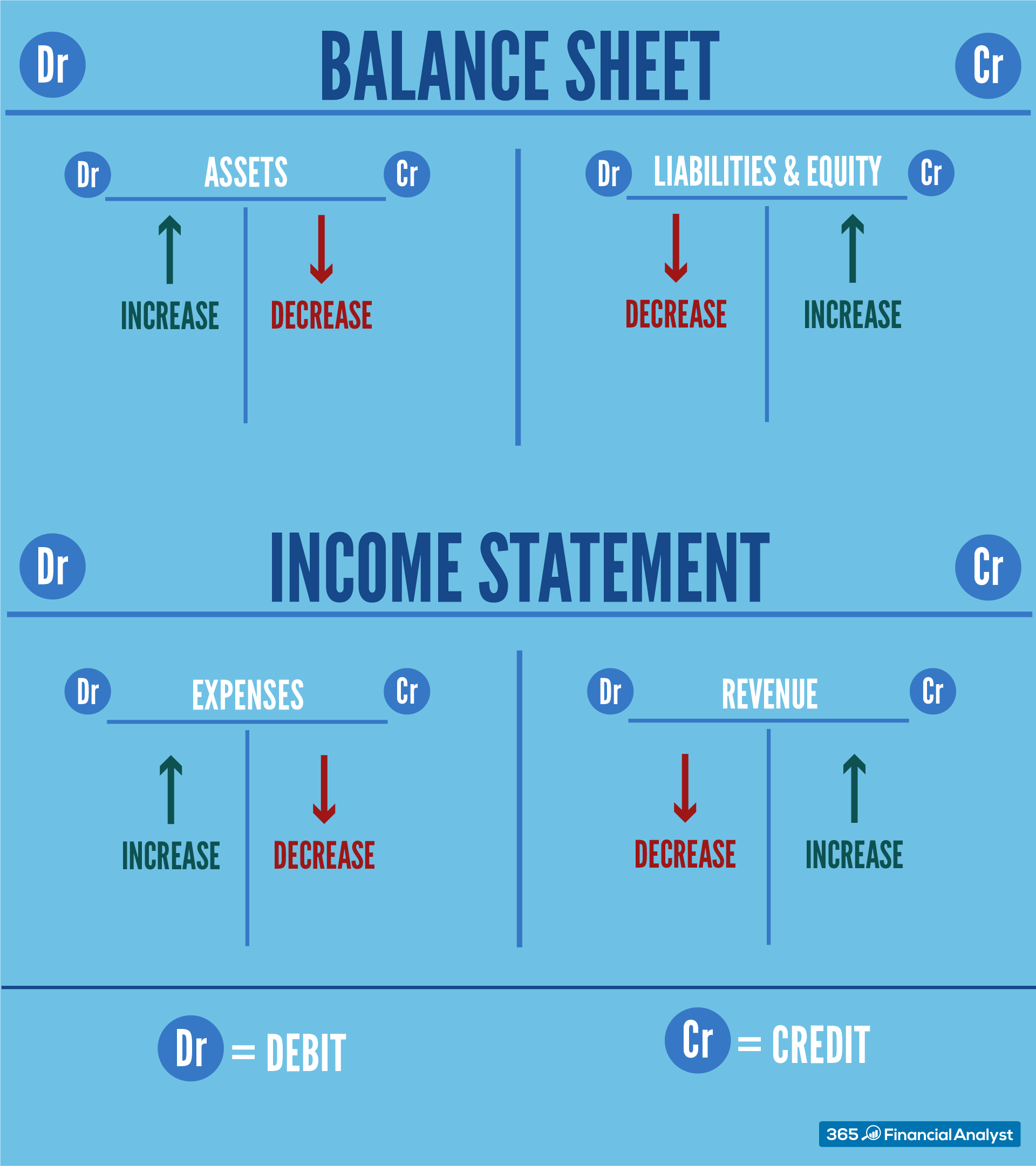
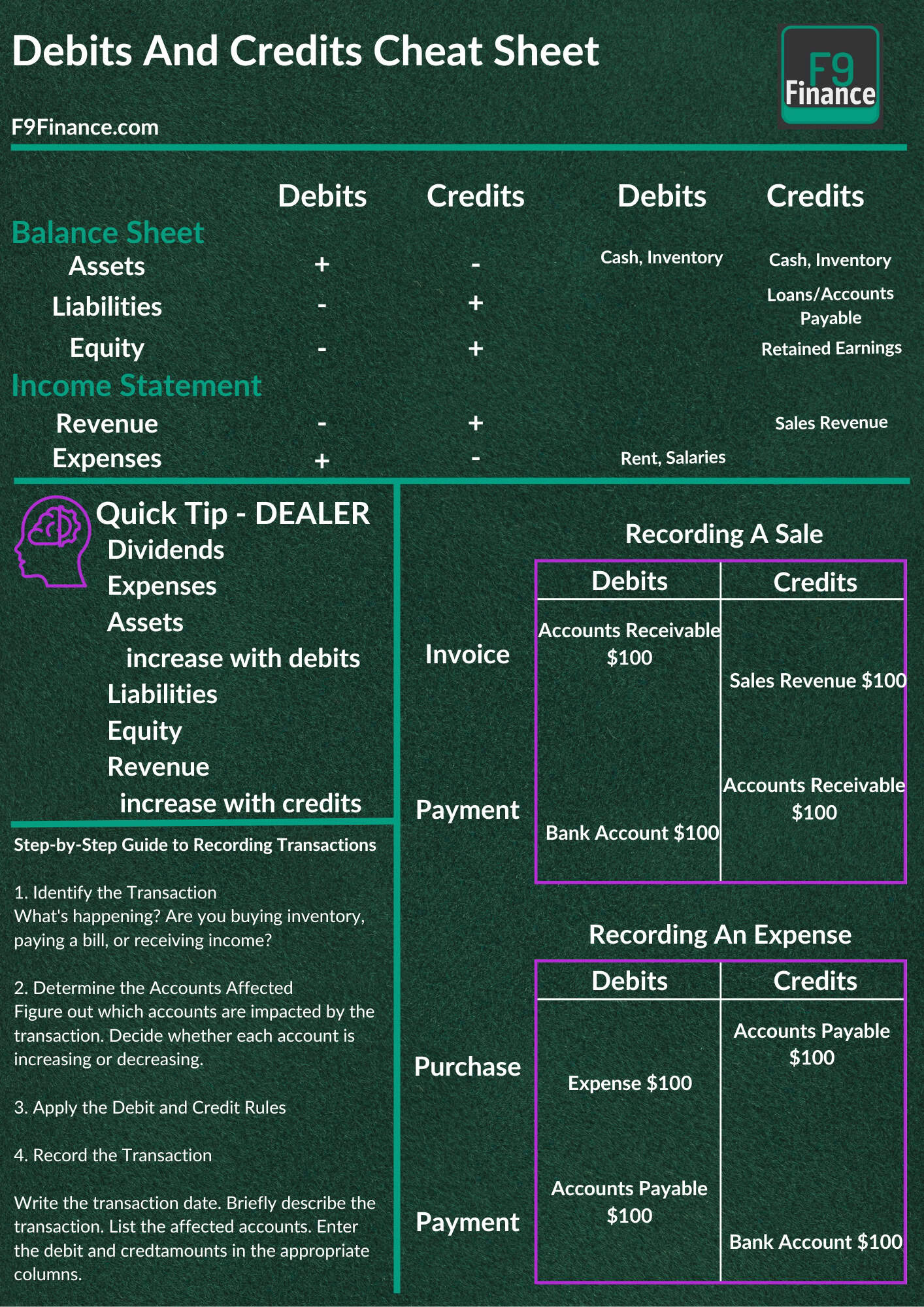
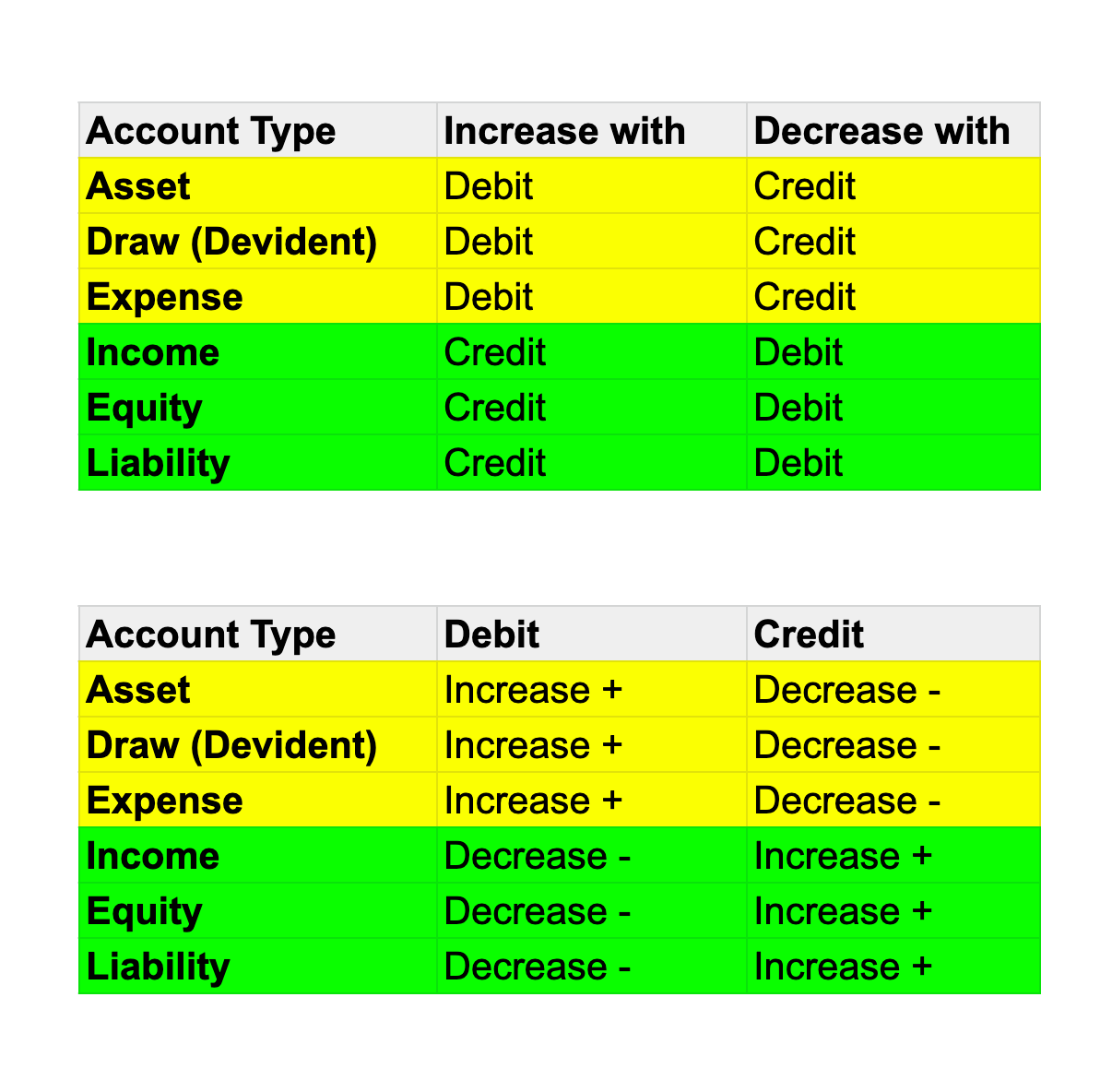
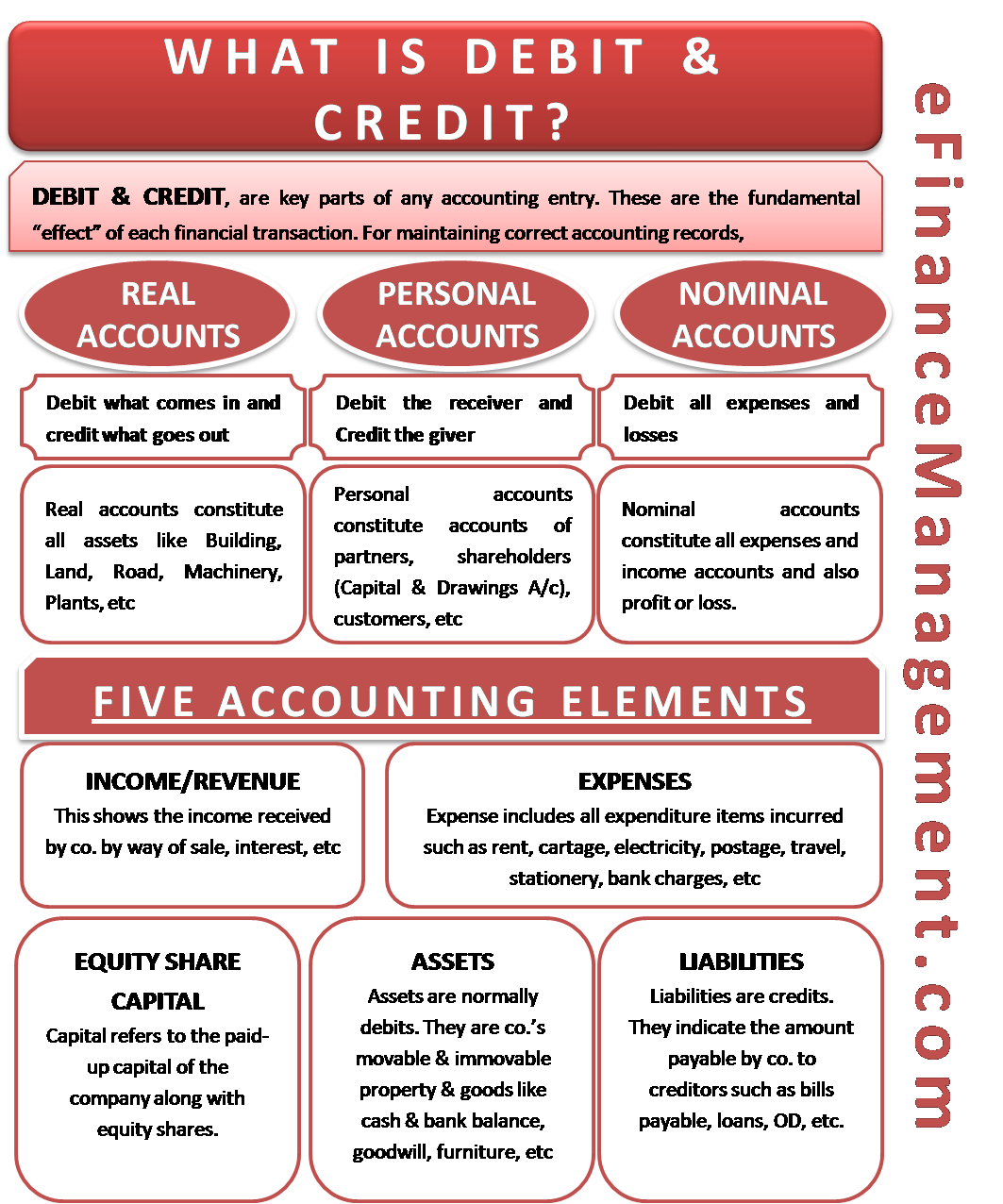
In accounting, "debit" (Dr) and "credit" (Cr) do not mean "plus" or "minus" in a universal sense. Instead, their effect depends entirely on the type of account being used.
- Assets (e.g., Cash, Equipment): Increased with a debit, decreased with a credit.
- Liabilities (e.g., Accounts Payable, Loans): Increased with a credit, decreased with a debit.
- Equity (e.g., Retained Earnings): Increased with a credit, decreased with a debit.
When you "pay cash on account," you are interacting with an Asset (Cash) and a Liability (Accounts Payable).
Breaking Down the "Paid Cash on Account" Transaction
When a business pays cash on account, it is fulfilling an obligation previously recorded. This usually happens when you buy inventory or services "on credit" (on account) and receive an invoice to be paid later.
1. The Debit: Decreasing Accounts Payable
Accounts Payable represents the money your business owes to third parties. Because it is a liability, it naturally carries a credit balance. When you pay off a portion or the entirety of that debt, the liability decreases. To decrease a liability, you must debit the account.
2. The Credit: Decreasing Cash
Cash is a liquid asset. All assets naturally carry a debit balance. When you write a check, initiate a wire transfer, or use physical currency to pay a bill, your cash balance goes down. To decrease an asset, you must credit the account.
The Standard Journal Entry
In a standard general ledger, the entry for paying $1,000 on account would look like this:
| Date | Account | Debit | Credit |
|---|---|---|---|
| Oct 14, 2026 | Accounts Payable | $1,000.00 | |
| Cash | $1,000.00 | ||
| Description: Payment to Vendor X for Invoice #123 |
Ambiguity: What if you are receiving the cash?
While the phrase "paid cash on account" almost always refers to a business paying its own debt, beginners occasionally confuse it with a customer paying the business. If a customer is the one paying you on their account (Accounts Receivable), the entry is reversed because the roles are swapped:
- Debit Cash: Your assets increase because you received money.
- Credit Accounts Receivable: Your asset (the right to collect money) decreases because the customer has fulfilled their obligation.
For the remainder of this guide, we will focus on the primary intent: the business paying its own vendors.
The Concept of "On Account" in 2026
In 2026, the term "on account" has evolved but the principle remains. Most modern B2B transactions involve credit terms, such as Net 30 or Net 60. This means you have 30 or 60 days to pay the invoice after receiving the goods or services.
When you receive the bill, you record an expense (or an asset) and a liability:
- Debit: Expense (e.g., Utilities)
- Credit: Accounts Payable
When the "paid cash on account" event occurs weeks later, you are simply clearing that liability. This separation of the purchase and the payment is known as accrual accounting. It provides a more accurate picture of a company’s financial health than cash-basis accounting, as it matches expenses to the period in which they were actually incurred.
Detailed Comparison: Paying vs. Receiving
Understanding the distinction between Accounts Payable (AP) and Accounts Receivable (AR) is the most common hurdle for those learning the debit/credit system.
| Feature | Paying on Account (AP) | Receiving on Account (AR) |
|---|---|---|
| Primary Account | Accounts Payable | Accounts Receivable |
| Type of Account | Liability | Asset |
| Cash Impact | Outflow (Decrease) | Inflow (Increase) |
| Debit Entry | Accounts Payable (Decreases Debt) | Cash (Increases Asset) |
| Credit Entry | Cash (Decreases Asset) | Accounts Receivable (Decreases Asset) |
| Financial Result | Reduces what you owe | Reduces what is owed to you |
Purchase Discounts and Partial Payments
Real-world accounting is rarely as simple as paying the full amount of an invoice. There are two common variations that change the "paid cash on account" entry: purchase discounts and partial payments.
Handling Purchase Discounts
Vendors often offer incentives for early payment, such as "2/10, n/30." This means you get a 2% discount if you pay within 10 days; otherwise, the full amount is due in 30 days. If you take the discount, you are still clearing the full liability, but you are paying less cash.
If you owe $1,000 and take a 2% discount ($20):
- Debit Accounts Payable: $1,000 (to clear the full debt).
- Credit Cash: $980 (the actual amount paid).
- Credit Inventory (or Purchase Discounts): $20 (to account for the reduced cost of the goods).
Partial Payments
If you only pay part of what you owe, the entry remains the same in terms of debit/credit logic, but the dollar amounts differ. If you owe $5,000 but only pay $2,000 this month, you still debit Accounts Payable for $2,000 and credit Cash for $2,000. Your general ledger will continue to show a credit balance of $3,000 in Accounts Payable until the remainder is paid.
Impact on Financial Statements
Every time you pay cash on account, it ripples through your 2026 financial reports. Understanding these impacts is crucial for stakeholders and management.
The Balance Sheet
The Balance Sheet follows the equation Assets = Liabilities + Equity. When you pay cash on account:
- Assets decrease because Cash is reduced.
- Liabilities decrease because Accounts Payable is reduced. Because both sides of the equation decrease by the same amount, the Balance Sheet remains in balance. It is important to note that this transaction does not affect Equity (or profit) at the moment of payment, as the expense was likely recorded when the debt was first incurred.
The Statement of Cash Flows
On the Statement of Cash Flows, paying cash on account is categorized under Operating Activities. It represents a cash outflow. Even if your Net Income looks high, a large volume of "cash paid on account" can lead to a negative cash position if not managed correctly.
Common Mistakes to Avoid
Even seasoned bookkeepers can make errors when recording these transactions. Here are the most frequent pitfalls:
- Reversing the Entry: Crediting Accounts Payable and debiting Cash. This would erroneously suggest you took out another loan and received more money.
- Recording as an Expense Again: A common mistake is debiting an "Expense" account (like Office Supplies) when paying the bill. If you already debited the expense when you received the invoice, debiting it again when you pay will double-count your expenses, leading to understated profits and incorrect tax filings.
- Forgetting the Vendor Subsidiary Ledger: In modern accounting software, "Accounts Payable" is a control account. You must also specify which vendor you are paying so that your individual vendor records match your general ledger.
- Misdating the Payment: In 2026, digital payments are often instantaneous, but checks or scheduled bank transfers can create "timing differences." Ensure the payment date reflects when the cash actually left your control to facilitate accurate bank reconciliation.
Troubleshooting and Verification
If your books don't balance after recording a payment, check the following:
- Bank Statement Reconciliation: Does the credit to your cash account match the withdrawal on your bank statement?
- Trial Balance: Ensure the total of all debits equals the total of all credits.
- Vendor Statements: Compare your Accounts Payable ledger against the statement sent by your vendor. If they say you owe more than your books show, a "paid cash on account" entry might have been missed or recorded for the wrong amount.
Frequently Asked Questions
Is "paid cash on account" an expense?
No, the payment itself is not an expense. The expense is usually recorded at the time the goods or services are received (under accrual accounting). Paying the cash is simply the settlement of a liability.
Why is cash credited when it is paid out?
In the double-entry system, assets have a natural debit balance. To increase an asset, you debit it. To decrease an asset (like when cash leaves the business), you must perform the opposite action, which is a credit.
Does paying on account affect your credit score?
In a business context, consistently paying your "Accounts Payable" on time or early is often reported to business credit bureaus (like Dun & Bradstreet). While the internal accounting entry of debiting AP and crediting Cash doesn't change your score, the act of timely payment is what builds your business credit profile.
Can "paid cash on account" apply to a credit card?
If you are paying your business credit card bill, the logic is identical. The credit card balance is a liability (Credit Card Payable). When you pay it with cash, you debit Credit Card Payable and credit Cash.
Summary of Next Actions
To maintain accurate financial records in 2026, ensure that every "paid cash on account" transaction is supported by a receipt or a digital confirmation. If you are using automated software, verify that the system is correctly mapping the payment to the outstanding invoice rather than creating a "prepayment" or unapplied cash entry. Regular monthly reconciliation of your Accounts Payable ledger against your actual bank withdrawals will prevent discrepancies and ensure your financial statements remain an accurate reflection of your business's health.
Image Gallery