Is Acura Tiger Eye Pearl Worth the Hype? A Comprehensive Buyer’s Guide
Acura’s Tiger Eye Pearl is worth the hype for buyers who prioritize exclusivity and a dynamic visual presence. As a premium "hero color" reserved for Type S performance models, it offers unique light-shifting properties and potential f...
Acura’s Tiger Eye Pearl is worth the hype for buyers who prioritize exclusivity and a dynamic visual presence. As a premium "hero color" reserved for Type S performance models, it offers unique light-shifting properties and potential for higher long-term resale value among enthusiasts, despite its $600 premium and complex repair requirements.
Contents
For the modern automotive enthusiast, color is more than a surface-level choice; it is a statement of intent and a marker of a vehicle's pedigree. Since its introduction with the second-generation TLX Type S, Tiger Eye Pearl has become one of the most discussed and polarizing factory paint options in the luxury-sport segment. As we navigate the 2026 automotive market, where personalization and "hero colors" (signature shades used in marketing) define brand identity, determining whether this specific hue justifies its premium requires looking beyond the showroom floor.
The Engineering and Aesthetic of Tiger Eye Pearl
To understand if Tiger Eye Pearl is worth the investment, one must first understand the technical composition of the paint. Unlike standard metallic paints, Tiger Eye Pearl is a tri-coat or multi-stage finish. This means the application process involves a base coat, a translucent mid-coat containing the "pearl" or mica flakes, and a final clear coat.
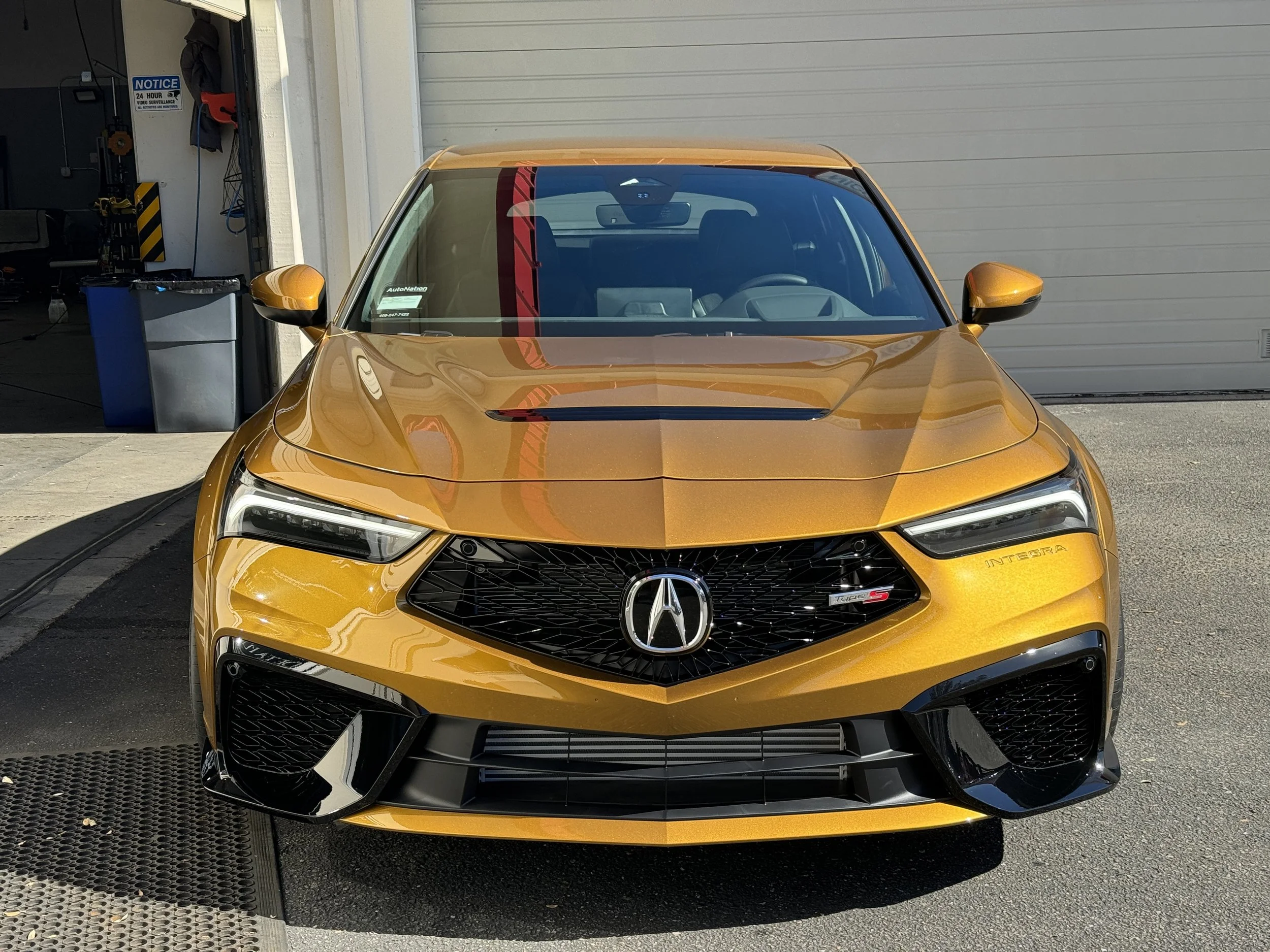
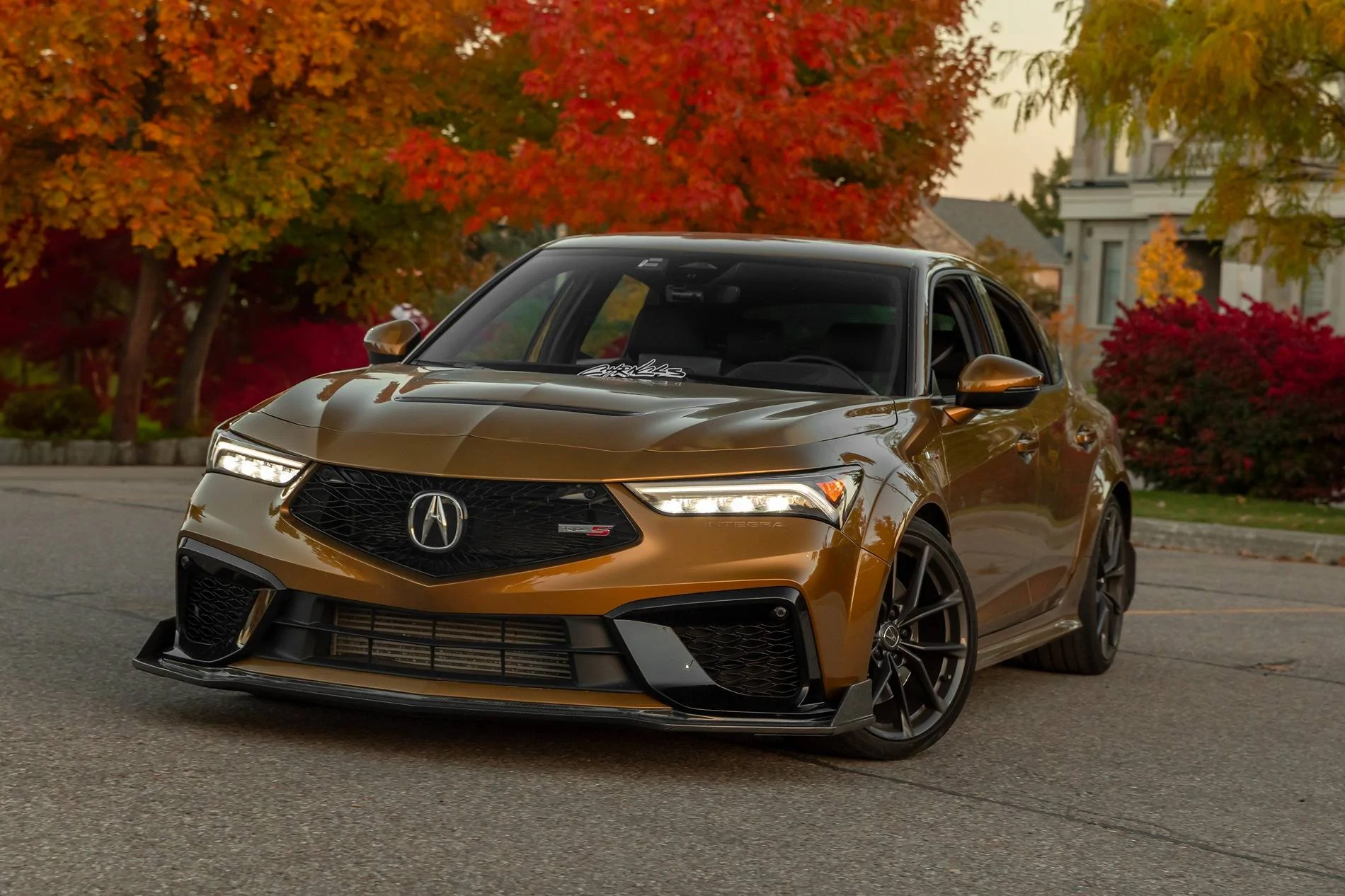
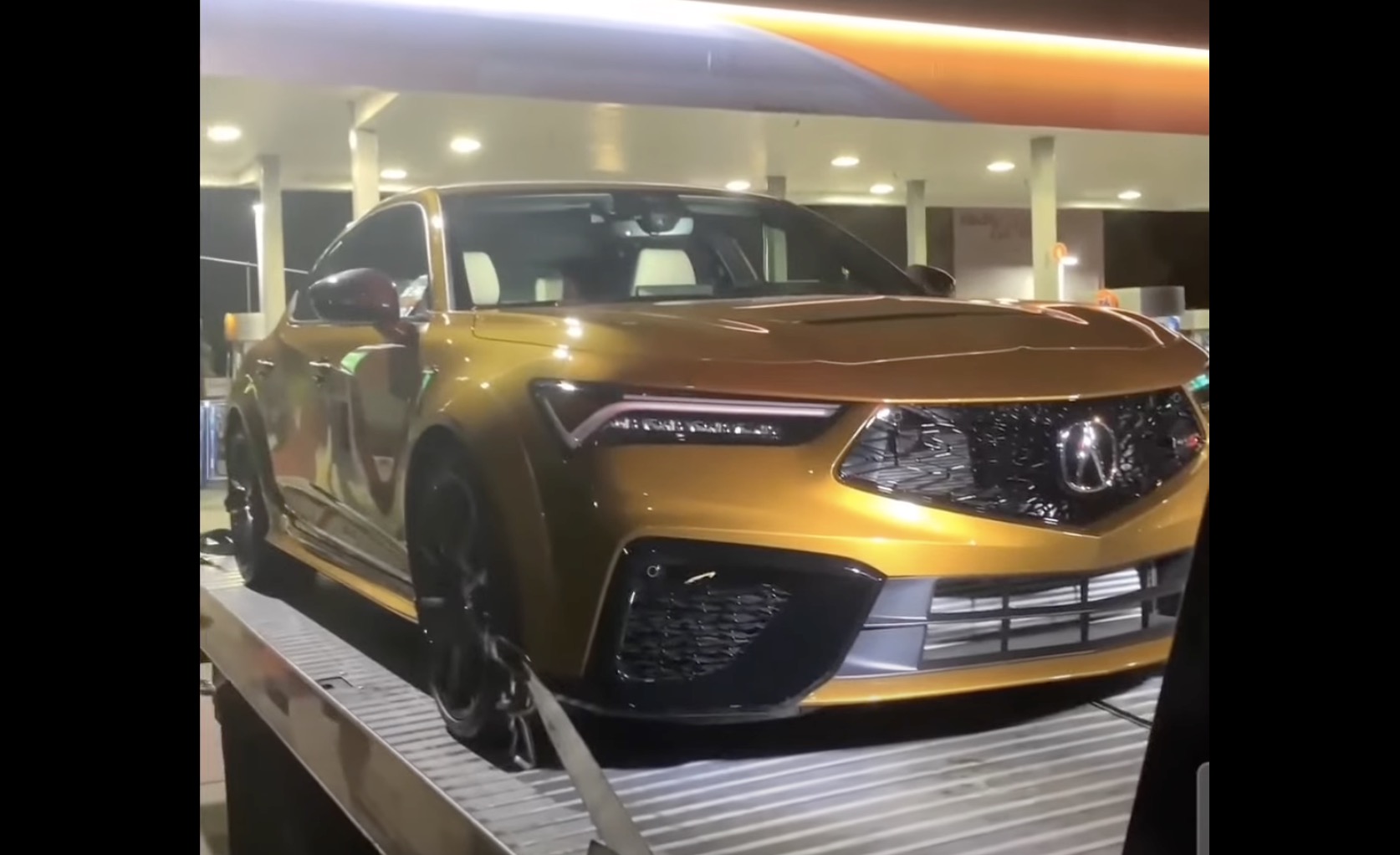
The "hype" surrounding this color stems from its dramatic metamorphic qualities. In low-light conditions or under heavy cloud cover, the paint takes on a deep, moody amber or burnt orange tone. However, under direct sunlight, the high-concentration metallic flakes catch the light, shifting the color toward a vibrant, glowing gold. This "liquid metal" effect is achieved through the specific orientation of the mica particles within the mid-coat, which reflect light at different angles.
For Acura, this color was designed to evoke the high-performance heritage of the brand while distinguishing the Type S line from the standard A-Spec or Advance trims. It is a technical achievement that rivals "frozen" or "individual" paint options from European competitors that often cost three to four times as much as Acura’s $600 surcharge.
Exclusivity and the Type S Identity
A significant portion of the value proposition for Tiger Eye Pearl lies in its exclusivity. Acura has strategically limited this color to its Type S performance variants, including:
- Acura TLX Type S: The debut model for the color.
- Acura MDX Type S: Bringing the performance aesthetic to the three-row SUV segment.
- Acura Integra Type S: Solidifying the color as a staple of the brand's enthusiast-focused revival.
By restricting the color to top-tier performance models, Acura has created a visual shorthand for power and price. When you see a Tiger Eye Pearl vehicle on the road, you immediately know it is the highest-performing version of that model. In the 2026 secondary market, this recognition is a crucial factor for enthusiasts who want their vehicle to stand out in a sea of grayscale "monotone" traffic. This "halo effect" contributes significantly to the hype, as the color itself becomes synonymous with the 355-plus horsepower and SH-AWD (Super Handling All-Wheel Drive) capabilities of the Type S badge.
The Financial Reality: Cost vs. Long-Term Value
Evaluating whether the color is "worth it" requires a look at both the initial outlay and the projected residual value. In 2026, the standard premium for Tiger Eye Pearl remains approximately $600 USD. While this is a small fraction of the overall vehicle price, the true cost can manifest later in the ownership cycle.
Resale Value Considerations
Historically, "loud" or unconventional colors like gold and orange have been viewed as risky for resale. Most buyers tend to gravitate toward silver, black, and white. However, the performance car market often inverts this rule. Specialized colors on performance trims frequently command a rarity premium.
According to historical auction data and enthusiast forum trends, "hero colors" like the legendary Phoenix Yellow on the original Integra Type R or Apex Blue Pearl on later models often retain 5-10% more value than their silver counterparts over a 10-year horizon. For a collector or an enthusiast looking to trade in their vehicle after 36 to 48 months, Tiger Eye Pearl may actually result in a faster sale at a higher price point because it appeals to the specific demographic looking for a "spec" car.
Repair and Maintenance Challenges
The complexity of a tri-coat pearl finish is a double-edged sword. While it looks stunning, it is notoriously difficult to repair. If the vehicle is involved in a minor collision or suffers deep scratches, matching the Tiger Eye Pearl finish is a task that many general-purpose body shops struggle with.
The depth and "flop" (how the color changes when viewed from different angles) depend on the exact thickness of the mid-coat and the spray pattern of the technician. This often leads to higher insurance claim costs or out-of-pocket expenses for blending adjacent panels. Owners who choose this color should consider it a prerequisite to invest in high-quality Paint Protection Film (PPF) on the front fascia and hood to prevent rock chips that would necessitate such difficult repairs.
Comparative Analysis: Tiger Eye Pearl vs. Competitors
To provide context on the "worth" of this paint, it is helpful to compare it against other Acura premium finishes and similar offerings from competitors.
| Feature | Tiger Eye Pearl | Apex Blue Pearl | Liquid Carbon Metallic | Competition (e.g., BMW Individual) |
|---|---|---|---|---|
| Availability | Type S Only | A-Spec / Type S | All Trims | Special Order |
| Premium Cost | $600 | $600 | $600 | $2,000 - $5,000 |
| Visual Character | High-Contrast Gold/Amber | Deep Electric Blue | Sophisticated Dark Grey | Variable |
| Repair Difficulty | High (Tri-coat) | Moderate | Low | Very High |
| Resale Profile | Collector/Enthusiast | High Demand | Broad Appeal | Enthusiast |
| Visibility | Extremely High | High | Low | Variable |
Ownership Practicality: Living with the Color
Beyond the numbers, there is the daily experience of owning a Tiger Eye Pearl Acura. This color is not for the "incognito" driver. It attracts significant attention, both positive and negative.
- Cleanliness Factor: Unlike silver or champagne, which hide road salt and dust effectively, Tiger Eye Pearl requires a high level of cleanliness to maintain its "pop." When dirty, the metallic flakes are obscured, and the paint can look somewhat dull or "flat."
- Lighting Sensitivity: Buyers should view this color in person during both a sunny day and an overcast afternoon. Some critics argue that in "flat" lighting, the color leans too heavily toward a mustard-brown, which can be off-putting. Conversely, in the "golden hour" of sunset, it is arguably one of the most beautiful factory paints on the market.
- Interior Synergy: Acura typically pairs Tiger Eye Pearl with Orchid (near-white) or Ebony interiors. The choice of interior color significantly affects the "worth" of the exterior; an Orchid interior creates a striking, high-contrast luxury look, whereas Ebony keeps the focus entirely on the exterior paint.
Common Pitfalls and Expert Advice
If you are leaning toward purchasing an Acura in Tiger Eye Pearl, avoid these common mistakes:
- Skipping the PPF: As mentioned, the difficulty of matching this paint makes Paint Protection Film a non-negotiable expense. Budgeting an additional $1,500 to $2,500 for a front-end "clear bra" is essential to protecting your investment.
- Neglecting Ceramic Coating: A professional ceramic coating will enhance the depth of the pearl effect and make the car significantly easier to wash. Given the way this color relies on light reflection, keeping the surface free of micro-swirls is paramount.
- Ignoring the Wheel Finish: The Type S wheels (often in a Berlina Black or copper finish) play a huge role in how the paint is perceived. Ensure the wheel and brake caliper color (usually red or black) aligns with your personal taste before committing to the gold exterior.
Is the Hype Justified?
The "hype" is justified if you view your vehicle as more than mere transportation. In an era where many luxury cars are becoming indistinguishable, Tiger Eye Pearl offers a level of character and brand-specific heritage that is rare at the sub-$80,000 price point. It represents a specific era of Acura’s "Precision Crafted Performance" philosophy.
However, if you prefer to blend into traffic, or if you are the type of owner who finds frequent car washes a chore, the color may not be worth the additional stress of maintenance and the higher visibility.
FAQ
Does Tiger Eye Pearl cost more to insure? Generally, no. While the paint itself is more expensive to repair, insurance premiums are typically based on the vehicle's MSRP and safety ratings. However, a total loss settlement might slightly favor the Tiger Eye Pearl if the adjuster recognizes it as a high-demand premium color.
Is Tiger Eye Pearl available on the Acura Integra? Yes, as of 2026, Tiger Eye Pearl is a signature color for the Integra Type S. It is not available on the base Integra or the Integra A-Spec models.
How does Tiger Eye Pearl compare to the old Phoenix Yellow? Phoenix Yellow (famous on the DC2 ITR) is a "flat" or non-metallic bright yellow. Tiger Eye Pearl is much darker, more metallic, and shifts toward orange/brown. They share the same "bold" spirit but look completely different in person.
Can any body shop match Tiger Eye Pearl? Technically, yes, if they have the paint code (YR-666P) and high-quality mixing systems. However, tri-coat application requires a skilled painter to match the density of the pearl mid-coat. It is highly recommended to use an Acura-certified collision center.
Does the color fade faster than others? Modern clear coats are highly UV-resistant. There is no evidence that Tiger Eye Pearl fades faster than other metallic Acura colors, provided it is washed and waxed/coated regularly.
Final Recommendation
If you are purchasing a Type S model as a long-term keeper or a weekend enthusiast car, choose Tiger Eye Pearl. It is the defining color of this generation of Acura performance. The $600 premium is a minor cost for a color that significantly elevates the vehicle's presence and potential future collectibility.
On the other hand, if you are leasing a vehicle for a short term and prefer a more understated professional look, Apex Blue Pearl or Liquid Carbon offers a safer, though less unique, alternative. For the true enthusiast, the "golden hour" glow of a Tiger Eye Pearl TLX or Integra is an experience that no silver or black car can replicate.
Image Gallery