How to Find the Claim Number on an Auto Insurance Card (and Why It Isn't There)
Standard auto insurance cards do not display a claim number because claim numbers are generated only after an incident is reported to an insurance carrier. Your physical or digital insurance card contains static policy information—such...
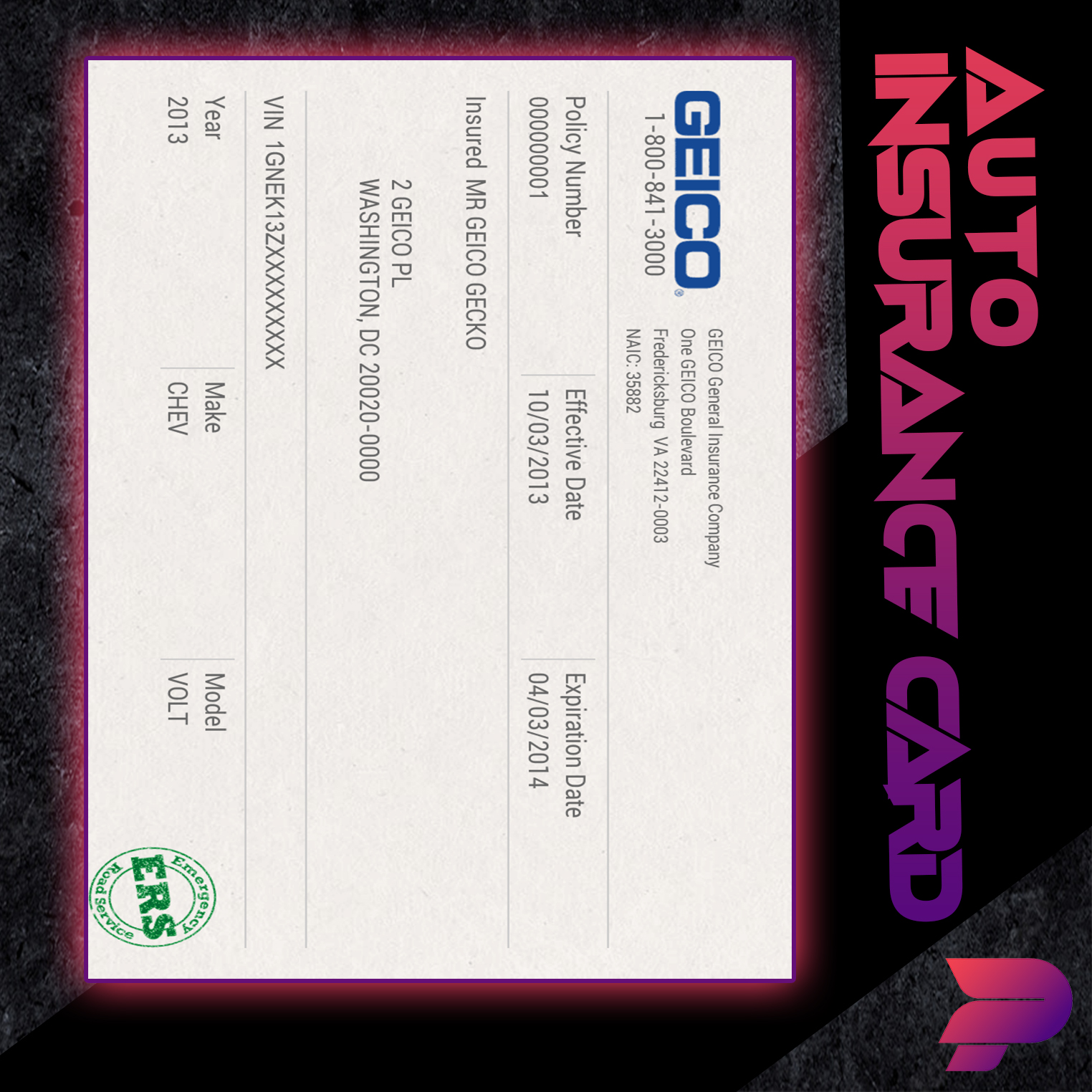
Standard auto insurance cards do not display a claim number because claim numbers are generated only after an incident is reported to an insurance carrier. Your physical or digital insurance card contains static policy information—such as your policy number, Vehicle Identification Number (VIN), and coverage dates—which you must provide to your insurer to file a report and generate a new claim number.
Contents
Why Auto Insurance Cards Do Not Display a Claim Number
A common source of confusion following a motor vehicle collision is the search for a "claim number" on an auto insurance card. Drivers often inspect their proof-of-coverage cards at an accident scene or repair shop expecting to see a dedicated claim reference. However, insurance cards serve a specific administrative purpose that precedes any incident.
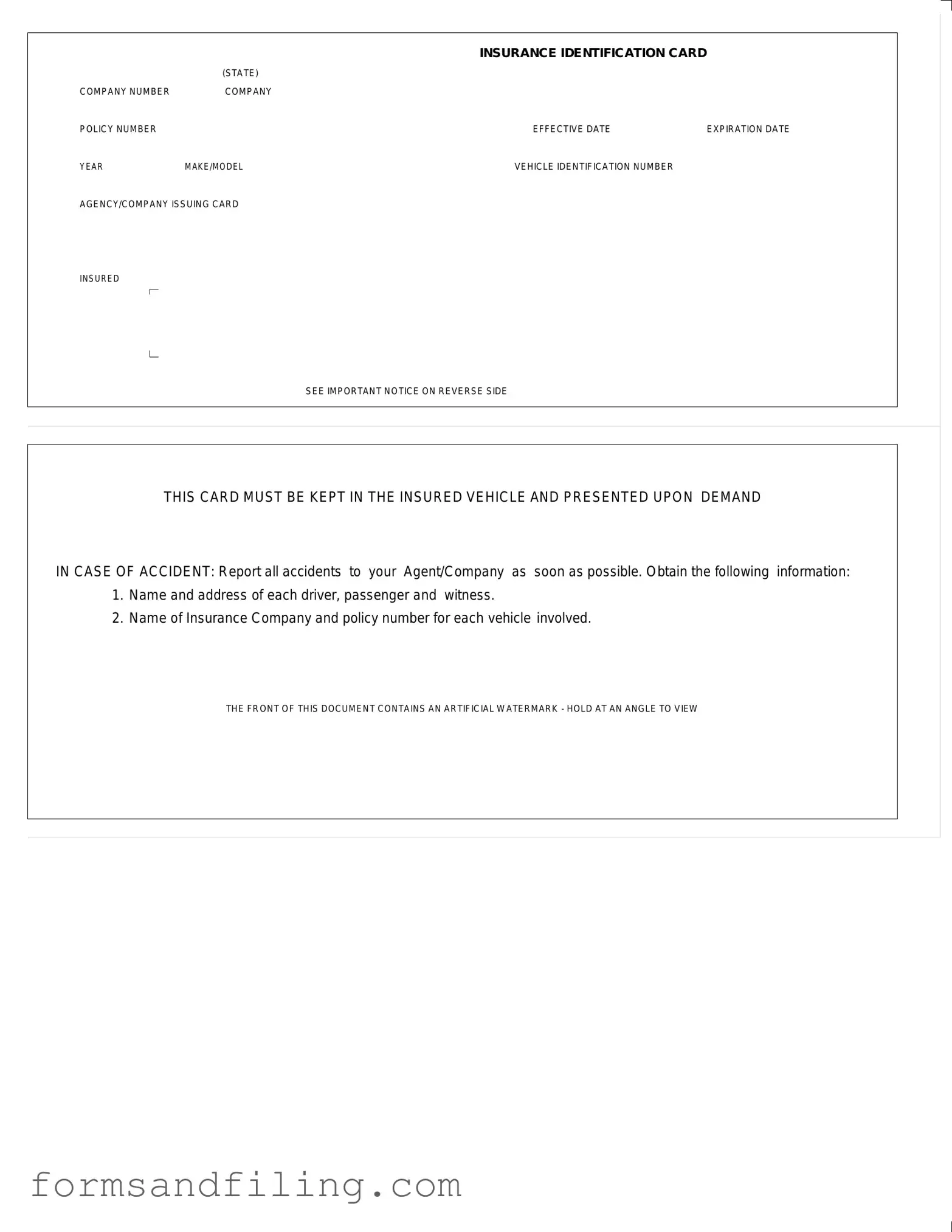
An auto insurance card functions as legal proof of financial responsibility. Issued when a policy is purchased or renewed, it satisfies state driver licensing agencies, law enforcement officers, and Department of Motor Vehicles (DMV) regulations confirming that a vehicle meets minimum liability standards. Because these cards are printed or issued digitally months or years before an accident occurs, it is impossible for them to list an event-specific tracking number.
- Auto Insurance Card (Issued at policy renewal)
- Policy Number: POL-12345678
- Insured Name: Jane Doe
- VIN: 1FA6P8CF0H5123456
- Post-Accident Claim (Generated AFTER reporting loss)
- Incident Date: 10/12/2026
- Claim Number: CLM-98765432
- Assigned Adjuster: Mark Smith
A policy number is a permanent or semi-permanent account identifier assigned to your insurance contract. In contrast, a claim number is a unique, dynamic tracking code assigned to a specific file opened after a loss, accident, theft, or property damage event. A single policy number can have multiple claim numbers associated with it over time if several independent incidents occur during the policy term.
Deciphering the Numbers Printed on Your Auto Insurance Card
To effectively initiate an insurance claim and obtain a claim number, you must understand the data points actually printed on your auto insurance card. Each line of text serves a regulatory or administrative function:
| Card Field | Value / Detail |
|---|---|
| Insurance Company | STATE FARM MUTUAL AUTOMOBILE INSURANCE COMPANY |
| NAIC | 25178 |
| Policy Number | 987 6543-A21-05A |
| Expiration Date (EXP) | 11/15/2026 |
| Insured | JANE DOE |
| Vehicle | 2024 HONDA CIVIC |
| VIN | 1HGFA...1234 |
Policy Number
The policy number is the primary identifier for your account. Insurance representatives use this number to verify active coverage, review your deductible limits, and open a new claim file. It typically appears prominently in bold print near the top or center of the card.
NAIC / Insurer Code
Most official auto insurance cards include a 5-digit number labeled as the "NAIC Code" or "Company Code." Assigned by the National Association of Insurance Commissioners, this number identifies the exact underwriting legal entity providing your coverage. State insurance departments and law enforcement use this code to distinguish between parent insurance corporations and their regional subsidiaries.
Vehicle Identification Number (VIN)
Your vehicle’s 17-character VIN is printed on the card to tie the policy directly to a specific automobile. When filing a claim, the adjuster matches the VIN on the card to the damaged vehicle to confirm that collision or comprehensive coverage applies to that specific car.
Effective and Expiration Dates
These dates establish the precise timeframe during which your coverage is valid. An insurance adjuster will verify that the date of the reported incident falls strictly between the effective date and expiration date listed on the card before issuing a claim number.
Key Identification Numbers Compared
The following table outlines the distinct characteristics and functions of the various codes associated with auto insurance documentation:
| Code / Identifier | Primary Location | Purpose | Generation Timing | Shared With |
|---|---|---|---|---|
| Policy Number | Proof of Insurance Card, Billing Statements | Identifies your master insurance contract and account | Created when policy is purchased | Law enforcement, drivers in an accident, repair shops |
| Claim Number | Claims Portal, Emails, Claims Paperwork | Tracks a specific accident, damage assessment, and payout file | Created after an incident is reported | Body shops, rental agencies, medical providers, third-party adjusters |
| NAIC Code | Proof of Insurance Card (usually 5 digits) | Identifies the specific insurance underwriting company | Assigned by national regulators | DMV, law enforcement, state insurance departments |
| Vehicle Identification Number (VIN) | Insurance Card, Vehicle Dashboard, Title | Uniquely identifies the physical motor vehicle | Assigned by vehicle manufacturer | Insurers, body shops, police, DMV |
How to Obtain Your Official Claim Number
If an incident has already occurred and you need to find the claim number assigned to your case, you must look outside your standard insurance card. Insurance carriers distribute claim numbers immediately following the initial reporting process.
- How to Retrieve an Existing Claim Number
- Mobile App / Portal: Log into your account under "Claims History"
- Email / SMS Notice: Check confirmation message sent at filing
- Call Adjuster: Contact claims team with policy number
1. Check Your Filing Confirmation Email or SMS
When you report an accident online, through a mobile app, or over the phone, the insurance carrier automatically generates a confirmation message. This communication prominently features your newly generated claim number, the name and direct telephone line of your assigned claims adjuster, and initial instructions for damage inspection.
2. Log Into Your Insurance Account Portal or Mobile App
Modern insurance carriers provide real-time claim tracking through their web portals and smartphone applications.
- Log into your account using your credentials.
- Navigate to the Claims or Track a Claim tab.
- Select the active claim corresponding to the date of the incident.
- View the full claim details, where the official claim number will be displayed at the top of the summary screen.
3. Review Correspondence from Your Claims Adjuster
Any written repair estimates, authorization forms, or formal letters sent by your insurer will display the claim number. Adjusters include this reference code in the subject line of emails and on the header of printed repair estimates.
4. Contact the Carrier’s Claims Department Direct
If you cannot locate your claim confirmation details, call your insurer’s dedicated claims telephone line. Provide the representative with:
- Your full legal name
- Your policy number (found on your insurance card)
- The date of the incident
- The VIN or year/make/model of the vehicle involved
The representative will look up your file in their internal database and provide your claim number.
Step-by-Step: Initiating a Claim to Generate a Claim Number
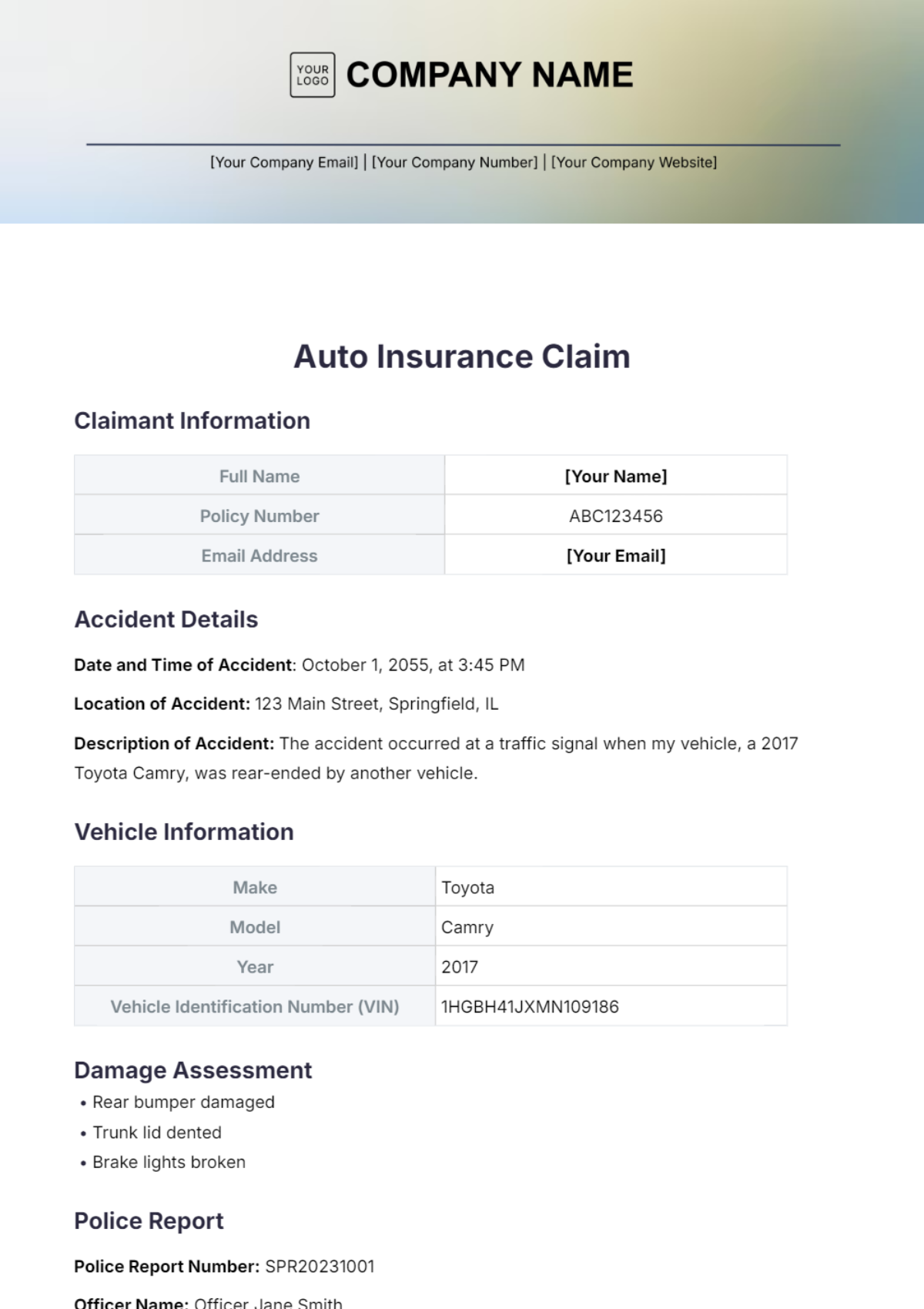
If you have recently been involved in an accident and have not yet reported it, you must initiate the First Notice of Loss (FNOL) process. Using the information on your insurance card, follow these steps to generate your claim number:
- Incident Occurs
- Gather Policy Card & Details (Policy #, VIN, Date/Time)
- Submit First Notice of Loss (Phone, Mobile App, or Web Portal)
- Receive Claim Number (Format: CLM-XXXXX)
- Distribute to Body Shop / Medical / Rental
Step 1: Gather Scene Information and Your Insurance Card
Before calling your insurer, collect all relevant data:
- Your insurance card (for your policy number and vehicle details)
- The other driver’s name, contact information, insurance company, and policy number
- The police report number (if law enforcement attended the scene)
- Photos of vehicle damage, road conditions, and collision location
Step 2: Contact the Carrier’s Claims Department
Reach out to your insurance company via their 24/7 claims hotline, official mobile application, or web portal. You can find the specific claim reporting phone number printed on the back of your insurance card.
Step 3: Provide Incident Details to the Intake Specialist
The claims intake specialist will ask for your policy number to verify active coverage. You will then describe how, when, and where the incident occurred. Once the specialist enters these details into the system, the software automatically generates a unique claim number.
Step 4: Record the Claim Number and Next Steps
Write down the claim number immediately. Ask the representative for:
- The claim number
- The name and contact information of the assigned adjuster
- The dedicated phone extension or direct email for claims follow-up
- Immediate authorization steps for towing, vehicle storage, or rental car reservation
Who Needs Your Claim Number (and Why)
Once a claim number is generated, it becomes the universal reference code for all financial and operational transactions related to the incident. You will need to distribute this number to several third parties:
CLAIM NUMBER
- Auto Repair Shop: Submits estimates
- Rental Agency: Direct billing
- Medical Care: PIP/MedPay billing
- 3rd-Party Insurer: Subrogation/claims
Auto Repair Facilities: Body shops use the claim number to submit initial repair estimates, request supplemental parts authorization from the adjuster, and receive direct payment from the insurer.
Rental Car Agencies: If your policy includes rental reimbursement or if the other party's insurer accepts liability, rental agencies require the claim number to bill the insurance company directly.
Medical Providers: If injuries were sustained, hospitals and doctors require the claim number to submit medical bills under Personal Injury Protection (PIP) or Medical Payments (MedPay) coverages before billing private health insurance.
Third-Party Insurance Adjusters: If another driver was involved, their insurance company will use your claim number to coordinate subrogation (the legal process where insurers settle financial liability between themselves).
Frequently Asked Questions
Is my policy number the same as my claim number?
No. A policy number identifies your ongoing account and coverage contract with the insurance company. A claim number is a temporary tracking number created specifically for one incident, such as a car crash or hail damage. Multiple claims under one policy will each have distinct claim numbers, but they will all share the same policy number.
Where can I find my claim number if I already reported the accident?
Your claim number can be found in the automated confirmation email or text message sent right after you reported the incident. You can also view it by logging into your insurer's mobile app or online customer portal under the "Claims" section, or by calling your claims adjuster directly.
Do police officers need a claim number at an accident scene?
No. Police officers do not require a claim number when completing an official collision report at the scene. They only require your proof of insurance card to record your policy number, insurance company name, and vehicle details. Claims are filed after law enforcement completes their scene investigation.
Can I start an auto insurance claim without my physical insurance card?
Yes. If you lose your physical card, you can retrieve your policy number using your insurer's digital app, accessing a PDF copy of your policy documents online, or calling customer service to verify your identity using your name, date of birth, and driver's license number.
How long does it take an insurance company to generate a claim number?
In most cases, a claim number is generated instantly upon completing the initial incident report. If you report the loss online or through a mobile application, the claim number appears on the final screen immediately. If you file by phone, the customer representative will provide the claim number before concluding the call.
Recommended Next Steps
If you are currently handling an auto insurance matter, take the following direct steps:
- If you have not reported the accident: Do not look for a claim number on your insurance card. Locate your policy number on the card and call the telephone number listed on the back to file a First Notice of Loss.
- If you have already reported the accident: Search your email inbox for your carrier’s claim confirmation message or log into your carrier's smartphone app to access your assigned claim number.
- If you are visiting a repair shop or doctor: Provide them with your official claim number (not just your policy card) along with the contact phone number of your assigned claims adjuster to ensure direct billing.
For regulatory guidelines regarding policy terms, coverage requirements, or claims handling timeframes in your state, consult your state's department of insurance through the National Association of Insurance Commissioners Directory.
Image Gallery