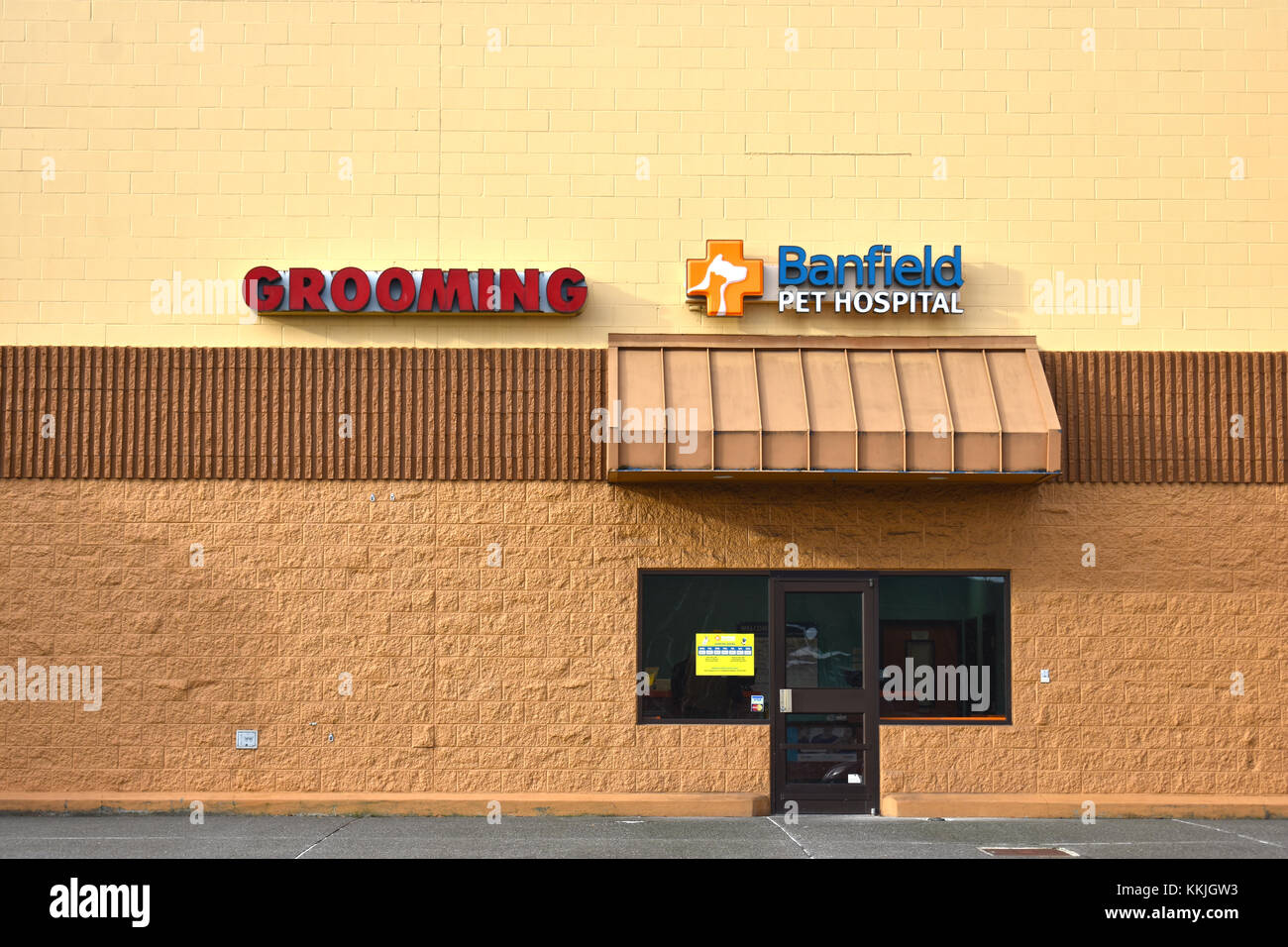
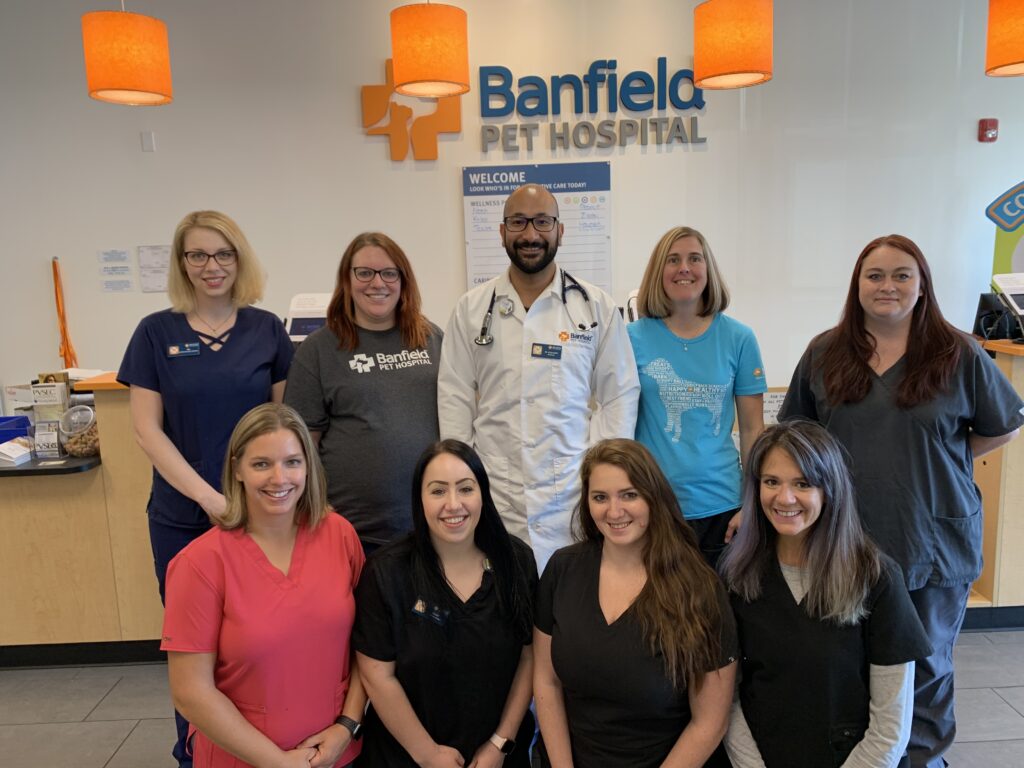
Why the Banfield Pet Hospital Inside PetSmart Matters
The strategic co-location of Banfield Pet Hospital inside PetSmart locations matters because it bridges the historical gap between retail pet care and veterinary medicine, offering pet owners a seamless, one-stop ecosystem for preventi...
The strategic co-location of Banfield Pet Hospital inside PetSmart locations matters because it bridges the historical gap between retail pet care and veterinary medicine, offering pet owners a seamless, one-stop ecosystem for preventive care, routine wellness, and immediate supply access.
Contents
The integration of veterinary clinics within large-scale pet supply retailers represents a profound shift in how routine animal healthcare is delivered, accessed, and managed. When Banfield Pet Hospital placed its first clinics inside PetSmart stores, it fundamentally altered the consumer journey for millions of pet owners. Instead of treating pet care as a series of disconnected chores—visiting a standalone clinic for vaccinations and driving across town to purchase food, crates, and toys—consumers gained the ability to consolidate these tasks into a single trip. Beyond mere convenience, this synergy addresses broader structural challenges in the veterinary industry, such as accessibility, preventative care adherence, and the integration of structured wellness plans into everyday household budgeting. Understanding why this retail-healthcare model matters requires examining the operational mechanics, consumer benefits, financial structures, and the broader impact on modern veterinary medicine.
The Evolution of Retail-Integrated Veterinary Care
Historically, veterinary medicine operated much like traditional human healthcare: standalone clinics, independent practices, and specialized animal hospitals situated in commercial strip malls or dedicated medical zoning areas. While these independent practices built deep community roots, they often presented friction points for modern consumers. Scheduling a routine checkup required navigating separate logistics from purchasing specialized prescription diets, flea and tick preventatives, or everyday pet supplies.
The partnership between Banfield and PetSmart dismantled this friction by introducing the concept of destination pet care. By embedding fully functional veterinary hospitals directly inside retail stores, the model capitalized on foot traffic while offering pet owners unprecedented accessibility. A pet owner could pick up monthly heartworm medication from the pharmacy counter immediately after buying a bag of food, or schedule a microchipping appointment while browsing pet enclosures. This physical integration changed consumer expectations, transforming pet care from an isolated medical chore into an integrated component of lifestyle and retail management.
Furthermore, this model paved the way for corporate-backed veterinary medicine to scale rapidly across North America. By leveraging PetSmart's extensive real estate footprint and national brand visibility, Banfield could establish hundreds of locations without building standalone infrastructure from scratch. This symbiotic relationship ensured a steady stream of prospective clients walking past the clinic doors daily, while PetSmart benefited from increased dwell times and repeat visits from dedicated pet parents.
Preventive Care and the Wellness Plan Model
One of the most consequential aspects of the Banfield-PetSmart integration is its heavy emphasis on preventive healthcare through structured wellness plans, most notably known as Optimum Wellness Plans (OWPs). Traditional veterinary models often operate on a fee-for-service basis, where pet owners seek medical attention primarily reactively—bringing their animal in only when visible signs of illness or injury appear.
Banfield’s model heavily promotes a proactive approach through annual packages that bundle routine services such as:
- Comprehensive physical examinations
- Core vaccinations and boosters
- Diagnostic testing (fecal exams, blood work panels)
- Unlimited office visits or consultations
- Discounts on specialized medical services and parasite control
By structuring veterinary care as a monthly subscription model rather than isolated, out-of-pocket expenses, the clinic addresses a major barrier to entry for pet owners: financial unpredictability. Pet owners can budget veterinary care like a utility bill or insurance premium, which significantly increases the likelihood that they will bring their pets in for early screenings, dental cleanings, and timely vaccinations.
| Care Model | Fee Structure | Primary Focus | Visit Frequency | Financial Predictability |
|---|---|---|---|---|
| Traditional Independent Clinic | Pay-per-service / A La Carte | Reactive treatment & acute care | As needed / illness-driven | Low (unpredictable bills) |
| Retail-Integrated Wellness Plan (Banfield) | Monthly subscription / Bundled | Proactive prevention & wellness | Regular scheduled checkups | High (fixed monthly cost) |
This structural shift toward preventive medicine matters because early detection is the single most effective way to manage chronic conditions in domestic animals, including canine diabetes, feline renal disease, and periodontal infections. When routine exams are already covered under a wellness plan, owners are less likely to delay veterinary visits due to cost concerns.
Operational Synergies and Consumer Convenience
The operational efficiency of locating a veterinary hospital inside a pet supply superstore extends far beyond simple geographic proximity. It creates a closed-loop ecosystem where retail and clinical needs inform one another. If a veterinarian diagnoses a specific dermatological condition during an exam, the pet owner can walk out of the examination room and immediately purchase medicated shampoo, specialized hypoallergenic food, and Elizabethan collars from the adjacent retail aisles.
This immediate fulfillment loop reduces treatment compliance drop-off. In traditional veterinary settings, owners frequently leave a clinic with a prescription or a recommendation, only to forget, delay, or struggle to find the exact product at a third-party retailer. By housing retail and clinical expertise under one roof, the barrier between diagnosis and treatment is minimized.
In addition, extended operating hours and weekend availability common in retail-adjacent settings address the scheduling conflicts faced by working pet owners. Traditional veterinary clinics often operate on standard business hours (Monday through Friday, 9:00 AM to 5:00 PM), making it difficult for full-time workers to schedule routine appointments without taking time off. While Banfield locations inside PetSmart may not always function as 24/7 emergency trauma centers, their extended evening and weekend hours provide vital accessibility for routine care, minor ailments, and urgent consultations.
Economic Impact and Industry Transformation
The success of the Banfield and PetSmart model reshaped the broader veterinary landscape, catalyzing a wave of corporate consolidation and retail-healthcare integration across the pet industry. Competitors quickly took notice of the high retention rates and steady recurring revenue generated by subscription-based wellness models paired with high-traffic retail spaces.
This corporate-backed expansion has brought both benefits and intense debate to the veterinary industry. On one hand, it democratized access to basic preventive veterinary care, standardizing pricing structures and making records easily transferable across a national network of hospitals—a significant advantage for families who relocate frequently. On the other hand, critics and independent veterinary advocates have raised concerns regarding the corporate consolidation of veterinary medicine, arguing that high-volume corporate models can sometimes prioritize metrics, efficiency quotas, and upselling over personalized, long-term doctor-patient relationships.
Despite these industry debates, the consumer demand for integrated, convenient pet care remains high. For the average pet owner navigating tight schedules and rising living costs, the ability to centralize pet wellness, nutrition, and supplies into a single destination provides a practical solution to modern time and financial constraints.
Frequently Asked Questions
Are Banfield Pet Hospitals inside PetSmart fully equipped for emergencies?
Most Banfield locations inside PetSmart are designed primarily for preventive care, routine wellness, diagnostic testing, soft-tissue surgeries, and minor treatments. They typically do not function as 24-hour critical care or emergency trauma facilities. For severe accidents, overnight monitoring, or complex emergency surgeries, pet owners are usually referred to specialized 24/7 emergency veterinary hospitals.
How do Banfield's Optimum Wellness Plans work?
Optimum Wellness Plans are annual preventive care packages broken down into monthly payments. They cover routine services such as physical exams, vaccinations, fecal tests, and diagnostic screenings. They are not pet insurance; they do not cover unexpected accidents, illnesses, or emergency surgeries, though they often provide discounts on those services.
Can I use any veterinarian at a Banfield location, or is it assigned?
Clients generally have the flexibility to schedule appointments with any available veterinarian at their chosen hospital location. However, pet owners seeking continuity of care for chronic conditions often request the same primary veterinarian for follow-up visits, subject to that doctor’s scheduling availability.
Do Banfield hospitals inside PetSmart accept walk-ins?
While Banfield locations do accommodate urgent needs when schedule capacity allows, appointments are strongly recommended. Because these clinics operate on tightly managed schedules to accommodate wellness exams, surgeries, and drop-off appointments, walk-in availability can vary significantly depending on daily staffing and patient volume.
Are prescription medications available on-site immediately after an exam?
Yes. Most Banfield locations maintain an on-site pharmacy stocked with common preventive medications, parasiticides, antibiotics, and anti-inflammatory drugs prescribed during exams. If a specialized medication is required that the clinic does not stock on-site, veterinarians can write a prescription for the adjacent PetSmart retail pharmacy or an external compounding pharmacy.
Conclusion and Next Steps
The integration of Banfield Pet Hospital inside PetSmart matters because it successfully re-engineered the consumer experience of pet ownership, merging retail convenience with structured, preventative veterinary medicine. For pet owners seeking to streamline their routine care, manage costs through predictable wellness plans, and access immediate supplies, this model offers unmatched practical utility. Before committing to a wellness plan or scheduling an initial visit, review your pet's specific life stage, pre-existing health conditions, and local clinic availability to ensure the service level aligns with your animal's unique medical requirements.
Image Gallery