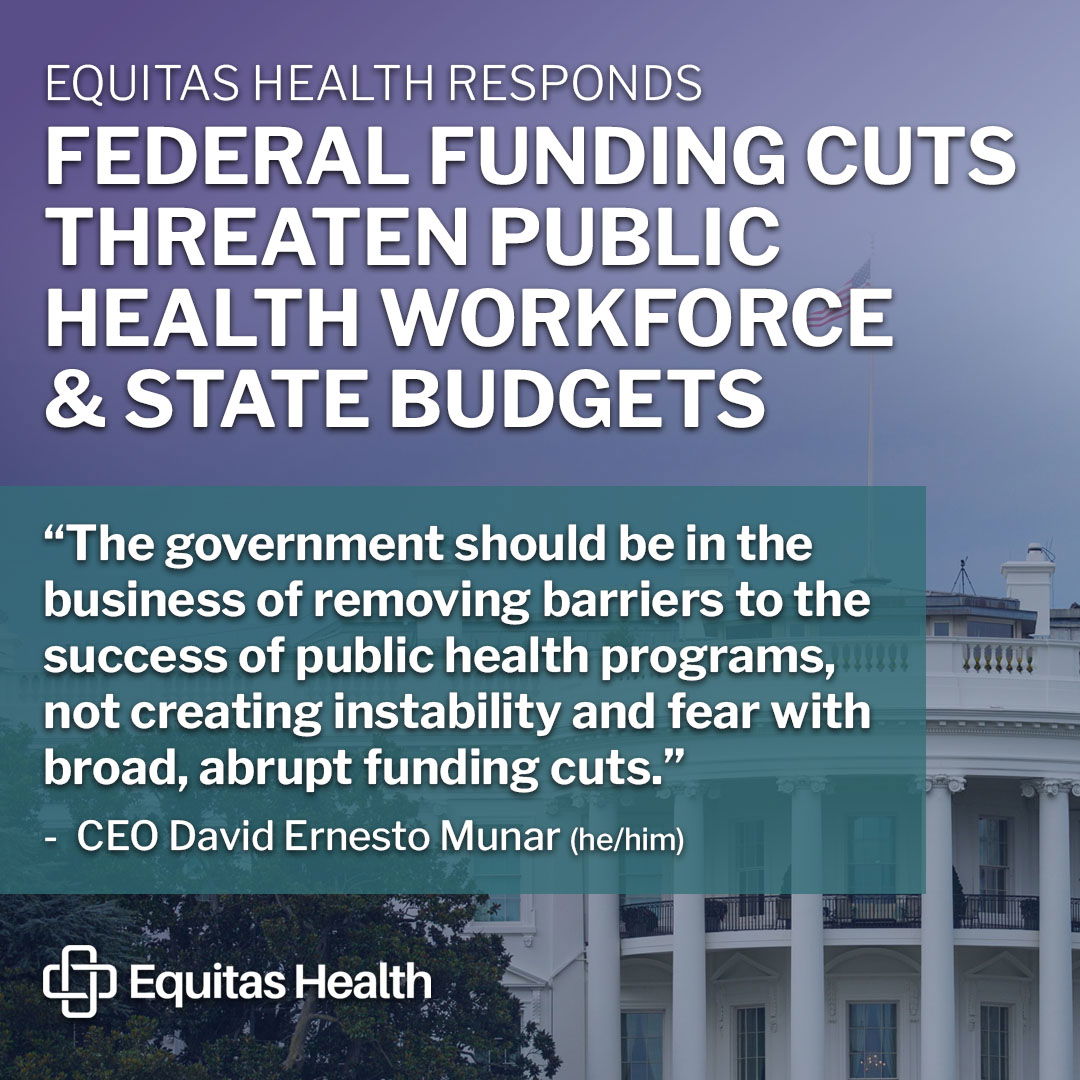
Public Policy Healthcare Legislative Frameworks and Funding Trends
Healthcare public policy is governed by statutory frameworks that establish regulatory oversight, entitlement program structures, and funding allocation mechanisms across federal and state governments. Key funding trends focus on shift...
Healthcare public policy is governed by statutory frameworks that establish regulatory oversight, entitlement program structures, and funding allocation mechanisms across federal and state governments. Key funding trends focus on shifting from volume-based fee-for-service models to value-based care, leveraging Medicaid Section 1115 demonstration waivers, extending federal health subsidies, and integrating prescription drug cost-containment measures.
Contents
Disclaimer: This analysis is provided for educational and informational purposes only and does not constitute legal, financial, or formal healthcare regulatory compliance advice. Organizations should consult legal counsel and qualified healthcare financial advisors regarding specific statutory compliance and funding mechanics.
Foundational Legislative Frameworks in Healthcare Policy
The structure of public healthcare delivery is built upon a layered system of federal statutes and administrative regulations. These laws define eligibility standards, benefit mandates, financing mechanisms, and enforcement authority across the healthcare ecosystem. Understanding how these statutory pillars interact is essential for analyzing modern policy shifts and strategic revenue planning.
The Social Security Act of 1965 (Titles XVIII, XIX, and XXI)
The foundation of public healthcare financing rests on the Social Security Act of 1965. Title XVIII established Medicare, a federal entitlement program providing health insurance to individuals aged 65 and older, as well as certain younger individuals with permanent disabilities or End-Stage Renal Disease (ESRD). Medicare operates primarily under four distinct parts:
- Part A: Hospital Insurance covering inpatient acute care, skilled nursing facility services, and hospice.
- Part B: Medical Insurance covering outpatient services, physician fees, preventive care, and durable medical equipment.
- Part C (Medicare Advantage): A private health plan alternative that bundle Parts A and B, often including Part D, reimbursed by Medicare through risk-adjusted capitation payments.
- Part D: Voluntary prescription drug benefit delivered through private plans.
Title XIX established Medicaid, a joint federal-state entitlement program that provides health coverage to low-income individuals, families, pregnant women, the elderly, and people with disabilities. Unlike Medicare, which is fully federalized in standard administration and policy rules, Medicaid relies on state-administered programs operating within broad federal parameters set by the Centers for Medicare & Medicaid Services (CMS).
Title XXI created the Children’s Health Insurance Program (CHIP), offering enhanced federal matching funds to states to cover uninsured children in families with incomes too high to qualify for traditional Medicaid.
The Employee Retirement Income Security Act of 1974 (ERISA)
ERISA sets minimum standards for voluntarily established self-insured and fully insured group health plans in the private sector. A critical feature of ERISA is its statutory preemption clause (Section 514), which exempts self-insured employee benefit plans from state-level insurance mandates and premium taxes. This federal preemption creates a dual regulatory structure where states regulate traditional commercial health insurance contracts, while the federal government retains jurisdiction over self-funded employer plans via the Department of Labor.
The Health Insurance Portability and Accountability Act of 1996 (HIPAA)
HIPAA established federal standards to protect sensitive patient health information through the Privacy and Security Rules. Beyond data privacy, HIPAA addressed health coverage portability by restricting pre-existing condition exclusions in group plans prior to subsequent reforms, establishing national standards for electronic health transactions, and creating strict civil and criminal penalties for healthcare fraud and abuse.
The Patient Protection and Affordable Care Act (ACA) of 2010
The ACA restructured private insurance markets and expanded public coverage frameworks through several core mechanics:
- Market Reforms: Mandated guaranteed issue, community rating, the prohibition of pre-existing condition exclusions, and required coverage of Essential Health Benefits (EHBs).
- Medicaid Expansion: Allowed states to expand Medicaid coverage to adults with incomes up to 138% of the federal poverty level (FPL), supported by an enhanced federal matching rate.
- Health Insurance Exchanges: Created state and federal marketplaces paired with Premium Tax Credits (PTC) and Cost-Sharing Reductions (CSR) to lower individual coverage costs.
- Innovation Center Creation: Established the Center for Medicare and Medicaid Innovation (CMMI) within CMS to test alternative payment and service delivery models designed to reduce program expenditures while preserving or enhancing quality of care.
The Inflation Reduction Act (IRA) of 2022
The IRA introduced major statutory changes to healthcare financing within Medicare. Key policy provisions include empowering the Secretary of Health and Human Services (HHS) to directly negotiate prices for selected high-expenditure, single-source Medicare Part B and Part D drugs. The law also capped annual out-of-pocket prescription drug costs for Medicare Part D beneficiaries at $2,000, implemented inflation rebate penalties for pharmaceutical manufacturers raising prices faster than inflation, and extended expanded ACA premium subsidies.
Federal vs. State Regulatory Jurisdiction and Intergovernmental Relations
Healthcare public policy requires ongoing balance between federal statutory authority and state police powers over public health and professional licensure.
- Federal Statutory & Financial Framework (CMS, ERISA, IRA, Tax Incentives)
- Federal Mandates & Direct Programs
- Medicare (Parts A, B, C, D)
- ERISA Preemption (Self-Funded Plans)
- Federal Marketplace Rules & EHBs
- Flexible / State-Driven Mechanisms (Intergovernmental Matching)
- Medicaid (State Plan & FMAP)
- Section 1115 Demonstration
- Section 1332 State Innovation
- Federal Mandates & Direct Programs
Federal Preemption and ERISA Scope
Under ERISA’s deemer clause, self-insured employer plans cannot be deemed as insurance companies by state regulators. Consequently, state efforts to enact single-payer systems, comprehensive price transparency requirements, or state-specific benefit mandates often face judicial challenges regarding ERISA preemption. States retain statutory authority to regulate fully insured plans and traditional health insurance issuers within their borders.
Medicaid State Plan Amendments (SPAs) and Section 1115 Waivers
Medicaid operates as a federal-state partnership governed by a state plan—an agreement between a state and the federal government describing how the state administers its program. States seeking to modify eligibility standards, payment methodologies, or benefit packages must submit a State Plan Amendment (SPA) to CMS for approval.
To test broader policy innovations that deviate from statutory Medicaid requirements, states apply for Section 1115 Demonstration Waivers. These waivers allow states to implement pilot projects that further the objectives of the Medicaid statute. Key policy initiatives approved under Section 1115 waivers include:
- Integrating social determinants of health (SDOH), such as housing and nutritional support, into managed care frameworks.
- Reforming behavioral health service delivery systems and expanding substance use disorder (SUD) treatment capacity.
- Implementing continuous eligibility requirements to prevent administrative churn.
Section 1332 State Innovation Waivers
Section 1332 of the ACA permits states to waive specific provisions of the ACA, such as individual market rules or marketplace structure, to pursue alternative coverage strategies. To gain approval, a state’s waiver proposal must satisfy four statutory guardrails:
- Coverage Scope: Provide coverage to a number of residents at least comparable to the ACA without a waiver.
- Affordability: Offer health coverage and cost-sharing protection that is at least as affordable as under the ACA.
- Comprehensiveness: Provide coverage that is at least as comprehensive as Essential Health Benefits.
- Deficit Neutrality: Refrain from increasing the federal deficit.
States commonly utilize Section 1332 waivers to establish state-based reinsurance programs, which lower premiums for individual market enrollees and stabilize local insurance risk pools.
Healthcare Funding Mechanisms and Budgetary Structures
Healthcare spending represents a substantial component of federal and state budgets. Funding flows through complex structures categorized by legislative authority, dynamic matching formulas, and risk-adjusted capitation arrangements.
Mandatory vs. Discretionary Spending
Federal funding for healthcare is divided into two spending categories:
- Federal Healthcare Expenditures
- Mandatory Spending
- Permanent Entitlement Statutes
- Open-Ended Financing (Medicaid)
- Dynamic Budget Demographics
- Examples: Medicare, Medicaid, CHIP
- Discretionary Spending
- Annual Congressional Appropriations
- Fixed Funding Caps
- Policy & Regulatory Operations
- Examples: NIH, CDC, HRSA, FDA
- Mandatory Spending
- Mandatory Spending: Authorized by permanent statutes, funding automatically flows based on eligibility parameters without requiring annual congressional appropriations. Medicare, Medicaid, and CHIP constitute the vast majority of mandatory healthcare outlays.
- Discretionary Spending: Subject to the annual congressional budget and appropriations process. Programs funded through discretionary outlays include the National Institutes of Health (NIH), the Centers for Disease Control and Prevention (CDC), the Health Resources and Services Administration (HRSA), and operational funding for the Food and Drug Administration (FDA).
Federal Medical Assistance Percentage (FMAP)
Medicaid financing operates through an open-ended federal matching arrangement. The Federal Medical Assistance Percentage (FMAP) determines the share of state Medicaid expenditures reimbursed by the federal government.
The baseline FMAP is calculated annually using a statutory formula based on a state's per capita income relative to the national average, subject to a statutory minimum of 50% and a maximum of 83%. For states expanding Medicaid under the ACA, the federal government provides an Enhanced FMAP (eFMAP) of 90% for the expansion population. Special temporary FMAP increases are also enacted by Congress during economic downturns or public health emergencies to support state financial stability.
Disproportionate Share Hospital (DSH) Payments
Hospitals serving a significantly high volume of low-income, uninsured, and Medicaid patients receive supplemental payments through the Disproportionate Share Hospital (DSH) program. Federal law allocates annual allotments to state Medicaid programs to help offset safety-net providers' uncompensated care burdens. The ACA included provisions to reduce federal DSH allotments over time, under the premise that expanded health coverage would lower uncompensated care costs. However, legislative amendments frequently delay these statutory cuts to protect safety-net hospital finances.
Medicare Advantage Risk Adjustment and Capitation
Under Medicare Part C, private plans receive monthly capitated payments from CMS for each enrolled beneficiary. To prevent adverse selection and ensure equitable payment, CMS uses the Hierarchical Condition Category (HCC) risk adjustment model. The HCC model predicts expected healthcare expenditures based on demographic factors and documented clinical diagnoses. Plans managing patients with severe chronic conditions receive higher risk-adjusted capitation rates, incentivizing comprehensive health risk assessments and accurate coding practices.
Strategic Trends Shaping Healthcare Policy and Funding
Public funding structures are evolving to address long-term systemic challenges, including rising overall costs, health disparities, demographic shifts, and regional provider insolvency.
- Core Policy Drivers & Funding Trends
- Value-Based Care (APMs)
- Shared Savings
- Bundled Pay
- Risk Sharing (ACO REACH)
- Drug Pricing & Cost Controls
- IRA Inflation Rebates
- Direct Price Negotiation
- Behavioral & Rural Alignment
- Parity Rules
- REH Program
- Telehealth Flexibility
- Value-Based Care (APMs)
Shift to Value-Based Care and Alternative Payment Models (APMs)
Federal healthcare policy prioritizes a transition from volume-driven fee-for-service payment systems to value-based reimbursement frameworks that incentivize care coordination, health outcomes, and cost containment. Managed primarily through the CMMI and Medicare Quality Payment Program (QPP) provisions under MACRA, key models include:
- Accountable Care Organizations (ACOs): Groups of doctors, hospitals, and healthcare providers who collaborate voluntarily to give coordinated care to Medicare beneficiaries. Models like the ACO REACH (Realizing Equity, Access, and Community Health) emphasize health equity, risk-sharing, and primary care capitation.
- Bundled Payments: Initiatives paying providers a single, comprehensive fee for an entire episode of care (e.g., knee replacement), holding participating entities financially accountable for quality and expenditures across the treatment cycle.
- State Value-Based Initiatives: State Medicaid programs increasingly mandate that managed care organizations (MCOs) direct a specific percentage of medical expenditures into value-based arrangements with network providers.
Drug Pricing Regulations and Spending Controls
Prescription drug cost containment remains a prominent legislative focus. Policy mechanisms established under recent statutory enactments include:
- Direct Negotiation: Statutory authorization for Medicare to establish maximum fair prices for high-expenditure drugs, reducing outlays for both the federal program and beneficiaries.
- Inflation Rebates: Statutory mandates requiring drug manufacturers to pay rebates to the federal government if drug prices in Medicare Part B or Part D increase faster than the Consumer Price Index for All Urban Consumers (CPI-U).
- Part D Benefit Redesign: Restructuring the Part D financial framework to place greater liability on plan sponsors and manufacturers during the catastrophic coverage phase, shifting financial risk away from Medicare and individual beneficiaries.
Behavioral Health Parity Integration and Enforcement
Legislative frameworks mandate that financial requirements (such as copayments and deductibles) and quantitative or non-quantitative treatment limitations (NQTLs) applied to mental health and substance use disorder benefits can be no more restrictive than those applied to medical and surgical benefits.
Recent federal guidance and policy updates focus on enforcing compliance with the Mental Health Parity and Addiction Equity Act (MHPAEA). Regulators require detailed data analyses from group health plans and insurance carriers demonstrating that operational practices—such as prior authorization, provider network admission standards, and reimbursement methodologies—do not systematically restrict access to behavioral health services.
Rural Health System Stabilization Initiatives
Rural hospitals face ongoing financial vulnerabilities, workforce shortages, and declining inpatient volumes. Federal policy has responded with targeted structural and financial initiatives:
- Rural Emergency Hospital (REH) Designation: Created under the Consolidated Appropriations Act of 2021, the REH Medicare provider designation allows critical access hospitals and small rural facilities to convert to outpatient-only facilities. In exchange for converting and ending inpatient beds, REHs receive an enhanced Medicare outpatient prospective payment rate plus a dedicated monthly facility fee payment.
- Telehealth Flexibilities: Extension of regulatory waivers granting permanent expansion of originating sites and originating geographic rules for mental health services, expanding remote access for rural communities.
Comparative Analysis of Public Healthcare Frameworks
The following table compares the legal structures, funding sources, and governing mechanisms of key public healthcare framework components:
| Policy Framework / Program | Primary Funding Source | Statutory Authority | Primary Governing Agency | Operational Payment Mechanism | Key Strategic Focus |
|---|---|---|---|---|---|
| Medicare Part A & B (Original) | Federal Payroll Taxes (Part A) & General Revenues / Premiums (Part B) | Title XVIII, Social Security Act | Centers for Medicare & Medicaid Services (CMS) | Fee-for-Service / Prospective Payment Systems (IPPS, OPPS) | Acute hospital and outpatient medical coverage for seniors and disabled. |
| Medicare Advantage (Part C) | Dedicated Federal Trust Funds (Parts A & B transfers) | Title XVIII, Social Security Act | CMS / Private Medicare Advantage Organizations | Risk-adjusted monthly capitation payments based on beneficiary HCC score | Managed care delivery, expanded benefit packages, and cost containment. |
| Traditional & Expanded Medicaid | Joint Federal-State Matching (FMAP / Enhanced FMAP) | Title XIX, Social Security Act | Federal CMS & State Medicaid Agencies | State-managed capitation to MCOs or Direct Fee-for-Service | Safety-net coverage for low-income populations and social determinants of health. |
| Section 1115 Demonstration Waivers | Reallocated Federal-State Medicaid Matching Funds | Section 1115, Social Security Act | CMS Approval & State Medicaid Agencies | Custom budget-neutral funding mechanisms and target grants | Program experimentation, SDOH integration, and system transformation. |
| Section 1332 State Innovation Waivers | Pass-Through Federal Subsidies (PTC/CSR savings) | Section 1332, Patient Protection and Affordable Care Act | CMS & Center for Consumer Information and Insurance Oversight (CCIIO) | Federal pass-through grants to state reinsurance or exchange funds | Individual market stabilization, lowering premiums, and state plan design. |
| Commercial Employer Group Plans | Employer/Employee Premiums & Corporate Assets | Employee Retirement Income Security Act (ERISA) of 1974 | U.S. Department of Labor (EBSA) & State Insurance Commissioners | Commercial fee-for-service, PPO, HMO, and self-funded TPA arrangements | Employer-sponsored protection, uniform plan administration across state lines. |
Operational Impacts on Healthcare Providers and Payers
Changing legislative architecture directly alters organizational strategy, compliance obligations, and financial management across the healthcare sector.
- Legislative & Policy Transformations
- Administrative Compliance
- NQTL Parity Documentation
- Interoperability Rules
- Dual Federal/State Audits
- Revenue Cycle Transformation
- Risk-Adjusted Analytics
- Value-Based Attribution
- Dual Coverage Billings
- Provider-Payer Market Align.
- Vertical Integration
- Managed Care Strategy
- ACO Network Expansion
- Administrative Compliance
Administrative Compliance and Reporting Requirements
Healthcare entities face increasingly granular reporting requirements driven by federal regulations. To maintain compliance, entities must adapt to several primary reporting pipelines:
- Interoperability and Data Access Rules: Regulators mandate standard Application Programming Interfaces (APIs) across health plans and hospitals, requiring secure patient access to data and automated payer-to-payer data exchanges.
- Behavioral Health Parity Documentation: Health plans must maintain comprehensive, data-backed NQTL comparative analyses demonstrating that authorization protocols and network standards for mental health services comply with statutory parity standards.
- Price Transparency Mandates: Hospitals and commercial health plans must publish machine-readable files detailing negotiated in-network rates, out-of-network allowed amounts, and shoppable service pricing.
Revenue Cycle and Financial Management Shift
The transition from pure fee-for-service to hybrid payment structures forces financial managers to redesign historical revenue cycle operations. Providers participating in risk-bearing APMs must deploy sophisticated predictive analytics to monitor patient attribution, track quality metrics under Medicare’s Merit-based Incentive Payment System (MIPS), and manage total-cost-of-care risk.
Simultaneously, state Medicaid managed care shifts demand robust contract management systems. Hospitals operating under tight margin constraints must manage billing under dynamic state FMAP shifts and prospective payment system updates.
Strategic Provider-Payer Alignment
Changes in public healthcare funding drive structural realignment across health systems and private plan carriers:
- Vertical Integration: Health plans increasingly acquire primary care medical groups, ambulatory surgical centers, and home health providers to control utilization, streamline clinical workflows, and optimize risk-adjusted revenue.
- Safety-Net Hospital Stabilization: Rural and urban safety-net providers align with academic medical systems or adopt alternative provider statuses, such as the Rural Emergency Hospital designation, to prevent emergency department closures and preserve financial solvency.
Frequently Asked Questions
What is the primary difference between Medicare and Medicaid financing?
Medicare is a fully federal entitlement program funded through payroll taxes, general federal revenues, and beneficiary premiums. Its policy rules and payment schedules are standardized nationally by CMS. Medicaid is a joint federal-state program administered by individual states within broad federal guidelines. Financing is shared between state governments and the federal government using a variable matching formula known as the Federal Medical Assistance Percentage (FMAP).
How does ERISA preemption limit state-level healthcare reforms?
ERISA preempts state laws that relate to employee benefit plans established by private employers. Because self-insured employer health plans are exempt from state insurance regulation under ERISA's "deemer clause," states cannot subject self-funded employer plans to state benefit mandates, premium taxes, or single-payer health reforms. This creates a regulatory divide between state-regulated commercial policies and federally protected self-insured plans.
What are Section 1115 demonstration waivers, and why are states using them?
Section 1115 waivers allow states to test experimental interventions within their Medicaid programs without violating statutory requirements. States use these waivers to pilot programs that address housing instability, nutritional needs, continuous eligibility, and substance abuse treatment. The projects must remain budget-neutral to the federal government.
How do Medicare Advantage risk adjustment rules affect plan reimbursement?
CMS reimburses Medicare Advantage plans using capitated rates adjusted by the Hierarchical Condition Category (HCC) risk score model. If a beneficiary has documented chronic health conditions, their risk score increases, yielding a higher capitation payment to the plan to offset anticipated healthcare expenses. Accurate clinical documentation and compliance auditing are critical to managing risk-adjusted payments under this system.
What is the role of the Center for Medicare and Medicaid Innovation (CMMI)?
Created by the Affordable Care Act, CMMI tests alternative payment and service delivery models to lower spending in Medicare, Medicaid, and CHIP while maintaining or improving quality of care. If a tested model demonstrates cost reduction without sacrificing clinical quality (or improves quality without increasing expenditures), the Secretary of Health and Human Services has statutory authority to expand the model's scope nationally without requiring separate congressional authorization.
Practical Next Actions for Healthcare Leaders
To maintain operational compliance, optimize financial strategy, and align with evolving healthcare policy trends, organizational leaders should take the following strategic actions:
- Conduct Dynamic Financial and Revenue Cycle Audits: Evaluate revenue exposure across key public reimbursement streams, specifically auditing risk-adjustment coding, value-based contract shared-savings performance, and compliance with price transparency mandates.
- Standardize Behavioral Health Parity Documentation: Ensure commercial health plan operations and self-funded benefit plan designs maintain updated, compliant NQTL comparative analyses that meet current federal enforcement standards.
- Optimize Interoperability Infrastructure: Upgrade organizational IT architecture to support regulatory API standards for patient access, prior authorization automation, and seamless payer-to-payer data transfer.
- Evaluate Alternative Delivery Statuses for Vulnerable Facilities: Rural and safety-net hospital leadership should model financial outcomes under emerging legislative mechanisms, such as the Rural Emergency Hospital designation or state-specific Section 1115 waiver funding pools.
- Establish Continuous Regulatory Tracking: Monitor ongoing legislative and regulatory developments—including Medicare drug price implementation updates, FMAP percentage adjustments, and state Section 1332 waiver filings—to adjust institutional strategic plans proactively.
Image Gallery