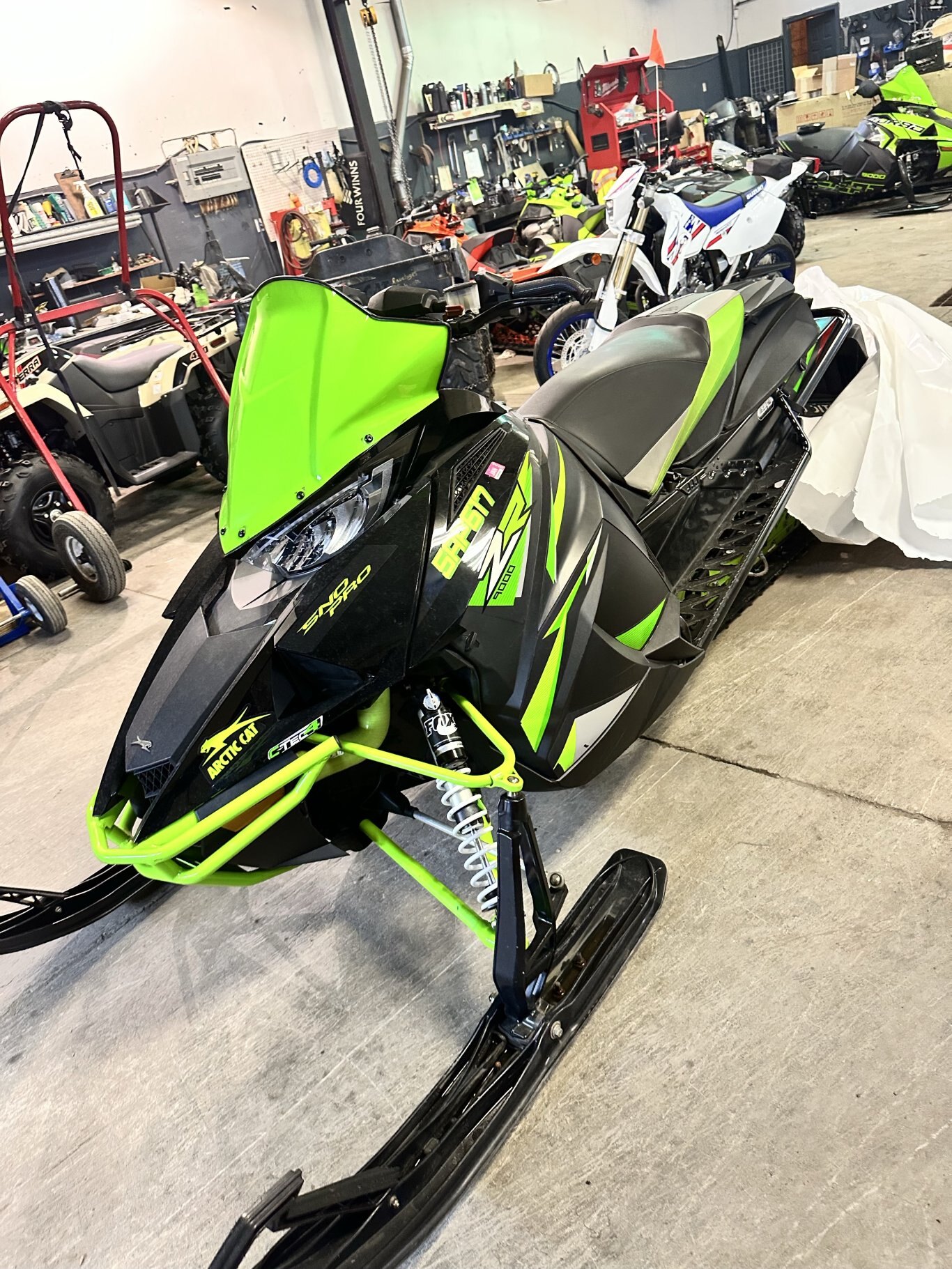
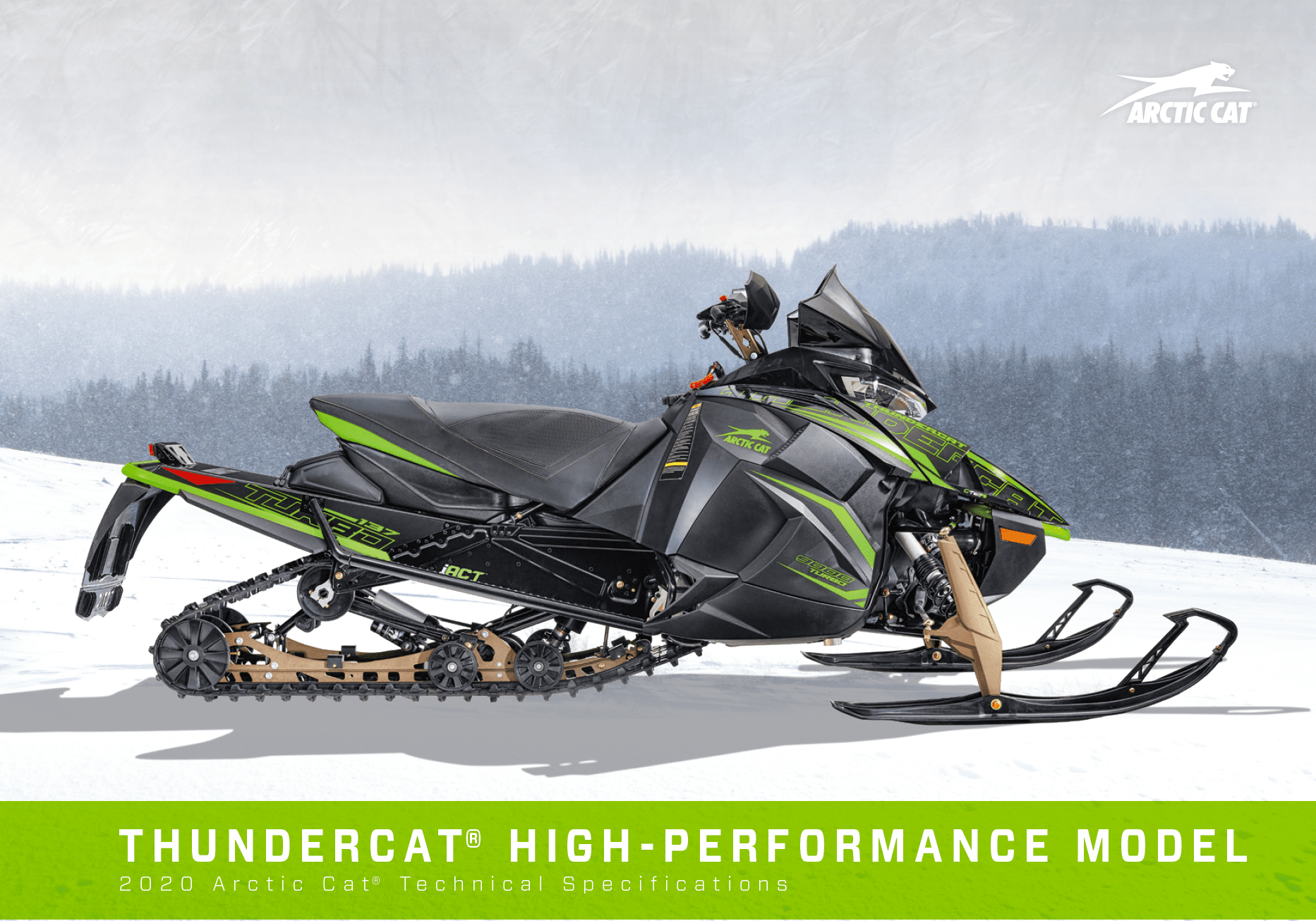
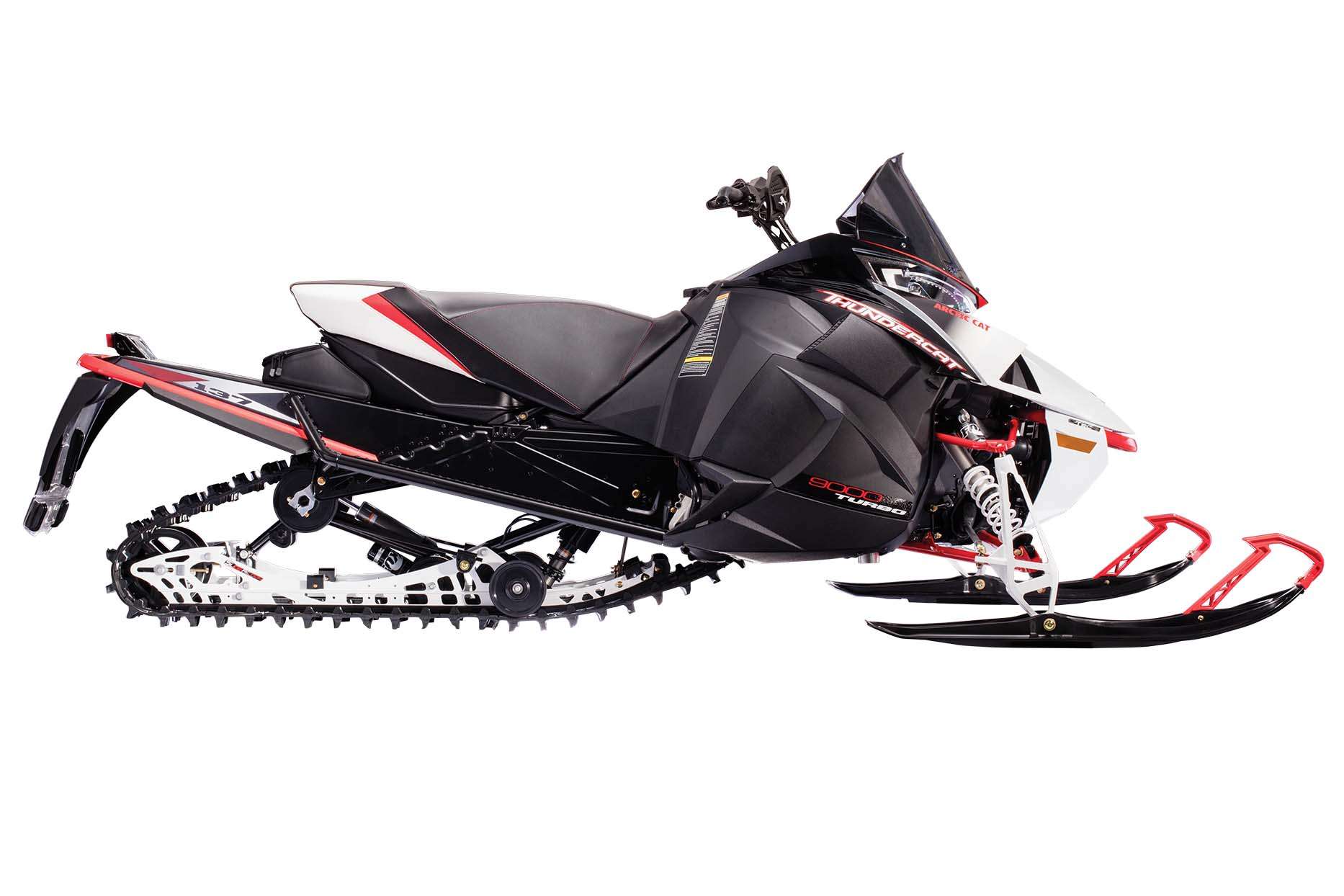
Arctic Cat ZR 9000 Thundercat Top Speed: Stock Limits and Performance Upgrades
The factory stock Arctic Cat ZR 9000 Thundercat achieves a realistic, radar-verified top speed of 105 to 112 mph on hard-packed snow, and up to 115 to 118 mph on clear ice under ideal conditions. While the digital speedometer may displ...
The factory stock Arctic Cat ZR 9000 Thundercat achieves a realistic, radar-verified top speed of 105 to 112 mph on hard-packed snow, and up to 115 to 118 mph on clear ice under ideal conditions. While the digital speedometer may display numbers between 118 and 125 mph due to track slippage, aftermarket ECU flashes, taller gearing, and clutch tuning regularly push modified Thundercats past 125 to 135+ mph.
Contents
Stock Top Speed Breakdown: Radar vs. Speedometer Readouts
When evaluating the maximum speed of the Arctic Cat ZR 9000 Thundercat, it is critical to distinguish between speed displayed on the digital dash instrument and actual ground speed recorded by GPS or radar. Snowmobile speedometers—often called "dream meters" in powersports circles—measure drive shaft rotation rather than direct ground movement. Under full throttle, track spin on snow or semi-hardpack introduces a 5% to 10% discrepancy between dash readouts and real-world velocity.
On a standard groomed trail or hard-packed snow surface, a stock ZR 9000 Thundercat typically registers between 112 mph and 122 mph on its digital display. However, precise handheld radar guns and high-frequency GPS dataloggers usually record true speeds between 105 mph and 112 mph under these trail conditions.
| Surface Condition | Dash Speedometer | Verified GPS / Radar |
|---|---|---|
| Groomed Trail / Snow | 112 mph – 120 mph | 105 mph – 111 mph |
| Hard-Packed Lake | 116 mph – 122 mph | 110 mph – 114 mph |
| Bare Ice (Unstudied) | 118 mph – 124 mph | 112 mph – 116 mph |
| Chiseled Ice (Studded) | 120 mph – 126 mph | 115 mph – 118 mph |
When moved to a prepared ice strip with aggressive carbide studs, track spin is minimized. In these optimal traction environments, a completely stock Thundercat will consistently pull to a radar-verified 115 mph to 118 mph before reaching its mechanical gearing limits or electronic speed governors.
Technical Specifications Driving the Thundercat Platform
The primary driver behind the ZR 9000 Thundercat's dominant top-end performance is its powerplant and chassis integration. Built on the ProCross chassis platform, the Thundercat combines Japanese turbo engineering with American chassis geometry designed specifically for high-speed lake running and high-speed trail cruising.
Yamaha 998cc Turbocharged Engine
The heart of the ZR 9000 is the Yamaha Genesis 998cc liquid-cooled, dual overhead cam (DOHC), four-stroke triple-cylinder engine equipped with an integrated turbocharger. Out of the factory, this engine operates at approximately 9.5 to 10.0 PSI of boost pressure, producing a factory-rated 200+ horsepower. Dynamometer testing regularly records stock output between 204 hp and 211 hp at the crankshaft.
The engine features a short-intake manifold design, electronic fuel injection (EFI) with triple throttle bodies, and an automatic boost control valve. Because turbochargers compensate for air density changes, the 998cc triple maintains its full 200+ horsepower regardless of ambient temperature or elevation variations that traditionally rob naturally aspirated engines of top-end power.
Drive Clutching and Transmission
Power transfer is handled by Arctic Cat's ADAPT CVT drive clutch system (or the TEAM Rapid Response II system on earlier production years). The ADAPT system utilizes a compact, lightweight design that maintains constant belt tension via an internal drive spring. This setup reduces belt slip during initial clutch engagement and provides smoother upshifting across the shift curve.
- Primary Clutch: Flyweight-driven centrifugal design optimized for an engine engagement speed around 3,200 to 3,400 RPM, shifting out fully near 8,750 RPM.
- Secondary Clutch: Roller-cam driven system designed to auto-adjust side-sheave pressure to prevent belt overheating under continuous full-throttle loading.
- Final Drive Gearing: Standard factory chaincase gearing uses a 22/48 tooth combination (varies slightly depending on model year and track lug height options).
Chassis and Aerodynamics
The ProCross chassis incorporates tall-tapered spar tunnels and a low-slung front suspension setup. Models equipped with ATAC (or iACT) semi-active suspension allow riders to stiffen the rear shock valving on the fly, keeping the front bulkheads lower to the ground to reduce aerodynamic drag at speeds over 100 mph.
Detailed Specs & Speed Performance Comparison
The table below outlines how the stock Arctic Cat ZR 9000 Thundercat compares against tuned variants and primary competitors in the high-performance turbo snowmobile segment.
| Snowmobile Model / Configuration | Claimed/Estimated Crank HP | Real-World Top Speed (GPS/Radar) | Primary Speed Limiting Factor |
|---|---|---|---|
| Arctic Cat ZR 9000 Thundercat (Stock) | 200 – 210 HP | 108 – 118 MPH | Factory ECU rev/boost limit & stock gearing |
| Arctic Cat ZR 9000 (Stage 1 ECU Flash) | 240 – 250 HP | 120 – 125 MPH | Clutching shift-out and track drag |
| Arctic Cat ZR 9000 (Stage 3 + Full Mods) | 280 – 310 HP | 130 – 140+ MPH | Gearing ratio limits and wind resistance |
| Ski-Doo MXZ Turbo R / Mach Z (Stock) | 180 – 190 HP | 104 – 110 MPH | Launch Mode speed governor & 180 HP cap |
| Polaris Indy VR1 Boost 850 (Stock) | 180 – 195 HP (at altitude) | 103 – 109 MPH | 2-stroke displacement & lower top-end gearing |
Note: Real-world top speed values represent radar-verified runs over 2,000 to 3,000 feet of hardpack or ice. Weather, rider weight, and stud configurations cause minor variations.
Environmental and Mechanical Variables Affecting Top Speed
No two high-speed radar runs produce identical results. Achieving the upper threshold of the Thundercat's speed envelope requires specific environmental parameters and vehicle settings.
- Top Speed Performance
- Snow & Traction
- Hardpack vs Ice
- Stud Resistance
- Lug Depth Friction
- Atmospheric Air
- Air Density
- Ambient Temp
- Wind Direction
- Chassis Setup
- Track Tension
- Suspension Drop
- Ski Alignment
- Snow & Traction
1. Surface Density and Traction
Snow conditions are the single largest variable in top-speed outcomes. Soft, loose, or wet snow creates parasitic drag along the track, skis, and heat exchangers.
- Soft Snow: Can reduce top radar speed by 10 to 15 mph due to displacement drag.
- Groomed Hardpack: Provides adequate flotation with minimal drag, allowing speeds near 110 mph.
- Glare Ice with Studs: Delivers maximum traction with minimal friction, yielding the highest achievable stock speeds (115–118 mph).
2. Lug Height and Track Construction
The Thundercat is frequently equipped with a 137-inch track featuring lug heights ranging from 1.0 inch to 1.25 inches (such as the Ripsaw or QuietTrack profiles). Deep-lug tracks (1.5 inches or higher) bend under high centrifugal force, creating significant aerodynamic and mechanical resistance that lowers top speed by 4 to 8 mph.
3. Ambient Temperature and Air Density
Cold air is denser than warm air. Although the turbocharged 998cc engine utilizes a wastegate to manage boost pressure, colder ambient air lowers intake air temperatures (IAT) after passing through the intercooler. Lower IATs prevent the ECU from pulling ignition timing to protect against detonation, enabling the engine to output its maximum allowable power continuously.
4. Suspension Calibration and Drag
A front bumper riding too high creates air resistance underneath the snowmobile's belly pan, leading to lift and stability loss above 100 mph. Tightening the front limiter straps and adjusting the rear shock springs keeps the chassis flat, diminishing frontal surface area and improving straight-line stability.
Key Modifications to Unlock 125+ MPH Performance
Because the Yamaha 998cc turbo engine is engineered with heavy-duty forged components, it possesses massive tuning overhead. Unlocking higher top speeds on the Thundercat is a common practice among lake racers and trail enthusiasts.
- Thundercat Tuning Pathway
- Stock Setup (200 HP): 108 - 118 MPH (Factory ECU & Gearing)
- Stage 1 Flash (240 HP): 118 - 124 MPH (Stock Exhaust/Clutches)
- Stage 2/3 (270-300 HP): 125 - 132 MPH (Muffler, Clutch Kit)
- Outlaw/Big Turbo (350+): 135 - 145+ MPH (Taller Gears & Gas/Meth)
ECU Reflashing (Software Calibration)
The factory engine management system limits performance through conservative boost maps, ignition timing curves, and a pre-programmed rev limiter (around 8,950 RPM). Aftermarket tuning houses offer flash programs that reprogram the stock ECU without requiring hardware modifications:
- Stage 1 ECU Flash: Increases boost pressure from 10 PSI to roughly 13–14 PSI on 91-octane pump gas. This modification raises engine output to approximately 240 to 250 HP, adding 6 to 10 mph to top-end radar runs.
- Stage 3 ECU Flash: Requires a high-flow aftermarket exhaust system and intercooler upgrades. Operating at 16–18 PSI of boost, output increases to 270 to 300 HP, providing the power necessary to break the 130 mph barrier on ice.
Clutch Weighting and Helix Profile
Increasing horsepower without adjusting the drive clutching will cause the engine to instantly hit the rev limiter without transferring extra torque to the track.
- Heavier Clutch Arms/Weights: Upgrading to adjustable primary clutch weights (e.g., moving from stock 65g weights to 74g–82g weights depending on boost levels) forces the primary sheaves to squeeze the belt harder, shifting power efficiently into the higher gear ratios.
- Custom Secondary Helix: Changing the secondary helix angles allows for a smoother upshift curve, keeping the engine operating directly inside its peak torque band (typically between 8,800 and 9,100 RPM on tuned setups).
Chaincase Gearing Upgrades
The stock 22/48 gearing ratio reaches its shift-out limit around 122–125 mph actual shaft speed. To push past 125 mph, tuners alter the drive chain sprocket ratios:
- 23/47 or 24/46 Gearing Ratios: Installing larger top sprockets or smaller bottom sprockets increases maximum potential track speed per engine revolution.
- Gear Overdrive Limits: Taller gearing reduces initial acceleration snap out of the hole, but provides the extended top-end roll-on required for 1,000-foot or 1-mile radar runs.
Track Studding and Lowering Kits
To safely manage speeds above 120 mph, mechanical traction modifications become mandatory:
- Traction Studs: Installing 135 to 186 push-through carbide studs provides the mechanical bite required to prevent track spin on hardpack or ice.
- Tie-Down / Lowering Straps: Front suspension lowering kits pull the front A-arms parallel to the ground, reducing under-hood air pressure and maximizing aerodynamic efficiency.
Belt Thermal Management and Safety at High Speeds
Running a snowmobile continuously at triple-digit speeds generates immense friction and heat inside the CVT clutch side panel. Managing mechanical stress is essential to prevent catastrophic failures during high-speed passes.
Belt Heat and Failure Prevention
At speeds exceeding 100 mph, drive belt temperatures can rapidly rise above 200°F (93°C). Excess heat degrades the rubber compound, leading to belt cord separation or explosive shredding.
- Clutch Alignment: Ensure engine mounts and secondary clutch offset are aligned within thousandths of an inch using a dedicated alignment bar. Alignment deflection causes edge-cord wear and rapid heat accumulation.
- Venting and Cooling: Installing aftermarket clutch cover vents and shock-tower air scoops draws cold ambient air into the clutch housing, lowering belt operating temperatures by 20°F to 40°F.
- Belt Deflection: Regularly check and adjust drive belt deflection (belt tension). A loose belt slips under load, creating friction heat, while a tight belt causes hard shifting and erratic clutch engagement.
Mechanical Inspection Checklist Before Top Speed Runs
Before attempting high-speed runs on lake ice or closed strips, complete a full mechanical inspection:
- Track Alignment and Tension: Ensure the track is centered precisely between the slide rails. Loose tracks can ratchet off the drive sprockets at 100+ mph, while overly tight tracks consume up to 5 horsepower in mechanical resistance.
- Carbide Runner Inspection: Worn steering runners cause high-speed darting, making the snowmobile unstable on hard surfaces. Use 6-inch to 8-inch 60-degree carbide runners for straight-line tracking.
- Drive Shaft and Bearing Clearance: Inspect the jackshaft and drive axle bearings for play or roughness. Bearing failure at maximum velocity can lock the track instantly.
Frequently Asked Questions
What is the true stock top speed of an Arctic Cat ZR 9000 Thundercat?
On hard-packed snow or groomed trail conditions, a factory-stock ZR 9000 Thundercat reaches a radar-verified speed of 105 to 112 mph. On a prepared ice strip with carbide studs, it can reach 115 to 118 mph. The dashboard digital display often shows higher numbers (118 to 125 mph) due to track slip.
How much horsepower does the ZR 9000 Thundercat make out of the box?
The factory Yamaha 998cc turbocharged engine produces approximately 200 to 210 horsepower in stock trim. Because it is turbocharged, the engine maintains this horsepower output regardless of weather density or operating elevation.
Is the Arctic Cat Thundercat faster than the Yamaha Sidewinder?
The Arctic Cat ZR 9000 Thundercat and the Yamaha Sidewinder share the exact same 998cc turbocharged engine and underlying chassis architecture. In stock configurations with equivalent gearing and track lug heights, both snowmobiles perform identically, reaching the same top speeds on radar.
How fast will a tuned Arctic Cat Thundercat go?
With a Stage 1 ECU flash (240 HP) and proper clutch adjustments, a Thundercat reaches radar speeds of 120 to 125 mph. Highly modified setups featuring 300+ HP Stage 3 flashes, taller chaincase gearing, and ice tracks consistently break 130 to 140+ mph in dedicated speed runs.
Why does the Thundercat speedometer read higher than a radar gun?
Snowmobile speedometers measure speed by tracking drive shaft rotation. When accelerating on snow or ice, the track spins faster than the vehicle is actually moving forward over the ground. This track slip, combined with factory calibration buffers, makes dash displays read 5 mph to 10 mph higher than actual radar or GPS measurements.
Recommended Next Actions
If you plan to optimize your Arctic Cat ZR 9000 Thundercat for top-speed performance or high-speed lake running, follow this sequence:
- Baseline Vehicle Inspection: Verify belt deflection, check track tension, realign the drive clutches, and inspect all heat exchangers and drive bearings.
- Install Mechanical Traction: If targeting maximum ice speeds, install a minimum of 135 to 162 high-quality carbide studs to eliminate track slip and stabilize high-speed tracking.
- Upgrade Engine Management: Select a reputable powersports tuner for a Stage 1 or Stage 2 ECU flash to gain 40 to 70 additional horsepower while retaining stock internal durability.
- Match Clutching to Power: Install adjustable primary weights and a matching secondary helix to properly load the engine at its optimal RPM band (8,800–9,000 RPM) under higher boost levels.
Image Gallery