Understanding Why Zara Offers Free Returns and Its Impact on the Retail Landscape
Zara manages a complex logistical network where free returns serve as a strategic tool for customer acquisition, brand loyalty, and data collection. By removing the financial barrier of return shipping, the company lowers the psycholog...
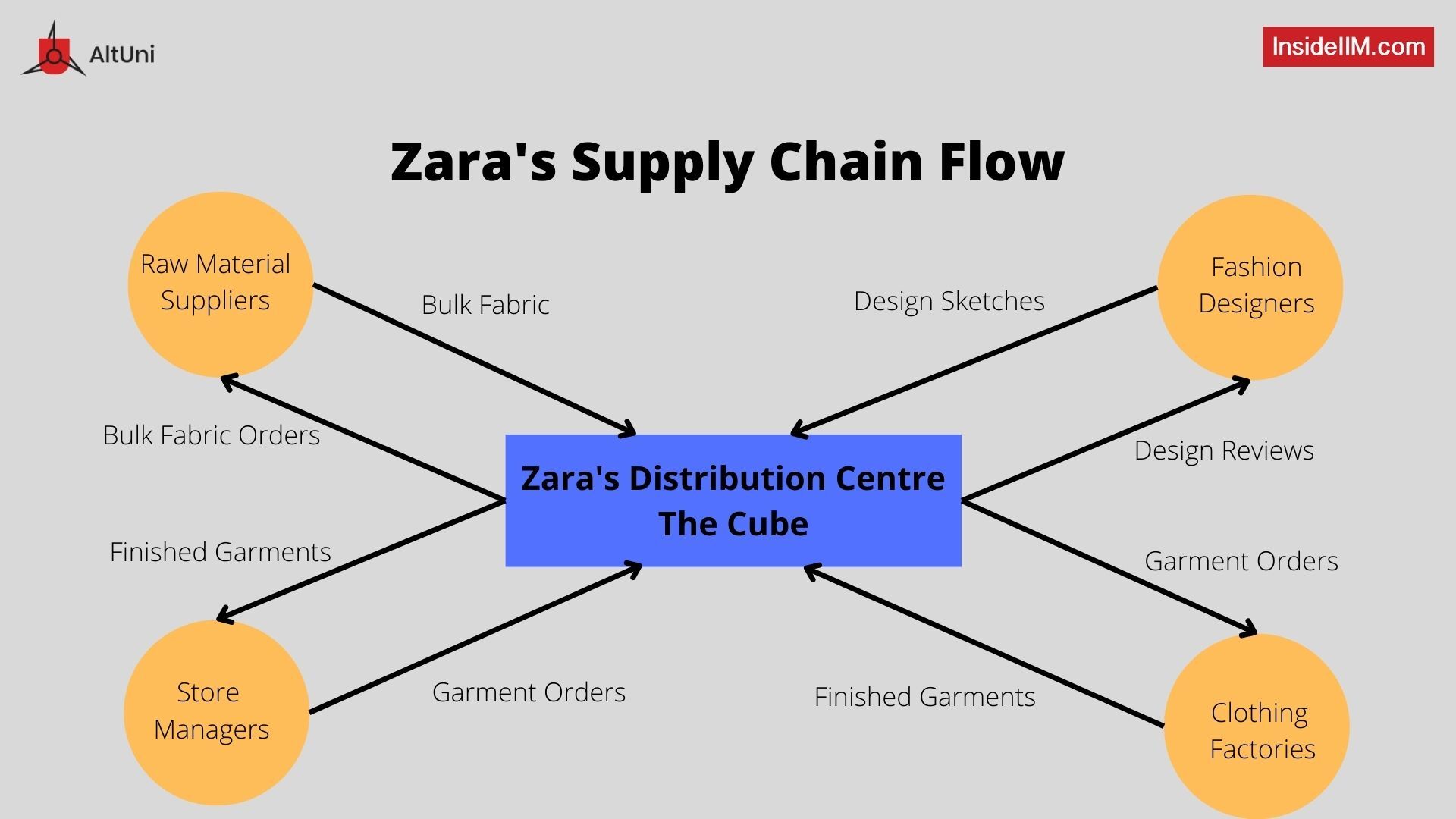
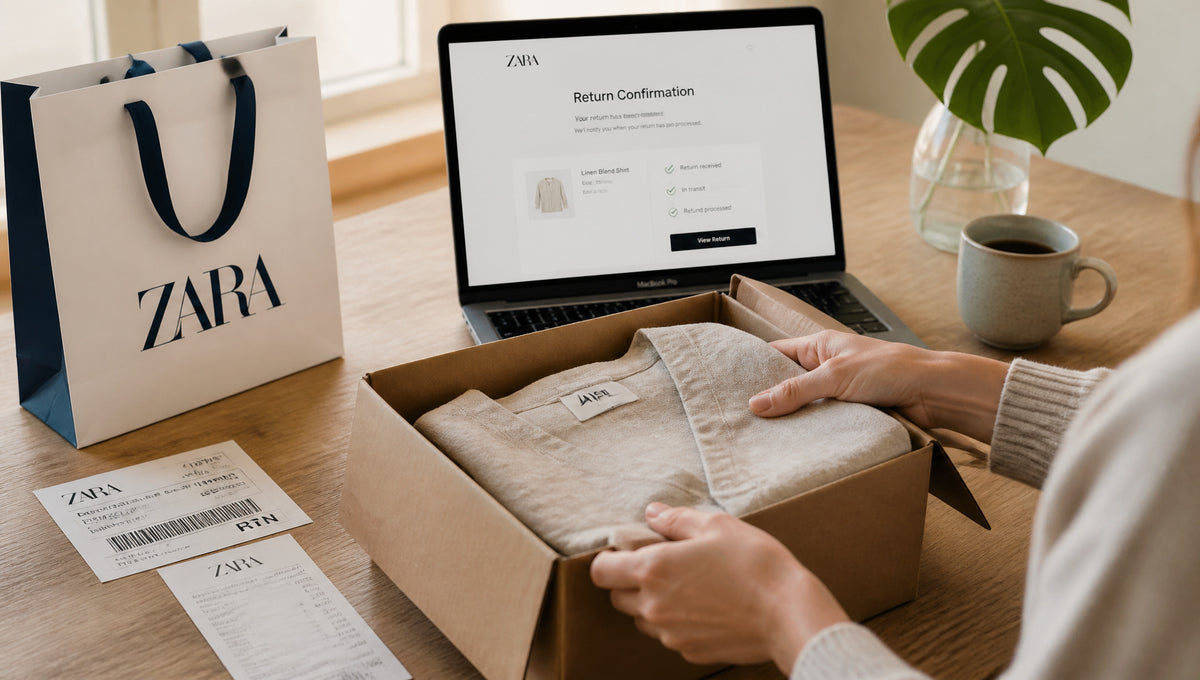
Zara manages a complex logistical network where free returns serve as a strategic tool for customer acquisition, brand loyalty, and data collection. By removing the financial barrier of return shipping, the company lowers the psychological hurdle for online purchases, encouraging higher conversion rates while simultaneously gathering essential data on product fit and quality to refine their high-speed supply chain.
Contents
The Strategic Logic of Free Returns in Fashion Retail
In the global retail sector, free returns are rarely just a service; they are a sophisticated customer experience strategy. For a fast-fashion giant like Zara, the policy is designed to combat the "uncertainty gap" inherent in digital shopping. When customers cannot try on clothing in a physical environment, they are more likely to experience purchase anxiety regarding fit, fabric quality, or style accuracy. By guaranteeing free returns, Zara effectively transfers the risk from the consumer to the corporation.
This policy facilitates what the industry calls "bracketing"—a behavior where shoppers order multiple sizes or colors of the same item with the full intention of returning the ones that do not fit. While this increases logistical volume, it also keeps the customer within the Zara ecosystem. If the shopper had to pay for return shipping, they might abandon the cart entirely to avoid the risk of paying for products they cannot use. By absorbing the cost, Zara captures the sale, gains the customer's loyalty, and secures their data for future marketing and product development.
Operational Costs and the Evolution of the Return Model
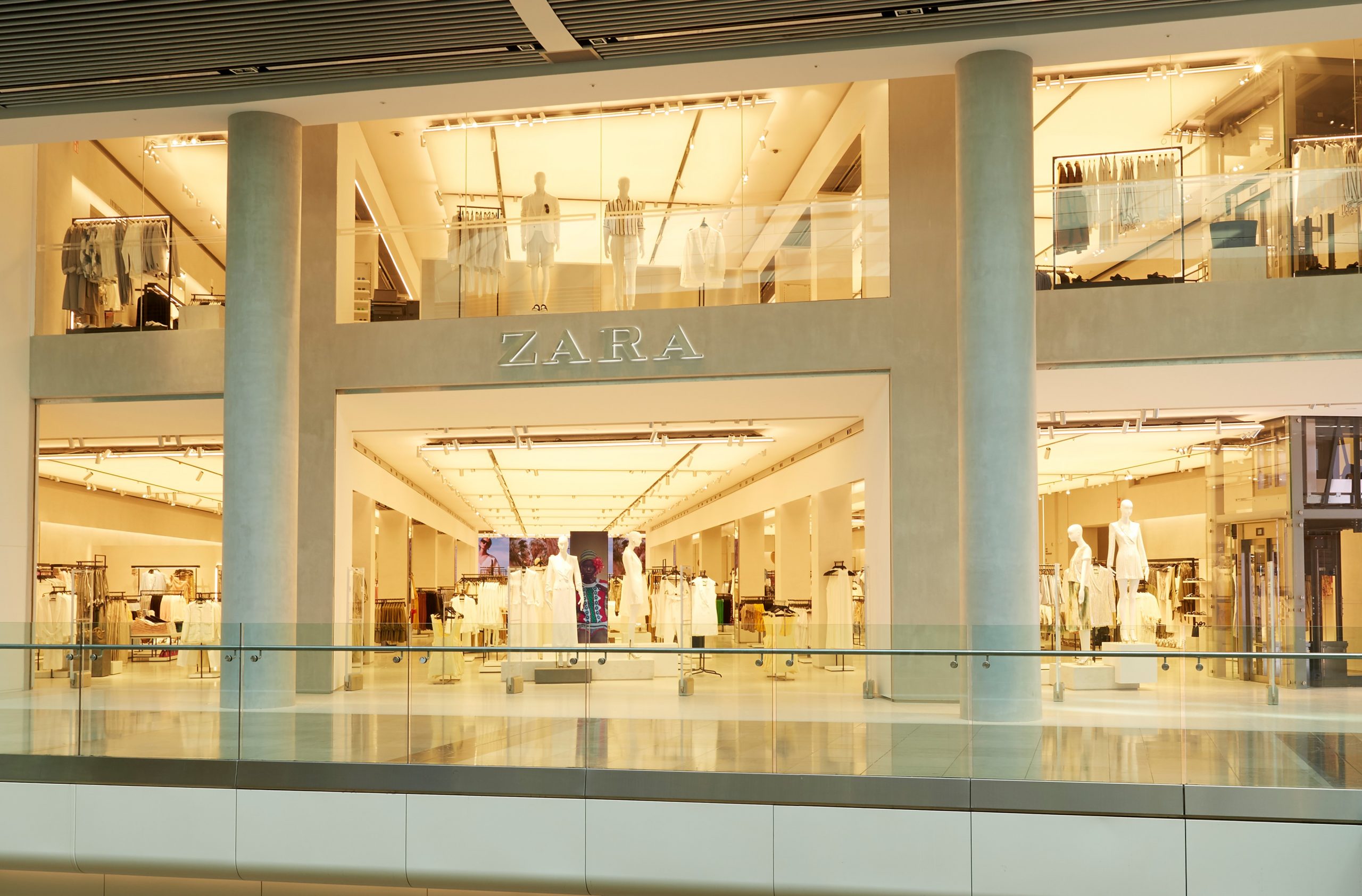
While "free returns" is the consumer-facing label, the operational reality for Zara involves significant overhead. The process of receiving, inspecting, re-folding, and restocking inventory—known as reverse logistics—is a major cost center. Zara handles this by leveraging its massive physical store network, which often acts as a processing hub for online returns.
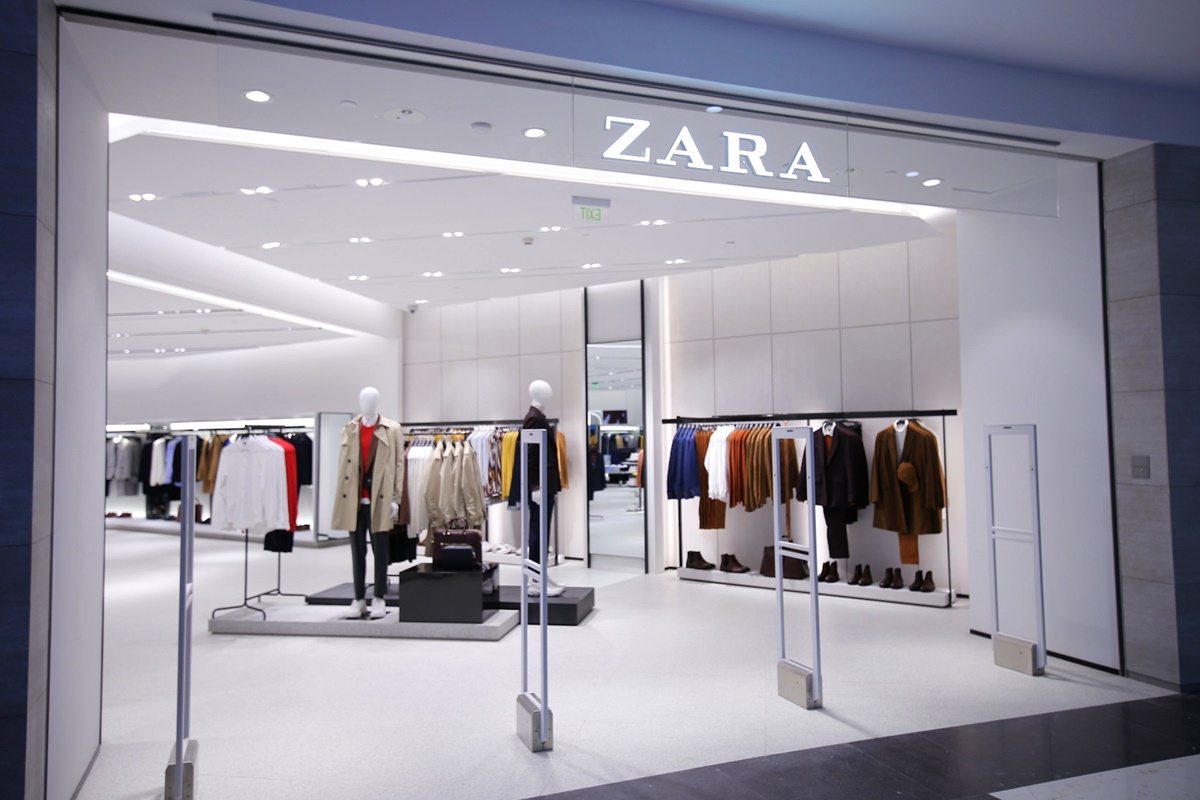
In many markets, returning an online purchase to a physical Zara store is free and highly encouraged. This serves a dual purpose: it saves on logistics costs compared to warehouse processing and generates "foot traffic." When a customer enters a store to return an item, they are exposed to new collections and store displays, which statistically increases the probability of an additional, impulsive purchase. This "reverse-logistics-to-upsell" pipeline is a cornerstone of Zara’s ability to sustain free return policies while maintaining high profitability.
Data Acquisition: The Hidden Value of Returns
For Zara, every return is a data point. When a garment is sent back, the reason for the return—whether it is "too large," "too small," "poor quality," or "not as described"—is funneled into the company's proprietary inventory management systems. This feedback loop is essential for a brand that prides itself on rapid design cycles.
If a specific style or a particular batch of inventory experiences an abnormally high return rate, Zara’s design and production teams receive this information in near real-time. They can then adjust patterns, change fabric suppliers, or halt production on that specific line before further losses occur. In this sense, free returns act as a global focus group, providing Zara with the necessary information to optimize its production efficiency and minimize unsold stock, which is the single greatest drain on retail profit margins.
Comparative Overview of Return Policies
Return policies in the fashion industry are constantly shifting as retailers balance customer convenience with the rising costs of shipping and processing. The following table highlights the strategic differences in how retailers handle the cost and friction of returns.
| Strategy | Primary Benefit | Operational Cost | Customer Perception |
|---|---|---|---|
| Free In-Store Returns | Reduces shipping costs | Low | High convenience |
| Free Mail-In Returns | Increases conversion rate | High | High satisfaction |
| Paid Mail-In Returns | Discourages excessive ordering | Very Low | Lower satisfaction |
| Restocking Fees | Offsets processing labor | Low (recovers cost) | Negative |
Requirements and Prerequisites for Returns
To maintain the efficiency of their return process, Zara enforces strict guidelines. These are not merely restrictive; they are necessary to ensure that items can be resold at full price. Common requirements include:
- Time Window: Items must typically be returned within a specified period (usually 30 days) from the date of the purchase confirmation.
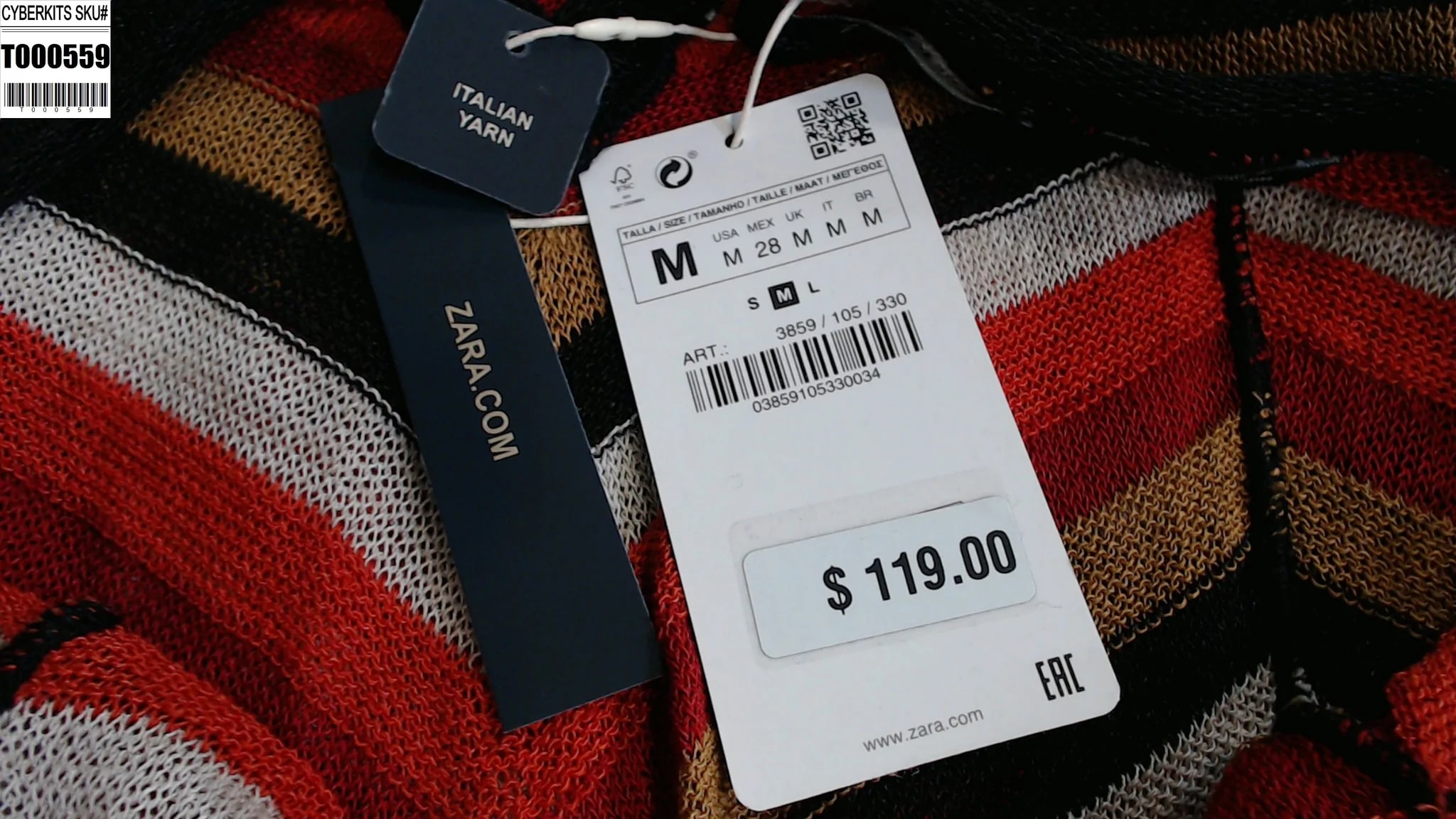
- Condition: Clothing must be in its original condition, with all tags and hygiene seals intact. Used or damaged items are generally rejected.
- Proof of Purchase: A digital receipt or the original QR code provided in the app is required to facilitate the transaction.
- Original Packaging: While not always mandatory, returning items in their original state significantly speeds up the restocking process.
Common Challenges and Troubleshooting
Despite the streamlined nature of Zara’s systems, customers occasionally encounter friction during the return process. If you face difficulties, consider the following troubleshooting steps:
- Application Sync: If the in-app return button is unresponsive, try logging out and logging back in. Ensure your app is updated to the latest version, as older versions may struggle to communicate with the current 2026 inventory API.
- In-Store Discrepancies: Some franchise-operated locations may have slight variations in how they process returns compared to flagship corporate stores. Always have your digital QR code ready to minimize manual entry.
- Third-Party Logistics: If returning via a courier drop-off point, ensure you obtain a drop-off receipt. This acts as your proof that the package was handed over to the carrier, protecting you if the item is lost in transit.
- Refund Timelines: While the return process is initiated instantly in the store, the financial refund to your original payment method may take several business days depending on your banking institution's processing times.
Frequently Asked Questions
Are returns always free regardless of the method? In many regions, returning to a physical store is free, while mail-in returns may incur a nominal fee that is deducted from the refund amount. Always check the specific return policy displayed on the Zara checkout page for your region.
Can I return items bought in-store via mail? Typically, items purchased in a physical retail store must be returned to a store. Online-exclusive purchases have more flexible return paths, often including mail-in options.
What happens if I lose my tags? Zara’s policy generally requires original tags. Removing them often renders the item ineligible for return, as the company cannot verify that the garment has not been worn.
How does Zara handle the environmental impact of returns? The company prioritizes consolidating returns at local stores to minimize the carbon footprint associated with shipping individual parcels back to central warehouses, aiming to optimize the efficiency of their logistics network.
Is there a limit to how many items I can return? While there is no explicit numerical limit, accounts that show patterns of "wardrobing"—buying items to wear once and return—may have their return privileges suspended or restricted by the system.
Recommendations for a Smooth Return Experience
To ensure your return is processed efficiently, always choose the in-store return method if you are located near a Zara retail outlet. This allows for an immediate inspection of the items and an expedited refund process. If you must use a mail-in service, ensure the package is sealed securely and that you use the pre-paid shipping labels generated through the official Zara platform. By adhering to the stated timelines and keeping your items in original, sellable condition, you ensure that the return process remains a seamless part of your shopping experience.
Image Gallery