Understanding the Average Increase in Auto Insurance After a No-Fault Accident
An auto insurance policyholder can expect an average premium increase of approximately 3% to 10% following a no-fault accident, though this varies significantly by jurisdiction and provider. Because insurance rating is highly complex,...
An auto insurance policyholder can expect an average premium increase of approximately 3% to 10% following a no-fault accident, though this varies significantly by jurisdiction and provider. Because insurance rating is highly complex, being involved in an incident where you are not at fault does not guarantee your rates will remain stable, as insurers factor in overall risk profiles, claim history, and local traffic safety statistics.
Contents
The Dynamics of No-Fault Insurance Ratings
When an insurance carrier evaluates your risk profile, they look for patterns in your driving behavior and your likelihood of filing future claims. A "no-fault" accident—where the policyholder is not legally or technically responsible for the damage—still represents a "loss event." From an actuarial standpoint, the logic is that an individual who has been involved in one accident, regardless of fault, may be statistically more likely to be involved in another, or perhaps resides in a region where collision risk is higher.
This nuance is often frustrating for consumers. Most people assume that if they were rear-ended while stopped or involved in a weather-related incident where they were clearly the victim, their premium should remain untouched. However, insurance companies operate on sophisticated predictive modeling. They categorize incidents based on the severity of the loss and the frequency of claims reported by individuals with similar driving records. Even if the incident was not your fault, the act of processing a claim can trigger a re-evaluation of your account during the next renewal cycle.
Factors Influencing Premium Fluctuations
It is rarely a simple calculation. Whether your rates increase depends on a variety of overlapping variables that go beyond the simple occurrence of an accident.
- State Regulations: Some states have strict consumer protection laws that prevent insurance companies from raising premiums for accidents where the driver was less than 50% at fault. Conversely, in other states, insurers have broad latitude to adjust rates based on the overall "loss experience" of the policyholder.
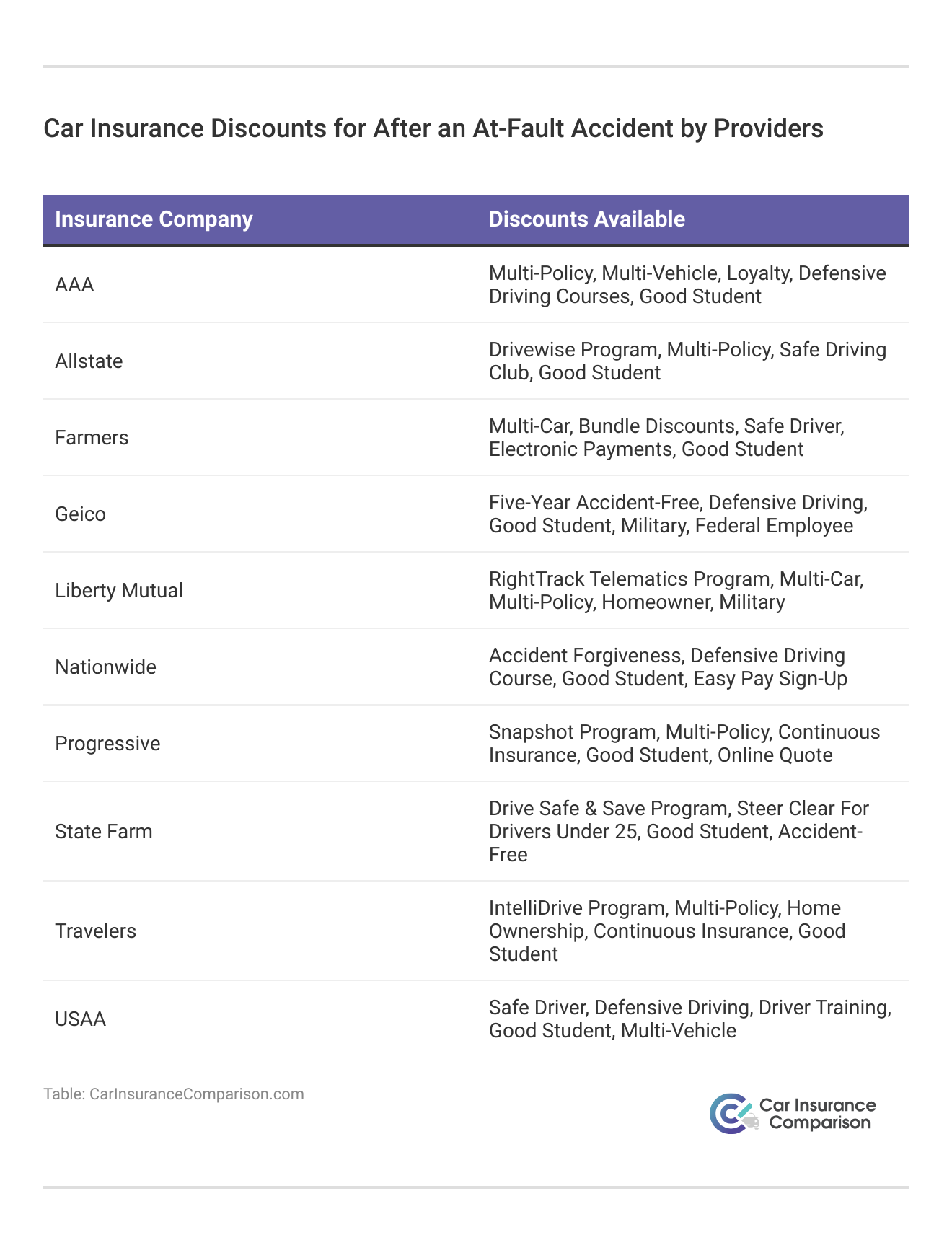
- The Insurance Carrier’s Policy: Every company has a unique underwriting manual. Some "accident forgiveness" programs specifically protect policyholders from rate hikes for their first minor accident, even if they are partially at fault. Others may have stricter rules regarding the total number of claims allowed within a three-to-five-year window.
- Previous Claim History: If you have a clean record, a single no-fault accident is less likely to trigger a drastic increase. If you have had other incidents, citations, or recent claims, the no-fault accident acts as a "stacking" event that may push your risk score into a higher bracket.
- Jurisdictional Risk Profiles: If you live in an area with a high volume of traffic congestion or theft, insurers already set higher base rates. When you file a claim in these regions, the insurer may view the event as evidence of a high-risk environment, leading to a broader adjustment of your premium.
Comparative Impact of Accident Types
To better understand how different incidents influence your bottom line, consider the following table. Please note that these are generalized industry averages for 2026 and do not represent a guarantee for any specific carrier.
| Incident Type | Likelihood of Rate Increase | Typical Premium Impact |
|---|---|---|
| No-Fault Accident | Low to Moderate | 3% – 10% |
| At-Fault (Minor) | Moderate to High | 15% – 25% |
| At-Fault (Major/Injury) | Very High | 30% – 50%+ |
| Comprehensive (Theft/Weather) | Very Low | 0% – 5% |
Why "No-Fault" Is Not Always "Zero-Impact"
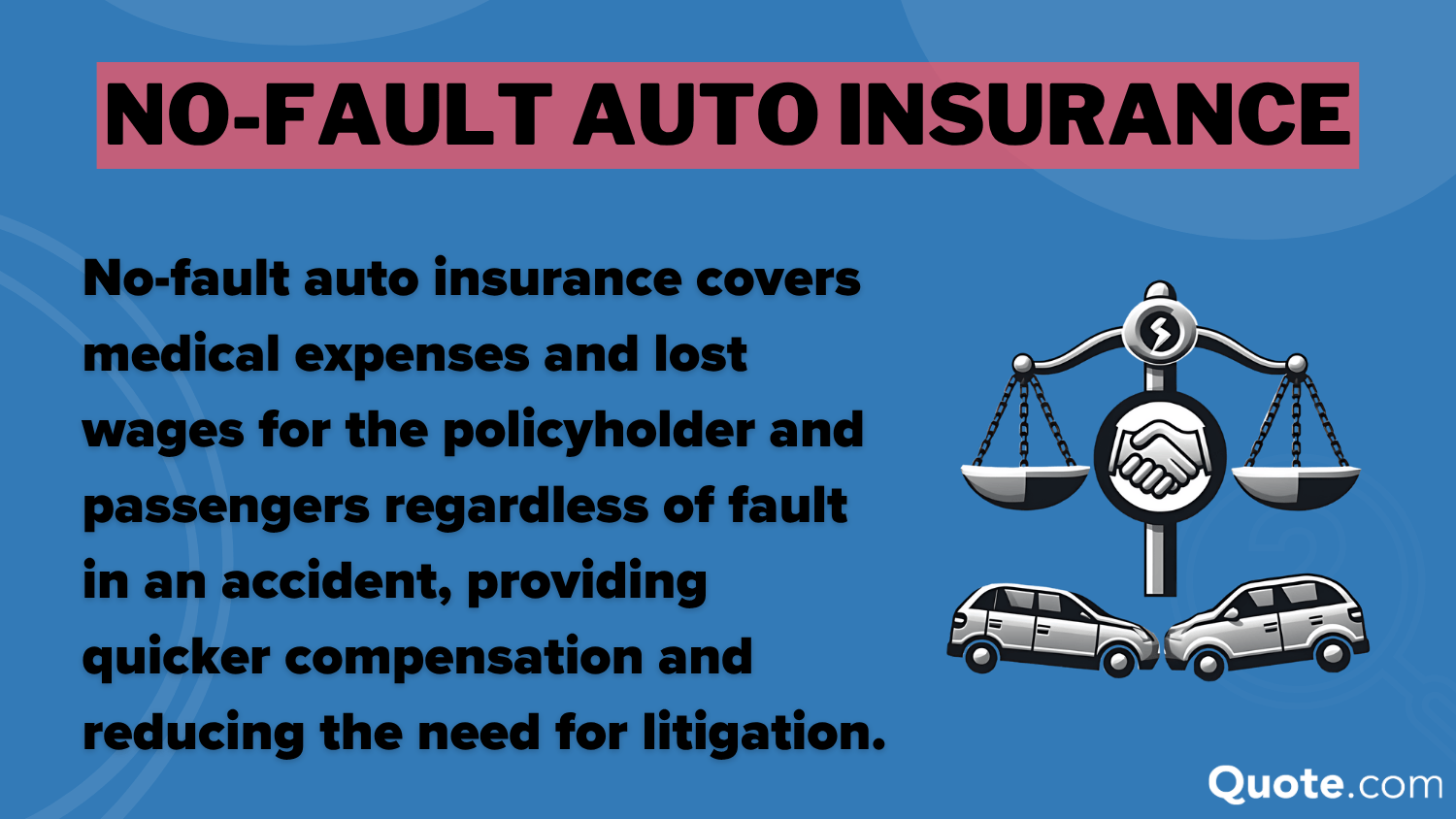
The term "no-fault" often causes confusion because it exists in two contexts: the insurance legal system (Personal Injury Protection or PIP states) and the claims adjustment process. In a "no-fault" insurance state, your own insurance covers your medical bills regardless of who caused the crash. This is intended to speed up the recovery process and reduce litigation. However, this structure does not inherently prevent your insurer from raising your rates after a claim is filed.
Because the insurance company is paying out funds to cover repairs or medical expenses, they are experiencing a financial loss. Even if they recover costs through subrogation—the legal process where your insurer pursues the at-fault driver’s insurance for reimbursement—the administrative cost and the sheer fact that a claim was opened can impact your "preferred" status.
Steps to Mitigate Premium Increases
If you have been involved in a no-fault accident and are concerned about your upcoming renewal, there are proactive steps you can take to manage the potential fallout.
- Request a Detailed Explanation: If you notice a significant spike in your renewal premium, contact your agent or the carrier’s customer service department. Ask if the increase is due to the recent claim or if it is a result of broader inflation or general base-rate adjustments in your area.
- Review Your Deductibles: If you cannot avoid a small increase, consider raising your deductible. This can lower your overall premium, helping to offset the increase caused by the accident record.
- Shop Around: You are not locked into one carrier. Insurance markets are highly competitive. If your current provider insists on raising your rates due to a single no-fault claim, request quotes from other providers. Be sure to disclose the accident honestly, as they will discover it through your CLUE (Comprehensive Loss Underwriting Exchange) report anyway.
- Confirm Eligibility for Discounts: Sometimes, a rate increase can be mitigated by bundling your home and auto insurance or by enrolling in a telematics program that tracks your safe driving habits. If you are a safe driver, these programs can often offset the surcharge from a minor claim.
Frequently Asked Questions
Will my rates increase even if I was 0% at fault? Yes, it is possible. While many insurers prefer not to penalize safe drivers for accidents they did not cause, they are not legally prohibited from doing so in all jurisdictions. The increase is usually much smaller than it would be for an at-fault accident.
What is a CLUE report, and why does it matter? The CLUE report is a database used by insurance companies to track a consumer’s history of insurance claims. Even if you were not at fault, the accident will appear on this report. New insurers will see this report when they calculate a quote for you.
Can I stop a rate increase by paying for the damage out of pocket? You could theoretically pay for the damages yourself to avoid filing a claim, but this is rarely recommended for significant damage. If you do not report the accident, you forfeit your coverage for that event. If hidden damage is discovered later, you will have to pay for it entirely out of pocket.
How long does an accident affect my insurance rates? Most insurance carriers look at your claims history over the past three to five years. Typically, the impact of a minor accident will diminish significantly after the first year and may disappear entirely from the underwriting calculation after three years.
Does moving to a different state change how my accident is viewed? Yes. Since insurance is regulated at the state level, different states have varying rules regarding how an accident can affect your premium. Moving from a state with strict "no-fault" regulations to one that allows insurers more freedom can change how your past accident is weighted in your new policy.
Final Next Actions
If you have recently been in a no-fault accident, do not panic about your insurance premiums. The impact, if any, is usually manageable. First, verify the accuracy of the accident report to ensure that you are clearly listed as "not at fault." Second, wait for your next renewal notice before making any drastic decisions. If the increase is significant, use the renewal period as a trigger to shop for competitive quotes from at least three different carriers. Always remember that insurance is a financial product, and you have the right to seek the most favorable terms for your risk profile in the current market.
Image Gallery