Free Printable Letter A Worksheets: Comprehensive Guide, Resources, and Activities
Accessing free printable letter A worksheets provides parents, educators, and homeschoolers with cost-effective, foundational tools to introduce young children to alphabet recognition, phonics, and early handwriting skills. These resou...
Accessing free printable letter A worksheets provides parents, educators, and homeschoolers with cost-effective, foundational tools to introduce young children to alphabet recognition, phonics, and early handwriting skills. These resources typically feature uppercase and lowercase tracing paths, letter identification exercises, coloring components, and beginning sound associations designed for preschool and kindergarten learners.
Contents
Early literacy development relies heavily on structured repetition, multisensory engagement, and fine motor skill practice. When children begin exploring the alphabet, isolating individual letters allows them to build the cognitive and physical foundation required for future reading and writing success. The letter A holds a unique position as the first letter of the English alphabet, making it the primary starting point for formal phonics instruction and handwriting curricula.
This comprehensive guide explores the structure, benefits, selection criteria, and practical implementation strategies for utilizing free printable letter A worksheets effectively in home and classroom environments.
Understanding the Scope of Letter A Worksheets
Free printable letter A worksheets are educational handouts typically distributed in PDF format by educational websites, teacher-author marketplaces, and literacy blogs. They are engineered for children aged three to six who are transitioning from basic spoken language awareness to print awareness.
The primary objective of these worksheets is dual-purposed: building cognitive recognition of the letter symbol and developing the physical dexterity needed to control a writing utensil. Because young children develop fine motor control gradually, these printables bridge the gap between gross motor movements (such as drawing in the sand or painting with large brushes) and precise pencil control.
Effective letter A worksheets generally focus on four core educational domains:
- Visual Recognition: Identifying the uppercase (A) and lowercase (a) shapes among a field of distractor letters.
- Phonemic Awareness: Connecting the letter symbol to its short sound (/æ/ as in apple) and long sound (/eɪ/ as in acorn).
- Handwriting Mechanics: Tracing structured dotted lines to learn proper stroke direction, pencil grip, and spatial awareness.
- Vocabulary Association: Identifying objects that begin with the target sound, reinforcing auditory and visual links.
Types of Free Printable Letter A Worksheets
To maintain engagement and accommodate diverse learning styles, educational publishers design various formats of letter A worksheets. Selecting the appropriate type depends on the child's developmental stage.
1. Letter Tracing and Handwriting Sheets
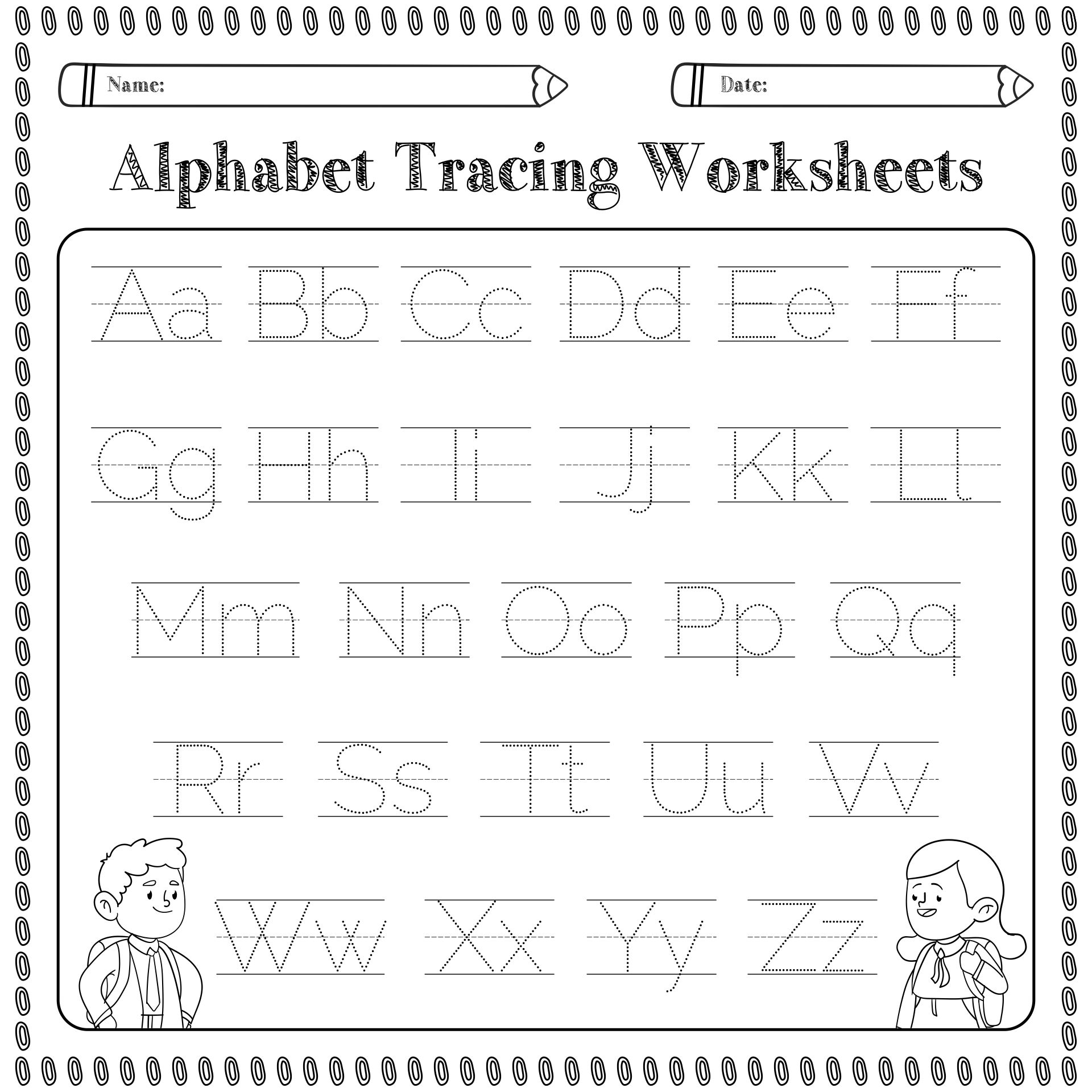
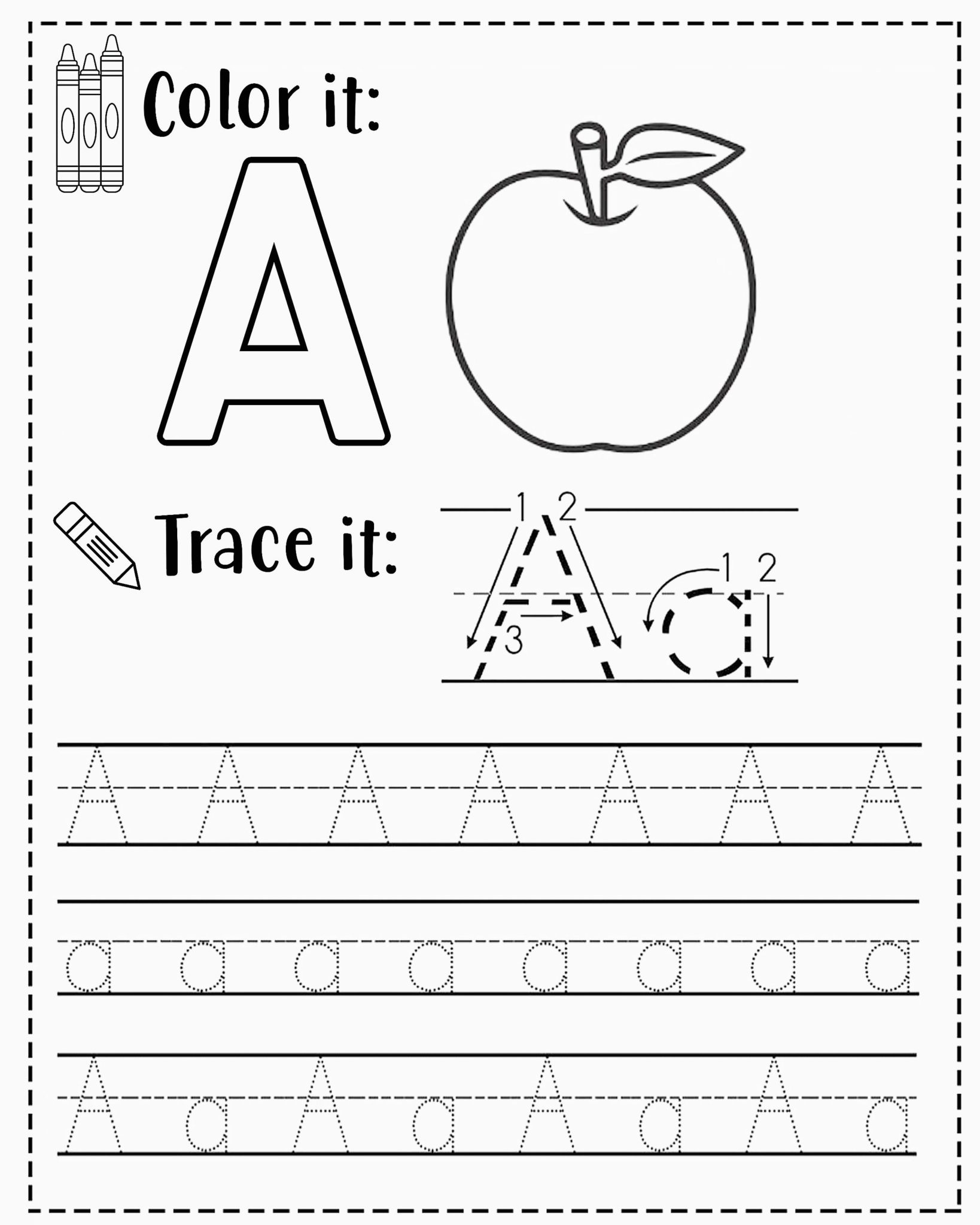
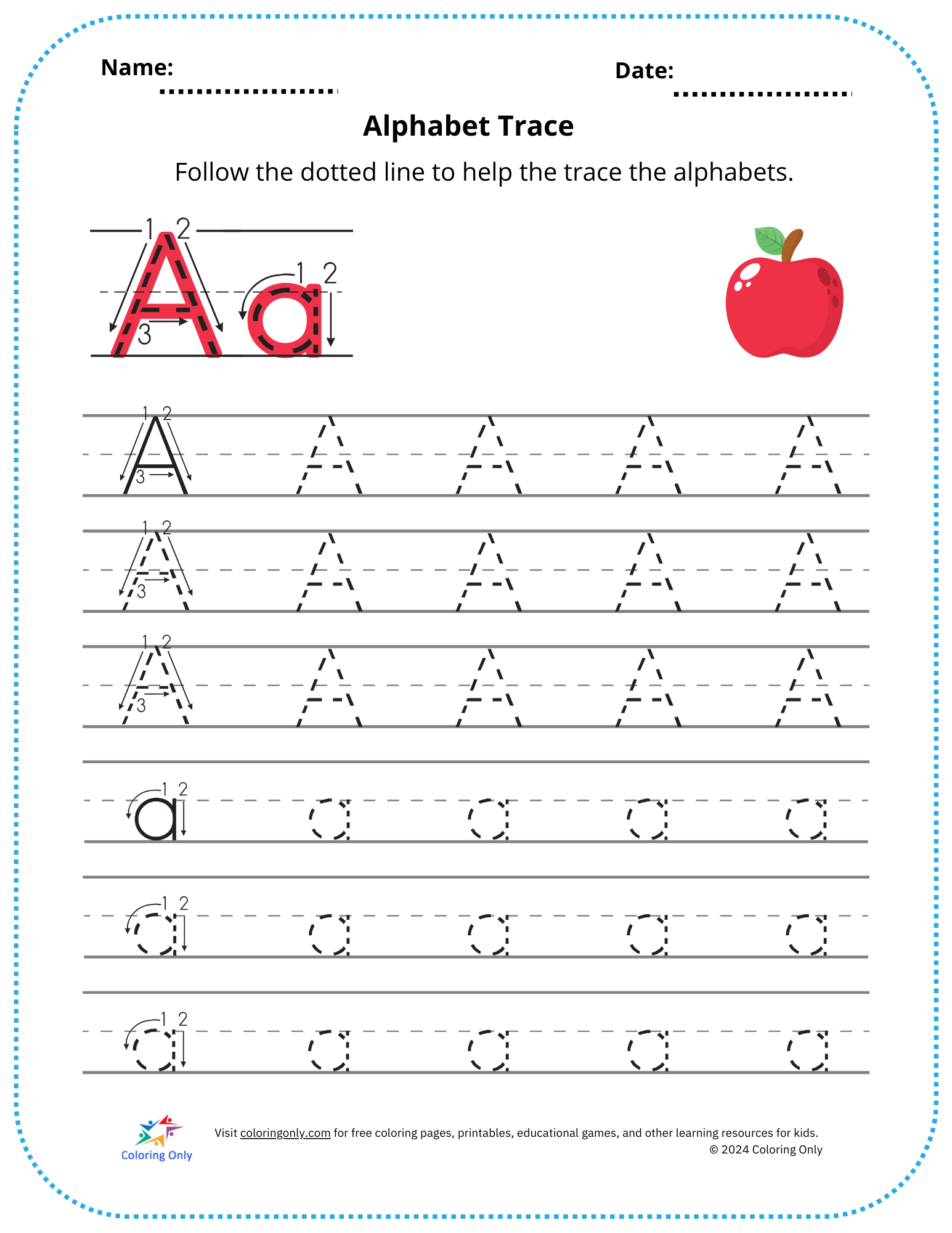
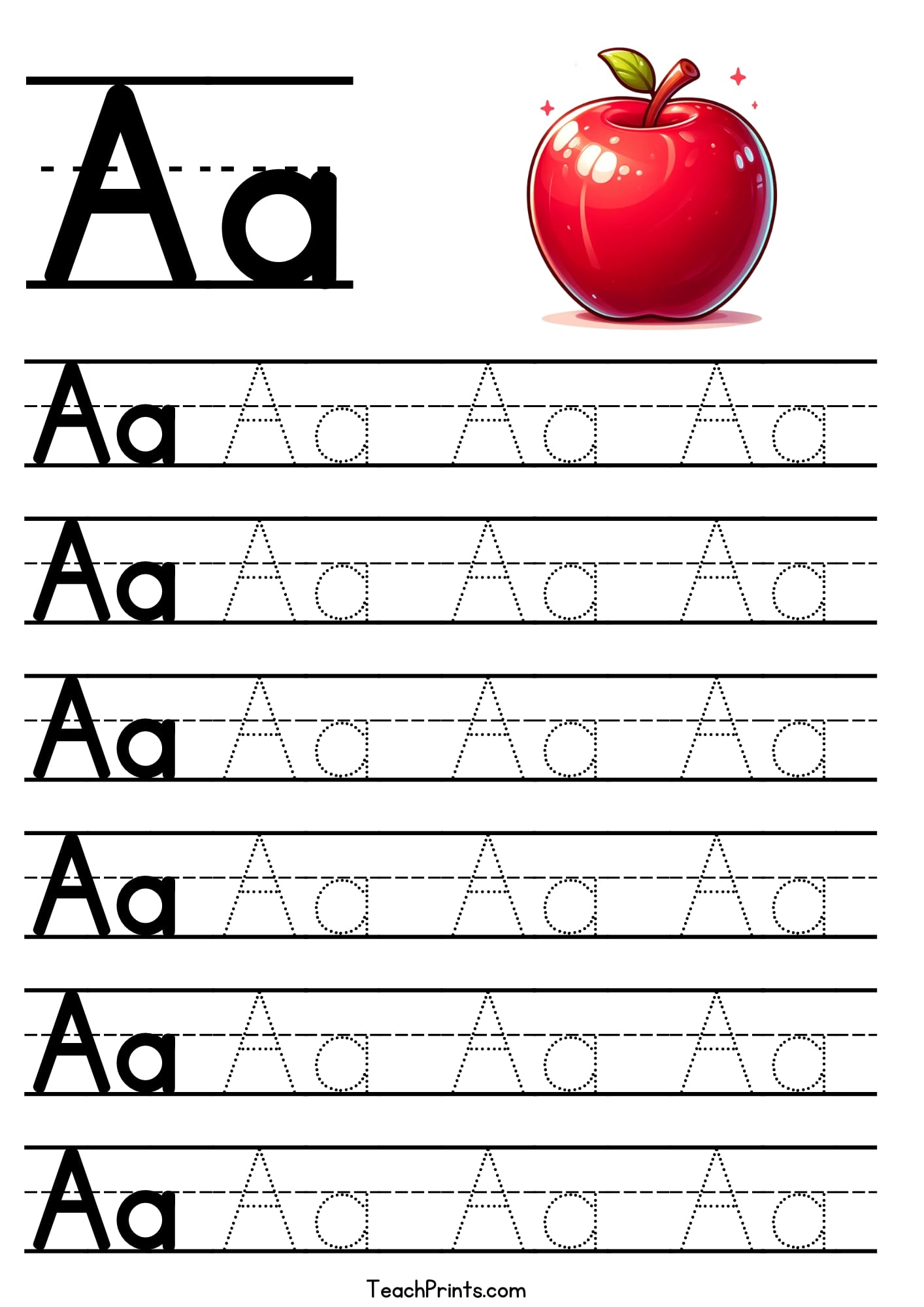
These worksheets feature large bubble letters or guided directional arrows showing stroke order. Children trace dotted lines to form both uppercase and lowercase versions of the letter. Advanced sheets transition to independent writing on primary lined paper (three-line grids with a midline).
2. Find and Color (Letter Recognition) Activities
Children scan a grid or picture filled with various letters to locate and color every instance of the letter A. This sharpens visual discrimination, teaching the brain to distinguish minor differences in typography and orientation (e.g., distinguishing an 'A' from a 'V' or an 'M').
3. Beginning Sounds and Phonics Mazes
Phonics worksheets present multiple illustrations—such as an apple, an ant, a ball, and an alligator—and prompt the child to circle or color only the pictures that start with the letter A. Mazes may require the child to follow a trail of letter A squares to help an animal reach food.
| Worksheet Type | Primary Skill Targeted | Ideal Age Group | Key Benefit |
|---|---|---|---|
| Tracing & Handwriting | Fine motor control, stroke order | 4–6 years | Builds muscle memory for writing |
| Letter Recognition | Visual discrimination | 3–5 years | Teaches structural differences in print |
| Phonics & Beginning Sounds | Auditory processing, vocabulary | 4–6 years | Connects graphemes to phonemes |
| Cut and Paste Activities | Bilateral coordination, sorting | 3–5 years | Enhances scissor skills alongside literacy |
Essential Components of High-Educational-Value Printables
Not all free printables offer equal educational value. When selecting or curating letter A worksheets for a classroom or home environment, educators look for specific design principles that align with early childhood development standards.
Clear Typography and Layout
Cluttered worksheets overwhelm young learners. High-quality printables feature clean white space, distinct primary fonts (without overly stylized serifs), and sharp contrast between the text and the background. Uppercase and lowercase letters should be presented side-by-side so children learn to associate the two forms early.
Directional Arrows and Start Dots
For handwriting worksheets, explicit visual cues are vital. The presence of numbered directional arrows (e.g., starting with a diagonal line down, a diagonal line down, and a horizontal crossbar) prevents the formation of incorrect writing habits that are difficult to correct later.
Age-Appropriate Graphic Quality
Illustrations accompanying the letter A—such as an astronaut, an axe, or an anchor—must be easily recognizable to a young child. Vague or ambiguous line art causes confusion regarding the target vocabulary word, undermining the phonics lesson.
Step-by-Step Implementation Guide for Educators and Parents
Integrating free printables into a daily routine requires more than simply handing a child a piece of paper and a crayon. A structured approach maximizes retention and keeps the learning process engaging.
Step 1: Introduce the Sound Before the Symbol
Before printing any worksheets, ground the letter in auditory reality. Hold up a physical object like an apple or an avocado, emphasize the starting sound, and have the child repeat it. Ask the child to name other words starting with that sound.
Step 2: Multisensory Warm-Ups
Fine motor muscles need preparation. Before utilizing a pencil on a worksheet, have the child practice forming the letter A using multisensory techniques:
- Trace a giant letter A in the air using large arm movements.
- Form the shape of the letter using playdough or pipe cleaners.
- Trace a letter A carved into a salt tray or sensory bin.
Step 3: Guided Completion of the Worksheet
Sit alongside the learner during the worksheet activity. Monitor their pencil grip (ideally a tripod grip) and ensure they follow the correct stroke sequence shown on the page. Praise effort and correct stroke mechanics rather than focusing exclusively on neatness.
Step 4: Extension Activities
Reinforce the lesson beyond the paper. Go on an "Letter A Scavenger Hunt" around the house or classroom to find items that begin with the letter A, reinforcing the real-world application of the worksheet concepts.
Common Mistakes to Avoid When Using Letter Worksheets
While free printables are powerful educational aids, improper usage can lead to frustration or stalled progress.
- Rushing into Independent Writing: Forcing a child to write freehand on standard lines before they have developed the necessary hand strength leads to poor pencil grip and hand fatigue. Always start with large tracing formats.
- Overloading with Too Many Sheets: Handing a child five different letter A worksheets in one sitting causes cognitive overload and burnout. Limit practice to one focused, high-quality sheet per day.
- Ignoring Phonics Integration: Treating the letter as an abstract visual symbol without connecting it to its sound defeats the ultimate goal of literacy instruction. Every worksheet session should include vocalizing the sound.
- Neglecting Lowercase Practice: Many resources focus heavily on capital letters because they are structurally simpler. Ensure equal time is dedicated to lowercase 'a', as it appears far more frequently in standard reading material.
Frequently Asked Questions
At what age should children start using letter A worksheets?
Children typically begin interacting with structured letter worksheets between ages three and four, depending on their readiness and fine motor development. Younger children benefit more from tactile and sensory alphabet exploration before transitioning to paper-based tasks.
Should I teach uppercase or lowercase letter A first?
Most modern early childhood curricula introduce uppercase and lowercase letters simultaneously or prioritize lowercase because children encounter lowercase letters in text far more frequently. Worksheets that display both forms side by side offer the most balanced approach.
How can I make printable worksheets reusable?
To save paper and allow for repeated practice, slide printed worksheets into heavy-duty clear plastic sheet protectors or dry-erase pockets. Children can complete the tracing and matching activities using dry-erase markers, which can then be easily wiped clean.
Are free printable worksheets as effective as paid workbooks?
Yes, provided they are sourced from reputable educational platforms designed by certified teachers or reading specialists. The educational value lies in the instructional design and the guidance provided by the adult, not the cost of the paper.
What should I do if my child resists writing on the worksheets?
If a child shows frustration, step back from pencil-and-paper tasks and return to multisensory play. Use finger paints, chalk on a sidewalk, or stamping tools to practice forming the letter A in a low-pressure environment before returning to structured printables.
Next Actions for Effective Early Literacy Practice
To begin utilizing these resources effectively, audit your current reading curriculum or daily routine to identify gaps in phonics or fine motor practice. Curate a small, targeted collection of four to five high-quality, varied free printable letter A worksheets covering tracing, recognition, and beginning sounds. Pair these printables with hands-on activities, sensory bins, and real-world object exploration to create a balanced, engaging early literacy program.
Image Gallery