Is the Nationwide Auto Mileage Device Discount Worth It? (2026 Analysis)
Determining whether the Nationwide auto mileage device discount is worth it depends primarily on your annual mileage and driving habits. For low-mileage drivers using SmartMiles, savings can exceed 20% compared to traditional policies....
Determining whether the Nationwide auto mileage device discount is worth it depends primarily on your annual mileage and driving habits. For low-mileage drivers using SmartMiles, savings can exceed 20% compared to traditional policies. For safe drivers using SmartRide, permanent discounts of up to 40% are possible, though high-mileage or aggressive drivers may see little to no benefit.
Contents
Nationwide offers two distinct telematics-based programs that utilize tracking technology: SmartRide and SmartMiles. While both involve monitoring driving data, they serve different financial purposes. SmartRide is designed to reward safe driving behaviors through a one-time monitoring period that results in a permanent policy discount. SmartMiles, conversely, is a pay-per-mile insurance program where the monthly premium fluctuates based on the actual distance driven. Understanding the technical nuances, privacy implications, and cost-benefit ratios of these programs is essential for any policyholder in 2026.
SmartRide vs. SmartMiles: Choosing the Right "Device" Program
Before evaluating the "worth" of these programs, it is vital to distinguish between the two products Nationwide offers. Many consumers use the term "mileage device" interchangeably, but the hardware and software requirements differ.
SmartRide: The Behavior-Based Discount
SmartRide is a "usage-based insurance" (UBI) program that monitors how you drive rather than just how much you drive.
- The Technology: Participants typically use a mobile app or an OBD-II plug-in device (a small telematics unit that fits into the port under the dashboard).
- The Process: You are monitored for a specific period, usually four to six months. During this time, the device captures data on four key metrics: hard braking, fast acceleration, nighttime driving (between midnight and 5:00 AM), and total idle time.
- The Reward: Upon completion of the monitoring period, Nationwide calculates a final discount—up to 40%—which is applied to the policy for the life of the account, provided the vehicle and driver remain the same.
SmartMiles: The Pay-Per-Mile Program
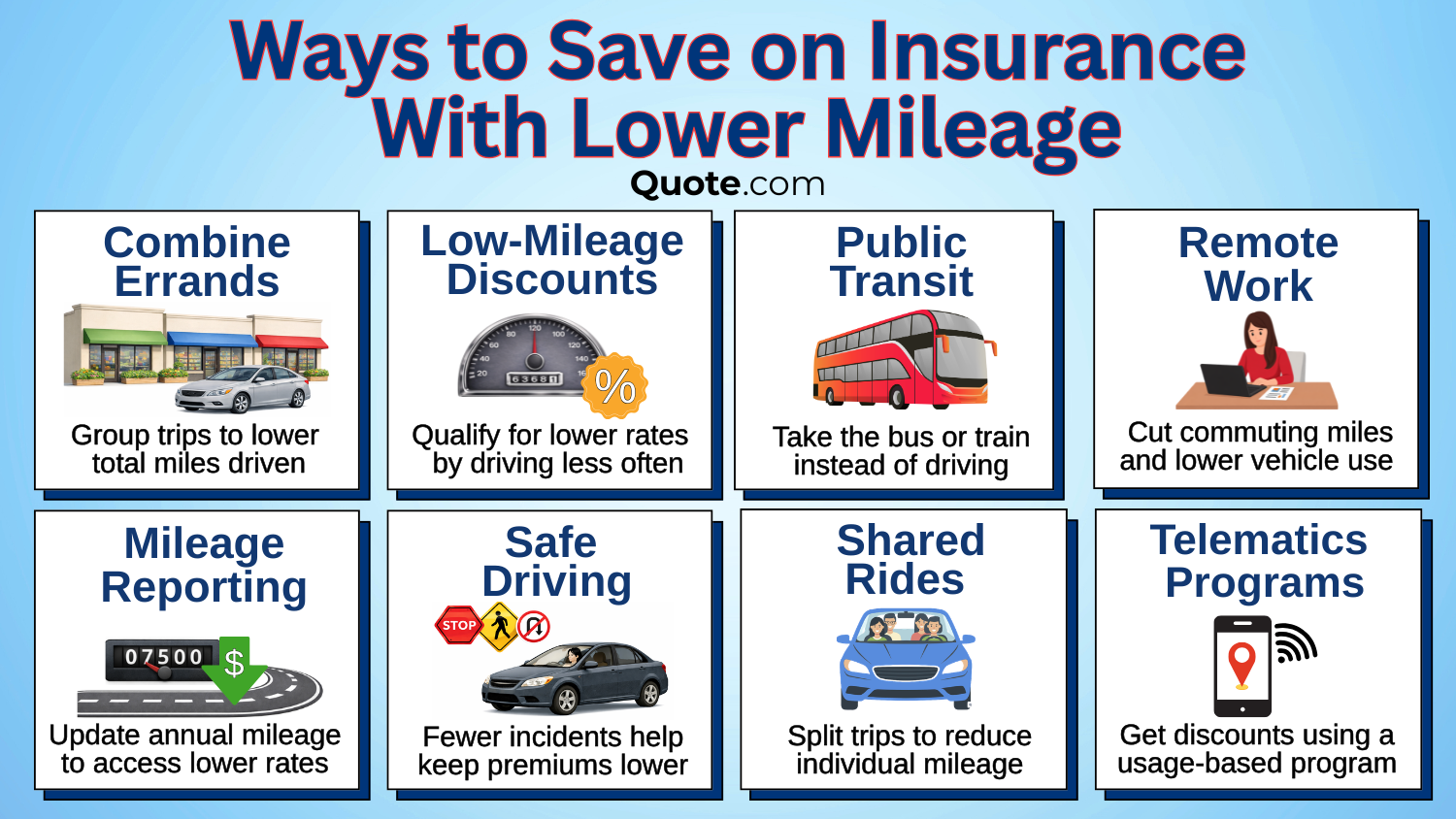
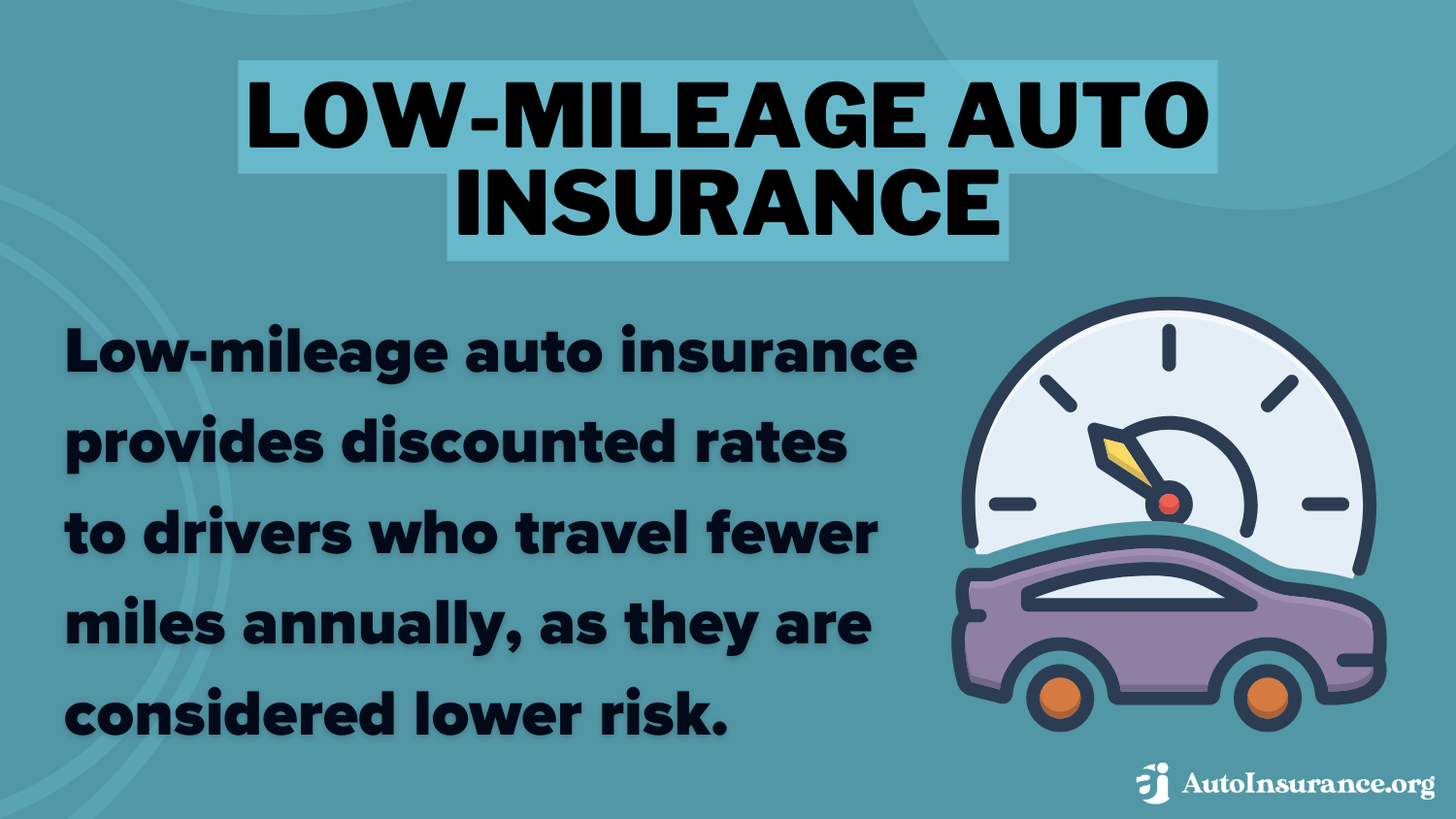
SmartMiles is a "pay-as-you-drive" program tailored specifically for those who drive less than the national average (typically under 8,000 miles per year).
- The Technology: This program almost always requires an OBD-II device to accurately track mileage. Unlike the SmartRide app, the SmartMiles device must remain plugged in indefinitely to calculate the monthly premium.
- The Pricing Structure: Your bill consists of two parts: a base rate (fixed monthly cost) and a variable rate (a flat cost per mile).
- The Reward: If the car sits in a garage for most of the month, the premium remains exceptionally low.
The Financial Math: When the Discount Pays Off
The primary motivation for installing a tracking device is cost reduction. In 2026, with the average cost of auto insurance remaining a significant household expense, these programs offer a rare opportunity for drivers to influence their own rates.
Breaking Down SmartRide Savings
Upon enrollment in SmartRide, Nationwide typically provides an immediate 10% "participation discount." This is a gesture of good faith while the data collection begins. However, this is not guaranteed to stay. If your data shows frequent "hard braking events" (defined as a decrease in speed of more than 7-10 mph per second), your final discount may be lower.
For a policyholder paying $1,500 annually, a 40% discount results in $600 of annual savings. Even a modest 15% discount yields $225 in savings. Because the SmartRide discount is "locked in" after the trial period, it is almost always worth the effort for drivers who are confident in their safety habits and do not frequently drive during late-night hours.
Calculating the SmartMiles "Break-Even" Point
SmartMiles is a more complex financial decision. You must compare your projected monthly cost under SmartMiles against a standard fixed-rate policy.
| Component | Example Pricing (SmartMiles) | Example Pricing (Traditional) |
|---|---|---|
| Monthly Base Rate | $60.00 | $140.00 (Flat) |
| Per-Mile Rate | $0.07 | $0.00 |
| Cost at 200 Miles | $74.00 | $140.00 |
| Cost at 500 Miles | $95.00 | $140.00 |
| Cost at 1,000 Miles | $130.00 | $140.00 |
| Cost at 1,200 Miles | $144.00 (Loss) | $140.00 |
As shown in the table, the "worth it" threshold for SmartMiles is approximately 1,100 to 1,200 miles per month. If you drive more than that, the traditional policy is more economical. If you are a remote worker or retiree driving only 300 miles a month, you could save nearly 50% on your premiums.
Technical Requirements and Device Troubleshooting
The "device" itself is a frequent source of frustration for users. The OBD-II unit is designed to be "plug-and-play," but several technical factors can influence its performance.
- Installation: The device must be inserted into the OBD-II port, usually located under the steering column. It draws a tiny amount of power from the car's battery.
- Connectivity: The device uses cellular signals to transmit data to Nationwide. If you park in an underground garage with no signal, the device will store the data and upload it once a connection is re-established.
- Compatibility: Most vehicles built after 1996 are compatible, but some hybrid and electric vehicles (EVs) may have specific port configurations that require a specialized cable or app-only monitoring.
- Battery Drain: While rare, older car batteries may struggle with the constant draw of a telematics device. If you plan to leave your car sitting for more than two weeks, Nationwide generally recommends checking the battery status or contacting support regarding the device’s power consumption.
Privacy Concerns and Data Usage in 2026
A major hurdle for many drivers is the "big brother" aspect of telematics. Nationwide collects data on your location (via GPS in some models), speed, time of day, and mileage.
What Nationwide Does With the Data: Nationwide uses this data strictly for underwriting and risk assessment. In 2026, privacy regulations like the CCPA and various state-level data protection acts restrict how insurance companies can sell this data. Nationwide's current policy states that they do not sell individual driving data to third-party marketers.
The "Surcharge" Risk: One of the most common questions is: "Can my rates go up if I drive poorly?" For SmartRide, Nationwide historically marketed the program as "discount only," meaning poor driving wouldn't increase your base rate—it would simply result in a 0% discount. However, policyholders should read their specific state disclosures, as insurance regulations evolve. As of 2026, most states still prohibit "negative" surcharges based specifically on SmartRide trial data, but frequent high-speed incidents could lead to a non-renewal or a general rate hike during the next policy cycle.
Is It Worth It? Pros and Cons Evaluated
The Pros
- Significant Savings for Low-Mileage Drivers: SmartMiles is arguably the best product on the market for people who rarely use their vehicles.
- Improved Driving Awareness: SmartRide provides feedback through the app, which can help drivers identify dangerous habits like "tailgating" (leading to hard braking).
- The "Road Trip" Exception: SmartMiles often includes a "mileage cap" (typically 250 miles in a single day). If you drive 500 miles in one day on a vacation, you are only charged for the first 250 miles.
The Cons
- The "Hard Braking" Penalty: The sensors are sensitive. If a squirrel runs into the road and you slam on your brakes, the device records a "negative event," even though you were driving safely.
- Privacy Intrusion: If you are uncomfortable with an insurance company knowing your location and driving hours, the discount is likely not worth the mental trade-off.
- App Performance: Users of the app-based version of SmartRide often complain about battery drain on their smartphones, as the app must run in the background to detect trips.
Comparison With Competitors
Nationwide is not the only player in the telematics space. To determine if Nationwide’s device is "worth it," it helps to look at the landscape:
- Progressive Snapshot: Similar to SmartRide, but Progressive is more aggressive about applying surcharges (rate increases) for poor driving behavior.
- State Farm Drive Safe & Save: Offers a similar behavior-based discount but often requires more frequent app synchronization.
- Allstate Milewise: The direct competitor to SmartMiles. Pricing is often neck-and-neck, but Nationwide’s 250-mile daily cap is often more generous for occasional long-distance travelers.
Frequently Asked Questions
Can I use the SmartRide device in multiple cars?
No. Each device is synced to a specific Vehicle Identification Number (VIN). If you move the device to another car without notifying Nationwide, the data will be flagged as inconsistent, and you may lose your discount. Each vehicle on your policy must have its own device or app-tracking enabled to earn a discount for that specific car.
What happens if I unplug the SmartMiles device?
Unplugging the SmartMiles device is a violation of the policy terms. Nationwide will typically send an automated alert (via email or app) notifying you that the device has lost connection. If the device remains unplugged, the company may default your billing to a high-mileage estimate or cancel the mileage-based policy entirely, reverting you to a standard rate.
Does the device track my speed?
Yes, the device tracks your speed. While SmartRide focuses more on rapid changes in speed (acceleration and braking), consistently driving significantly over the speed limit can negatively impact your safety score and the resulting discount.
Is the SmartRide discount permanent?
In most cases, yes. Once you complete the monitoring period and receive your final "earned discount," it remains on your policy for that specific vehicle and driver combination. If you buy a new car, you may need to participate in a new monitoring period to establish a discount for the new vehicle.
Can I switch from SmartMiles to a regular policy?
Yes, you can switch back to a traditional fixed-rate policy at any time. However, your premium will be recalculated based on standard underwriting factors, and you will lose the per-mile pricing benefit. This is a common move for policyholders whose commuting habits change (e.g., returning to an office after working from home).
Practical Recommendation: Who Should Enroll?
The Nationwide auto mileage device discount is highly worth it for two specific groups:
- The "Garage Queen" Driver: If you have a secondary vehicle or a car that you drive fewer than 500 miles a month, SmartMiles will save you hundreds of dollars annually.
- The Cautious Commuter: If you have a standard commute, avoid driving after midnight, and pride yourself on smooth stopping and starting, SmartRide is essentially "free money." The 10% enrollment discount alone is a strong incentive, and the potential for a 40% permanent reduction is industry-leading.
However, if you have a "lead foot," frequently drive in heavy stop-and-go traffic where hard braking is unavoidable, or value your movement privacy above all else, you should stick to a traditional policy.
For more information on auto insurance standards and telematics technology, you can visit the Insurance Information Institute or consult the National Association of Insurance Commissioners (NAIC) for state-specific regulations regarding usage-based insurance.
Image Gallery