Does Cheesecake Taste Like Cheese? A Clear Answer
Cheesecake does not taste like traditional savory cheese; instead, it offers a rich, sweet, and mildly tangy flavor profile with a velvety texture. While its primary ingredient is cream cheese, the addition of sugar, eggs, and vanilla...
Cheesecake does not taste like traditional savory cheese; instead, it offers a rich, sweet, and mildly tangy flavor profile with a velvety texture. While its primary ingredient is cream cheese, the addition of sugar, eggs, and vanilla transforms the profile into a decadent dessert rather than a salty or pungent snack.
Contents
Defining the Cheesecake Flavor Profile
To understand why cheesecake doesn't taste like the cheddar or brie you might find on a charcuterie board, one must first look at the unique chemistry of its ingredients. The "cheese" in modern cheesecake is almost exclusively cream cheese, which is a fresh, unaged cheese. Unlike aged varieties that develop sharp, nutty, or funky notes through fermentation and bacterial ripening, cream cheese is prized for its neutrality and high fat content.
The primary taste sensation of a standard cheesecake is sweetness, balanced by a subtle lactic acidity. This acidity comes from the culture used to make the cream cheese, providing a brightness that prevents the dessert from feeling cloying. When you take a bite, you are first hit by the sugar and vanilla, followed by a dense, creamy mouthfeel, and finally a clean, slightly tart finish. This is a far cry from the umami-heavy and salty profile of hard or semi-hard cheeses.
Furthermore, the texture plays a massive role in how we perceive the flavor. Because cheesecake is technically a baked custard, the proteins in the eggs and cheese create a smooth matrix. This allows the flavor to coat the palate evenly, a sensation we associate more with premium ice cream or thick fudge than with a slice of Swiss or Provolone.
The Role of Ingredients in Masking "Cheesy" Notes
The transformation from a block of cheese to a dessert involves several key components that dilute and reshape the original dairy flavor.
The Sweeteners
Sugar is the primary "masking" agent. In a standard New York-style cheesecake, sugar makes up a significant portion of the batter. This sweetness interacts with the tongue's receptors, overriding the subtle salty notes inherent in the cheese. By the time the sugar is fully incorporated, the saltiness of the cream cheese acts more as a flavor enhancer—much like salt in caramel—rather than a standalone savory element.
Emulsifiers and Fats
Eggs and heavy cream (or sour cream) are essential for the structural integrity of the cake. They also introduce additional fats that "round out" the sharpness of the cheese. The lecithin in egg yolks acts as an emulsifier, binding the water and fat together to create a unified flavor. This prevents the "cheese" flavor from separating and standing out on its own.
Aromatics
Vanilla extract is the most common aromatic used, and its impact cannot be overstated. Research in sensory science suggests that humans strongly associate the scent of vanilla with sweetness. Even if the sugar content were lowered, the presence of vanilla would lead the brain to perceive the dish as a dessert. In more complex recipes, lemon zest or juice is added to enhance the natural tanginess of the cream cheese, making it taste "fresh" rather than "cheesy."
Why It Is Called "Cheese" Cake
If it doesn't taste like cheese, the name can be understandably confusing for those who haven't tried it. The nomenclature is a matter of historical taxonomy rather than modern flavor expectations.
Historically, any dish made with curds or cheese-like dairy was categorized under the "cheese" umbrella. The earliest recorded "cheesecakes" date back to Ancient Greece (around 776 BC), where they were served to athletes during the first Olympic games. These were made by pounding cheese into a smooth paste with honey and wheat flour. While these early versions were likely more "cheesy" and less sweet than what we eat in 2026, the name stuck as the recipe evolved through the Roman Empire and eventually into Medieval Europe.
By the time the modern iteration emerged in late 19th-century America—following the accidental invention of commercial cream cheese by William Lawrence in 1872—the dish had fully transitioned into the dessert category. However, the linguistic tradition remained, much like how "mincemeat pie" often contains no meat in modern times.
Comparing Different Styles of Cheesecake
Not all cheesecakes are created equal. The "cheesiness" of the flavor can vary significantly depending on the regional style and the specific dairy products used.
| Style | Primary Cheese | Texture | Flavor Profile |
|---|---|---|---|
| New York Style | Cream Cheese | Dense, heavy, smooth | Highly sweet, rich, very mild tang |
| Italian Style | Ricotta or Mascarpone | Grainy (Ricotta) or Silky (Mascarpone) | Less sweet, more floral, slightly more "dairy-forward" |
| Japanese Style | Cream Cheese + Meringue | Airy, souffle-like, bouncy | Very light sweetness, tastes like a milky cloud |
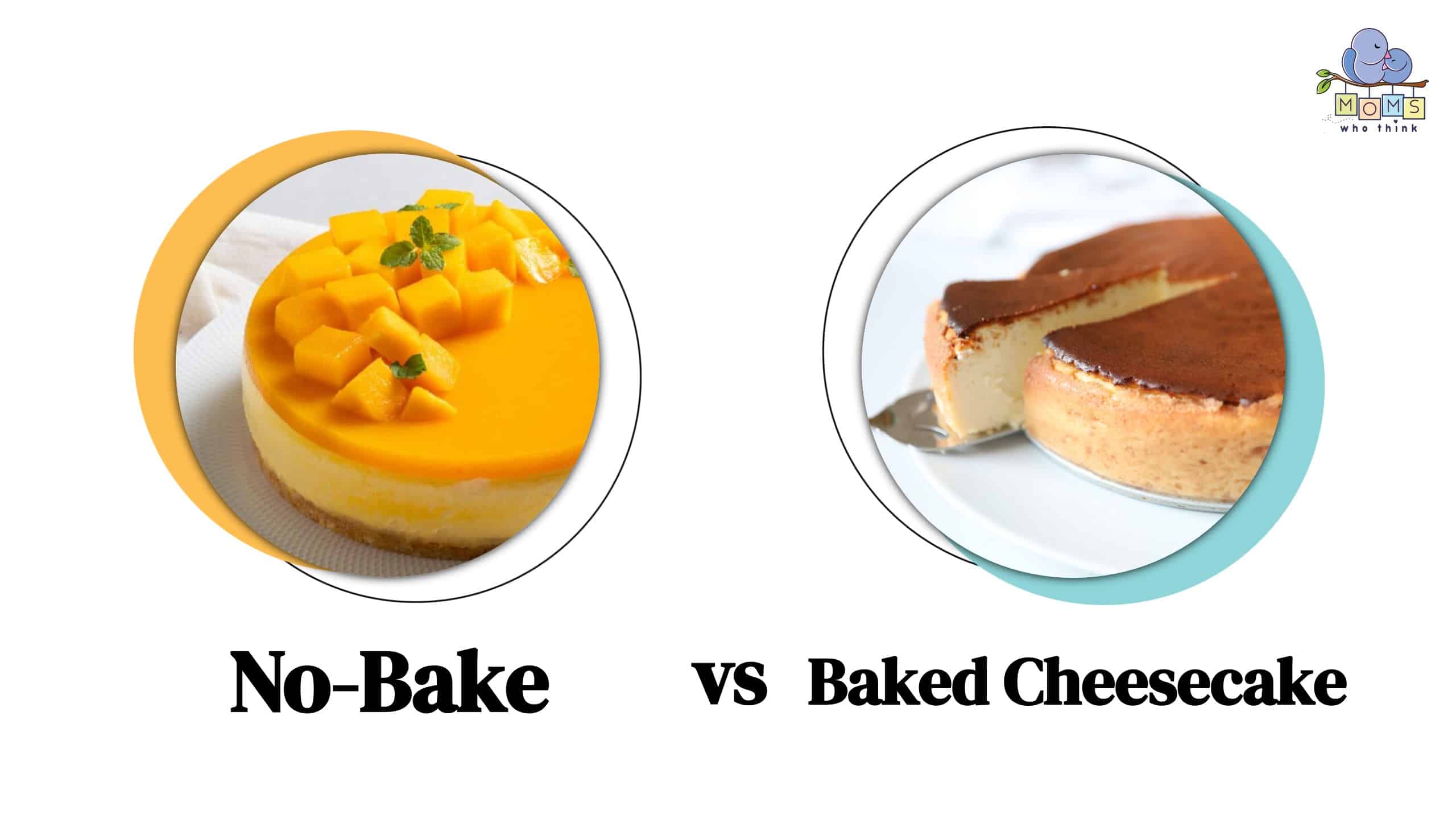
| Basque (Burnt) | Cream Cheese | Creamy center, charred exterior | Caramelized, toasted, bitter-sweet notes |
| German (Käsekuchen) | Quark | Firm but light | Tangier, less fatty, more "yogurt-like" |
As seen in the table above, an Italian cheesecake made with ricotta will have a more noticeable "cheese" flavor because ricotta is less processed and has a distinct curd structure. Conversely, the New York style—the global standard—is designed to be as smooth and dessert-like as possible.
Can You Make a Cheesecake That Actually Tastes Like Cheese?
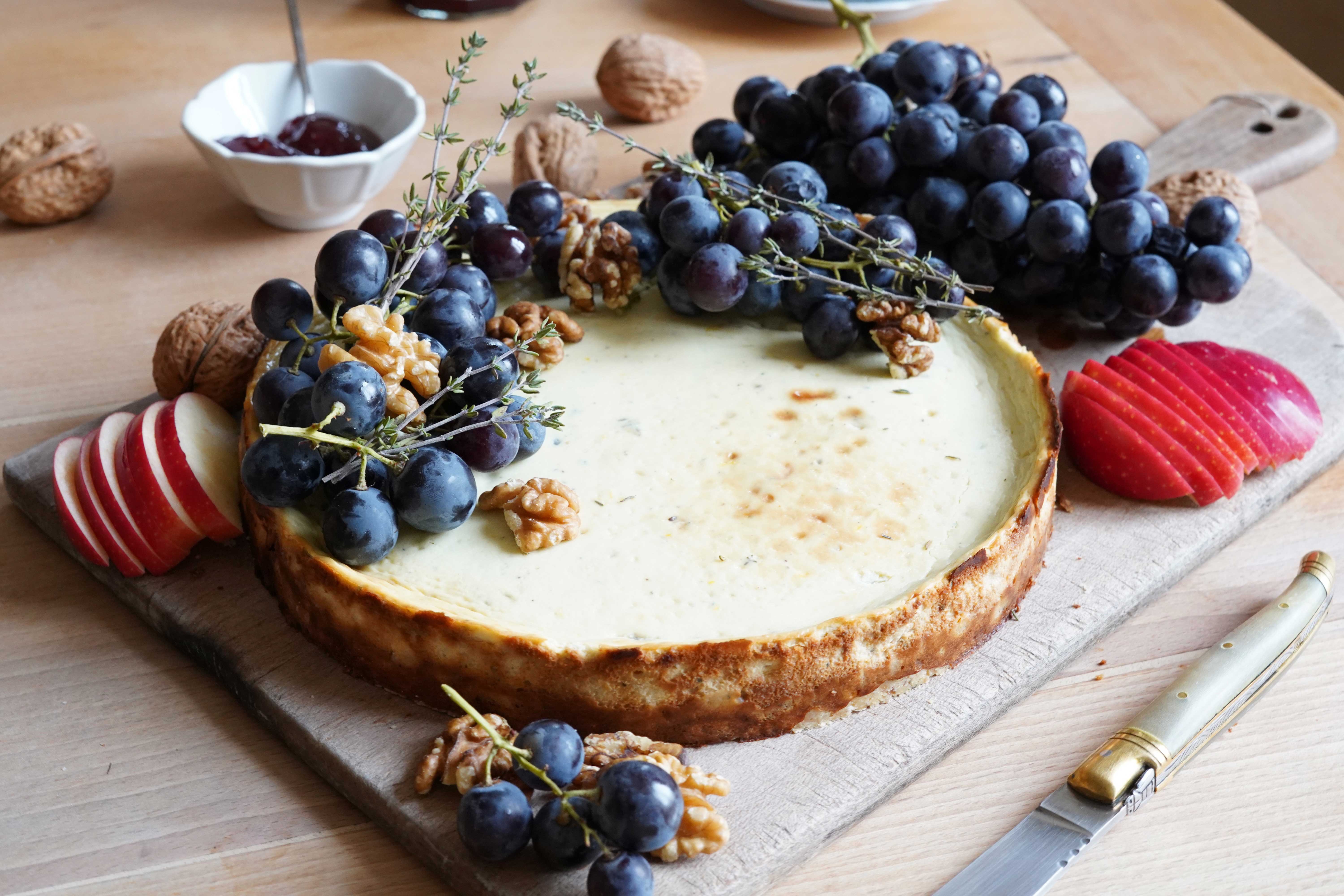
While the standard preference is for a sweet dessert, there is a niche for savory cheesecakes. These versions intentionally lean into the cheese's natural profile. By removing the sugar and vanilla and replacing them with herbs, garlic, or even sharper cheeses like Gorgonzola or aged Cheddar, you can create a dish that truly "tastes like cheese."
These savory versions are often served as appetizers or part of a brunch spread. However, when someone asks, "Does cheesecake taste like cheese?" they are almost always referring to the dessert. In the context of 2026 culinary trends, the lines occasionally blur with "fusion" desserts that incorporate miso or sea salt, but the core identity remains sweet.
Common Misconceptions and Sensory Expectations
A common reason people fear the taste of cheesecake is the association with "spoiled milk" or the pungency of blue cheese. It is important to clarify that:
- It is not "stinky": Cream cheese is a fresh dairy product with a mild aroma similar to heavy cream or butter.
- It is not salty: While there is a small amount of sodium, it is far lower than what is found in snacking cheeses.
- It is not funky: There are no molds or complex fermentation processes involved in the production of the base ingredients.
For those who are sensitive to dairy, the "tang" might be the most "cheesy" aspect they notice. This tang is similar to the flavor of Greek yogurt or sour cream. If you enjoy those products, you will likely enjoy the flavor of cheesecake.
Troubleshooting: Why Does My Cheesecake Taste "Off"?
Sometimes, a cheesecake does taste unpleasantly like cheese or has a strange aftertaste. This is usually due to a technical error rather than the nature of the dish.
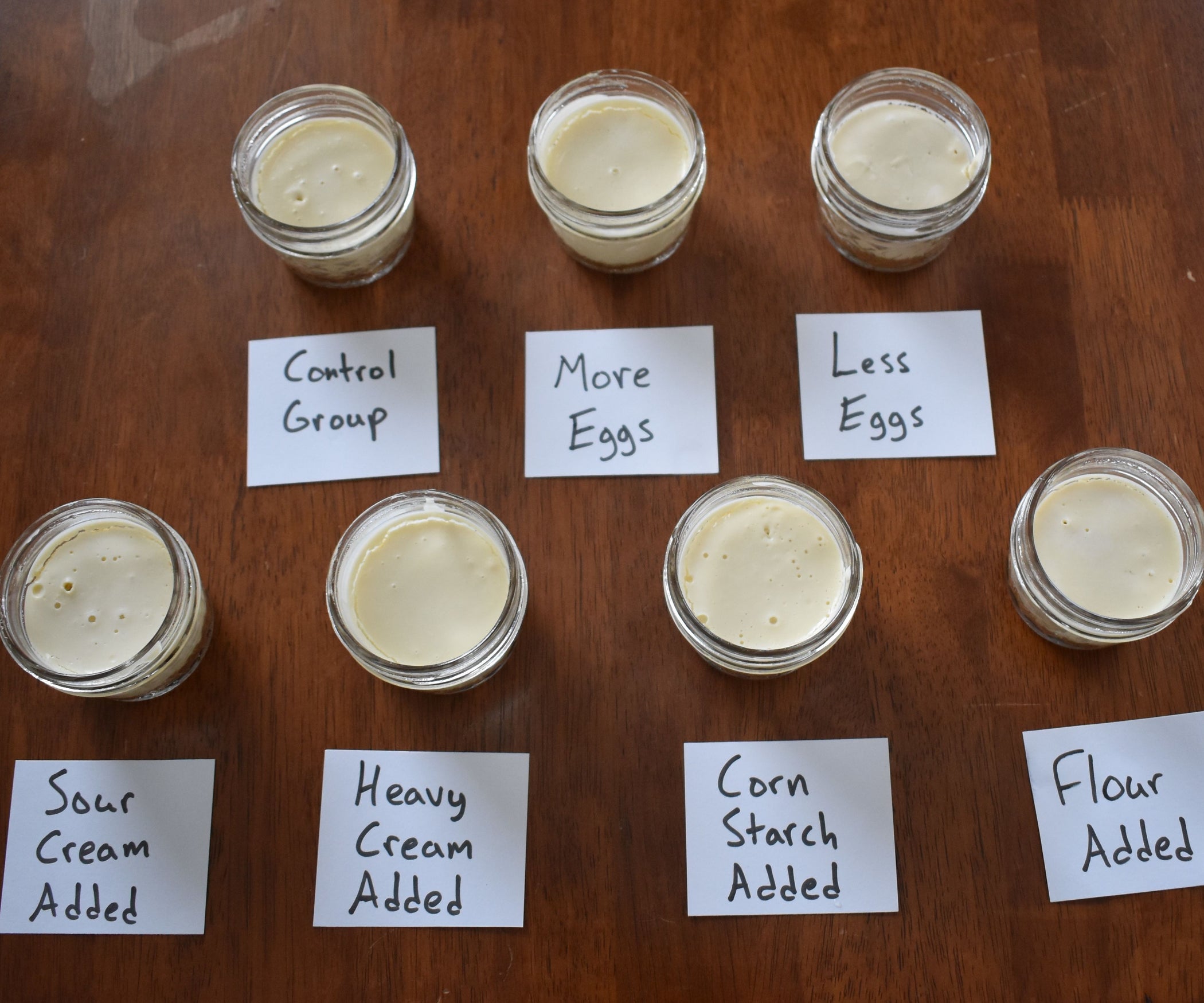
- Overbaking: If a cheesecake is overcooked, the proteins in the eggs can become "rubbery," and the dairy fats can take on a slightly cooked, "eggy" flavor that some mistake for a strong cheese taste.
- Low-Quality Cream Cheese: Using "spreadable" cream cheese from a tub rather than the foil-wrapped blocks can introduce stabilizers and gums that alter the flavor profile.
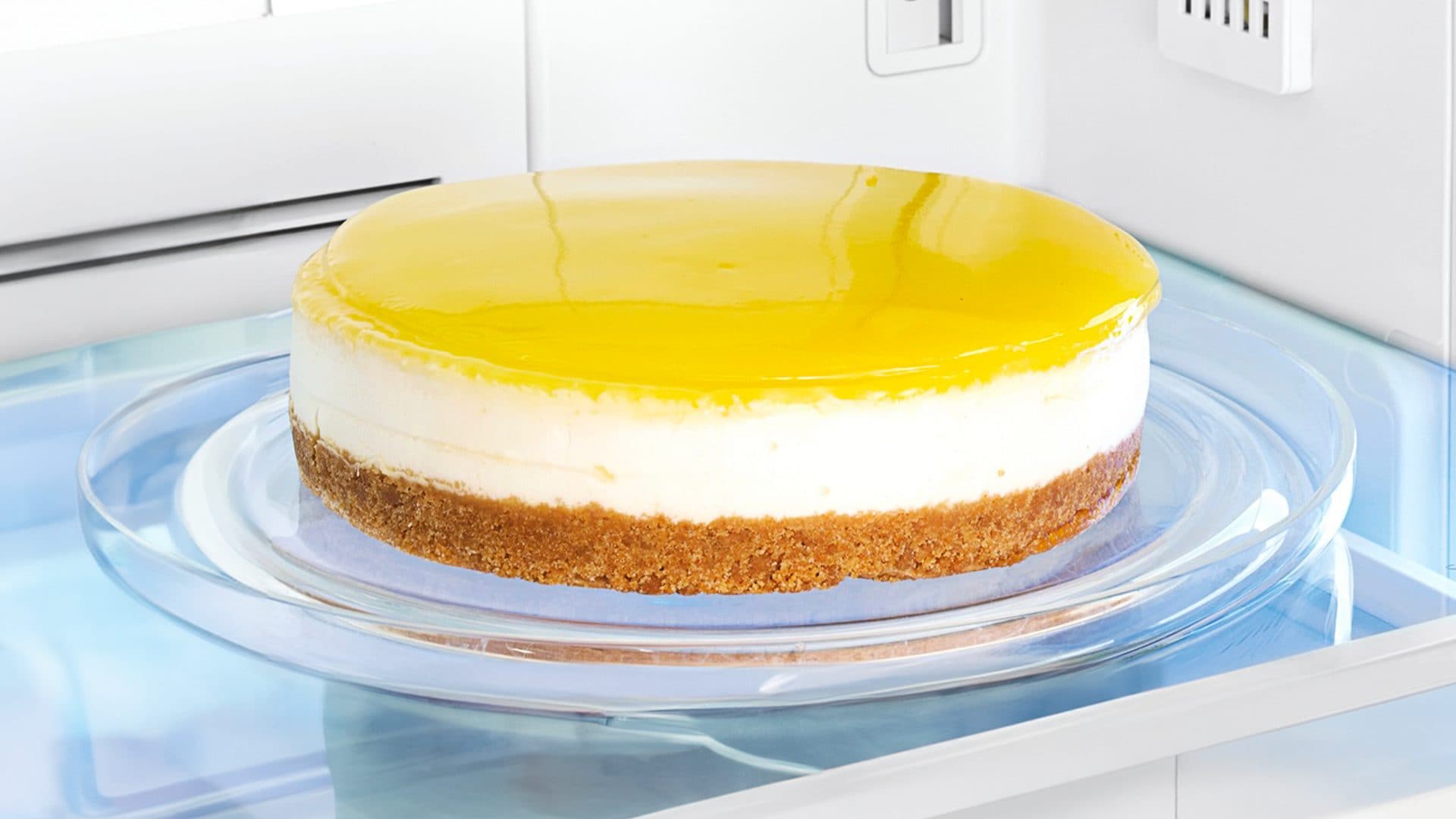
- Temperature: Cheesecake should always be served chilled. When it is warm, the fat molecules are more volatile, which can make the dairy flavors seem much more intense and "cheesy" than intended.
Recommendations for First-Time Tasters
If you are hesitant to try cheesecake because you dislike the taste of cheese, follow these steps to ensure a positive experience:
- Start with a New York Style: It is the sweetest and most "neutral" version. Look for brands that use high-quality vanilla bean.
- Choose a Fruit-Topped Variant: A strawberry or raspberry coulis adds additional acidity and sugar, further masking any dairy-heavy notes.
- Check the Crust: A thick graham cracker or Oreo crust provides a crunchy, salty-sweet contrast that balances the creamy filling perfectly.
- Avoid "Artisan" or Savory Versions: Stay away from cheesecakes that list goat cheese, blue cheese, or "savory herbs" until you are comfortable with the standard sweet version.
Frequently Asked Questions
Does cheesecake taste like cream cheese?
Yes, but in a modified form. If you imagine cream cheese mixed with a lot of sugar and vanilla, you have a very accurate idea of the flavor. The texture is much denser and more "cake-like" than plain cream cheese, however.
Is cheesecake salty?
No, it is not considered a salty food. While the cream cheese contains a small amount of salt for preservation, the sugar content overwhelmingly dominates the flavor profile.
Why do some people say cheesecake tastes "sour"?
This is usually due to the lactic acid in the cream cheese or the addition of sour cream/lemon juice in the recipe. This sourness is a "bright" tang, similar to what you find in a key lime pie or a lemon tart, rather than the sourness of spoiled food.
Can you taste the eggs in cheesecake?
In a well-made cheesecake, you should not taste the eggs. If it tastes "eggy," it usually means the cake was baked at too high a temperature or the ratio of eggs to cheese was too high.
Does the crust change the taste of the "cheese"?
Absolutely. A traditional graham cracker crust adds notes of honey and cinnamon, which complement the creaminess. A chocolate crust makes the overall experience feel more like a candy bar. The crust is a vital component in diverting the palate away from the "cheese" identity.
In summary, cheesecake is a masterpiece of culinary transformation. It takes a humble, mild cheese and, through the addition of sweetness and air, creates a flavor profile that is almost entirely distinct from the savory world of dairy. Whether you are a cheese lover or someone who avoids the dairy aisle, the unique, sweet, and tangy world of cheesecake is worth exploring.
Image Gallery