The Rise of Comprehensive Term Life Insurance: Protection and Living Benefits in 2026
The rise of comprehensive term life insurance represents a fundamental shift in the insurance market, moving away from simple death-benefit contracts toward multi-functional financial tools. In 2026, these policies integrate traditiona...
The rise of comprehensive term life insurance represents a fundamental shift in the insurance market, moving away from simple death-benefit contracts toward multi-functional financial tools. In 2026, these policies integrate traditional death protection with "living benefits"—allowing policyholders to access their face value during their lifetime to combat critical, chronic, or terminal illnesses while maintaining the affordability of term-based coverage.
Contents
For decades, term life insurance was viewed as a "pure" insurance product: you paid a premium, and if you died within the term, your beneficiaries received a payout. If you survived the term, the policy expired with no value. However, the landscape has changed. Driven by consumer demand for flexibility and advancements in digital underwriting, the industry has embraced comprehensive term life insurance (often referred to in historical searches and shorthand as "nsive trem" products). This evolution addresses a critical gap in financial planning—the risk of surviving a major medical event but being financially devastated by the costs of recovery and lost income.
The Evolution of the Term Life Landscape
To understand why comprehensive term products have become the dominant choice for families and business owners in 2026, one must look at the convergence of three major factors: medical advancement, insurtech innovation, and economic volatility.
Medical Advancement and Longevity
Medical science has significantly improved survival rates for conditions that were once terminal. According to the American Heart Association, stroke and heart attack survival rates have improved, yet the long-term care costs associated with recovery have skyrocketed. Traditional term life insurance offered nothing to a survivor. Comprehensive term insurance solves this by including Accelerated Death Benefit Riders (ADBRs) as a standard feature rather than an expensive add-on.
Insurtech and Algorithmic Underwriting
By 2026, the "rise" of these products is inextricably linked to the speed of acquisition. Companies like Ethos and Ladder, along with legacy carriers like Prudential and New York Life, have optimized algorithmic underwriting. This allows for comprehensive policies to be issued in minutes using data from Electronic Health Records (EHRs) and credit modeling, bypassing the traditional weeks-long medical exam process for most healthy applicants.
Economic Pressure
Inflation and fluctuating interest rates in the early 2020s forced consumers to seek higher value for every dollar. If a policyholder is paying $50 a month, they want that money to protect them against more than just death; they want a hedge against the financial ruin of a chronic illness.
Key Features of Comprehensive Term Life Insurance
What differentiates a "comprehensive" policy from the "basic" term policies of the past? The distinction lies in the riders and the contractual flexibility embedded in the document.
1. Living Benefits (The Core Pillar)
Living benefits allow the policyholder to accelerate a portion of the death benefit if they are diagnosed with a qualifying condition. In 2026, these typically fall into three categories:
- Terminal Illness: A diagnosis with a life expectancy of 12 to 24 months.
- Chronic Illness: The inability to perform two of the six "Activities of Daily Living" (ADLs), such as bathing, dressing, or eating.
- Critical Illness: Specific triggers such as a major heart attack, invasive cancer, or organ transplant.
The ability to access, for example, 50% to 80% of a $1 million policy while still alive provides a massive financial safety net that traditional term insurance lacked.
2. Enhanced Convertibility
A hallmark of the rise in these products is the "Convertible" feature. In 2026, comprehensive term policies often guarantee the right to convert the term policy into a permanent (Whole Life or Universal Life) policy without a new medical exam. This is a vital feature for young professionals whose health might decline but whose need for lifelong protection increases as they build wealth.
3. Waiver of Premium
Many modern comprehensive policies include or offer a low-cost rider for a Waiver of Premium. If the policyholder becomes totally disabled and unable to work, the insurance company covers the cost of the premiums, ensuring the coverage stays in force exactly when the family needs it most.
Comparing Basic Term vs. Comprehensive Term Coverage
When evaluating options in 2026, it is helpful to see the technical differences in a side-by-side comparison.
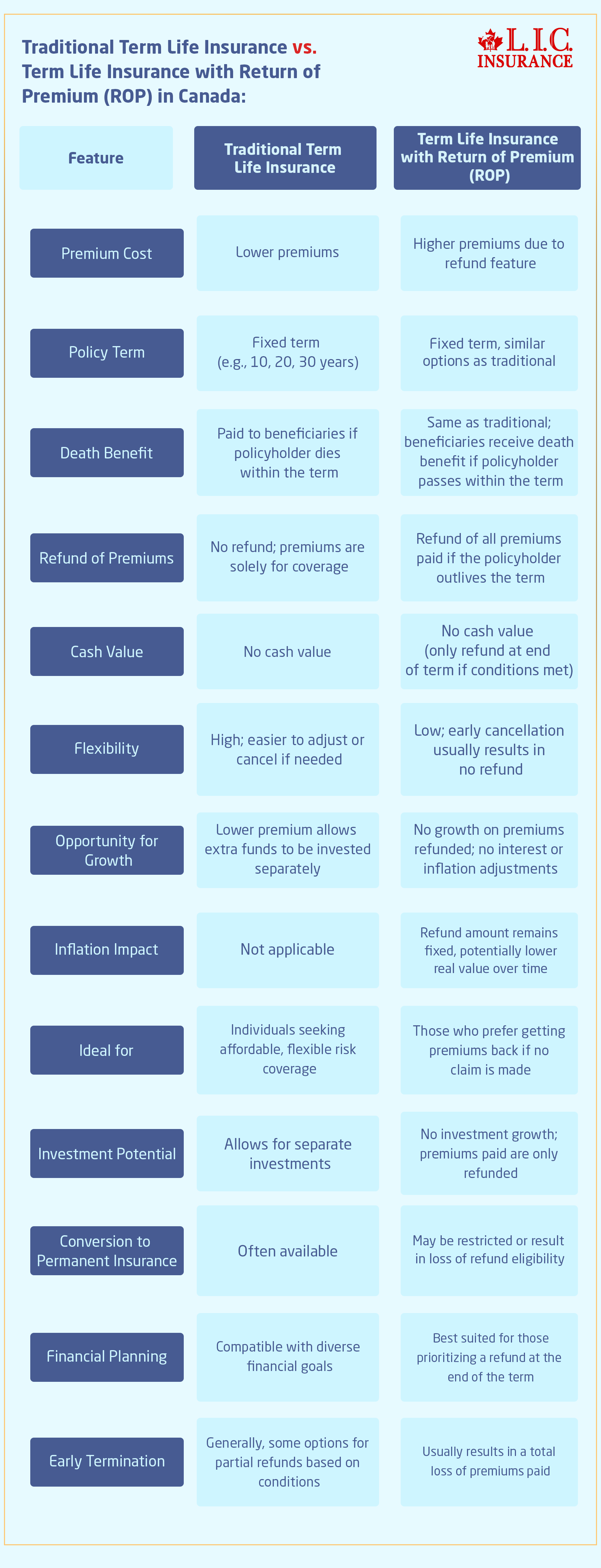
| Feature | Basic Term Insurance | Comprehensive Term Insurance |
|---|---|---|
| Primary Payout | Death of the insured only | Death OR qualifying illness/injury |
| Living Benefits | Rare or very limited | Standard (Critical, Chronic, Terminal) |
| Underwriting | Traditional (Exam required) | Mostly Digital (No-exam options) |
| Convertibility | May be limited or absent | Guaranteed conversion options |
| Cost | Lowest initial premium | Slightly higher (10-15% premium) |
| Flexibility | Rigid | High (can adjust riders/benefits) |
| Target Audience | Debt-only coverage | Holistic family protection |
The Role of Digital Underwriting in 2026
The technical backbone of the rise in comprehensive insurance is the use of Application Programming Interfaces (APIs) that connect insurance carriers to medical databases. In the past, "comprehensive" meant "complicated." Today, it means "integrated."
When an applicant applies for a comprehensive term policy in 2026, the carrier’s algorithm typically reviews:
- MIB Group Records: A database of previous insurance applications and medical impairments.
- Prescription History: Analysis of medications to determine underlying health risks.
- Digital Health Data: With permission, some carriers now integrate data from wearable devices to offer "wellness discounts" or to speed up the approval of higher-tier comprehensive features.
This technological integration has lowered the administrative costs of managing complex riders, allowing carriers to offer living benefits at a price point that is only marginally higher than basic death-benefit-only term.
Cost Considerations and Market Trends
In 2026, the cost of life insurance remains influenced by the National Association of Insurance Commissioners (NAIC) guidelines regarding reserve requirements. While comprehensive policies are slightly more expensive than basic term, the "cost per benefit" is significantly lower.
For a healthy 35-year-old non-smoker in 2026, a $500,000 basic 20-year term policy might cost $25 per month. A comprehensive version of that same policy, including full living benefits and a waiver of premium, might cost $32 per month. The $7 difference buys the policyholder the right to access several hundred thousand dollars in the event of a stroke or cancer diagnosis—a trade-off that the vast majority of modern consumers are now choosing.
Who Should Prioritize Comprehensive Term Insurance?
While these products are highly versatile, they are particularly beneficial for specific demographics:
- Primary Breadwinners: If your family depends on your income, a "death-only" policy leaves a massive gap if you are disabled but alive.
- Self-Employed Professionals: Without the safety net of a corporate group disability policy, living benefits within a life insurance policy act as a secondary disability shield.
- Young Families with Debt: The ability to use a death benefit to pay off a mortgage while fighting an illness can be the difference between keeping a home and foreclosure.
- Individuals with a Family History of Chronic Illness: Since the underwriting happens at the time of purchase, securing "living benefits" while healthy is a hedge against future genetic risks.
Common Misconceptions
Despite their rise, several myths persist regarding comprehensive term products in 2026.
Myth 1: Living benefits reduce the death benefit for the family. Fact: This is partially true. If you use $100,000 of a $500,000 policy for a critical illness, your heirs will receive $400,000 upon your death. However, most policyholders find this trade-off acceptable because the "living" money is used to keep the family afloat during a crisis.
Myth 2: You don't need comprehensive term if you have health insurance. Fact: Health insurance pays the doctor and the hospital. It does not pay your mortgage, your car note, or your grocery bill. Comprehensive term insurance provides unrestricted cash that can be used for any purpose.
Myth 3: The "living benefits" are a marketing gimmick. Fact: These benefits are contractually guaranteed. As long as the medical diagnosis meets the criteria defined in the policy (often verified by a third-party physician), the carrier is legally obligated to offer the acceleration of funds.
FAQs
What qualifies as a "Critical Illness" in most 2026 policies?
Most comprehensive term policies define critical illness as a major medical event that is not necessarily terminal but has a high impact on life and finances. This typically includes invasive cancer, heart attack, stroke, major organ transplant, end-stage renal failure, and sometimes severe burns or paralysis. Each policy has a specific list of "covered triggers."
Can I add living benefits to an existing basic term policy?
Generally, no. Living benefits are usually "built-in" at the time of issuance or added as riders during the initial underwriting process. If you have an older, basic term policy, you may need to replace it with a new comprehensive policy or check if your carrier offers a "conversion" to a newer product line that includes these features.
Is a medical exam always required for comprehensive coverage?
In 2026, many carriers offer "accelerated underwriting" for death benefits up to $1 million or $2 million. If your digital records (medical history, prescriptions, motor vehicle report) are clean, you can often secure a comprehensive policy without a physical exam. However, if the algorithm detects a red flag, a traditional paramedical exam may still be required.
How much of my death benefit can I access while alive?
This varies by carrier and the type of illness. For terminal illnesses, you can often access up to 100% of the benefit (capped at a certain dollar amount, like $1.5 million). For chronic or critical illnesses, the acceleration is often calculated based on the severity of the condition and its impact on your life expectancy, typically ranging from 25% to 90% of the face value.
Are the living benefit payouts taxable?
Under current 2026 tax codes (which follow long-standing IRS precedents like Section 101(g)), accelerated death benefits received by a terminally or chronically ill individual are generally received income-tax-free, provided they meet specific federal requirements. However, you should always consult a tax professional regarding large payouts.
Practical Recommendation: Next Steps
The rise of comprehensive term life insurance has made the "death-only" policy nearly obsolete for the average consumer. If you are currently shopping for coverage or reviewing an existing policy, your first step should be to request a Product Illustration that specifically highlights the "Accelerated Death Benefit" schedules.
Verify the "conversion window"—the period during which you can turn the term policy into a permanent one. Ideally, this should be available for the entire duration of the term or until age 65–70. Finally, work with an independent broker who can compare multiple "comprehensive" carriers, as the definitions for "chronic" or "critical" illness can vary significantly between insurance companies.
Image Gallery