Selecting a Life Insurance Specialist for Seniors: A Practical Guide
Securing life insurance later in life requires specialized knowledge of medical underwriting, simplified-issue policies, and estate planning considerations. Working with a dedicated life insurance specialist for seniors helps applicant...
Securing life insurance later in life requires specialized knowledge of medical underwriting, simplified-issue policies, and estate planning considerations. Working with a dedicated life insurance specialist for seniors helps applicants navigate age-related eligibility barriers, compare carrier-specific mortality risk assessments, and structure coverage that aligns with final expense needs or wealth transfer objectives while avoiding common disqualification pitfalls.
Contents
Understanding the Role of a Senior Life Insurance Specialist
A life insurance specialist for seniors is a licensed financial professional or insurance agent who focuses specifically on the needs of individuals aged 65 and older. Unlike a generalist who may prioritize high-volume term life products for younger families, a specialist understands the nuances of the senior market. This includes mastery of Final Expense insurance (often called burial insurance), Guaranteed Issue life insurance, and the implications of permanent life insurance on long-term care planning.
The primary value of these specialists lies in their ability to perform "pre-underwriting" assessments. When you apply for life insurance, your health history—ranging from managed hypertension to diabetes—is scrutinized by carrier actuaries. A specialist knows which companies are more lenient toward specific conditions, potentially saving you from a formal denial that would be recorded in the Medical Information Bureau (MIB) database, which other insurers can see.
Common Types of Coverage for Seniors
When engaging with a specialist, you will likely encounter three main categories of coverage. Each serves a different purpose and comes with distinct medical underwriting requirements.
- Simplified Issue Whole Life: These policies require no medical exam. Approval is based on answers to a set of health questions. They are ideal for seniors who are relatively healthy but want to avoid the invasiveness of paramedical exams.
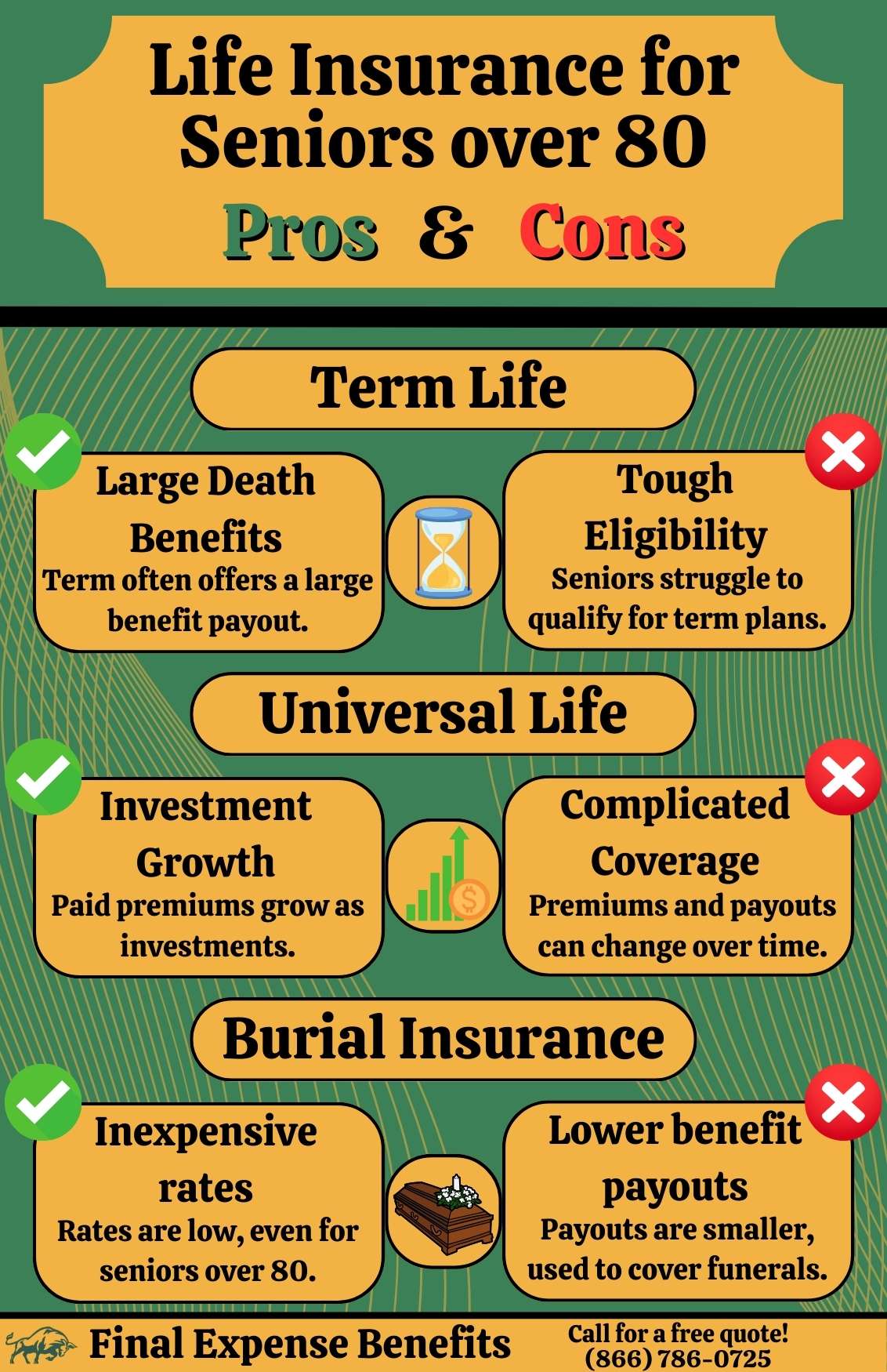
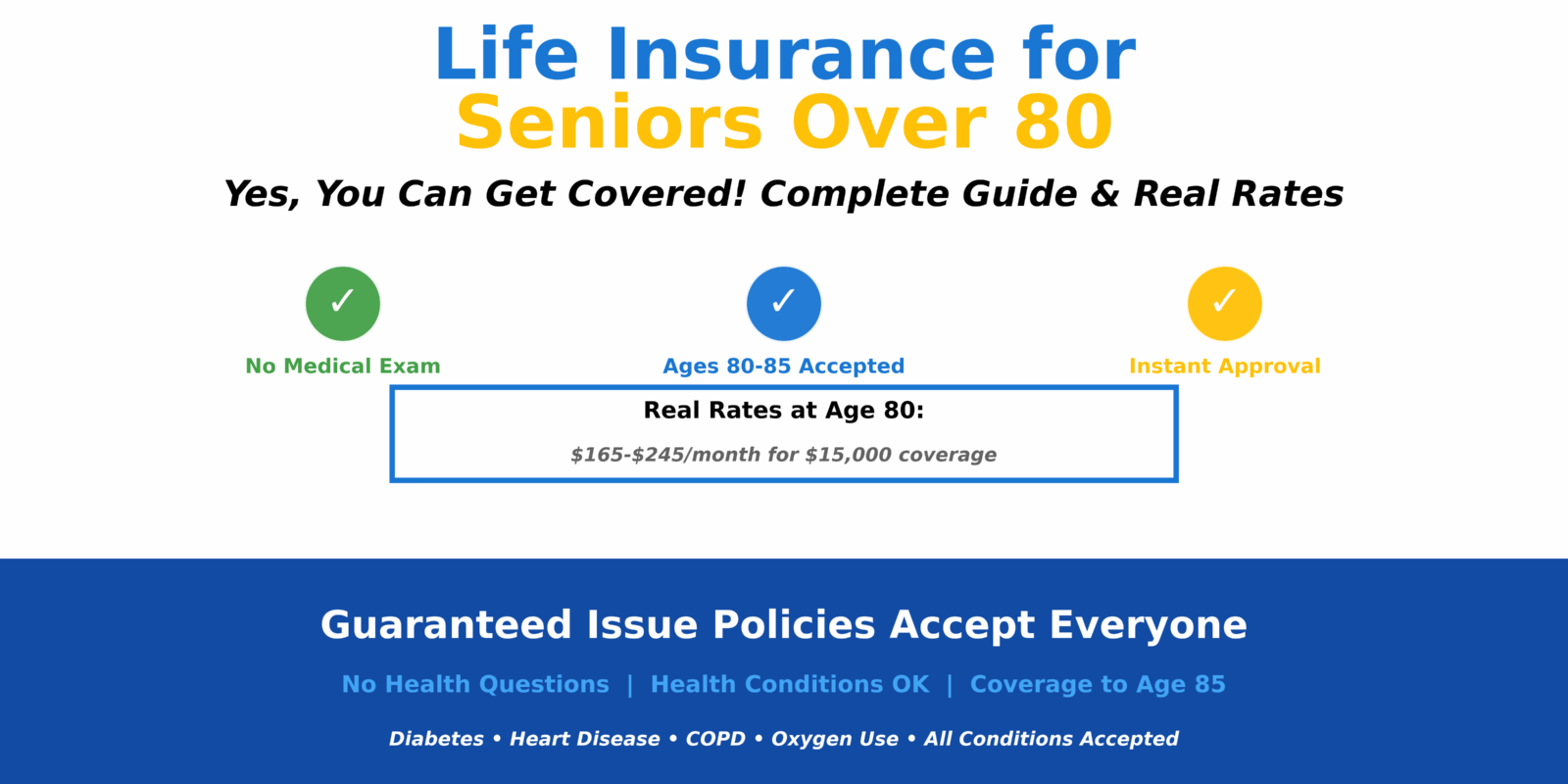
- Guaranteed Issue Whole Life: These policies do not require medical exams or health questions. Acceptance is guaranteed regardless of your health status. However, they often feature a "graded death benefit," meaning the full payout is only available if you survive for a set period (usually two to three years) after the policy is issued.
- Traditional Underwritten Policies: For seniors in excellent health, these policies offer the lowest premiums. They require a medical exam and a review of your medical records. Specialists often recommend these only for those seeking large death benefits for estate tax liquidity or business continuity.
Evaluating Potential Specialists
Not all agents who sell life insurance are equipped to handle the complexities of the senior demographic. To identify a qualified specialist, consider the following criteria:
- Independent Broker Status: Seek an agent who is "independent" or "captive-free." This means they can shop the market across dozens of different insurance carriers rather than being restricted to the products of a single company.
- Specialization in Senior Underwriting: Ask the agent about their experience with specific health conditions common to seniors, such as chronic obstructive pulmonary disease (COPD), heart disease, or history of cancer. A specialist should be able to tell you immediately which carriers are "niche" players for specific conditions.
- Transparency Regarding Commissions: While all insurance agents are compensated by the companies they represent, a reputable specialist will clearly explain how a policy is structured and why it is the most suitable option for your financial health rather than their commission structure.
- Estate and Tax Proficiency: For seniors looking at larger policies for wealth transfer, ensure the specialist understands the intersection of life insurance and the Internal Revenue Code, specifically regarding how death benefits interact with taxable estates.
Comparison of Coverage Options
The following table summarizes the key differences in how senior-oriented policies are structured, which can help you prepare for a consultation with a specialist.
| Feature | Simplified Issue | Guaranteed Issue | Traditional Underwritten |
|---|---|---|---|
| Medical Exam | No | No | Yes |
| Health Questions | Yes | No | Yes |
| Approval Speed | Minutes to Days | Immediate | Weeks to Months |
| Death Benefit | Full (Day 1) | Graded (Years 1-3) | Full (Day 1) |
| Cost | Moderate | High | Lowest |
Navigating the Application Process
Once you have identified a specialist, the application process should be structured to maximize your chances of approval. A professional specialist will guide you through these three steps:
1. The Pre-Screening Phase
Before a formal application is submitted, your specialist should ask for a "medical cheat sheet." This is a summary of your current medications, dosages, and recent surgical history. The specialist uses this to contact underwriters at various carriers anonymously (a process called "informal inquiry") to gauge the likelihood of approval.
2. The Application and Attestation
Your specialist will assist you in filling out the application accurately. A common error is failing to disclose a condition, which can lead to a denial for "material misrepresentation" later. Even if your health is poor, a specialist knows how to frame your application so that you are matched with a carrier that accepts your specific risk profile.
3. Monitoring and Policy Maintenance
Once the policy is issued, the specialist’s role continues. They should periodically review the policy—especially if the policy is a permanent (Universal or Whole Life) product—to ensure that interest rates and policy performance are tracking with initial projections, particularly in the current 2026 economic environment.
Frequently Asked Questions
Does age disqualify me from getting life insurance? No. Most carriers offer coverage up to age 85 or 90. Beyond that age, options become more limited, but certain niche carriers may still provide "final expense" or burial policies designed specifically for advanced ages.
Can I get life insurance if I am currently receiving medical treatment? It depends on the condition and the carrier. If you are receiving routine treatment for a managed chronic condition, you may still qualify for Simplified Issue policies. If you are currently hospitalized or terminally ill, eligibility for standard policies will be extremely limited.
What is a "graded" death benefit and why does it exist? A graded death benefit is a risk-mitigation tool used by insurers for Guaranteed Issue policies. If you die within the first two or three years of the policy, the insurer typically refunds your premiums plus interest rather than paying the full face value. This protects the insurer from adverse selection.
How much life insurance should I aim to get? For most seniors, the goal is "Final Expense" coverage, which ranges from $10,000 to $50,000 to cover funeral costs, medical bills, and small debts. If you are using insurance for estate planning, your needs may be significantly higher, and you should consult with a financial advisor alongside your insurance specialist.
Are life insurance payouts taxable? Generally, life insurance death benefits are income-tax-free for beneficiaries under current federal law. However, if the policy is part of a large estate, it may be subject to estate taxes unless it is held within an Irrevocable Life Insurance Trust (ILIT). Always confirm your specific situation with a tax professional.
Recommended Next Steps
If you are beginning your search for a life insurance specialist for seniors, start by requesting a Needs Analysis rather than a price quote. A quote is merely a number; a needs analysis defines exactly why you are seeking coverage and what amount is truly necessary. Once you have a firm grasp on your financial requirements, ask for a "market comparison" from an independent agent. This report should clearly identify the carrier, the product type (e.g., Whole Life), the underwriting requirements, and the guaranteed nature of the premium. By focusing on your specific health and financial goals, you can effectively bypass the confusion of the broad insurance market and secure a policy that provides genuine peace of mind.
Image Gallery