Why You Should Freeze Your Child’s Credit Now: A Complete Guide for 2026
Freezing your child’s credit is the most effective way to prevent identity theft by ensuring no one can open a new credit account in their name. This proactive step creates a "protected file" that lenders cannot access, effectively blo...
Freezing your child’s credit is the most effective way to prevent identity theft by ensuring no one can open a new credit account in their name. This proactive step creates a "protected file" that lenders cannot access, effectively blocking fraudulent loans or credit cards before they are ever issued.
Contents
As we move through 2026, the digital landscape has become increasingly complex. Data breaches involving educational institutions, healthcare providers, and social media platforms have left millions of minors’ Social Security numbers (SSNs) vulnerable on the dark web. For parents and guardians, understanding why a credit freeze is necessary—and how to implement one—is a critical component of modern financial parenting.
The Growing Threat of Child Identity Theft in 2026
Child identity theft is a particularly insidious crime because it often goes undetected for years. Unlike adults, who regularly check their bank statements and credit scores, children typically have no reason to interact with credit bureaus until they apply for their first student loan, car lease, or apartment. This "clean slate" status makes a child’s SSN a high-value asset for criminals.
The Rise of Synthetic Identity Fraud
In 2026, the primary threat is synthetic identity fraud. This involves a criminal combining a real, unused SSN (like a child’s) with a fake name and address. Because the SSN has no history associated with it, the thief can build a positive credit profile over several years, taking out massive loans or lines of credit. By the time the child reaches age 18, they may find their credit score ruined by a "ghost" identity they never knew existed.
Vulnerability of Institutional Data
Schools and pediatric offices have become prime targets for cyberattacks. While these institutions have improved their cybersecurity protocols, the sheer volume of personal data they store makes them inevitable targets. When a school district’s database is compromised, the SSNs of thousands of students may be leaked. Once that information is public, a credit freeze is the only reliable secondary line of defense.
How a Security Freeze Works for Minors
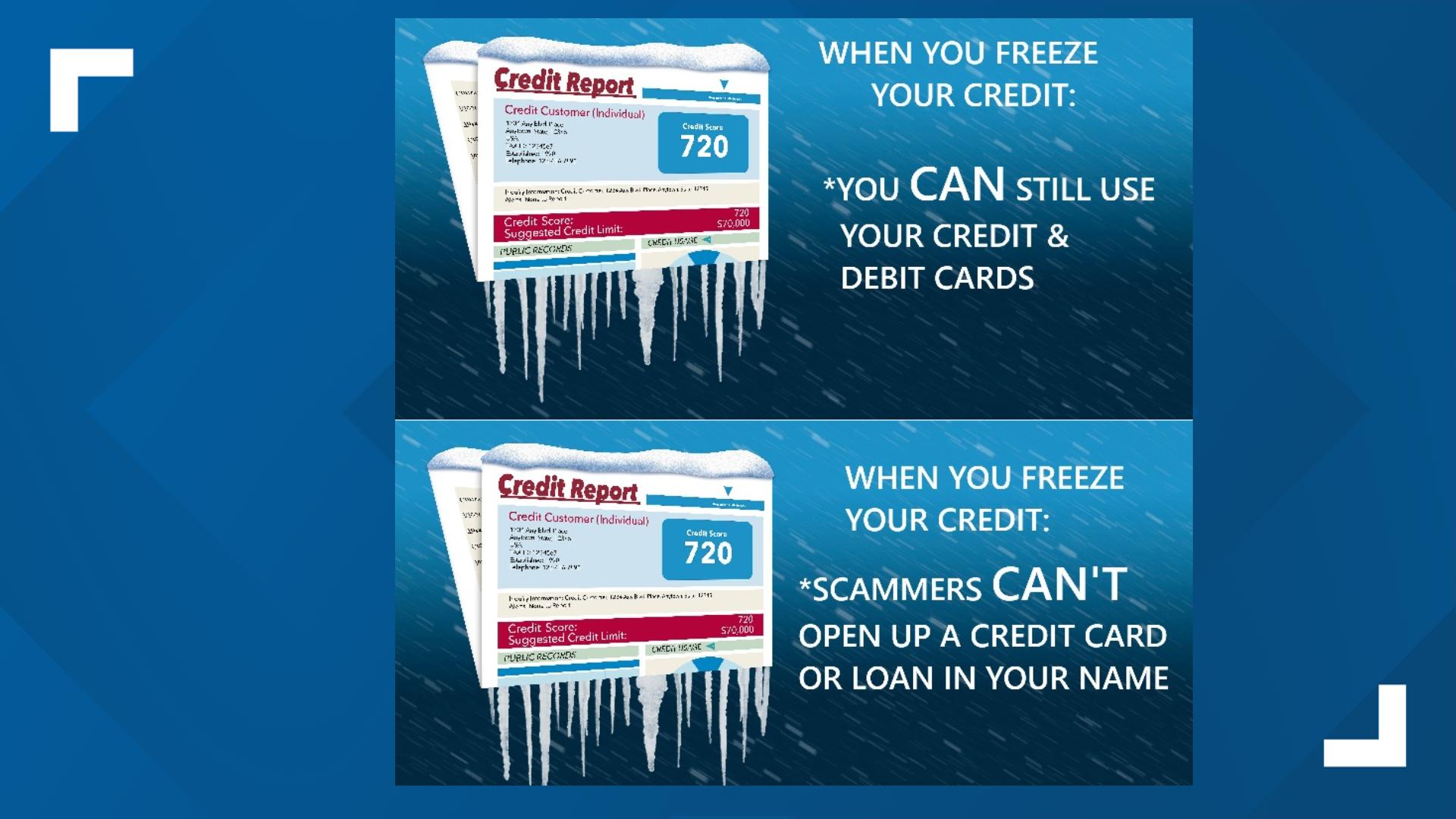
A security freeze, also known as a credit freeze, restricts access to a consumer’s credit report. When a lender receives an application for a new credit card or loan, they check the applicant's credit file with one of the three major bureaus: Equifax, Experian, or TransUnion. If the file is frozen, the lender cannot see the report and will typically deny the application immediately.
For a minor (usually defined as someone under age 16 for these purposes), the process is slightly different than it is for adults. Since most children do not have an existing credit file, the bureaus must first create a credit file for the child and then freeze it. This prevents any future activity until the legal guardian or the child (once they reach the age of majority) requests it be lifted.
The Federal Mandate for Free Freezes
It is important to note that under the Economic Growth, Regulatory Relief, and Consumer Protection Act, freezing and unfreezing credit at all three major bureaus is free of charge nationwide. This law was designed to ensure that financial security is accessible to all families regardless of income.
Step-by-Step Guide to Freezing Your Child’s Credit
To fully protect your child, you must contact each of the three major credit bureaus individually. Freezing a file at one bureau does not automatically freeze it at the others. In 2026, while some processes have moved online, many bureaus still require a mail-in application for minors to ensure the security of the legal guardianship documentation.
1. Equifax
Equifax allows parents to start the process online or via mail. You will need to provide proof that you are the minor's parent or legal guardian.
- Requirements: Equifax Minor Credit Freeze Request Form, proof of your identity, and proof of the child's identity.
- Documentation: Social Security cards and birth certificates are standard requirements.
2. Experian
Experian typically requires a written request submitted through their dedicated "Minor Identity Protection" portal or via mail.
- Process: You must provide a copy of your government-issued ID, a copy of the child’s Social Security card, and a copy of the child’s birth certificate.
- Verification: Experian is known for rigorous verification to prevent unauthorized individuals from tampering with a minor’s record.
3. TransUnion
TransUnion uses a "Protected Consumer" status for minors. You must submit a request to search for an existing file and then request a freeze.
- Submission: This is often handled via a secure online upload or traditional mail.
- Confirmation: You will receive a confirmation once the protected file has been created and the freeze is active.
Required Documentation for Parents and Guardians
The credit bureaus require significant documentation to prove your relationship to the child and your authority to act on their behalf. Gathering these documents beforehand will streamline the process.
| Document Category | Examples of Accepted Evidence |
|---|---|
| Proof of Identity (Adult) | Valid Driver’s License, Passport, or State ID |
| Proof of Identity (Minor) | Social Security Card, Birth Certificate, or Foster Care Paperwork |
| Proof of Authority | Birth Certificate (listing parent), Court-ordered Guardianship papers, or Power of Attorney |
| Proof of Address | Utility bill, Bank statement, or Insurance statement (dated within 60 days) |
The Long-Term Benefits of an Early Freeze
Beyond preventing immediate fraud, freezing a child’s credit now provides a foundation for their future financial health. When a young adult begins their financial journey, they should be starting from zero, not from a negative balance caused by years of identity abuse.
Avoiding the "Collection Call" Surprise
One of the most traumatic ways families discover child identity theft is through collection calls for debts the child could not possibly have incurred. These debts often involve utility bills, cell phone contracts, or high-interest retail cards. Resolving these issues can take hundreds of hours of correspondence with creditors and law enforcement. A freeze prevents these accounts from being opened in the first place, saving the family from future administrative nightmares.
Protecting Government Benefits
In some cases, identity thieves use a child’s SSN to fraudulently claim government benefits or tax refunds. While a credit freeze specifically targets financial credit, it often acts as a deterrent for broader identity use, as the thief realizes the SSN is being actively monitored or managed.
When Should You Unfreeze the Credit?
The credit freeze should remain in place until the child needs to use their credit. This typically occurs when they:
- Apply for their first student loan.
- Apply for a credit card in their own name.
- Apply for an apartment lease.
- Undergo a background check for employment that includes a credit pull.
In 2026, many young adults choose to keep their credit frozen by default, only "thawing" it for a specific window of time (such as 24 or 48 hours) when they are actively applying for a service. This "temporary lift" is a standard feature provided by all three bureaus and can be managed through their respective mobile apps or websites once the child turns 18.
Common Pitfalls and How to Avoid Them
While the process is straightforward, there are a few common mistakes that can complicate the security of your child’s identity.
Losing the PIN or Confirmation Code When you freeze a credit file, the bureau may provide a specific PIN or confirmation code. This code is often required to unfreeze the account later. It is vital to store this information in a secure physical location or an encrypted password manager. If you lose the PIN in 2026, you will likely have to undergo a manual identity verification process that involves mailing in physical documents again.
Assuming a "Credit Lock" is the Same as a "Freeze" Bureaus often promote "Credit Locks" as a convenient alternative. While a lock is easier to toggle on and off via an app, it is often a paid service and does not carry the same legal protections as a federal credit freeze. For a minor, a Security Freeze is the superior, legally mandated free option.
Neglecting to Check for an Existing File Before requesting a freeze, you should ask the bureaus if a file already exists for your child. If a file exists, it is a red flag that identity theft may have already occurred. In this case, you must request a copy of the report, file a police report, and contact the Federal Trade Commission (FTC) immediately.
Frequently Asked Questions
Does freezing my child’s credit affect their future credit score?
No. Freezing a credit file has no impact on a future credit score. In fact, most children do not even have a credit score until they begin using credit as an adult. The freeze simply prevents the creation of unauthorized history.
Is there an age limit for freezing a child's credit?
Federal law allows parents to freeze the credit of any child under the age of 16. For those aged 16 and 17, the process may vary slightly, and in some cases, the teenager may need to initiate the request themselves depending on state-specific regulations.
How long does it take for a credit freeze to go into effect?
If requested online or by phone, the freeze must be implemented within 24 hours. If requested by mail, the bureaus must place the freeze within three business days of receiving the request.
Do I need to freeze credit for a newborn?
Yes. It is recommended to freeze a child’s credit as soon as they receive their Social Security number. This ensures that their identity is protected from the very beginning of their life.
Will a credit freeze stop all types of identity theft?
A credit freeze is highly effective against financial identity theft (opening new accounts). However, it does not prevent a thief from using a child’s SSN for employment fraud or medical identity theft. Families should remain vigilant and review their Social Security statements and medical bills regularly.
Next Steps for Parents
The best time to freeze your child's credit was the day they were born; the second best time is today. To begin, visit the official websites of Equifax, Experian, and TransUnion and search for their "Minor Credit Freeze" or "Child Identity Theft" sections. Dedicate one hour this week to gathering your documents and submitting the requests. This small investment of time provides nearly two decades of financial security for your child, ensuring that when they are ready to start their independent lives, their credit record remains untarnished.
Image Gallery