Delta Worker Dies in Orlando: Workplace Safety in Focus and Regulatory Compliance
The tragic incident involving a Delta Air Lines worker fatality in Orlando brings critical attention to airport ramp safety, ground operations hazards, and the strict oversight enforced by federal regulatory bodies like the Occupationa...
The tragic incident involving a Delta Air Lines worker fatality in Orlando brings critical attention to airport ramp safety, ground operations hazards, and the strict oversight enforced by federal regulatory bodies like the Occupational Safety and Health Administration (OSHA). This event highlights the severe risks inherent in aviation ground handling and underscores the ongoing need for rigorous compliance, comprehensive training, and systemic safety interventions across the commercial airline industry.
Contents
Understanding the Orlando Incident and Aviation Ground Operations
Aviation ground support operations are among the most fast-paced, high-pressure, and mechanically complex environments in the modern transportation sector. When a fatality occurs on an active airfield or ramp area, it immediately triggers a multi-agency investigation involving federal regulators, local authorities, and the airline itself.
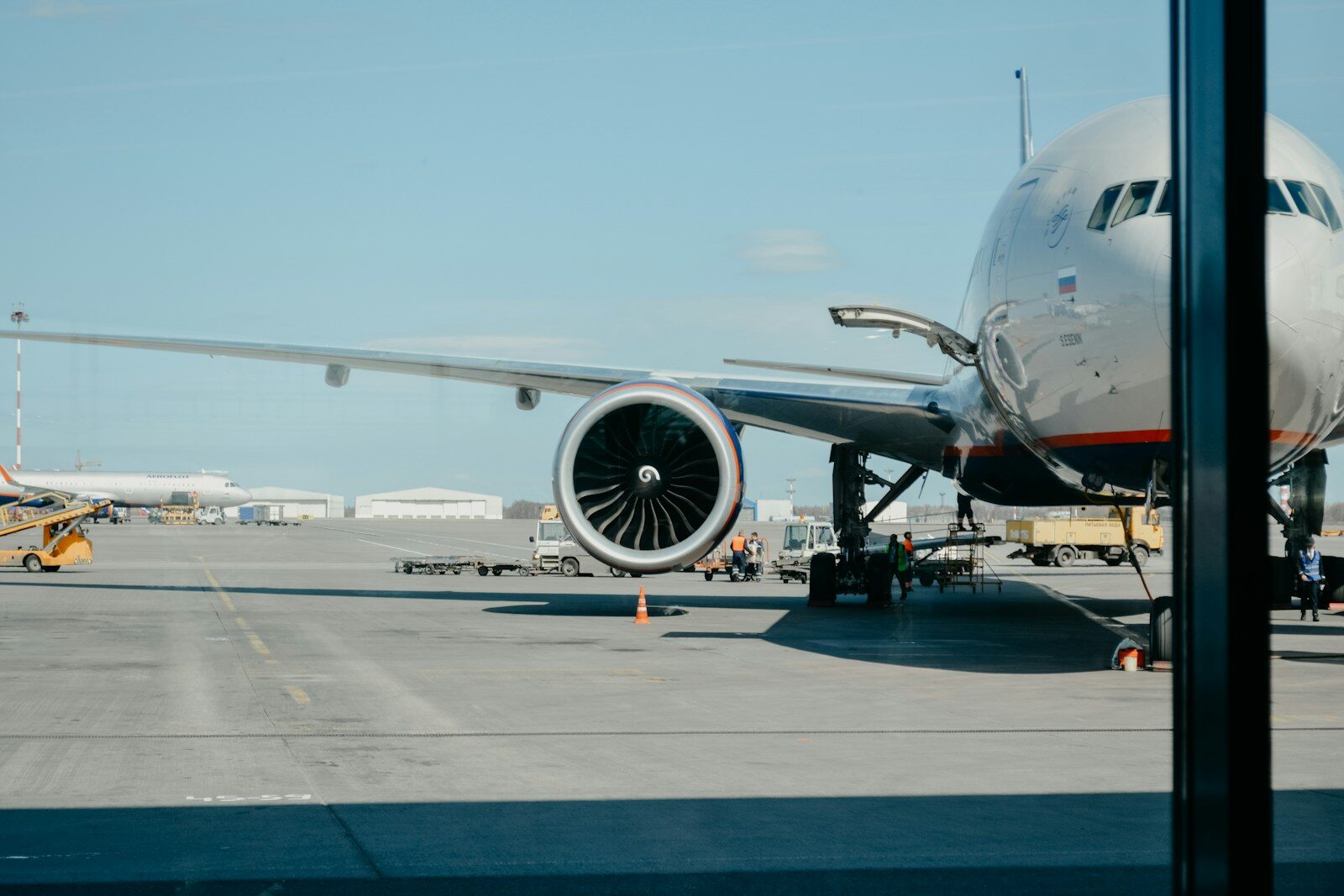
Ramp operations involve the coordination of heavy machinery, moving aircraft, baggage handling systems, fueling trucks, and dynamic weather conditions. Workers on the tarmac must navigate tight turnaround schedules while maintaining constant vigilance. The integration of various contractors, airline employees, and airport authority personnel creates an environment where communication gaps can lead to catastrophic consequences. Understanding the systemic causes of such accidents requires examining the intersection of human factors, equipment maintenance, procedural adherence, and corporate safety culture.
The Role of OSHA and Federal Regulatory Oversight
When workplace fatalities occur within the United States aviation sector, jurisdiction over safety standards and worker protection is shared and sometimes complexly demarcated between the Federal Aviation Administration (FAA) and the Occupational Safety and Health Administration (OSHA).
Under the Occupational Safety and Health Act, employers have a general duty to provide a workplace free from recognized hazards that are causing or are likely to cause death or serious physical harm. While the FAA holds primary authority over aviation safety, including flight operations and airworthiness, OSHA retains jurisdiction over occupational safety and health standards for ground personnel, maintenance workers, and baggage handlers.
Key Regulatory Responsibilities in Aviation Workplaces
- Hazard Identification and Mitigation: Employers must conduct routine workplace assessments to identify moving vehicle hazards, pinch points, and ergonomic strains.
- Incident Reporting Mandates: Workplace fatalities must be reported to OSHA within strict statutory timeframes—typically eight hours from the time the employer learns of the incident.
- Standard Operating Procedures (SOPs): Clear, enforceable protocols must govern every phase of ground handling, from aircraft marshalling to pushback operations.
- Post-Incident Investigations: Federal inspectors review training records, equipment maintenance logs, safety committee notes, and eyewitness accounts to determine whether willful or serious safety violations contributed to the fatality.
Comparative Overview of Aviation Ground Safety Frameworks
To contextualize how workplace safety is managed and enforced across major carriers and regulatory entities, the following table outlines the core components of aviation ground safety oversight.
| Agency or Entity | Primary Jurisdiction | Key Enforcement Mechanism | Focus Area |
|---|---|---|---|
| OSHA | Ground personnel, maintenance facilities, baggage handling areas | Citations, monetary fines, mandated hazard abatement | Occupational safety, health standards, equipment guarding |
| FAA | Flight operations, airworthiness, airfield geometry, pilot and air traffic control | Certificate actions, civil penalties, safety directives | Air navigation safety, aircraft integrity, flight path management |
| Airline Safety Department | Internal workforce, contracted ground handlers, regional operations | Internal audits, disciplinary policies, mandatory retraining | Corporate safety culture, adherence to internal SOPs, proactive reporting |
| National Transportation Safety Board (NTSB) | Independent investigative agency for major transport accidents | Probable cause determinations, safety recommendations | Systemic safety improvements, accident reconstruction |
Common Hazards in Airline Ramp Operations
Ramp work exposes employees to a wide array of physical hazards on a daily basis. Mitigating these risks requires continuous training and strict adherence to safety margins. The most prominent hazards include:
1. Moving Aircraft and Ground Support Equipment (GSE)
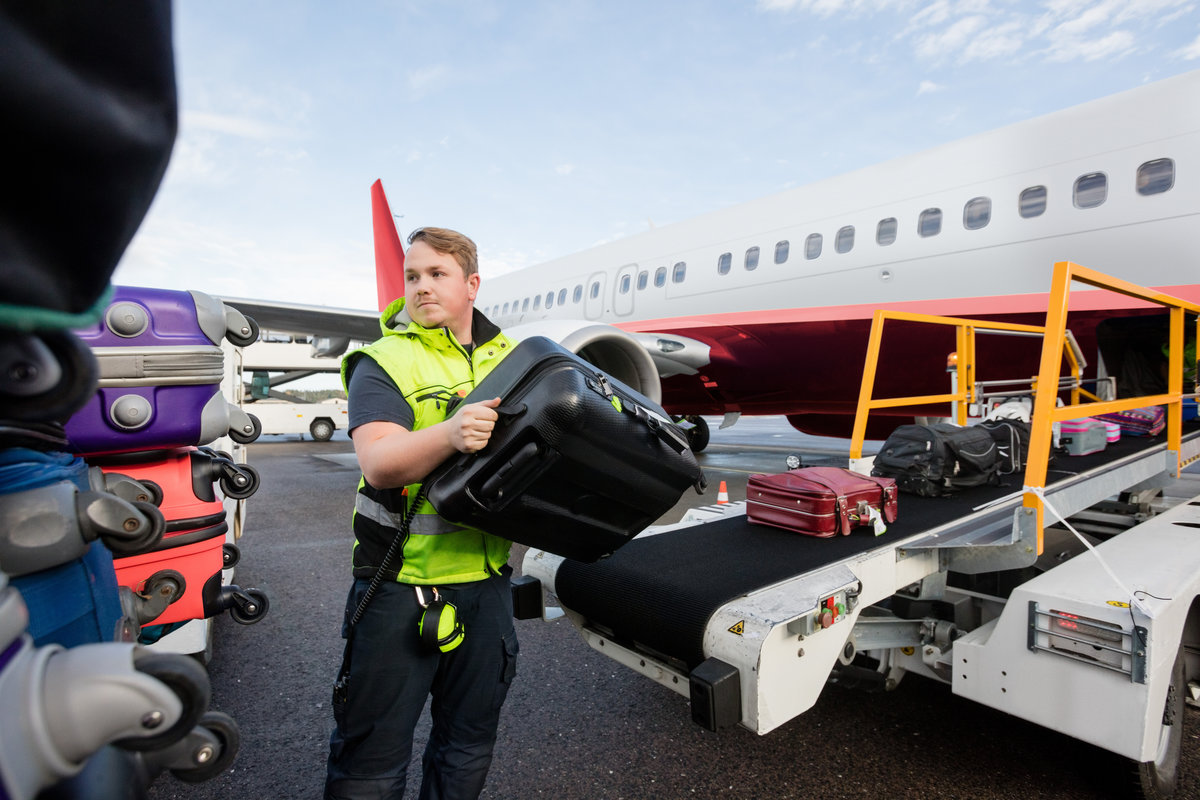
Tugs, baggage carts, fuel trucks, and catering vehicles operate in close proximity to standing aircraft and walking personnel. Blind spots on heavy GSE, combined with high ambient noise levels on the ramp, increase the risk of struck-by and crush injuries.
2. Environmental and Weather Extremes
Orlando and similar southern operating environments present severe weather challenges, including sudden lightning storms, extreme heat, and high humidity. Heat stress can impair cognitive function and reaction times, while wet pavement reduces traction for both vehicles and workers.
3. Equipment Mechanical Failures
Hydraulic systems on pushback tractors, lifting mechanisms on belt loaders, and tow bar connections are subject to extreme wear. Regular preventive maintenance is essential to prevent sudden mechanical catastrophic failures during active operations.
Industry Response and Evolving Safety Protocols
Following high-profile incidents on airport ramps, major carriers and industry associations frequently review and update their safety management systems (SMS). An effective SMS shifts the organizational focus from reactive compliance to proactive hazard identification and risk mitigation.
Airlines are increasingly investing in advanced ground surveillance technologies, proximity warning systems on GSE, and mandatory reflective apparel that enhances visibility during night operations and inclement weather. Furthermore, human factors training is being expanded to emphasize effective communication between flight decks, wing walkers, and ground crews. Clear hand signals, headset communication protocols, and standardized marshalling techniques reduce the ambiguity that often precedes ramp accidents.
Frequently Asked Questions
What federal agencies investigate workplace fatalities at commercial airports?
Investigations are typically led by OSHA regarding employee safety standards and working conditions. If the incident involves aircraft movement or operational procedures that intersect with flight safety, the NTSB and FAA may also participate or conduct independent inquiries.
How do airlines protect ramp workers from severe weather hazards?
Airlines utilize automated weather monitoring systems, lightning detection networks, and localized radar to suspend ramp operations when hazardous conditions—such as lightning within a specified radius—are detected. Heat illness prevention programs mandate hydration breaks and shaded rest areas during peak summer months.
What is a Safety Management System (SMS) in aviation?
An SMS is a structured, systematic approach to managing safety, including the necessary organizational structures, accountabilities, policies, and procedures. It enables airlines to systematically identify hazards, assess risks, and implement mitigations before accidents occur.
Are airline ground handlers directly employed by major airlines or third-party contractors?
Both models exist. While major network carriers employ their many ground personnel directly, a significant portion of ramp handling, baggage sorting, and cabin cleaning is outsourced to third-party ground handling service providers. Safety standards must be uniformly enforced across both direct and contracted workforces.
What legal rights do workers have regarding unsafe working conditions?
Under Section 11(c) of the OSH Act, workers have the right to a safe workplace without fear of retaliation. Employees can report safety hazards to their employer or directly to OSHA, and they have the right to refuse work in situations where there is a reasonable expectation of imminent danger of death or serious injury.
Next Actions and Safety Verification
For aviation professionals, labor representatives, and safety managers seeking to evaluate or improve local operational safety, the primary next steps involve reviewing current OSHA standards, conducting comprehensive job safety analyses (JSAs) for all ramp tasks, and verifying that all reporting channels for near-misses are active and non-punitive. Ensuring that every worker is empowered to halt an operation when safety is compromised remains the cornerstone of modern aviation safety practice.
Image Gallery