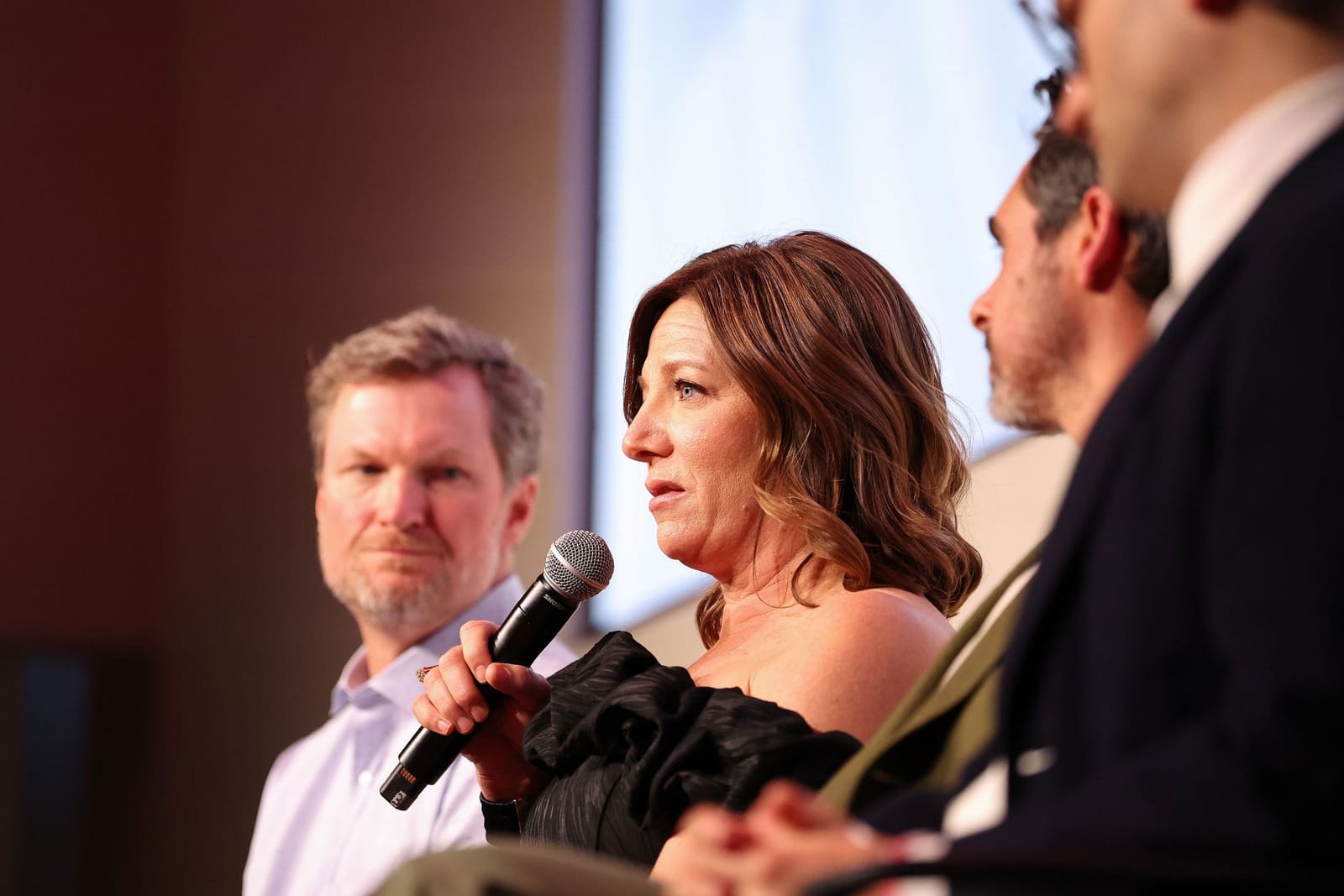
Inside the Story of Kelley Earnhardt Racing: The Architect of an Empire
Kelley Earnhardt Miller is the co-owner and Chief Executive Officer of JR Motorsports, serving as the primary business architect behind one of NASCAR’s most successful organizations. While often identified through her family lineage, s...
Kelley Earnhardt Miller is the co-owner and Chief Executive Officer of JR Motorsports, serving as the primary business architect behind one of NASCAR’s most successful organizations. While often identified through her family lineage, she is the strategic force responsible for managing the Earnhardt brand, securing multi-million dollar sponsorships, and transforming a local racing team into a perennial championship contender.
Contents
For decades, the Earnhardt name was synonymous with grit and on-track dominance. However, the transition of that name from a driver-centric legacy into a sustainable, diversified business empire was not an accident of fate. It was the result of a calculated, often uphill battle led by Kelley Earnhardt Miller. Understanding the story of "Kelley Earnhardt Racing"—which manifests primarily through the operations of JR Motorsports (JRM)—requires looking beyond the driver's seat to the boardroom where the sport's most complex deals are forged.
From the Driver’s Seat to the Boardroom
Before she was the CEO of a racing powerhouse, Kelley Earnhardt was a formidable competitor on the track. In the early 1990s, she raced stock cars at local short tracks like Hickory Motor Speedway, often outperforming many of her male counterparts. While her brother, Dale Earnhardt Jr., and her father, the legendary Dale Earnhardt Sr., focused on their driving careers, Kelley displayed an early aptitude for both the mechanical and tactical sides of the sport.
Despite her talent, the path for women in racing during that era was narrow. Faced with limited sponsorship opportunities and a shifting personal interest toward the business mechanisms that keep cars on the track, she made the pivotal decision to pivot. After graduating from the University of North Carolina at Charlotte with a degree in business administration, she began working for Action Performance, a leader in motorsports merchandising. This experience provided her with the "technical" education of the racing industry: how licensing, merchandise, and fan engagement translate into revenue.
The Birth and Evolution of JR Motorsports
JR Motorsports did not begin as the multi-car powerhouse it is today. It started in 2002 in a small building on the Dale Earnhardt Inc. (DEI) property, originally intended to manage Dale Jr.’s personal business ventures and a single local late-model program.
When Kelley took the reins as General Manager, she inherited a brand that was massive in popularity but needed institutional structure. Her primary challenge was to decouple the "Earnhardt" name from the volatility of a driver’s individual performance and turn it into a corporate entity that could survive long-term.
The Hendrick Partnership: A Strategic Masterstroke
One of the most significant turning points in Kelley’s leadership occurred in 2008. By merging JR Motorsports' Xfinity Series (then Nationwide Series) operations with those of Hendrick Motorsports, she secured a technical alliance that guaranteed top-tier equipment. This partnership was not merely about faster cars; it was a business maneuver that allowed JRM to leverage the R&D capabilities of a Cup Series giant while maintaining the independent Earnhardt brand identity.
Under her guidance, JRM became the premier "finishing school" for NASCAR talent. Drivers like Brad Keselowski, Chase Elliott, and Tyler Reddick used the platform Kelley built to launch championship-winning careers.
The Business Engine: Sponsorship and Brand Management
In NASCAR, the "story" is written in the garage, but the "story" is funded in the boardroom. Kelley Earnhardt Miller is widely regarded as one of the best negotiators in the garage. Her ability to retain long-term partners—even through economic downturns and Dale Jr.’s retirement from full-time racing in 2017—is a testament to her business acumen.
Diversification of Revenue
As of 2026, JR Motorsports has diversified significantly beyond the Xfinity Series. Kelley has overseen the expansion into:
- Late Model Stock Cars: Maintaining the grassroots connection that remains the heartbeat of the sport.
- Management Services: Handling the branding and business portfolios of other professional athletes and personalities.
- Licensing and Retail: Transforming the "JR" brand into a lifestyle entity that transcends race day.
The "Inside Story" is often one of rigorous cost-benefit analysis. While fans see the cars on track, Kelley is analyzing the ROI for partners like Unilever, Bass Pro Shops, and Brandt. She transitioned the team from a "family hobby" to a professionalized corporate structure that employs hundreds of people in Mooresville, North Carolina.
Key Milestones in the Kelley Earnhardt Miller Era
| Year | Milestone | Impact on the Organization |
|---|---|---|
| 2002 | JR Motorsports Founded | Established the foundation for Dale Jr.'s independent ventures. |
| 2007 | Kelley assumes lead role | Shifted the focus toward professionalized business management. |
| 2008 | Hendrick Motorsports Merger | Provided the technical infrastructure to compete for championships. |
| 2014 | First Xfinity Championship | Chase Elliott wins JRM's first title, validating the "driver development" model. |
| 2017 | Post-Dale Jr. Transition | Successfully maintained sponsorship levels after the primary driver's retirement. |
| 2022-2025 | Cup Series Exploration | Continued evaluation and preparation for potential entry into NASCAR's premier level. |
Leadership Philosophy: The "Miller Way"
Kelley’s leadership style is often described as direct, transparent, and fiercely loyal. In a sport traditionally dominated by men, she earned respect not by demanding it, but by being the most prepared person in the room. She has been vocal about the challenges of being a woman in a male-centric industry, but she has consistently focused on results as the ultimate equalizer.
Her book, Drive: 9 Lessons to Win in Business and in Life, outlines her approach to "fearless leadership." She emphasizes that managing a racing team is about managing people and expectations. Whether it is a mechanic in the shop or a CEO of a Fortune 500 company, Kelley’s ability to communicate a vision and hold stakeholders accountable has been the "secret sauce" of JR Motorsports’ longevity.
Navigating the Challenges of 2026
By 2026, the landscape of NASCAR has shifted toward more stringent cost caps and a reliance on digital fan engagement. Kelley has positioned JR Motorsports to thrive in this environment by investing heavily in content creation and digital media via Dirty Mo Media. This ensures that the Earnhardt legacy remains relevant to a generation of fans who may have never seen Dale Sr. or even Dale Jr. race live.
One of the persistent questions surrounding her leadership is the eventual jump to the NASCAR Cup Series. While the desire to compete at the highest level is present, Kelley’s disciplined approach means the move will only happen if the business model is "bulletproof." Her refusal to rush into a Cup program at the expense of the team’s financial health is a hallmark of her conservative yet effective fiscal management.
Frequently Asked Questions
What is Kelley Earnhardt Miller's role at JR Motorsports?
Kelley is the co-owner and CEO. She handles the day-to-day business operations, contract negotiations, sponsorship procurement, and long-term strategic planning. While Dale Jr. is the "face" of the team and focuses on the creative and competition side, Kelley is the executive lead who ensures the company remains profitable and operational.
How did Kelley Earnhardt Miller change the Earnhardt legacy?
She transitioned the family name from being tied to a single legendary driver to being a diversified brand. By professionalizing JR Motorsports, she ensured that the Earnhardt impact on NASCAR would continue through driver development and business leadership long after the family members stopped driving.
Is JR Motorsports involved in the NASCAR Cup Series as of 2026?
As of 2026, JR Motorsports remains primarily a powerhouse in the NASCAR Xfinity Series and Late Model ranks. While Kelley has frequently explored the possibility of a Cup Series entry, the organization has remained focused on maintaining a sustainable business model, only considering the move if the right charter and sponsorship conditions are met.
What drivers has Kelley Earnhardt Miller helped develop?
Under her leadership, JR Motorsports has been a springboard for numerous stars, including Chase Elliott, Brad Keselowski, Tyler Reddick, and William Byron. Her ability to identify talent and provide them with a structured environment has made JRM a preferred destination for manufacturers looking to groom future champions.
Does Kelley Earnhardt still race?
While she occasionally participates in exhibition events or charitable races, Kelley has been retired from competitive professional racing for many years. Her focus remains entirely on the executive management of her various business interests.
Practical Recommendations for Following the Journey
For those looking to understand the mechanics of motorsports management through the lens of Kelley Earnhardt’s career, the following steps are recommended:
- Monitor Industry Financials: Follow the annual reports and sponsorship announcements from JR Motorsports to see how Kelley adapts to changing economic climates.
- Study "Drive": Read her published works to understand the specific leadership principles she applied to turn JRM into a championship organization.
- Follow Dirty Mo Media: This platform provides "behind-the-scenes" access to the decision-making processes within the Earnhardt business ecosystem.
- Observe Driver Transitions: Pay attention to how JRM handles the transition of drivers from their program to the Cup Series; this reveals the strength of the technical and business alliances Kelley has built.
The story of Kelley Earnhardt Miller is a masterclass in brand evolution. By combining the competitive fire of her father with a sophisticated understanding of modern corporate business, she didn't just preserve a legacy—she built a new one.
Image Gallery