Inherited Paid-Up Life Insurance Taxable Considerations: A Comprehensive Guide
Inherited paid-up life insurance is generally received by beneficiaries free of federal income tax, but the taxable considerations become complex if you are the policy owner or if the policy is surrendered, sold, or modified. Understan...
Inherited paid-up life insurance is generally received by beneficiaries free of federal income tax, but the taxable considerations become complex if you are the policy owner or if the policy is surrendered, sold, or modified. Understanding the interaction between death benefits, cash surrender value, and the "transfer-for-value" rule is essential for managing your financial obligations correctly.
Contents
Understanding Paid-Up Life Insurance
A "paid-up" life insurance policy is a permanent life insurance contract where no further premium payments are required to keep the coverage in force until the death of the insured. This state is reached either because the policy has completed its scheduled premium payment term (e.g., a "10-pay" or "20-pay" life policy) or because the policy owner opted for a "reduced paid-up" non-forfeiture option, which uses the existing cash value to purchase a smaller, fully paid-up policy.
When you inherit such a policy, your tax position depends entirely on whether you are receiving the death benefit or taking ownership of the policy as an asset. Because paid-up policies are permanent instruments with accumulated cash value, they are treated differently than term life policies by the Internal Revenue Service (IRS).
The General Rule: Death Benefits and Income Tax
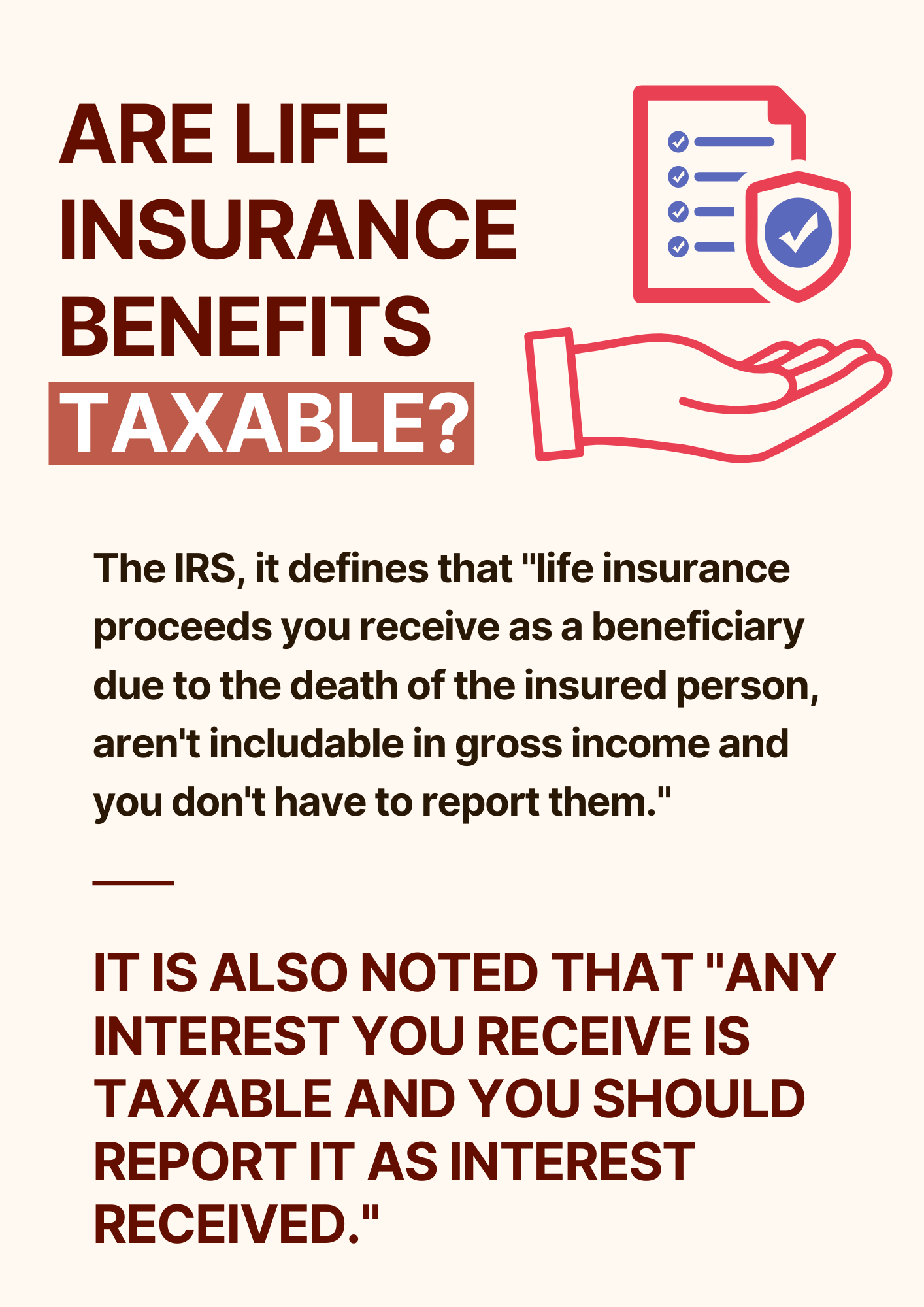
Under Internal Revenue Code (IRC) Section 101(a)(1), life insurance death benefits are generally excluded from the beneficiary's gross income. This is a powerful tax advantage. If you are the designated beneficiary of a paid-up policy, the lump sum you receive upon the death of the insured is typically income-tax-free, regardless of how much cash value the policy had accumulated.
However, there is a critical exception: the Transfer-for-Value Rule. If a policy was sold or transferred to you for "valuable consideration" (money, property, or a legal promise) at any point before the insured’s death, the tax-free status of the death benefit may be lost. In such a scenario, the portion of the death benefit that exceeds the consideration paid, plus any premiums paid by the transferee, becomes taxable as ordinary income. Inheriting a policy through an estate or as a beneficiary typically does not trigger this rule, but you must ensure your documentation reflects a transfer via inheritance rather than a sale.
Taxation of Policy Ownership and Cash Value
If you inherit the policy as an owner rather than just the beneficiary, you have gained an asset with a cost basis.
- The Cost Basis: Your cost basis in an inherited life insurance policy is generally the "investment in the contract." This is typically the sum of the net premiums paid into the policy minus any dividends or distributions received.
- Surrendering the Policy: If you decide to surrender the paid-up policy for its cash value, you are subject to income tax on the amount that exceeds your cost basis. For example, if you inherited a policy with a $50,000 cash value and a $30,000 cost basis, a $20,000 gain would be considered taxable income in the year of the surrender.
- Dividends and Withdrawals: If the policy is a participating whole life policy that continues to pay dividends, those dividends are generally treated as a return of premium until your cost basis is recovered. Once the dividends exceed your basis, they become taxable as ordinary income.
Table: Tax Implications of Inherited Policy Actions
| Action | Federal Income Tax Treatment | Tax Basis Consideration |
|---|---|---|
| Receiving Death Benefit | Generally tax-free (IRC 101a) | Not applicable |
| Surrendering for Cash | Taxable on gains (Cash Value minus Basis) | Basis is recovered first |
| Partial Withdrawal | Taxable to extent of gains | FIFO (First-In, First-Out) accounting |
| Policy Loan | Tax-free (unless policy lapses) | Loans are not considered income |
| Selling the Policy | Taxable on amount exceeding basis | Cost basis is subtracted from sale price |
Estate Tax Considerations
While life insurance proceeds are usually exempt from income tax, they are not necessarily exempt from federal estate taxes. If the deceased owned the policy at the time of their death, the death benefit is included in their gross estate.
As of 2026, the federal estate tax exemption is high, but for estates exceeding these thresholds, the death benefit could increase the total value of the estate, potentially triggering estate tax liability. If you have inherited a policy with a significant death benefit, ensure that the estate executor is aware of the policy’s value to confirm proper reporting on IRS Form 706, if required.
Practical Steps for Heirs
If you have recently inherited a paid-up life insurance policy, follow these steps to manage the asset appropriately:
- Obtain the "Policy Illustration": Contact the insurance carrier and request a current in-force illustration. This document provides the current cash value, the death benefit, the accumulated dividends, and the original cost basis.
- Verify Beneficiary Status: Confirm that you are the legal beneficiary or the new policy owner. If the insured is still living, ensure the ownership change is formally recorded with the insurance company to prevent administrative delays.
- Consult a Tax Professional: Because your cost basis dictates your future tax liability, do not guess these figures. A CPA or tax advisor can review the policy statements to verify the investment in the contract.
- Evaluate Utility: Decide if you wish to keep the policy for the death benefit, surrender it for cash, or perform a 1035 exchange into a different financial product that better aligns with your current investment goals.
Frequently Asked Questions
Does the IRS count the death benefit as part of my income? No, in most cases, the death benefit paid to a beneficiary is not considered gross income for federal tax purposes. The primary exception occurs if the policy was transferred to you in a way that violates the transfer-for-value rule, or if the policy was sold to you by the previous owner.
What is the "Transfer-for-Value" rule? This is an IRS provision stating that if a life insurance policy is transferred for valuable consideration, the death benefit loses its tax-exempt status. Only the amount equal to the price paid for the policy plus any subsequent premiums paid is excluded from income tax; the remainder is taxed as ordinary income.
Is the cash value of an inherited policy taxable? The cash value itself is not taxed while it sits in the policy. You only face taxation if you "realize" the gain, such as by surrendering the policy for cash or selling it. If you keep the policy, the cash value continues to grow on a tax-deferred basis.
Can I trade my inherited policy for another one tax-free? Yes, under Section 1035 of the Internal Revenue Code, you can exchange an existing life insurance policy for another without triggering immediate income tax, provided the exchange meets specific requirements and is executed directly between insurance carriers.
Are state taxes applicable to inherited life insurance? While federal income tax rules are standard, you should check your state's inheritance or estate tax laws. A few states have decoupled their death tax laws from federal guidelines, which may result in state-level taxation of insurance proceeds depending on your residency and the deceased’s state.
Final Recommendation
Managing an inherited paid-up life insurance policy requires a clear distinction between ownership and beneficiary status. If you are the beneficiary of the death benefit, your primary concern is ensuring the claim is filed correctly to preserve the tax-free status. If you have inherited ownership of the policy itself, treat it as a financial asset with a specific cost basis. Consult with a qualified financial advisor to determine if the policy serves your long-term goals or if liquidation through surrender or a 1035 exchange is more advantageous for your specific tax bracket.
Image Gallery