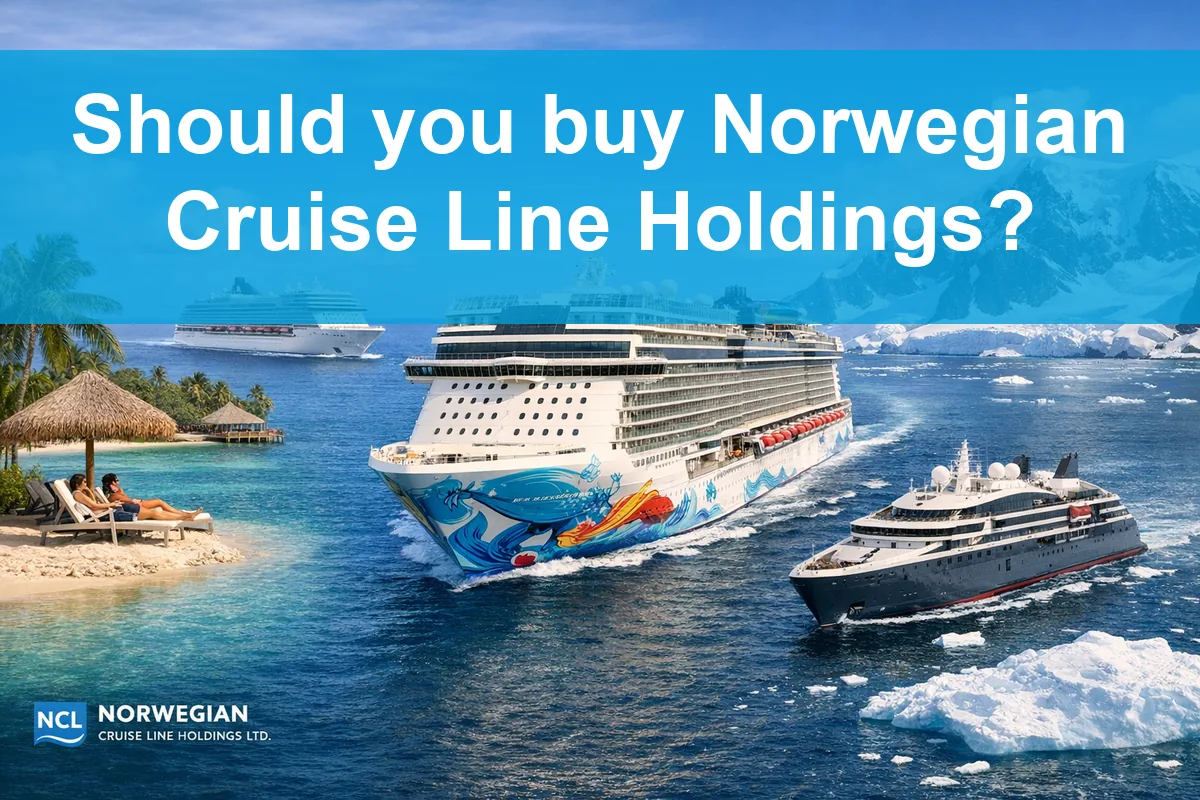
Understanding Norwegian Cruise Line Holdings: Strategy, Brands, and 2026 Outlook
Norwegian Cruise Line Holdings Ltd. (NCLH) is a leading global cruise company that operates a diverse portfolio of brands, including Norwegian Cruise Line, Oceania Cruises, and Regent Seven Seas Cruises. As of 2026, the company focuses...
Norwegian Cruise Line Holdings Ltd. (NCLH) is a leading global cruise company that operates a diverse portfolio of brands, including Norwegian Cruise Line, Oceania Cruises, and Regent Seven Seas Cruises. As of 2026, the company focuses on high-yield growth, fleet modernization through the Prima Plus class, and aggressive debt reduction following record-breaking global travel demand.
Contents
The Corporate Structure of Norwegian Cruise Line Holdings
Norwegian Cruise Line Holdings Ltd. serves as the parent company for three distinct award-winning cruise brands. Headquartered in Miami, Florida, NCLH distinguishes itself from competitors like Carnival Corporation and Royal Caribbean Group by focusing on a higher-yielding, more upscale guest demographic across its entire portfolio. While other major players focus heavily on sheer volume and massive ship capacity, NCLH has strategically positioned itself to capture the "contemporary-plus," premium, and ultra-luxury segments of the market.
In 2026, the corporate strategy remains anchored in the "Vision 2028" framework, a multi-year plan designed to optimize operations and maximize shareholder value. This strategy emphasizes disciplined capital allocation, a focus on guest satisfaction to drive repeat bookings, and the steady introduction of new, more efficient tonnage. The company's organizational structure is designed to leverage shared services—such as procurement, legal, and finance—while allowing the individual brands to maintain their unique identities and marketing approaches.
The Three Pillars: Brand Identities and Market Positioning
To understand NCLH, one must examine the specific roles each of its three brands plays in the global cruise ecosystem. Each brand targets a specific demographic, ensuring that NCLH has a presence across the most profitable sectors of the industry.
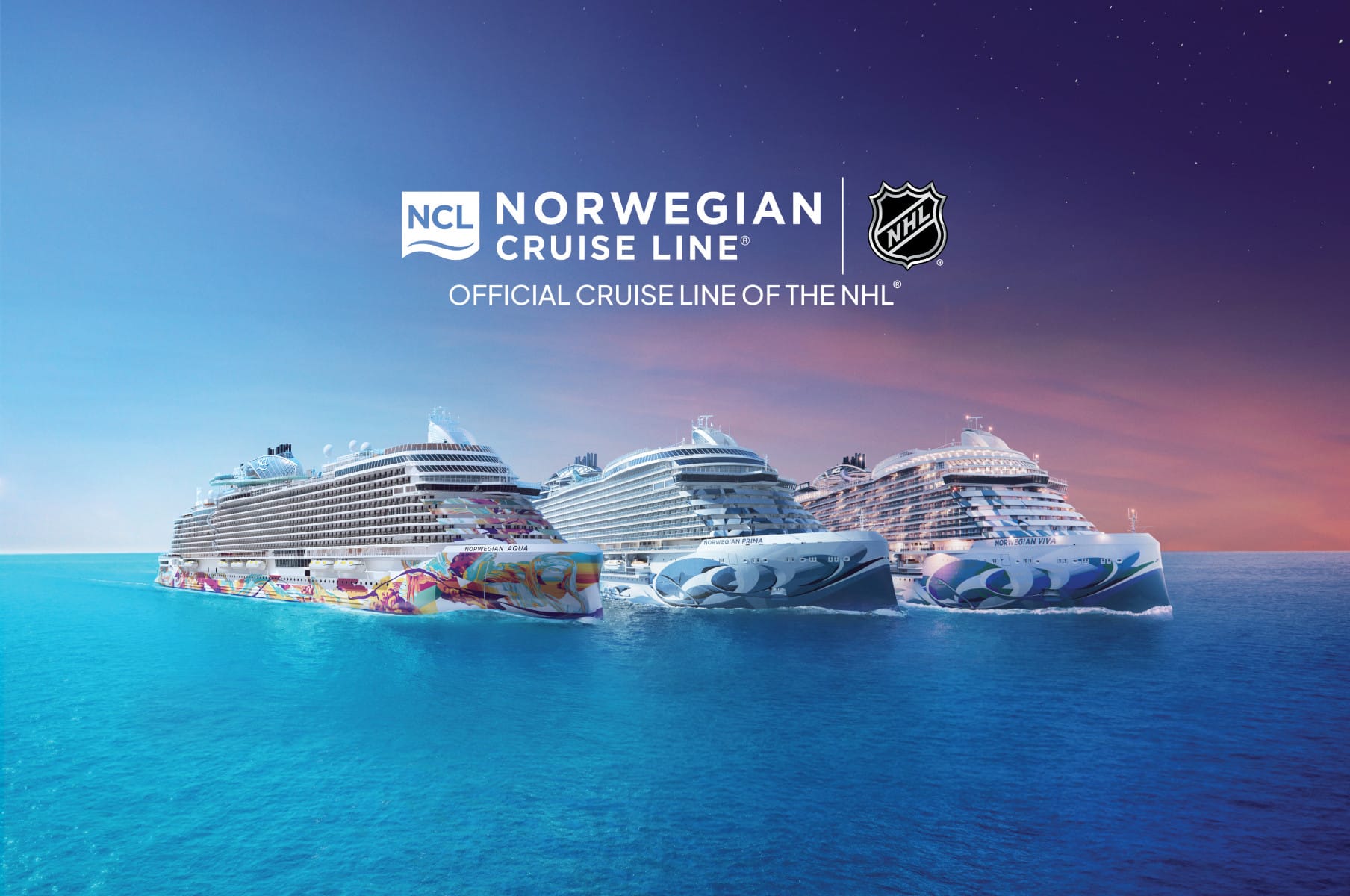
- Norwegian Cruise Line (NCL): This is the company's largest brand, operating in the contemporary segment. NCL is best known for "Freestyle Cruising," a concept that revolutionized the industry by removing traditional dining times and formal dress codes. By 2026, NCL has successfully transitioned much of its fleet toward the Prima and Prima Plus classes, which offer higher space-to-guest ratios than earlier generations of ships.
- Oceania Cruises: Positioned in the upper-premium segment, Oceania focuses heavily on "The Finest Cuisine at Sea." It targets sophisticated travelers who value destination-intensive itineraries and smaller, more intimate vessels. With the completion of the Allura-class ships, Oceania has solidified its place as the leader in the premium market, bridging the gap between contemporary and ultra-luxury.
- Regent Seven Seas Cruises: This brand represents the pinnacle of NCLH’s luxury offerings. It provides an all-inclusive experience where nearly everything—from shore excursions and specialty dining to business-class airfare and premium spirits—is included in the fare. In 2026, Regent continues to set industry benchmarks with the introduction of the Prestige Class, which pushes the boundaries of luxury ship design.
Financial Performance and Strategic Roadmap in 2026
The financial health of Norwegian Cruise Line Holdings in 2026 is characterized by a "yield-first" philosophy. Unlike many other sectors of the travel industry that recovered quickly post-2020, the cruise industry faced significant debt burdens. NCLH has spent the mid-2020s focusing on deleveraging its balance sheet while simultaneously funding a robust newbuild program.
Vision 2028 and Profitability Targets
The "Vision 2028" strategic plan, which was refined in 2024, has guided the company toward specific financial milestones. Key components of this plan include:
- Adjusted EBITDA Margin Expansion: By utilizing more fuel-efficient ships and implementing AI-driven pricing models, NCLH aims to improve margins by 200–300 basis points compared to 2023 levels.
- Net Debt Reduction: The company is aggressively paying down the high-interest debt incurred during the global travel pauses of the early 2020s.
- EPS Growth: Strategic cost management and high pre-cruise purchases (like beverage packages and excursions) have become vital drivers of Earnings Per Share.
Revenue Drivers: Onboard Spending and Advanced Bookings
A critical shift in the NCLH business model by 2026 is the reliance on "pre-sold" revenue. By encouraging guests to book excursions, spa treatments, and specialty dining months in advance, the company secures capital earlier and reduces the volatility of onboard spending. This strategy also enhances the guest experience by ensuring that high-demand activities are secured before the ship sails.
| Brand | Target Market | Typical Ship Capacity | Primary Competitive Advantage |
|---|---|---|---|
| Norwegian Cruise Line | Families & Solo Travelers | 2,000 – 4,100 | Freestyle Dining & Entertainment |
| Oceania Cruises | Foodies & Destination Seekers | 670 – 1,200 | Culinary Excellence & Intimacy |
| Regent Seven Seas | Ultra-Luxury & Affluent Seniors | 490 – 850 | All-Inclusive Luxury & Service |
Fleet Expansion and Modernization
The lifeblood of any cruise holding company is its fleet. As of 2026, NCLH is in the midst of its most ambitious expansion in company history. The focus is not just on adding more berths, but on adding more efficient and higher-yielding berths.
The Prima Plus Class (NCL)
Following the success of the Norwegian Prima and Norwegian Viva, the brand introduced the Prima Plus Class, starting with the Norwegian Aqua in 2025. In 2026, the second ship in this expanded class enters service. These vessels are roughly 10% larger than the original Prima class, allowing for more expansive outdoor spaces, upgraded "The Haven" (the brand's ship-within-a-ship luxury enclave), and new thrill attractions.
The Allura and Prestige Classes (Oceania & Regent)
Oceania Cruises recently completed its Allura-class rollout, which introduced ships designed specifically to cater to modern "foodie" culture with expanded culinary centers. Meanwhile, Regent Seven Seas Cruises is preparing for the launch of its Prestige Class. These ships are designed to offer the highest space-to-guest and staff-to-guest ratios in the industry, ensuring that the brand maintains its premium pricing power.
Sustainability and Environmental Stewardship
In 2026, environmental, social, and governance (ESG) factors are no longer peripheral to the business—they are central to NCLH’s operational viability. The company's "Sail & Sustain" program has evolved to meet stricter international regulations, such as the IMO’s Carbon Intensity Indicator (CII) ratings.
Path to Net Zero 2050
NCLH has committed to a long-term goal of net-zero greenhouse gas emissions by 2050. To achieve this, the company is investing in several key technologies:
- Methanol-Ready Vessels: New ships are being designed with engines capable of running on green methanol once the fuel becomes available at scale.
- Shore Power Connectivity: By 2026, nearly the entire NCLH fleet is equipped to "plug in" to land-based power grids while in port, significantly reducing local air pollution.
- Waste Reduction: The company has virtually eliminated single-use plastics and has implemented advanced wastewater treatment systems that exceed international maritime standards.
Market Challenges and Competitive Landscape
Despite the strong demand for cruising in 2026, NCLH faces several headwinds. Inflationary pressures on labor and food costs remain a concern. Additionally, geopolitical instability in key regions like the Eastern Mediterranean or parts of Asia can force sudden and expensive itinerary changes.
Comparison with Industry Peers
While Carnival Corporation (CCL) focuses on the "value" traveler and Royal Caribbean (RCL) dominates the "family mega-ship" category, NCLH’s niche is upscale flexibility. This positioning allows NCLH to maintain higher Average Daily Rates (ADRs). Even within the NCL brand, the heavy emphasis on "The Haven" allows the company to capture luxury-tier revenue on a contemporary-tier vessel.
Operational Excellence and Guest Technology
By 2026, the digital experience is a major differentiator for NCLH. The company has invested heavily in its mobile app infrastructure to streamline the "pier-to-stateroom" process.
- Facial Recognition: Used for faster embarkation and disembarkation in major ports.
- Starlink Integration: Across all three brands, high-speed, low-latency internet is now standard, catering to the "digital nomad" and the modern traveler who requires constant connectivity.
- Personalized Marketing: NCLH uses sophisticated data analytics to provide guests with personalized offers based on their previous cruising history and onboard preferences.
Frequently Asked Questions
Who owns Norwegian Cruise Line Holdings?
Norwegian Cruise Line Holdings Ltd. is a publicly traded company listed on the New York Stock Exchange (NYSE) under the ticker symbol NCLH. While it was originally formed through a partnership involving Star Cruises and private equity firms like Apollo Global Management, it is now an independent entity owned by institutional and individual shareholders.
What are the three brands under NCLH?
The three brands are Norwegian Cruise Line, which serves the contemporary market; Oceania Cruises, which serves the upper-premium market; and Regent Seven Seas Cruises, which serves the ultra-luxury market. Each brand operates independently regarding its guest experience and marketing but shares corporate resources.
Where is NCLH headquartered?
NCLH is headquartered in Miami, Florida. This location is strategic, as Miami is widely considered the "Cruise Capital of the World," providing the company with proximity to major port operations and a deep pool of maritime industry talent.
How is NCLH addressing climate change?
Through its Sail & Sustain program, NCLH is targeting net-zero emissions by 2050. Key initiatives in 2026 include modifying newbuilds to be methanol-ready, improving hull coatings to reduce drag, and utilizing AI to optimize ship routes for fuel efficiency.
What is the "Vision 2028" plan?
Vision 2028 is NCLH's strategic roadmap focusing on financial performance and operational growth. It includes targets for reducing debt-to-EBITDA ratios, increasing net yields through premium brand growth, and delivering a pipeline of new ships that offer better margins than older vessels.
Next Actions for Investors and Travelers
For those looking to engage with Norwegian Cruise Line Holdings in 2026, the next steps depend on your primary interest:
- For Investors: Monitor the quarterly earnings calls specifically for "Net Yield" growth and "Net Debt" reduction figures. These are the primary indicators of whether the company is successfully executing its Vision 2028 plan.
- For Travelers: Explore the Prima Plus class for NCL or the Prestige class for Regent if you are looking for the latest in maritime design. Booking 12–18 months in advance remains the best strategy for securing the most desirable suites and itineraries, as NCLH brands frequently report high load factors well ahead of sail dates.
By maintaining a disciplined focus on its three-brand strategy and prioritizing high-margin luxury growth, Norwegian Cruise Line Holdings continues to be a formidable force in the global travel industry of 2026.
Image Gallery