Determining When an Apartment vs House Decision Works for You in 2026
Choosing between an apartment and a house depends on aligning your current life stage, financial liquidity, and long-term lifestyle goals with the specific demands of property management. In 2026, an apartment works best for those prio...
Choosing between an apartment and a house depends on aligning your current life stage, financial liquidity, and long-term lifestyle goals with the specific demands of property management. In 2026, an apartment works best for those prioritizing urban proximity, shared amenities, and maintenance-free living, whereas a house is the superior choice for individuals seeking total autonomy, private outdoor space, and maximum equity growth potential through renovations.
Contents
Deciding where to live is no longer just a question of "how many bedrooms?" In the current real estate landscape, the choice between high-density living and single-family residential properties involves a complex evaluation of community regulations, fiscal responsibility, and the evolving nature of remote work.
Defining the Lifestyle Profile: Who Benefits from Apartment Living?
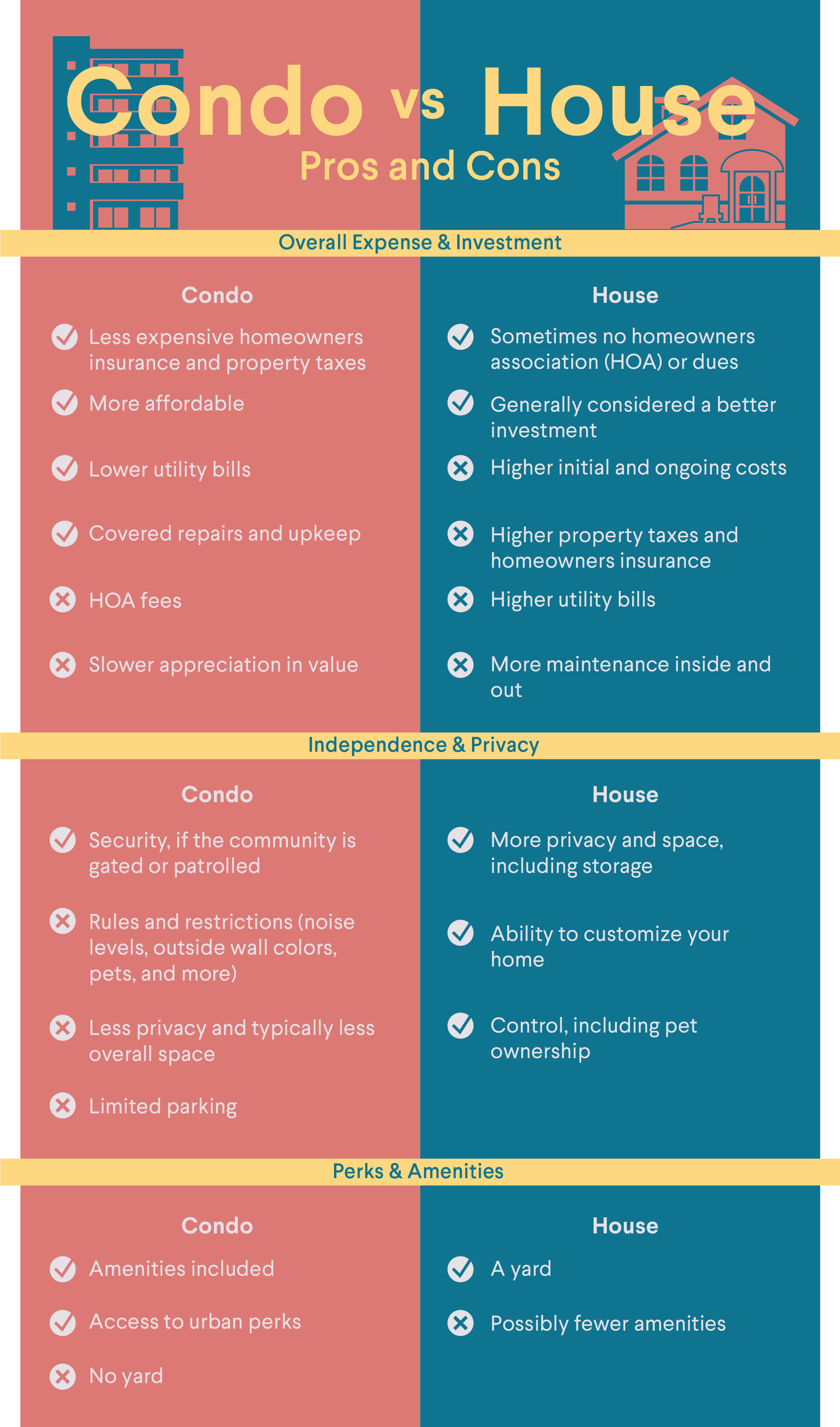
Apartment living has evolved significantly by 2026, moving beyond a "starter home" reputation to a deliberate lifestyle choice for professionals, "digital nomads," and downsizers. The primary advantage of an apartment—whether it is a rental or a condominium—is the delegation of responsibility. When you live in an apartment, the structural integrity of the building, the landscaping of the grounds, and the functionality of common systems like elevators and HVAC cooling towers are the responsibility of a management company or a Homeowners Association (HOA).
This "lock-and-leave" lifestyle is ideal for individuals who travel frequently or those who prefer to spend their weekends exploring the city rather than mowing a lawn. Furthermore, modern apartments in 2026 are increasingly designed as "vertical villages." They often feature integrated coworking spaces, high-speed fiber-optic infrastructure as a standard, and sophisticated security systems that provide a level of safety that is difficult to replicate in a standalone house without significant investment.
However, the trade-off for this convenience is a lack of absolute control. You are subject to the rules of the building, which may include restrictions on pet breeds, balcony usage, or even the hours during which you can move furniture. If your sense of "home" requires a high degree of privacy and the freedom to modify your surroundings at will, the apartment model may eventually feel restrictive.
The Case for the Single-Family House: Autonomy and Expansion
For many, the house remains the ultimate symbol of stability and personal expression. When an "apt vs house" decision leans toward the latter, it is usually because the occupant values autonomy above all else. In a house, you own the land and the air rights above it (within local zoning laws). This allows for physical expansions, such as adding a home office or an accessory dwelling unit (ADU), which have become increasingly popular in 2026 for multi-generational living or rental income.
The privacy afforded by a house is its most distinct technical advantage. There are no shared walls, ceilings, or floors, which significantly reduces noise complaints and increases the sense of personal sanctuary. For families with children or pets, the private backyard is an irreplaceable asset for safety and recreation.
The burden of a house, however, is the "maintenance tax." As a homeowner, you are the Chief Operating Officer of your property. If the roof leaks or the sewer line breaks, the financial and logistical responsibility rests solely on your shoulders. This requires not only a higher emergency fund but also a baseline level of knowledge regarding home systems or a reliable network of contractors.
Financial Breakdown: Initial Costs, Monthly Dues, and Long-Term ROI
The financial implications of choosing an apartment versus a house extend far beyond the sticker price. In 2026, buyers must look at the total cost of occupancy, which includes taxes, insurance, and the "sinking fund" required for future repairs.
Apartments often have lower entry prices in prime locations, but they come with monthly HOA or strata fees. These fees cover shared expenses and insurance for the building's exterior. While some view these fees as an "extra" expense, they often replace the individual costs a homeowner would pay for trash collection, water, and exterior maintenance.
Houses typically offer better long-term appreciation because the underlying land generally increases in value more reliably than the structure itself. In an apartment, you own a share of the building's common elements, but your equity is more closely tied to the real estate market's perception of that specific neighborhood and building management.
Comparison of Key Decision Factors (2026 Projections)
| Feature | Apartment / Condo | Single-Family House |
|---|---|---|
| Maintenance Responsibility | Low (Managed by Association) | High (Owner Responsibility) |
| Privacy Level | Moderate (Shared Walls/Common Areas) | High (Private Lot/No Shared Walls) |
| Predictability of Costs | High (Fixed HOA Fees) | Variable (Unexpected Repairs) |
| Outdoor Space | Communal Gardens/Balconies | Private Yard/Patio |
| Customization Rights | Limited by Bylaws | High (Subject to Local Zoning) |
| Security Features | Often Included (Fobs/Cameras/Concierge) | Owner-Installed (Alarms/Fences) |
| Long-Term Appreciation | Steady (Market Dependent) | Typically Higher (Land Value Growth) |
Maintenance and Responsibility: The Hidden Time Tax
When evaluating when an apartment vs house decision works for you, you must calculate the value of your time. Maintenance is not just about money; it is about the hours spent researching plumbers, painting fences, or clearing snow.
In an apartment, your time is largely your own. If the hallway light burns out, you file a ticket with management. This efficiency is a major draw for the "over-scheduled" modern worker. By 2026, many luxury apartments have even integrated smart-building technology that alerts maintenance to issues before the tenant even notices them.
Conversely, a house demands a "weekend warrior" mentality. Homeownership involves a constant cycle of seasonal tasks: cleaning gutters in the autumn, winterizing pipes, and maintaining landscaping in the spring. While some find this work rewarding—a form of "sweat equity"—others find it a source of chronic stress. If your career or hobbies leave little room for property management, the apartment decision is often the more sustainable choice.
Future-Proofing Your Choice: Remote Work and Resale Trends
By 2026, the "home office" has transitioned from a luxury to a necessity. When making your decision, consider how each property type supports a professional life. Apartments are increasingly offering dedicated "zoom rooms" or business centers within the building, which can be a significant benefit if you find it hard to work in a small living area.
However, a house offers the ability to create a truly permanent, soundproofed workspace. If you plan to work from home indefinitely, the extra square footage of a house allows for a clear psychological boundary between "work space" and "living space."
Resale value should also be a consideration. Houses in suburbs with good schools and transit links tend to hold value during economic shifts. Apartments in high-density urban cores are more sensitive to "lifestyle trends." If a city's nightlife or commercial sector declines, apartment values can fluctuate more sharply. However, in 2026, "walkable urbanism" remains a high priority for the younger workforce, keeping demand for well-located apartments robust.
Critical Questions to Ask Before Choosing
To determine which path is right for you, answer the following questions honestly:
- What is my "Emergency Effort" capacity? If a pipe bursts at 3:00 AM, do I have the tools, knowledge, and temperament to handle it, or do I need a concierge to call?
- How much do I value "Visual Control"? Does it bother me if I cannot paint my front door a specific color or if I have to follow specific rules for window coverings?
- What are the specific HOA/Strata rules? Review the "Covenants, Conditions, and Restrictions" (CC&Rs) for any apartment. Are there "Special Assessments" planned for major building repairs?
- What is the "Noise Profile" of the area? In a house, you control the noise inside, but you are subject to the neighbors' lawnmowers. In an apartment, you are subject to the footsteps above you.
Frequently Asked Questions
Is an apartment or a house a better investment in 2026?
Historically, houses offer better appreciation because land is a finite resource. However, in 2026, high-demand urban apartments can provide excellent rental yields and lower vacancy rates. The "better" investment depends on whether you are looking for long-term capital gains (house) or immediate cash flow and lower overhead (apartment).
How do property taxes differ between apartments and houses?
Generally, property taxes are based on the assessed value of the property. While an apartment may have a lower total assessed value than a large house, the tax rate (millage rate) is often the same. However, houses may have additional "special district" taxes for things like local school expansions or neighborhood infrastructure that apartment dwellers might share differently through their association.
Can I run a business out of an apartment as easily as a house?
It depends on the zoning and the building's bylaws. Houses generally have more leeway for home-based businesses, provided they don't create traffic or noise issues. Apartments often have stricter rules against "commercial use" to maintain security and limit the number of visitors using common elevators and hallways.
What is a "Special Assessment" in apartment living?
A special assessment is an extra fee charged to apartment owners to cover major, unplanned expenses that the regular HOA reserve fund cannot meet—such as a roof replacement or elevator overhaul. This is a significant risk of apartment ownership that house owners manage through their own private savings.
Does living in a house always mean more privacy?
Not necessarily. In some high-density suburban developments, houses are built so close together that you can see directly into your neighbor's windows. Conversely, some high-end 2026 apartment designs utilize "staggered" floor plans and advanced acoustic insulation that can actually provide more privacy than a poorly planned suburban tract home.
Practical Recommendation
If you are a first-time buyer or someone who values geographic mobility and a predictable monthly budget, start with an apartment. The reduced maintenance burden allows you to build equity while maintaining a flexible lifestyle. However, if you have a growing family, require specialized space for a hobby or business, or view property maintenance as a rewarding activity rather than a chore, the house is the better long-term fit. Before committing, always request a copy of the last three years of HOA meeting minutes for an apartment, or commission a comprehensive professional inspection for a house to uncover hidden liabilities.
Image Gallery