Comprehensive Guide to Foundation Repair in James Island (2026)
In 2026, foundation repair in James Island requires a specialized approach that accounts for the region's unique coastal geography, high water table, and varied soil compositions. Homeowners typically face costs ranging from $5,000 for...
In 2026, foundation repair in James Island requires a specialized approach that accounts for the region's unique coastal geography, high water table, and varied soil compositions. Homeowners typically face costs ranging from $5,000 for minor stabilization to over $30,000 for extensive piering systems. Effective solutions prioritize deep-foundation methods like helical piers and comprehensive crawl space moisture management to combat the persistent hydrostatic pressure and marsh-driven settlement characteristic of the Lowcountry.
Contents
Understanding the James Island Geological Context
To understand why foundation issues are so prevalent on James Island, one must first look beneath the surface. James Island is a sea island characterized by a diverse mix of soil types, ranging from well-drained sandy ridges to "fat" clays and highly compressible marsh mud (often referred to locally as "pluff mud").
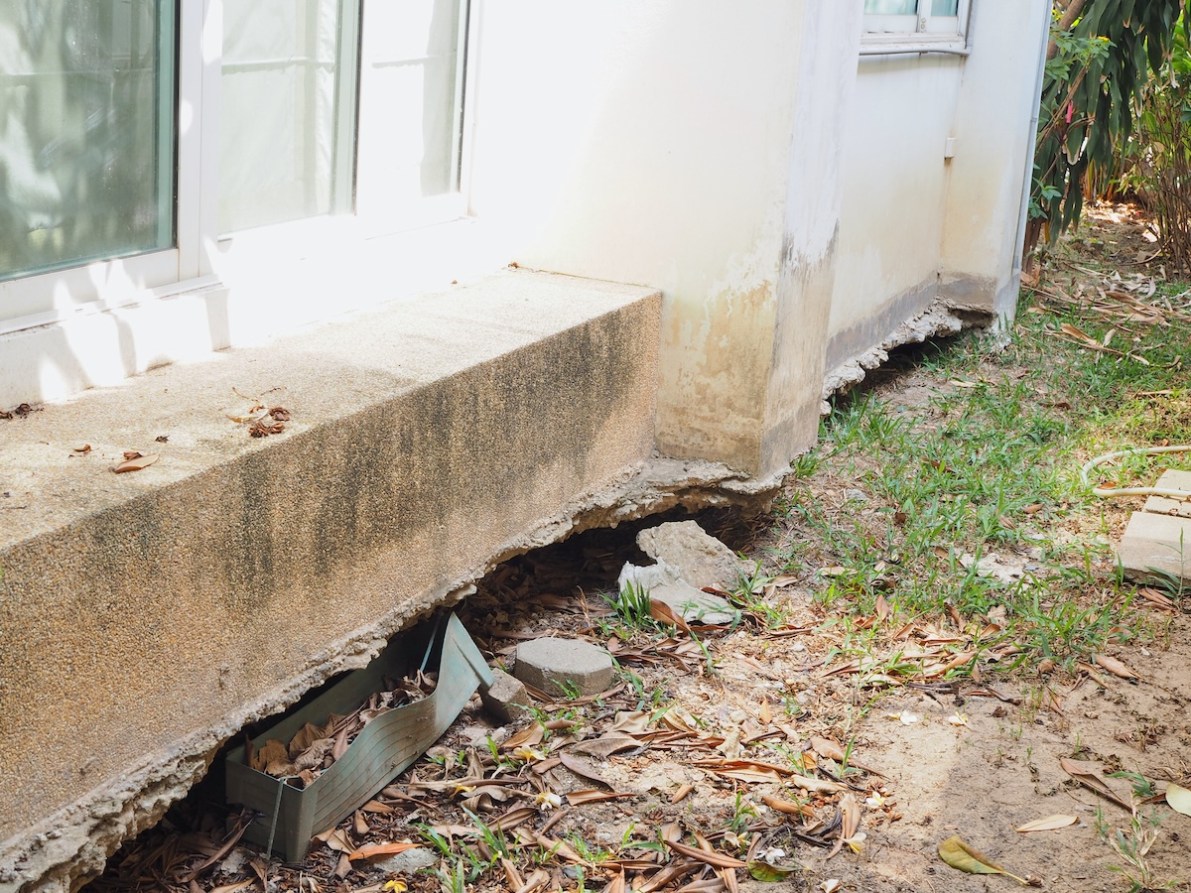
In 2026, structural engineers on James Island continue to point toward differential settlement as the primary cause of residential distress. This occurs when the soil beneath a structure expands or contracts at uneven rates. On the harbor side of the island, homes may be built on ancient dune ridges with high sand content, which are generally stable but prone to erosion. Conversely, homes near the Stono River or the numerous tidal creeks often sit on alluvial deposits that consolidate under the weight of a structure over several decades.
Furthermore, James Island's proximity to the Charleston seismic zone adds a layer of complexity. Foundation repairs here are not just about leveling a floor; they are about ensuring the structure can withstand the lateral forces and potential liquefaction associated with the region's seismic history, including the legacy of the 1886 earthquake.
Identifying Signs of Foundation Failure in the Lowcountry
Coastal environments accelerate certain types of structural decay. In the humid, salt-air climate of James Island, identifying foundation trouble early can save a homeowner tens of thousands of dollars in secondary repairs to drywall, roofing, and flooring.
Interior Indicators
- Sticking Doors and Windows: When a foundation shifts, the rectangular frames of doors and windows become parallelograms. Even a quarter-inch shift can cause a door to rub against its jamb or a window to lock in place.
- Sloping Floors: If you notice a "pull" while walking across a room or see a ball roll across the floor, it indicates that a portion of the perimeter or interior support piers has sunk.
- Drywall Cracks: Look specifically for "stair-step" cracks in brickwork or diagonal cracks emanating from the corners of door frames and windows.
Exterior and Crawl Space Indicators
- Fascia Board Gaps: If the roofline appears to be pulling away from the house, or if there are gaps in the trim, it often suggests the exterior load-bearing walls are rotating outward due to foundation settlement.
- Standing Water and Efflorescence: In James Island crawl spaces, white powdery residue (efflorescence) on brick piers indicates that moisture is wicking through the masonry. This weakens the mortar over time.
- Musty Odors: Because many James Island homes are built on crawl spaces, a persistent damp smell inside the home often indicates a failing vapor barrier or sagging floor joists caused by high humidity and fungal growth.
Primary Foundation Repair Methods Used in 2026
The technology for stabilizing homes has evolved significantly. By 2026, the industry has moved away from "quick fixes" like concrete shimming in favor of permanent, engineered solutions that reach stable load-bearing strata.
Helical Pier Installation
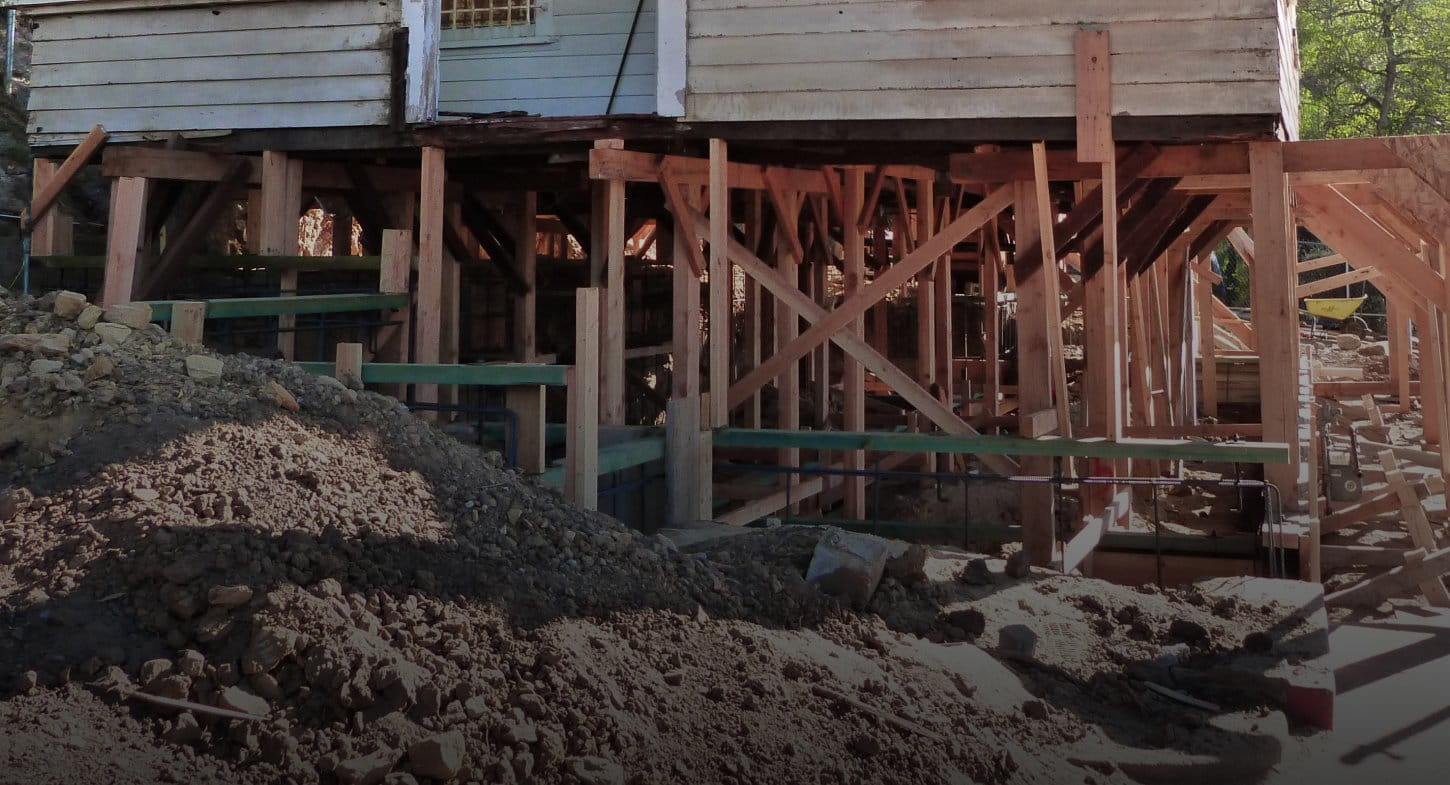
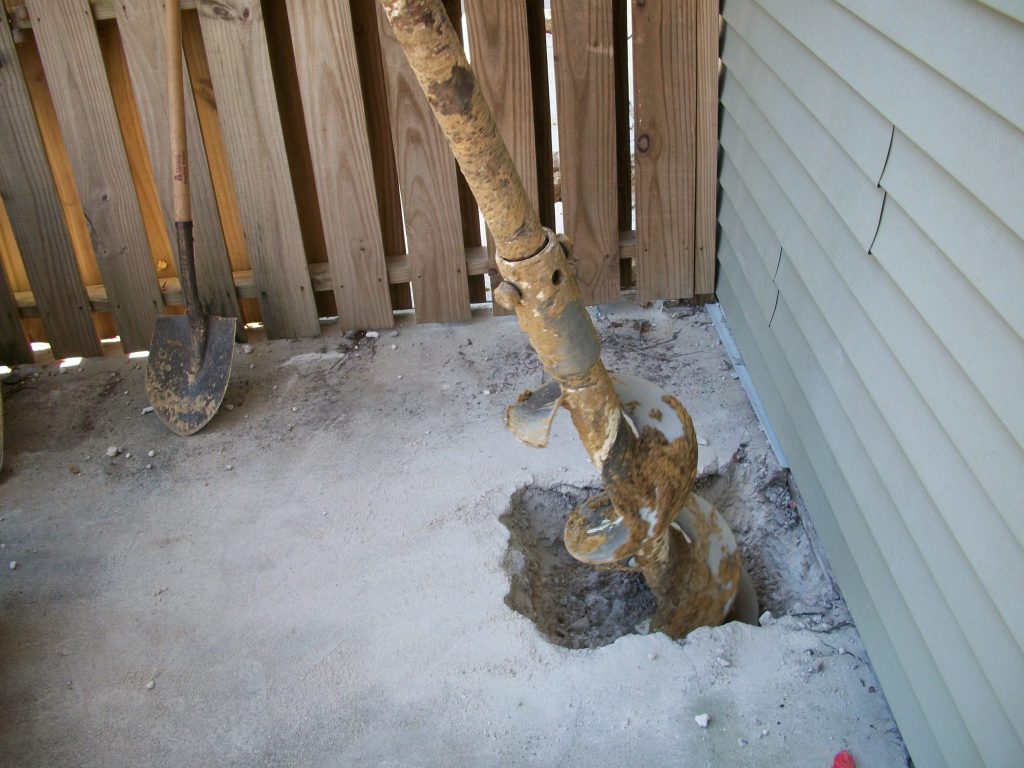
Helical piers are the "gold standard" for James Island's soft, sandy, or marshy soils. These are steel shafts with corkscrew-like plates (helices) that are mechanically screwed into the ground until they reach a predetermined torque or depth—often 20 to 50 feet deep—where the soil is dense enough to support the building's weight.
- Why they work here: Unlike push piers, which rely on the weight of the house to drive them down, helical piers are independent. This is crucial for the lighter wood-frame cottages common on the island, which may not have enough mass to successfully deploy heavy-duty push piers.
Polyurethane Injection (Polyjacking)
For homes built on concrete slabs, particularly in neighborhoods like Clearview or Stiles Point, polyurethane injection has largely replaced traditional mudjacking. This involves drilling small holes (the size of a penny) through the slab and injecting a high-density, closed-cell foam.
- The Process: The foam expands rapidly, filling voids caused by soil erosion and lifting the slab back to its original position. In 2026, these resins are environmentally inert and waterproof, providing a secondary benefit of preventing future soil washouts under the garage or patio.
Crawl Space Encapsulation and Joist Repair
A foundation is only as strong as the wood it supports. In the Lowcountry, the foundation repair process often includes "sistering" floor joists that have rotted due to James Island’s extreme humidity. Encapsulation involves sealing the crawl space with a heavy-duty 20-mil vapor barrier, installing a dedicated dehumidifier, and sealing all foundation vents. This creates a conditioned space that prevents the wood from absorbing moisture and losing its structural integrity.
Estimated Costs of Foundation Repair on James Island
Costs in 2026 reflect both the specialized equipment required for coastal work and the increased cost of high-grade galvanized steel. The following table provides a breakdown of typical expenses for James Island residential properties.
| Repair Type | Scope of Work | Estimated Cost Range (USD) | Expected Duration |
|---|---|---|---|
| Minor Crack Repair | Epoxy injection and sealing of non-structural cracks. | $800 – $2,500 | 1 Day |
| Slab Leveling | Polyurethane foam injection for a standard 2-car garage. | $3,500 – $7,000 | 1–2 Days |
| Helical Piering | Installation of 8–12 piers to stabilize a settling corner. | $12,000 – $22,000 | 3–5 Days |
| Full Encapsulation | Vapor barrier, sealing, and industrial dehumidifier. | $6,000 – $15,000 | 2–4 Days |
| Structural Joist Repair | Replacement or sistering of 10+ rotted floor joists. | $5,000 – $10,000 | 3–6 Days |
Note: These figures are estimates. Complexities such as utility line relocation, deep marsh mud (requiring longer piers), or historical preservation requirements can increase these totals.
Regulatory and Permitting Requirements
James Island falls under a patchwork of jurisdictions, including the City of Charleston, the Town of James Island, and Charleston County. In 2026, most structural repairs require a building permit and, in many cases, a letter of assurance from a licensed South Carolina Structural Engineer (PE).
Because much of James Island is located within FEMA-designated Special Flood Hazard Areas (SFHA), foundation repairs must often comply with the "50% Rule." This rule states that if the cost of improvements or repairs exceeds 50% of the market value of the structure, the entire building must be brought up to current flood code, which might involve elevating the home. While foundation stabilization rarely hits this threshold on its own, it is a critical consideration for homeowners planning broader renovations.
For more information on local zoning and building codes, residents should consult the Town of James Island Building Department or the City of Charleston's Technical Codes division.
Choosing a Contractor on James Island
When selecting a foundation repair specialist in the Charleston area, the following criteria are essential in 2026:
- Engineering Oversight: Ensure the company works with third-party structural engineers who provide stamped drawings and post-installation "as-built" certifications.
- Warranty Transferability: Foundation warranties should be "lifetime" and, more importantly, transferable to the next homeowner. This is vital for maintaining property value on James Island.
- Local Experience: Ask for references specifically from James Island. Soil conditions here differ significantly from those in Summerville or Mount Pleasant. A contractor must understand the specific behavior of the "Capers" and "Bohicket" soil series common to the island's low-lying areas.
Frequently Asked Questions
Is foundation repair covered by homeowners insurance on James Island?
Generally, no. Most standard homeowners insurance policies in South Carolina exclude "earth movement," which includes settlement, compaction, and hydrostatic pressure. However, if the foundation damage is a direct result of a covered peril—such as a pipe burst under the slab—there may be limited coverage for the access and repair. Always review your specific policy with an agent familiar with Lowcountry coastal riders.
How long does a typical helical pier installation last?
Modern helical piers used in 2026 are hot-dipped galvanized steel, designed to resist the corrosive salt air and brackish groundwater of James Island. These systems are typically engineered for a 75-to-100-year functional life, effectively outlasting the structure they support.
Can I wait to fix a small foundation crack?
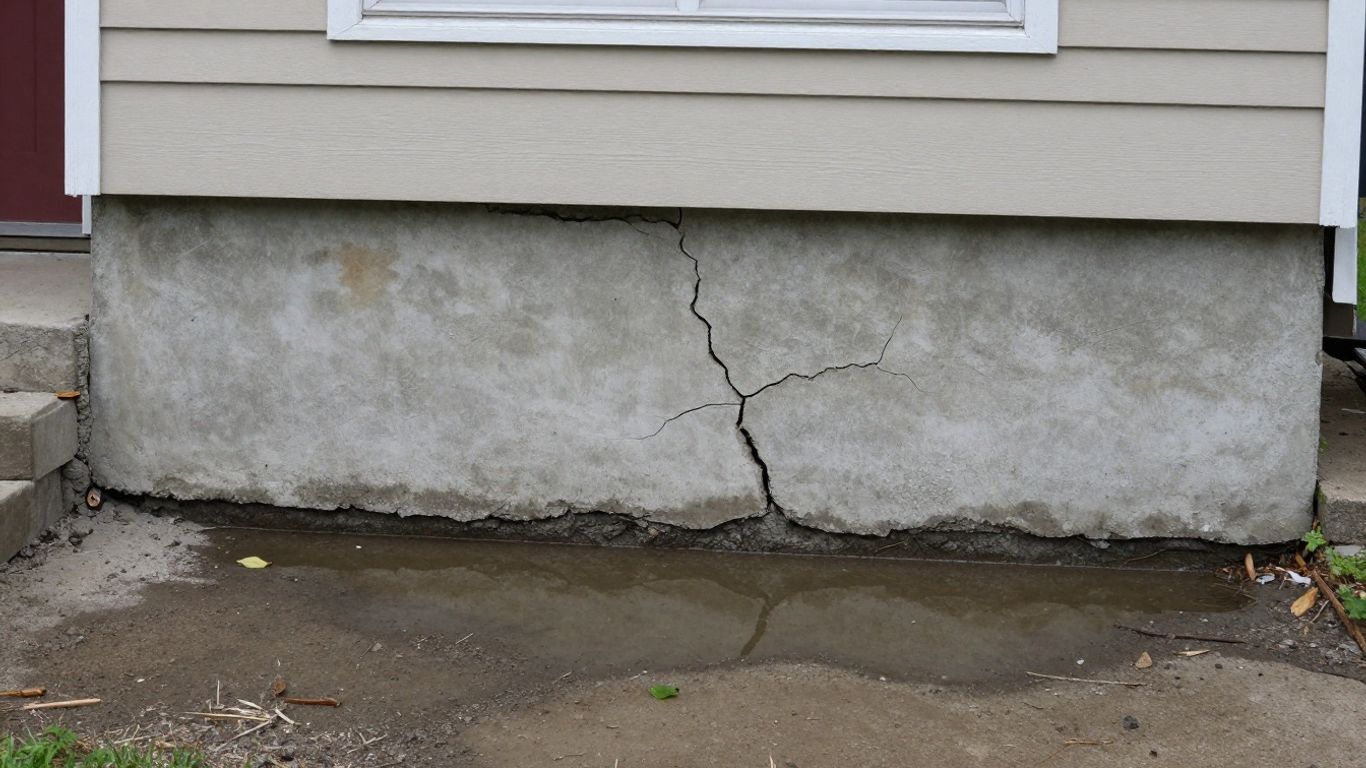
In James Island's environment, waiting is rarely advisable. Small cracks allow moisture to reach the rebar inside concrete footings, leading to "rust bursting" or spalling. Additionally, because the soil here cycles through wet and dry periods, a small settlement issue in the spring can become a major structural failure following a heavy hurricane season or a summer drought.
Does a high water table affect foundation repair?
Yes, significantly. A high water table increases hydrostatic pressure against foundation walls and can cause "buoyancy" issues for slabs. Repairing a foundation on James Island often requires the simultaneous installation of a French drain or a sump pump system to manage the groundwater that contributes to the initial failure.
Final Recommendations for Homeowners
If you suspect your James Island home is settling, the first step is to document the changes. Take photos of cracks and monitor them over a three-month period to see if they are active. In 2026, the most proactive approach is to hire an independent structural engineer for a consultation before calling a repair contractor. This ensures you receive an unbiased assessment of what is truly necessary to stabilize your home in this beautiful but geologically challenging coastal environment. Prioritizing deep-earth stabilization and moisture control will protect your investment against the unique pressures of the South Carolina Lowcountry for decades to come.
Image Gallery