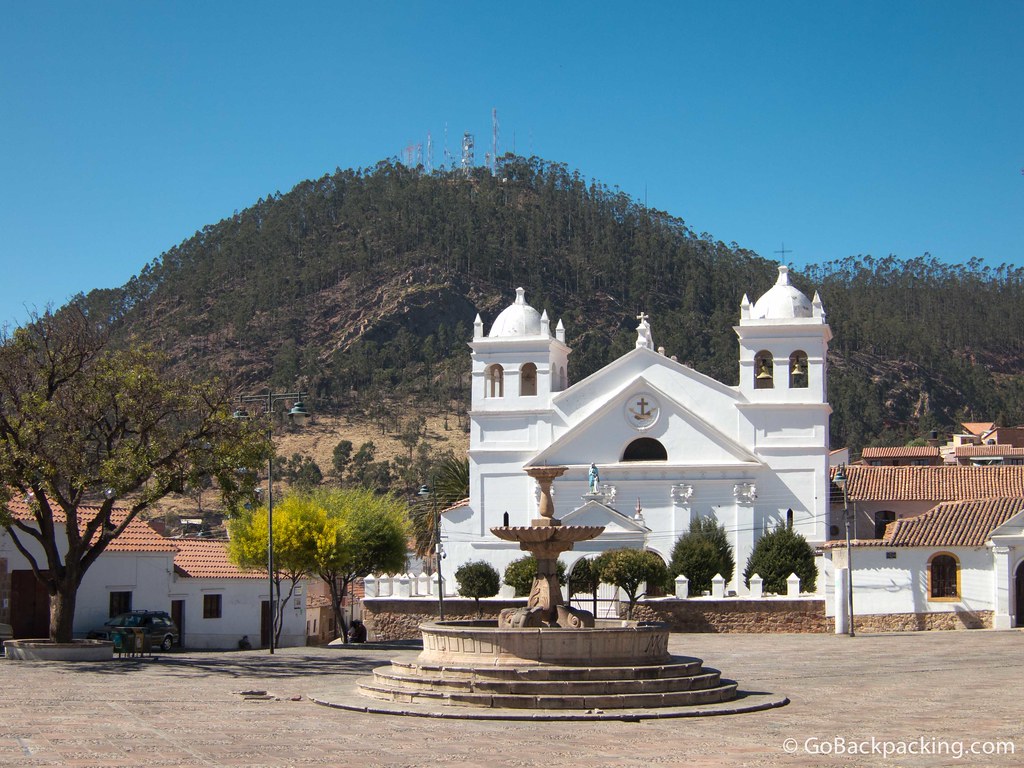
Sucre: Essential Facts About Bolivia’s Constitutional Capital
Sucre is the constitutional capital of Bolivia and the seat of the nation's judicial branch, located in the south-central highlands. Often called "The White City" for its pristine colonial architecture, it was the site of Bolivia's dec...
Sucre is the constitutional capital of Bolivia and the seat of the nation's judicial branch, located in the south-central highlands. Often called "The White City" for its pristine colonial architecture, it was the site of Bolivia's declaration of independence in 1825 and remains the country’s symbolic and historical heart.
Contents
The Dual Capital System: Sucre vs. La Paz
One of the most frequent points of confusion for those researching Bolivia is the country’s dual capital system. While Sucre is legally and constitutionally the capital of Bolivia, La Paz is the administrative capital. This division of power is not merely a bureaucratic quirk; it is the result of a bloody civil war at the end of the 19th century.
In 1899, the Federal War broke out between the "Conservatives" (centered in Sucre) and the "Liberals" (centered in La Paz). The conflict was fueled by the decline of the silver mines around Sucre and the rise of the tin industry near La Paz. Following the Liberal victory, the executive and legislative branches of government were moved to La Paz. However, Sucre retained the judicial branch (the Supreme Court of Justice) and its title as the sole constitutional capital.
For residents and officials in Sucre, the "Capital City" designation is a point of immense pride. When the new Bolivian Constitution was drafted in 2009, the status of Sucre was once again reaffirmed. Today, the city remains the home of the Tribunal Supremo de Justicia (Supreme Court of Justice), ensuring that while the daily politics of the nation happen in La Paz, the legal soul of the republic remains in Sucre.
Historical Foundation and the Four Names of Sucre
Sucre is famously known as the "City of Four Names," reflecting the different eras of its long and complex history. Understanding these names provides a window into the evolution of the city from an indigenous settlement to a colonial powerhouse and finally to the revolutionary center of South America.
- Charcas: This was the original indigenous name for the area before the Spanish arrival.
- La Plata: Established by the Spanish in 1538, the city was named "Silver" because of its proximity to the incredibly wealthy mines of Potosí. During this era, it was the seat of the Real Audiencia de Charcas, one of the most powerful judicial and administrative bodies in the Spanish Empire.
- Chuquisaca: A name adopted during the late colonial period and the early independence era, derived from the indigenous name for the region. It remains the name of the department (province) of which Sucre is the capital today.
- Sucre: In 1839, the city was renamed in honor of Antonio José de Sucre, a Venezuelan revolutionary leader and the second president of Bolivia, who was a key figure in the liberation of South America alongside Simón Bolívar.
The city was founded by Pedro Anzures, Marqués de Campo Redondo, and quickly became a hub for the Spanish nobility who grew wealthy from the Potosí silver mines but preferred Sucre’s lower altitude and more temperate climate. This wealth funded the construction of the opulent churches and mansions that still stand today.
UNESCO World Heritage and "The White City"
In 1991, UNESCO designated the historic center of Sucre as a World Heritage site. This designation recognizes the city’s exceptionally well-preserved 16th-century architecture, which blends local traditions with European styles.
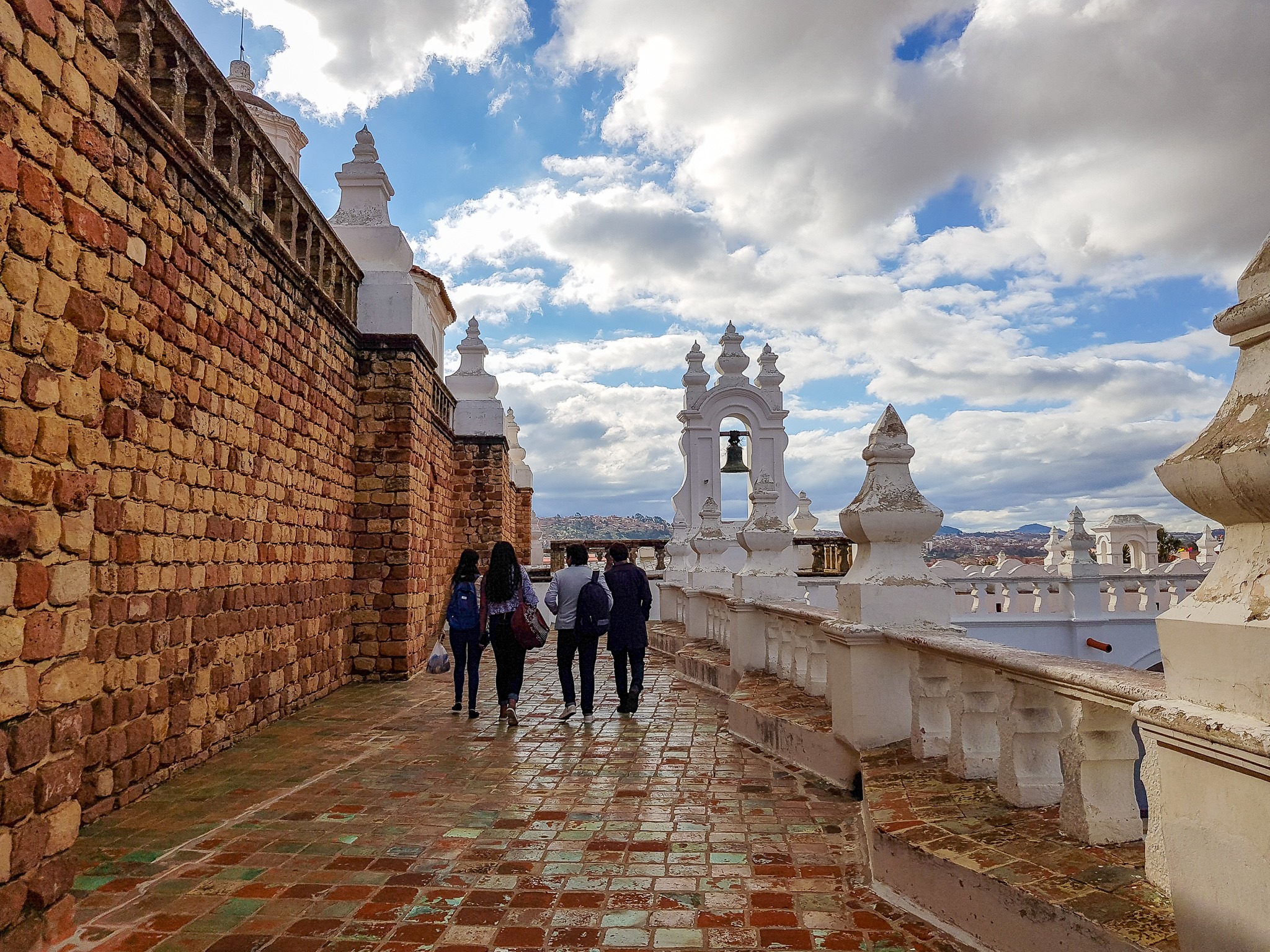
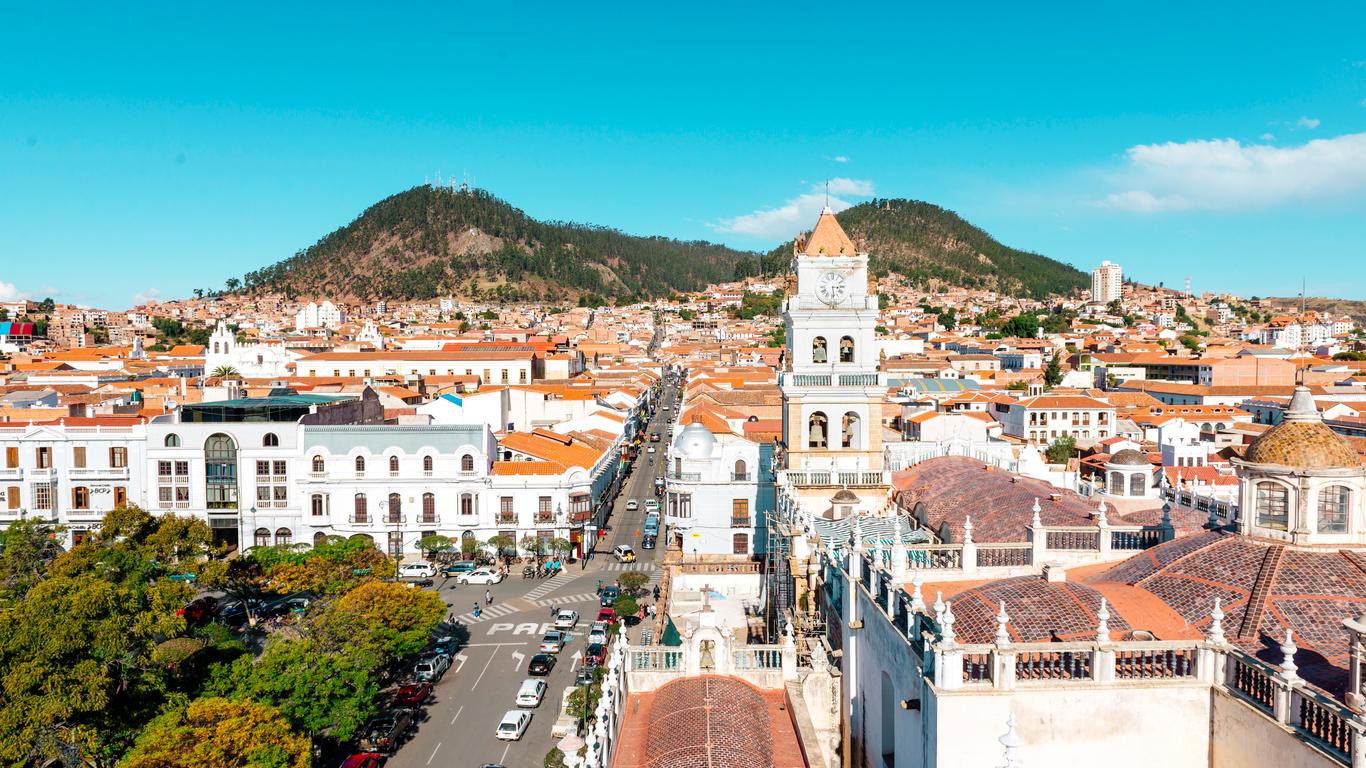
The nickname "La Ciudad Blanca" (The White City) is more than just a poetic description; it is a matter of local law. To maintain the aesthetic integrity of the historic center, building owners are required to whitewash their colonial-style houses regularly. This creates a striking visual uniformity that is rare in modern Latin American cities.
The architecture is characterized by thick adobe walls, red-tiled roofs, and ornate balconies. The layout follows the classic Spanish colonial grid system, centered around the Plaza 25 de Mayo. Key architectural highlights include the Metropolitan Cathedral, which features a mix of Renaissance and Baroque elements, and the numerous bell towers that define the city's skyline.
Cal Orck’o: The World’s Largest Collection of Dinosaur Tracks
While Sucre is known for its colonial history, its prehistoric history is even more staggering. Just a few kilometers from the city center lies Cal Orck’o, a massive limestone cliff that contains the largest collection of dinosaur footprints in the world.
During the Late Cretaceous period (approximately 68 million years ago), this area was a vast, shallow lake. Dinosaurs walking across the soft mud left footprints that were eventually covered by sediment. Tectonic activity later pushed the earth upward, turning what was once a flat lakebed into a nearly vertical cliff face.
Current findings at Cal Orck’o include:
- Over 12,000 individual footprints.
- Tracks from at least 15 different species of dinosaurs, including Titanosaurs, Theropods, and Ornithopods.
- The world’s longest documented trackway of a predatory dinosaur, extending over 350 meters.
Visitors can view these tracks from the Parque Cretácico, a museum and paleontological site that features life-sized dinosaur models and guided tours to the base of the cliff. In 2026, the site continues to be a major focus for international paleontological research as erosion occasionally reveals new tracks while threatening the stability of the existing ones.
The Birthplace of Liberty: Casa de la Libertad
No discussion of Sucre is complete without mentioning the Casa de la Libertad. Located on the main plaza, this building is arguably the most important historical monument in Bolivia. Originally a Jesuit chapel and part of the university, it served as the meeting hall where the Bolivian Declaration of Independence was signed on August 6, 1825.
Inside the museum, visitors can see the original act of independence and the remains of guerrilla leader Juana Azurduy de Padilla, who fought for the liberation of Upper Peru (now Bolivia). The building has been meticulously preserved to look as it did in the 19th century, serving as a sanctuary for the nation's republican ideals.
Education and the Intellectual Legacy
Sucre has long been known as a center of learning. The Universidad Mayor, Real y Pontificia de San Francisco Xavier de Chuquisaca, founded in 1624, is one of the oldest universities in the Americas. In the late 18th and early 19th centuries, the university became a hotbed for Enlightenment ideas.
Law students and intellectuals in Sucre were among the first in South America to openly discuss revolution against the Spanish Crown. This intellectual fervor led to the "First Shout of Freedom" (Primer Grito Libertario) on May 25, 1809, an event that sparked the independence movements across the continent. Even in 2026, Sucre remains a major university town, with a large student population that keeps the city vibrant and culturally active.
Geography, Climate, and Altitude
Sucre is situated at an elevation of approximately 2,810 meters (9,219 feet) above sea level. This makes it significantly lower than La Paz (3,640 meters) or Potosí (4,090 meters). For travelers, Sucre often serves as an ideal "acclimatization city" where they can adjust to the thinning oxygen levels of the Andes without the extreme physical strain of the higher-altitude cities.
The climate is generally mild and temperate, often described as a "perpetual spring."
| Feature | Description |
|---|---|
| Average Temperature | 12°C to 24°C (54°F to 75°F) year-round. |
| Rainy Season | December to March; heavy but brief afternoon showers. |
| Dry Season | May to August; sunny days with chilly nights. |
| UV Index | Consistently high due to altitude; sun protection is essential. |
| Landscape | Surrounded by the rolling hills of the Cordillera Central. |
Comparing Bolivia’s Two Capitals
To better understand Sucre's role in the 2026 landscape, it is helpful to compare it directly with its administrative counterpart, La Paz.
| Metric | Sucre (Constitutional Capital) | La Paz (Administrative Capital) |
|---|---|---|
| Government Branch | Judicial (Supreme Court) | Executive and Legislative |
| Altitude | ~2,810 meters (Moderate) | ~3,640 meters (High) |
| Primary Vibe | Colonial, intellectual, relaxed | Metropolitan, chaotic, commercial |
| UNESCO Status | World Heritage Cultural Site | New 7 Wonders Cities (2014) |
| Key Economy | Tourism, Education, Chocolate | Trade, Finance, Government services |
| Topography | Rolling hills and valleys | A deep "bowl" canyon |
Gastronomy: The Flavors of Chuquisaca
Sucre is famous within Bolivia for its unique culinary traditions. The city's food reflects its colonial past and its high-valley geography.
- Chorizos Chuquisaqueños: A local specialty served as a sandwich or platter, these pork sausages are seasoned with local spices and served with bread soaked in the sausage fats, often accompanied by a spicy salad.
- Mondongo: A traditional dish made of pork rinds and corn (mote), flavored with a rich red chili sauce.
- Chocolate: Sucre is the chocolate capital of Bolivia. The presence of the Para Ti and Taboada chocolate factories has turned the city into a destination for sweets. In 2026, these companies continue to export globally while maintaining flagship stores in Sucre's historic center.
- Salteñas: While found throughout Bolivia, Sucre’s salteñas (savory baked pastries filled with meat and soup) are widely considered among the best. They are strictly a morning snack, usually sold out by noon.
Practical Considerations for 2026 Travelers
Visiting Sucre in 2026 requires some basic preparation regarding logistics and health.
- Transport: Sucre is served by the Alcantarí Airport (SRE), located about 30 kilometers from the city. It handles domestic flights from La Paz, Santa Cruz, and Cochabamba. The road to the airport is modern, but travelers should allow 45–60 minutes for the commute.
- Health: While the altitude is lower than La Paz, travelers may still experience mild shortness of breath. Hydration and sorojchi (altitude) pills are recommended. The local tap water is not potable for visitors; bottled or filtered water should be used.
- Safety: Sucre is generally considered one of the safest cities in Bolivia for international visitors. However, standard precautions against petty theft in crowded markets like the Mercado Central apply.
- Language: Spanish is the primary language, but Quechua is widely spoken by the indigenous population in the surrounding rural areas. In the tourism sector, English is increasingly common among younger staff.
Frequently Asked Questions
Is Sucre or La Paz the real capital of Bolivia?
Both are "real," but they serve different functions. Sucre is the constitutional capital as defined by the Bolivian Constitution, while La Paz is the seat of the government (administrative capital). If you are looking for the legal and historical birthplace of the nation, it is Sucre.
Why are all the buildings in Sucre white?
Local municipal laws require buildings in the historic district to be painted white to preserve the city’s colonial heritage and its status as a UNESCO World Heritage site. This maintains the "White City" aesthetic that attracts tourism.
How do I get to the dinosaur footprints from Sucre?
The dinosaur tracks are located at Cal Orck’o, which is accessible via the "Sauromóvil," a tourist bus that departs from the main plaza (Plaza 25 de Mayo) and goes directly to the Parque Cretácico. Taxis are also a quick and affordable option.
What is the best time of year to visit Sucre?
The best time is during the dry season, from May to October. The skies are clear and blue, making it perfect for photography and walking tours, though nights can be cold. The month of May is particularly festive due to the anniversary of the 1809 revolution.
Can you see the Supreme Court in Sucre?
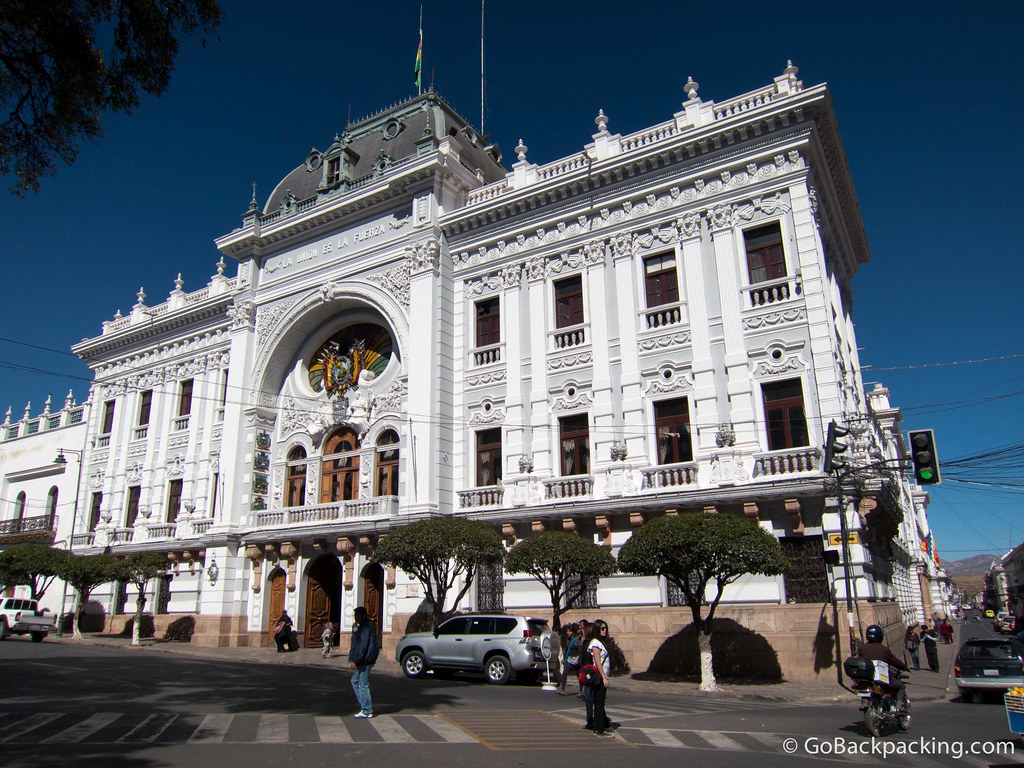
Yes, the Tribunal Supremo de Justicia is located in a grand building overlooking Parque Bolívar. While it is a working government building, visitors can often admire the architecture from the outside and occasionally visit certain public areas depending on current security protocols.
Final Recommendation
For those seeking to understand the deep historical roots of the Andean region, Sucre is an essential destination. Beyond its status as a constitutional capital, it offers a rare combination of paleontological wonders, colonial history, and a vibrant contemporary student culture. To make the most of a visit, prioritize a guided tour of the Casa de la Libertad to understand the political history, followed by a trip to Cal Orck’o to see the prehistoric record.
Image Gallery