How to Use a Voya Life Insurance Policy Loan
To use a Voya life insurance policy loan, you must own a permanent policy (such as Universal or Variable Life) with accumulated cash value. Access your account through the Voya online portal or contact customer service to determine you...
To use a Voya life insurance policy loan, you must own a permanent policy (such as Universal or Variable Life) with accumulated cash value. Access your account through the Voya online portal or contact customer service to determine your "loanable value." Submit a formal request via the online dashboard or paper form; funds are typically issued via check or electronic transfer without a credit check.
Contents
Life insurance is often viewed solely as a death benefit for beneficiaries, but permanent policies issued by Voya Financial (and those serviced by its affiliates) function as flexible financial assets. A policy loan allows you to borrow against the cash value of your policy, using the equity you have built through premium payments as collateral. Unlike traditional bank loans, these do not require credit approval, and the repayment terms are remarkably flexible.
Understanding the Mechanics of a Voya Policy Loan
Before initiating a loan, it is vital to understand that you are not technically "withdrawing" your own money. Instead, Voya is lending you funds from its general account, using your policy’s cash value as security.
When you take a loan, your cash value remains within the policy, but a portion equal to the loan amount is moved into a "loan collateral account." This is a critical distinction because the money in the collateral account may earn interest at a different rate than the unborrowed cash value.
Direct vs. Non-Direct Recognition
In the context of Voya policies, the impact on your dividends or interest credits depends on the specific policy language.
- Direct Recognition: The insurer adjusts the dividends or interest credited to the portion of the cash value used as collateral.
- Non-Direct Recognition: The insurer continues to credit the collateralized cash value at the same rate as the unencumbered cash value.
Most Voya Universal Life (UL) and Indexed Universal Life (IUL) policies utilize a specific crediting methodology defined in the policy prospectus. As of 2026, it remains standard practice to charge a slightly higher interest rate on the loan than what is credited to the collateral, resulting in a "net cost" to the policyholder.
Eligibility and Prerequisites for a Loan
Not every Voya policy is eligible for a loan. You must meet specific criteria before the "Request Loan" option becomes available in your account.
- Policy Type: Only permanent life insurance policies—such as Whole Life, Universal Life (UL), Variable Universal Life (VUL), and Indexed Universal Life (IUL)—build the necessary cash value for a loan. Term life insurance policies do not have a cash value component and therefore cannot be borrowed against.
- Sufficient Cash Value: Most policies require a minimum waiting period (often 1 to 3 years) before the cash value is substantial enough to support a loan. Additionally, Voya typically limits the maximum loan amount to 90% or 95% of the policy's net cash surrender value to prevent immediate lapsing.
- Policy Status: The policy must be "in-force," meaning all required premiums have been paid and the policy has not lapsed.
- Modified Endowment Contract (MEC) Status: If your policy is classified as a Modified Endowment Contract by the IRS, taking a loan may trigger immediate income tax consequences and potential penalties if you are under age 59½.
Step-by-Step Guide to Accessing Your Loan
As of 2026, Voya has streamlined the loan application process through its digital "Voya Learn" and "Account Access" platforms.
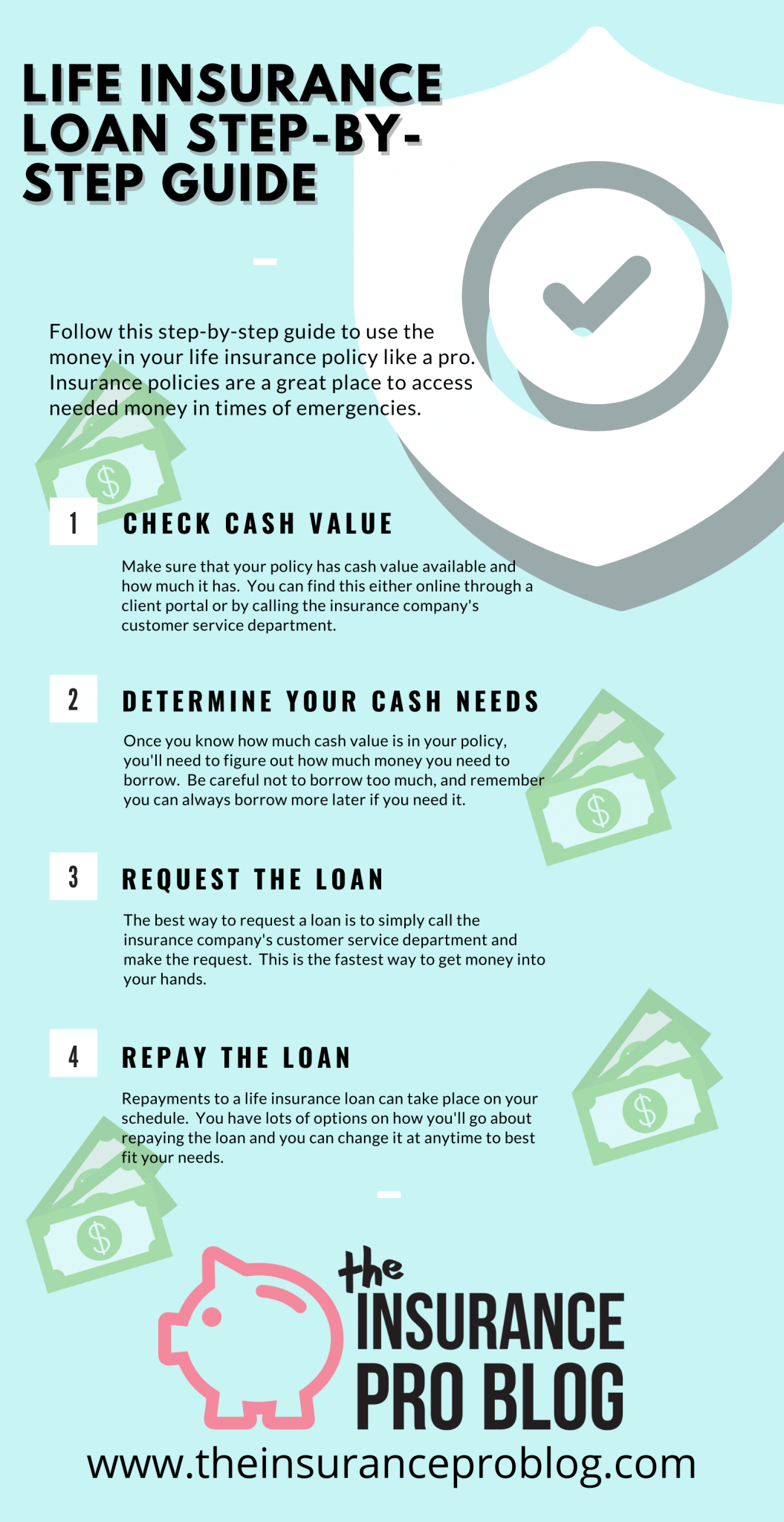
Step 1: Determine the Loanable Amount
Log in to your account on the official Voya website. Navigate to the "Policy Values" or "Contract Details" section. Look for the "Loanable Value" or "Max Loan Amount." This figure accounts for the current cash value minus any existing loans and the interest that will accrue until the next policy anniversary.
Step 2: Choose the Loan Type (For VUL/IUL Policies)
If you have a Variable or Indexed policy, you may have a choice between a Standard (Fixed) Loan and a Variable (Market-Linked) Loan.
- A Standard Loan offers a predictable interest rate.
- A Variable Loan may have an interest rate that fluctuates based on an index, such as the Moody’s Corporate Bond Yield.
Step 3: Submit the Request
- Online: For many modern Voya policies, you can complete the transaction entirely online. Enter the amount, select your disbursement method (Electronic Funds Transfer is fastest), and e-sign the disclosure.
- Phone: You can call Voya Customer Service at 1-877-882-5050. Be prepared to provide your policy number and verify your identity.
- Paper Form: If your policy is older or held in a trust, you may need to download the "Request for Policy Loan" form from the Voya forms library, sign it, and return it via secure upload or mail.
Step 4: Disbursement
Once approved, funds are usually disbursed within 3 to 10 business days. Electronic transfers are typically faster than paper checks sent via USPS.
Costs and Interest Rate Considerations
A Voya policy loan is not "free" money. Voya charges interest on the outstanding balance. The specific rate is documented in your policy contract, often found under the "Loans" or "Policy Values" section.
| Feature | Standard Policy Loan | Indexed/Variable Loan |
|---|---|---|
| Interest Rate Type | Fixed (e.g., 5% - 8%) | Variable (Tied to Moody's Index) |
| Crediting Rate | Guaranteed minimum (e.g., 3%) | Based on Index/Market Performance |
| Net Cost | Low and predictable | Potential for "Zero Cost" or "Profit" |
| Risk Level | Low | Moderate (Rate could rise) |
The interest is typically charged in arrears or in advance, depending on the age of the policy. If you do not pay the interest out of pocket, Voya will automatically add the interest amount to your total loan balance. This is known as "capitalizing" the interest, which can lead to a compounding effect that reduces your death benefit over time.
Repayment Strategies and Impact on Death Benefits
One of the primary benefits of a Voya policy loan is that there is no mandatory repayment schedule. However, failing to repay the loan has significant consequences.
The Impact on Death Benefits
If the insured individual passes away while a loan is outstanding, Voya will deduct the total loan balance (principal plus accrued interest) from the death benefit paid to beneficiaries. For example, if a policy has a $500,000 death benefit and an outstanding loan of $50,000, the beneficiaries will receive only $450,000.
The Risk of Policy Lapse
This is the most critical risk. If the loan balance plus interest grows to exceed the total cash value of the policy, the policy will enter a "grace period." If additional funds are not paid into the policy immediately, it will lapse. A lapsed policy with an outstanding loan is treated by the IRS as a distribution, potentially resulting in a massive tax bill for all gains within the policy.
Repayment Options
- Periodic Payments: You can set up monthly or quarterly payments via the Voya portal to pay down the principal.
- Interest-Only Payments: Paying the annual interest prevents the loan from growing, keeping the death benefit stable.
- Lump Sum: You can repay the entire loan at any time without prepayment penalties.
Tax Implications and Legal Considerations
Under current tax laws in 2026, policy loans are generally received tax-free because they are considered debt, not income. This holds true as long as the policy remains in force.
However, there are two major exceptions:
- Modified Endowment Contracts (MECs): If your policy was overfunded in its early years, it may be classified as a MEC. In this case, loans are taxed as income to the extent there are gains in the policy (Last-In, First-Out or LIFO accounting).
- Policy Lapse or Surrender: If you surrender the policy or it lapses while a loan is outstanding, the "loan forgiveness" is treated as a taxable distribution of the policy's earnings.
Before taking a large loan, consult the IRS guidelines on Life Insurance Contracts or a tax professional to ensure you are not inadvertently creating a tax liability.
Common Mistakes and Troubleshooting
- Ignoring the Interest: Many policyholders assume they don't have to pay anything back. If you ignore the interest, the loan balance grows. Over a decade, a small loan can double, threatening the policy's survival.
- Taking Max Loans on VUL Policies: If your cash value is invested in the stock market (via a Variable Universal Life policy) and the market drops, your remaining cash value might not be enough to cover the loan collateral requirements, leading to a margin-call-style lapse.
- Form Errors: Ensure the policy owner signs the form. If the policy is owned by a business or a trust, corporate resolutions or trust certificates must be on file with Voya.
Frequently Asked Questions
Does a Voya policy loan affect my credit score?
No. Voya does not report policy loans to credit bureaus like Equifax or TransUnion. Since you are borrowing against your own collateral, there is no "credit risk" to the insurer, and therefore no credit check is required.
Can I take multiple loans from the same Voya policy?
Yes, as long as you have remaining "loanable value" in the policy. Voya usually allows multiple loans, though they may consolidate them into a single outstanding balance for interest calculation purposes.
How long does it take to get the money?
Typically, if the request is submitted online through the Voya portal, the funds are processed within 3 to 5 business days. If you request a paper check via mail, it may take 7 to 10 business days depending on postal speed.
What happens if I stop paying premiums while I have a loan?
If you stop paying premiums, the policy will rely on the remaining cash value to cover insurance costs. If a loan is also draining that cash value, the policy will lapse much faster. It is generally recommended to keep up with premiums while a loan is outstanding.
Can Voya deny my loan request?
If you have a permanent policy with sufficient cash value and you are the legal owner of the policy, Voya generally cannot deny a loan request. The right to a loan is a contractual provision. However, they may deny it if the policy is currently being used as collateral for a bank loan (assignment) or if there is a legal dispute over ownership (e.g., during a divorce).
Final Recommendation
When using a Voya life insurance policy loan, your primary goal should be to maintain the policy's integrity. Always pay the annual interest out of pocket rather than letting it capitalize. This prevents the "loan snowball" effect and ensures that your beneficiaries are protected while you utilize the liquidity of your policy for current needs. If you are unsure of your policy's current status, request an "In-Force Illustration" from Voya, which will project how the loan will affect your policy values over the next 10 to 20 years.
Image Gallery