Navigating the Official 2026 IRS Form 1040 Instructions for Individual Tax Filers
Filing your federal income taxes requires careful attention to detail, especially as regulatory updates take effect for the 2026 tax filing season. Whether you are filing as a single taxpayer, married filing jointly, or head of househo...
Filing your federal income taxes requires careful attention to detail, especially as regulatory updates take effect for the 2026 tax filing season. Whether you are filing as a single taxpayer, married filing jointly, or head of household, understanding the official IRS Form 1040 instructions is critical to ensuring compliance, maximizing deductions, and preventing costly processing delays. This comprehensive guide breaks down the core components of Form 1040, the latest structural adjustments for 2026, and practical steps to complete your annual tax return accurately.
Contents
Key Structural Changes and Filing Requirements for 2026
The Internal Revenue Service updates tax brackets, standard deduction amounts, and threshold limits annually to account for inflation and legislative modifications. Taxpayers preparing their returns using the 2026 instructions must review these updated figures before entering any data on their schedules.
Filing status dictates your standard deduction and the tax rate applied to your taxable income. The primary statuses recognized by the IRS include:
- Single
- Married Filing Jointly
- Married Filing Separately
- Head of Household
- Qualifying Surviving Spouse
Failing to select the correct filing status is one of the most common triggers for IRS notices and delayed refunds. Review the detailed flowchart and worksheet guidelines in the primary instruction booklet to verify your status as of December 31, 2026.
Step-by-Step Walkthrough for Completing Form 1040
Filing your return involves completing the document in logical sequence, moving from personal identification to final tax calculations.
- Gather all necessary documentation, including Form W-2 for wage income, Forms 1099 for investment or freelance income, and Forms 1098 for mortgage interest or educational expenses.
- Complete the Personal Information section, ensuring your Social Security Number (SSN) or Individual Taxpayer Identification Number (ITIN) matches the records of the Social Security Administration.
- Report all streams of income on lines 1 through 9, including wages, salaries, tips, taxable interest, ordinary dividends, and capital gains.
- Calculate your Adjusted Gross Income (AGI) by subtracting allowable adjustments—such as educator expenses, student loan interest, and deductible IRA contributions—from your total income.
- Apply either the standard deduction or itemized deductions (Schedule A) to determine your taxable income.
- Calculate your total tax liability using the 2026 Tax Table or Tax Computation Worksheet, then subtract any applicable non-refundable and refundable credits, such as the Child Tax Credit or Earned Income Tax Credit.
- Record your total withholding and estimated tax payments to determine whether you are owed a refund or have a remaining balance due.
Standard Deduction vs. Itemized Deductions Comparison
Choosing between taking the standard deduction or itemization can significantly alter your final tax liability. Review the comparison framework below to determine which method aligns with your financial profile.
| Feature | Standard Deduction | Itemized Deductions (Schedule A) |
|---|---|---|
| Complexity | Minimal paperwork; requires no tracking of individual receipts throughout the year. | High complexity; requires rigorous record-keeping, receipts, and specific schedules. |
| Eligibility | Available to almost all individual taxpayers, with higher thresholds for seniors and the blind. | Beneficial primarily when total qualifying expenses exceed the standard threshold. |
| Eligible Expenses | Fixed statutory amount adjusted annually for inflation. | State and local taxes (SALT) up to statutory caps, mortgage interest, charitable donations, and unreimbursed medical expenses exceeding the AGI floor. |
| Audit Risk | Low, as amounts are predetermined by the IRS based on filing status. | Moderate to high, as every deducted expense must be substantiated upon request. |
Essential Schedules and Supporting Documents
Form 1040 serves as the master summary sheet, but most taxpayers will need to attach supplementary schedules depending on their financial activities.
- Schedule 1 (Additional Income and Adjustments to Income): Used to report unemployment compensation, prize money, rental income, alimony received, and specific educator or retirement adjustments.
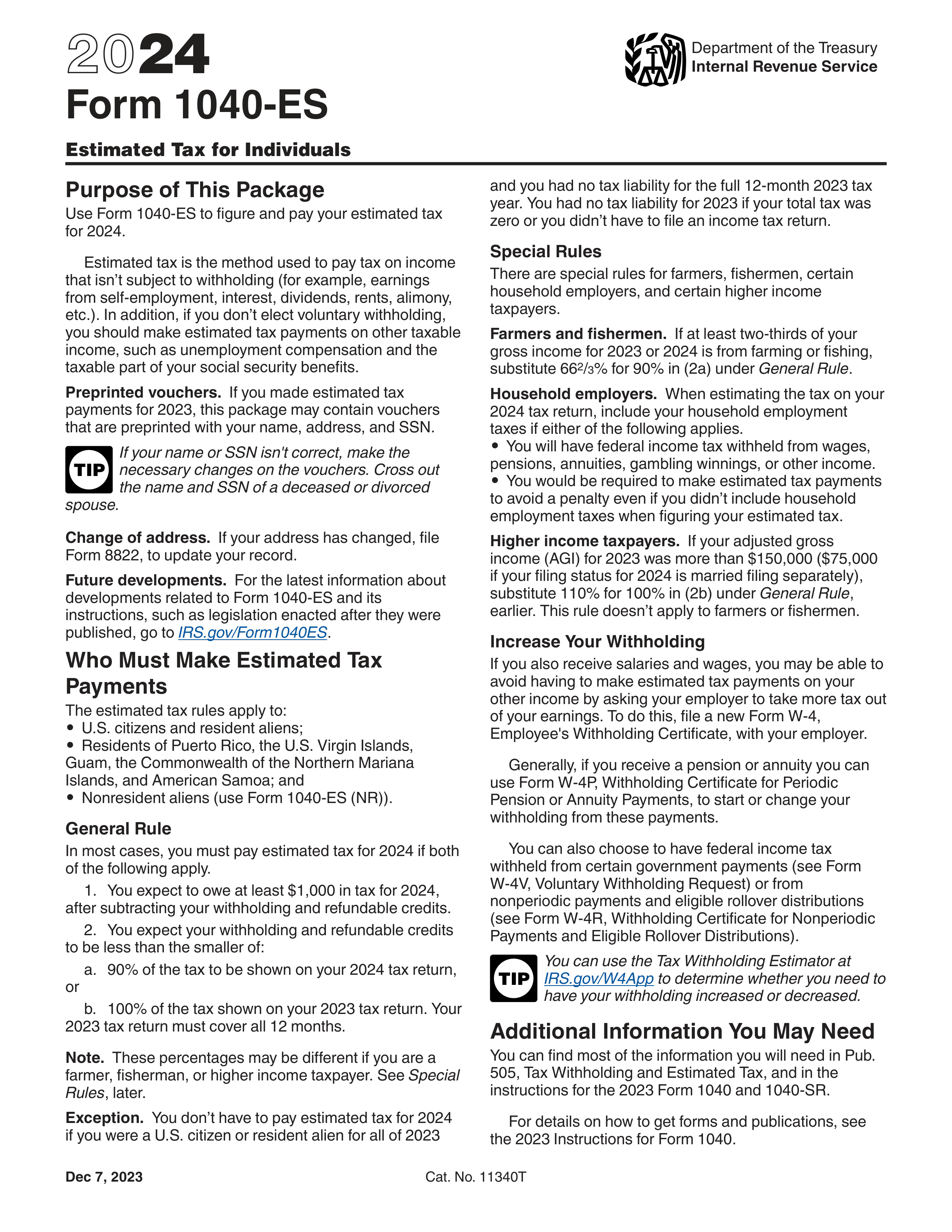
- Schedule 2 (Additional Taxes): Required if you owe alternative minimum tax (AMT), household employment taxes, or repayment of excess advance premium tax credits.
- Schedule 3 (Additional Credits and Payments): Used to claim non-refundable credits like the foreign tax credit, education credits, or general business credits.
- Schedule C (Profit or Loss From Business): Mandatory for sole proprietors, independent contractors, and single-member LLCs reporting self-employment income.
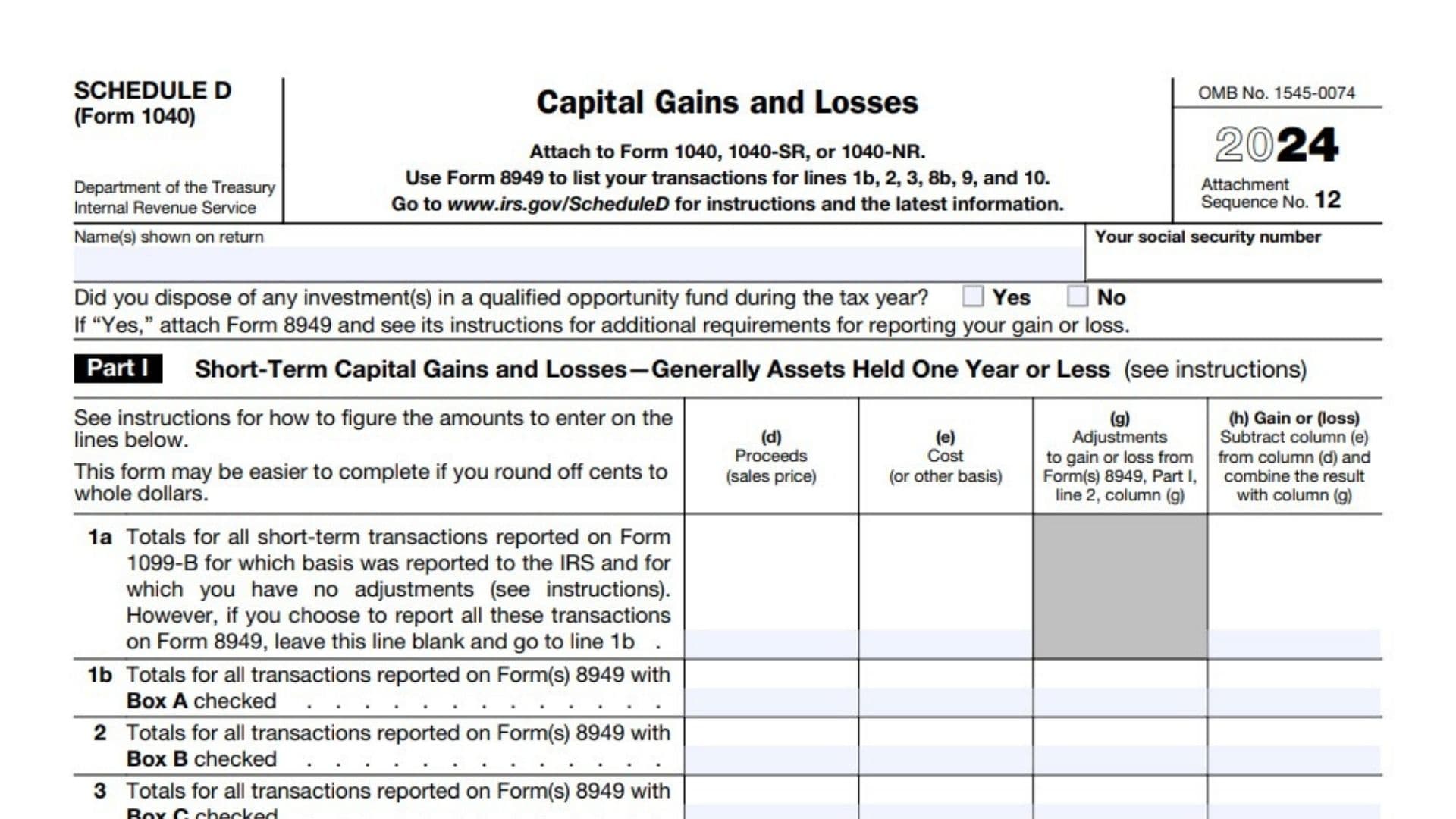
- Schedule D (Capital Gains and Losses): Necessary for reporting the sale of stocks, bonds, real estate, or other capital assets.
Expert Strategies for Error-Free Tax Preparation
Minimizing errors speeds up processing times and eliminates the frustration of IRS audits or automated mismatch notices. Implement these practical strategies when preparing your return:
- File Electronically: E-filing combined with direct deposit is universally recognized by tax professionals as the safest and fastest way to file. Electronic filing software performs automated math checks and flags missing entries before transmission.
- Double-Check Identification Numbers: Typo errors in Social Security Numbers are a primary cause of rejected electronic returns and suspended dependent claims.
- Reconcile Advance Payments: If you received advance premium tax credits through the Health Insurance Marketplace, you must reconcile them using Form 8962 and report the data on Schedule 2.
- Keep Complete Records: Maintain physical or digital copies of your tax return, W-2s, 1099s, and supporting receipts for a minimum of three years from the date of filing.
Frequently Asked Questions About Form 1040 Instructions
What is the primary purpose of IRS Form 1040 instructions?
The official instructions provide step-by-step guidance, tax tables, and line-by-line definitions required for individual taxpayers to file an accurate federal income tax return. They act as the definitive reference manual for interpreting federal tax code requirements for the current filing year.
Where can I find the official 2026 tax brackets and standard deduction amounts?
The updated tax tables and standard deduction rates are published directly in the front section of the printed and digital 2026 IRS Form 1040 instruction booklet available on the official IRS website. These figures change annually to adjust for macroeconomic inflation metrics.
Do I need to attach Form 1040 instructions to my tax return?
No, instructions are reference materials designed to help you complete your paperwork and should never be mailed or uploaded with your tax return. You only submit the completed Form 1040 along with any required schedules and informational forms like W-2s or 1099s.
What should I do if I discover an error on my return after filing?
If you notice a mistake after your return has been accepted, you must file an amended return using Form 1040-X. Do not file a second original return, as this creates processing gridlock within the IRS tax pipeline.
How can I track the status of my federal tax refund after filing?
You can track your refund securely using the official online tool available on the IRS website or through the IRS mobile application approximately 24 hours after e-filing an electronic return. You will need your Social Security Number, filing status, and exact refund amount shown on your return.
Take Action on Your Tax Filing Today
Review your financial documents, select your appropriate filing status, and utilize official IRS software or certified tax professionals to complete your return efficiently. Securing professional assistance or utilizing modern tax software ensures compliance with current 2026 guidelines and helps you claim every deduction to which you are legally entitled.
Image Gallery