Understanding Utah Auto Glass Replacement: Costs, Requirements, and Best Practices
In Utah, auto glass replacement costs typically range from $250 to $700 for standard windshields, though prices can exceed $1,200 for vehicles equipped with Advanced Driver Assistance Systems (ADAS). Factors such as vehicle make, glass...
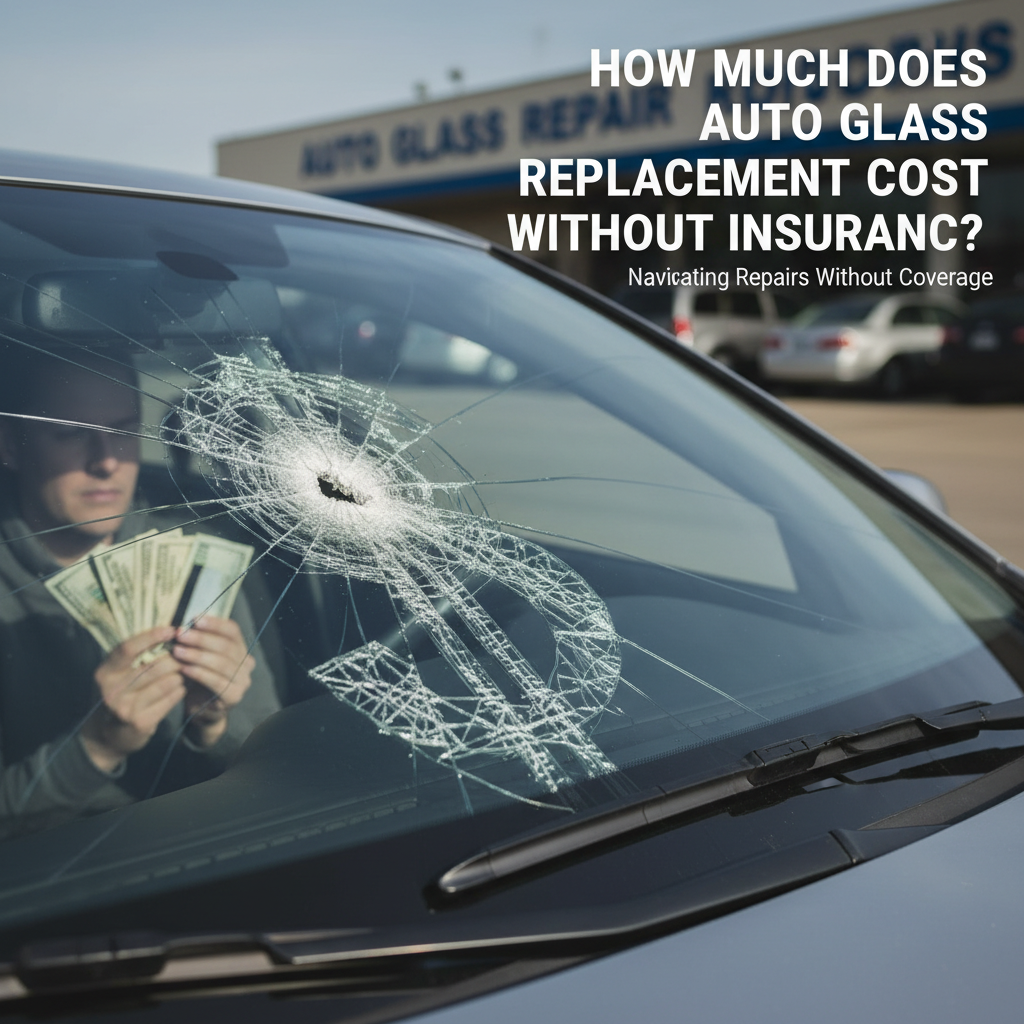
In Utah, auto glass replacement costs typically range from $250 to $700 for standard windshields, though prices can exceed $1,200 for vehicles equipped with Advanced Driver Assistance Systems (ADAS). Factors such as vehicle make, glass quality, and the necessity of recalibration drive these price variations across the state’s diverse repair market.
Contents
The Landscape of Auto Glass Repair in Utah
Maintaining an intact windshield is not merely a matter of vehicle aesthetics; it is a critical safety requirement. In Utah, the Department of Public Safety enforces regulations regarding vehicle equipment, which includes the condition of windshields. A cracked or shattered windshield can obstruct driver visibility and, more importantly, compromise the structural integrity of the vehicle cabin during a rollover accident. Furthermore, modern vehicles rely on windshield-mounted cameras and sensors for safety features like lane-departure warnings and automatic emergency braking. When you replace a windshield, you are often performing a delicate technical procedure that requires precision to ensure these systems function correctly.
Breaking Down Replacement Costs
The cost of auto glass replacement in Utah is influenced by several variables. Because Utah has a mix of rural and urban repair environments—from Salt Lake City’s competitive repair shops to more remote mobile service providers—pricing can vary significantly based on labor rates and parts availability.
1. Glass Quality: OEM vs. Aftermarket
- Original Equipment Manufacturer (OEM): These are produced by the same manufacturers that supplied the glass when the vehicle was built. They offer the highest level of fit, finish, and acoustic performance but come at a premium price.
- Aftermarket/Aftermarket Equivalent: These are manufactured by independent companies. They are significantly cheaper and meet federal safety standards (Department of Transportation certification), but they may occasionally exhibit minor variances in fit or optical clarity.
2. Advanced Driver Assistance Systems (ADAS) Recalibration
This is the most significant factor in modern auto glass costs. If your vehicle has a forward-facing camera attached to the windshield, the glass must be replaced and the camera system must be recalibrated. Failing to recalibrate can result in the vehicle’s safety systems providing incorrect data, leading to dangerous driving scenarios. In 2026, many insurance providers now mandate proof of successful recalibration before paying out claims.
Comparative Cost Estimates
The following table provides a general overview of market pricing for common vehicle categories in Utah. Note that these are estimates; exact quotes depend on specific VIN-based parts matching.
| Vehicle Type | Standard Glass Range | Glass with ADAS Recalibration |
|---|---|---|
| Economy Sedan | $250 – $400 | $500 – $800 |
| Mid-Sized SUV/Crossover | $300 – $500 | $600 – $1,000 |
| Luxury/Premium SUV | $450 – $700 | $900 – $1,500+ |
| Pickup Truck | $300 – $600 | $700 – $1,200 |
Insurance Considerations in Utah
When addressing auto glass replacement, your first step should be to review your insurance policy. In Utah, glass coverage is often bundled under "Comprehensive" coverage.
- Deductible Waivers: Some insurance policies offer "full glass" coverage, which waives the deductible for windshield repairs or replacements. Check your declarations page to see if you have this benefit.
- Preferred Provider Networks: Many insurers in Utah partner with specific glass networks. While you have the legal right to choose your own repair shop, choosing an out-of-network provider might result in the insurance company only paying the "prevailing market rate," leaving you responsible for any cost difference.
- Claims Filing: Most shops can file the claim for you, but verify that the shop is approved by your specific carrier to avoid administrative delays.
Steps for a Successful Replacement
- Obtain Multiple Quotes: Contact at least two or three reputable local shops. Provide your Vehicle Identification Number (VIN) to ensure the quote accounts for specific features like rain sensors, heads-up displays, or heated wiper zones.
- Verify Technician Certification: Ask if the technicians are certified by the Auto Glass Safety Council (AGSC). Certification indicates that the technician follows the ANSI/AGSC/AGRSS standard, which governs the safe installation of auto glass.
- Schedule Mobile vs. In-Shop: Many Utah providers offer mobile services. However, ensure the technician has a climate-controlled or dry environment if the weather is inclement, as adhesives require specific temperature ranges to cure properly.
- Confirm Recalibration Strategy: If your car requires ADAS calibration, ask if the shop performs it in-house or if they outsource it to a dealership. In-house calibration is generally faster and less prone to scheduling issues.
Common Mistakes to Avoid
One of the most frequent errors is ignoring a small chip until it spreads. In Utah’s climate, temperature fluctuations between day and night can cause a small pit or star-shaped crack to expand rapidly across the entire windshield. Repairing a chip is significantly cheaper than replacing a windshield.
Another mistake is failing to allow the adhesive to set. While a shop may say the car is "driveable" within an hour, the adhesive typically needs 24 to 48 hours to reach full structural strength. Avoid high-pressure car washes, slamming doors, or driving at high speeds immediately following the service.
Troubleshooting and Ongoing Maintenance
If you notice wind noise, water leaks, or distortion in your line of sight after a replacement, contact the service provider immediately. A reputable shop will have a warranty on their workmanship, usually covering leaks and stress cracks for a set period. Keep all paperwork, including the warranty document and the calibration certificate, in your glove box.
Frequently Asked Questions
Does my insurance cover a cracked windshield in Utah? Coverage depends on your specific policy. If you carry comprehensive coverage, it is likely covered, but you will need to determine if you have a glass-specific deductible or if your standard collision deductible applies.
Is it safe to drive with a cracked windshield? Driving with a crack that obstructs your vision is a violation of Utah traffic safety standards. If the crack is in your direct line of sight or is large enough to weaken the windshield's ability to support the roof during a crash, it is not safe.
How long does an auto glass replacement take? The physical installation usually takes about one to two hours. However, the "drive-away time"—the time required for the urethane adhesive to cure enough to be safe—is typically one to three hours, depending on the product used.
What is the difference between a chip repair and a full replacement? A repair involves injecting a clear resin into a small chip (typically smaller than a quarter). A replacement involves removing the entire glass pane and installing a new one. Repair is more cost-effective and preserves the original factory seal.
Why does my car need recalibration after a windshield change? The camera housing is mounted to the windshield. Removing and reinstalling this camera changes the angle by even a fraction of a degree. Recalibration aligns the camera sensors to ensure features like automatic braking and lane keeping are accurate.
Should I choose OEM or aftermarket glass? OEM glass is recommended if you have a newer vehicle with complex safety sensors. For older vehicles, high-quality aftermarket glass is often sufficient and more budget-friendly.
Recommendation
If your windshield has a chip, prioritize an immediate repair to avoid the cost of a full replacement. If a replacement is necessary, verify if your insurance covers ADAS recalibration costs before authorizing work. Always prioritize shops that utilize AGSC-certified technicians to ensure that the structural integrity of your vehicle is restored to manufacturer specifications.
Image Gallery