Can Pepperoni Kill a Dog? Understanding the Risks and Safety Guidelines
Pepperoni is not typically fatal to a dog in small, single-serving quantities, but it is considered unsafe due to high levels of sodium, fat, and potential seasonings like garlic or onion powder. While a small piece may only cause mino...
Pepperoni is not typically fatal to a dog in small, single-serving quantities, but it is considered unsafe due to high levels of sodium, fat, and potential seasonings like garlic or onion powder. While a small piece may only cause minor digestive upset, ingesting large amounts or frequently consuming processed meats can lead to serious health complications, including salt poisoning or pancreatitis, which can be life-threatening if left untreated.
Contents
The Nutritional Composition of Pepperoni
To understand why pepperoni is problematic for canine health, one must look at its ingredients. Pepperoni is a highly processed, cured meat product typically made from a mixture of beef and pork. During the curing process, significant amounts of salt, nitrates, and sugar are added. Furthermore, almost all commercial pepperoni recipes include garlic powder, onion powder, or paprika—all of which are common flavor enhancers that pose distinct risks to dogs.
The fat content in pepperoni is disproportionately high. While dogs require fat in their diets, the saturated fats found in processed meats are difficult for them to digest in large quantities. When a dog consumes a high-fat meal, it forces the pancreas to work significantly harder than usual to produce the enzymes required for digestion. This can lead to inflammation of the organ, a condition known as pancreatitis, which ranges from painful to fatal depending on the severity of the inflammatory response.
Why Garlic and Onion Are Dangerous
Many pet owners are unaware that members of the Allium family—including onions, garlic, chives, and leeks—are toxic to dogs. These ingredients cause oxidative damage to a dog’s red blood cells, potentially leading to hemolytic anemia. In this condition, the red blood cells burst, preventing the blood from carrying oxygen effectively throughout the body.
Because pepperoni is almost always seasoned with garlic and onion powder, the risk is not just the meat itself, but the toxic additives embedded within it. While the concentration in a single slice of pepperoni might be low, the cumulative effect of these compounds, especially in smaller dogs or dogs with underlying health sensitivities, can be dangerous.
The Dangers of Sodium Ion Poisoning
Salt poisoning is perhaps the most acute threat posed by processed meats. Pepperoni contains a massive amount of sodium compared to a dog's daily recommended intake. Ingesting large quantities of high-sodium food can lead to a condition known as hypernatremia, or salt toxicity.
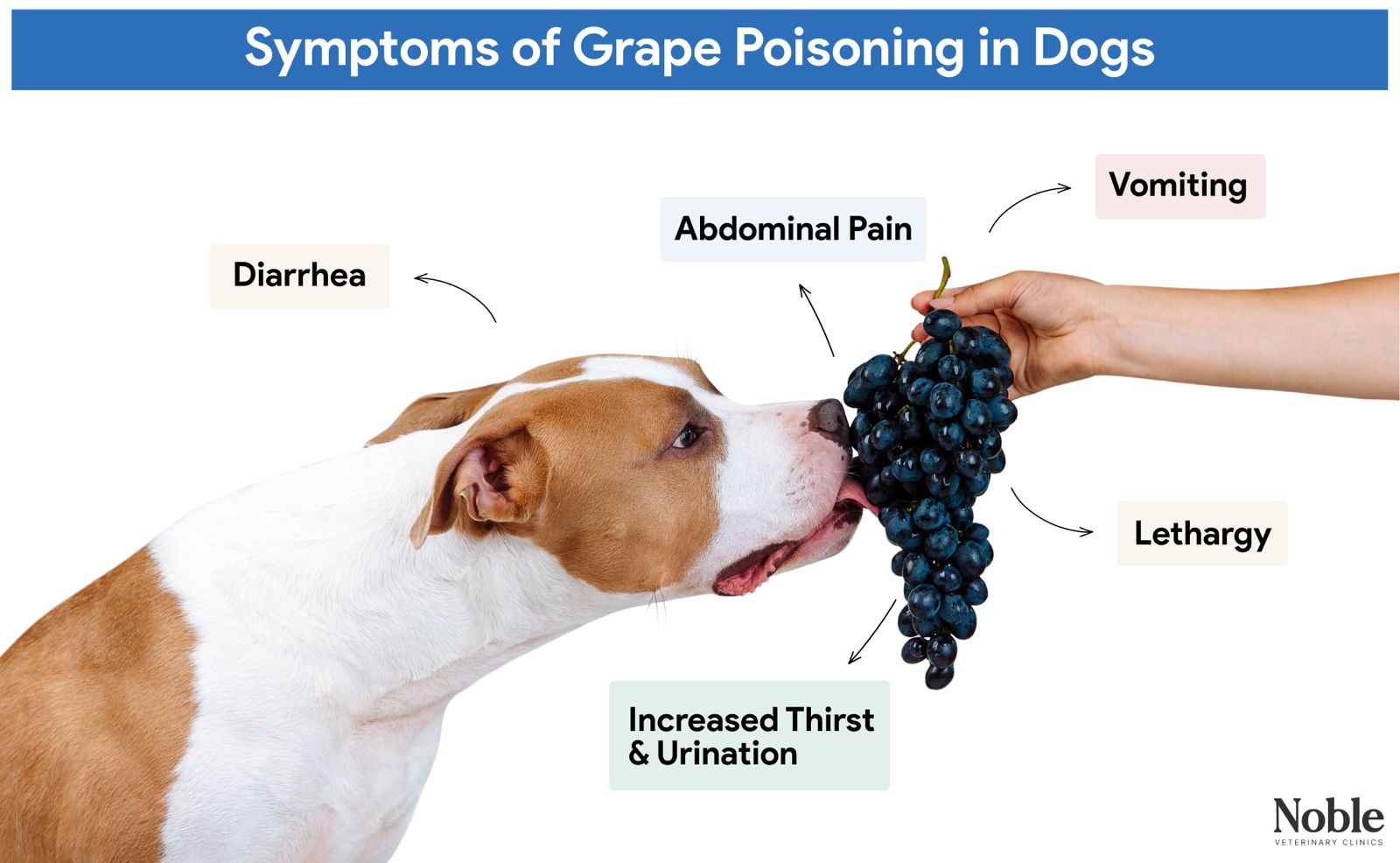
When a dog consumes too much salt, their body attempts to balance the concentration by pulling water from the cells into the bloodstream. This rapid shift can lead to severe dehydration, neurological symptoms, and fluid buildup in the brain. Symptoms of salt toxicity include:
- Excessive thirst and urination.
- Vomiting and diarrhea.
- Tremors or seizures.
- Lethargy or disorientation.
- Elevated heart rate.
Assessing the Risk: Small vs. Large Quantities
The difference between a "mistake" and an "emergency" often comes down to the quantity consumed and the size of the dog. A ten-pound Chihuahua eating five slices of pizza pepperoni is in significantly more danger than a ninety-pound Labrador retriever eating a single fallen slice.
Risk Severity Matrix
| Quantity Consumed | Dog Size | Potential Outcome | Recommended Action |
|---|---|---|---|
| One small slice | Large | Minor digestive upset | Observe for mild diarrhea |
| One small slice | Small | Possible nausea | Monitor for vomiting |
| Multiple slices | Any size | Pancreatitis or salt risk | Contact veterinarian immediately |
| Entire pizza topping | Small/Medium | High toxicity risk | Seek emergency vet care |
Recognizing Symptoms of Toxicity
If your dog has ingested a significant amount of pepperoni, you should monitor them closely for the next 24 to 48 hours. Early signs of distress may be subtle. Keep a close watch for:
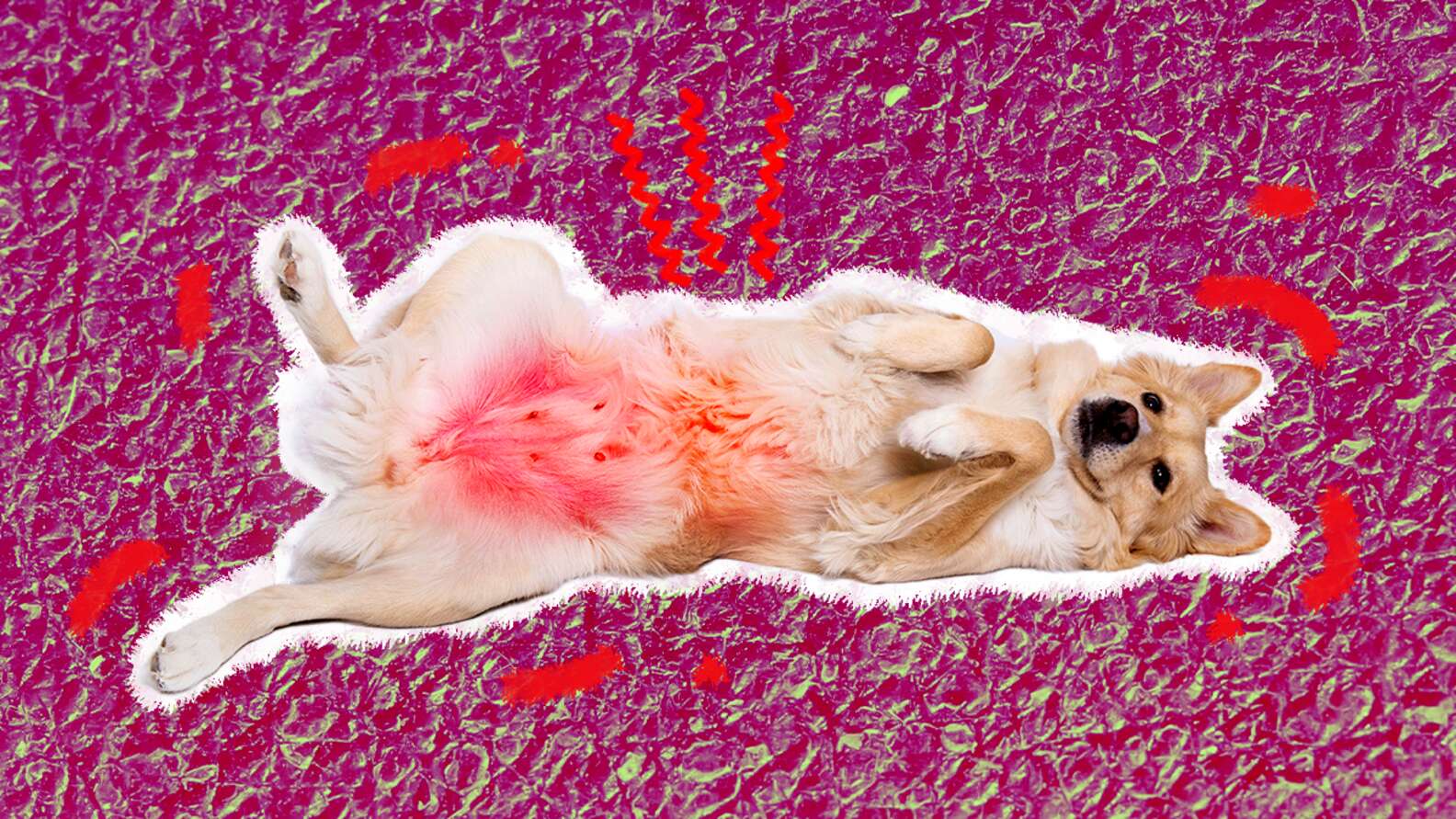
- Gastrointestinal Distress: Persistent vomiting, diarrhea, or a noticeably bloated/painful abdomen are clear signs that the dog is struggling to process the fats and salts.
- Neurological Changes: If your dog seems unusually clumsy, appears to have a "drunken" gait, or begins experiencing muscle tremors, seek professional help immediately. These are signs of electrolyte imbalance.
- Severe Lethargy: If your dog is unusually tired or refuses to stand, this may indicate that their body is struggling with severe systemic inflammation or dehydration.
Immediate Next Steps After Ingestion
If you witness your dog eating a large quantity of pepperoni, do not wait for symptoms to appear before taking action. First, remove any remaining pepperoni from the area to prevent further consumption. Second, check the ingredient label if possible; look for the presence of garlic or onion powder, as these increase the urgency of the situation.
Contact your veterinarian or a pet poison control hotline immediately. Provide them with the approximate weight of your dog, the amount of pepperoni consumed, and the time elapsed since the event. They may advise you to induce vomiting, but do not attempt this at home unless explicitly instructed by a professional, as improper technique can lead to aspiration pneumonia.
Frequently Asked Questions
Is turkey pepperoni safer for dogs than traditional beef/pork pepperoni? No. While the fat content might be slightly lower in some turkey-based varieties, the sodium levels and the presence of garlic or onion powder remain high. It is still a processed meat and should be avoided.
Can my dog eat pepperoni if I remove the seasoning? Even without the seasoning, the sodium and fat content remain far too high for a healthy canine diet. It is never recommended to serve pepperoni as a treat, regardless of how you prepare it.
How long does it take for symptoms of salt poisoning to show? Symptoms of salt toxicity can manifest anywhere from one hour to several hours after ingestion. You should watch your pet closely for at least 24 hours following the incident.
Should I give my dog water if they have eaten a lot of salty food? Ensure your dog has constant access to fresh water. While they need hydration to flush out excess sodium, encourage them to drink at a normal pace. Allowing them to gulp down massive amounts of water at once can sometimes exacerbate vomiting.
What is the best alternative to pepperoni for a treat? If you want to share a snack with your dog, opt for low-fat, high-protein options like plain, boiled chicken breast, lean cooked turkey, or plain carrot sticks. These are safer and avoid the high salt and harmful seasonings found in human deli meats.
Professional Guidance and Conclusion
While a single slice of pepperoni is unlikely to kill a healthy dog, it is definitively an unhealthy snack that can trigger serious medical conditions. If you are concerned about your dog's recent dietary habits or if they have ingested a large amount of processed meat, err on the side of caution and consult your veterinarian. Always prioritize a balanced, vet-approved diet to ensure your pet lives a healthy, long life.
Image Gallery