Miami Executive Airport: A Comprehensive Operational Overview
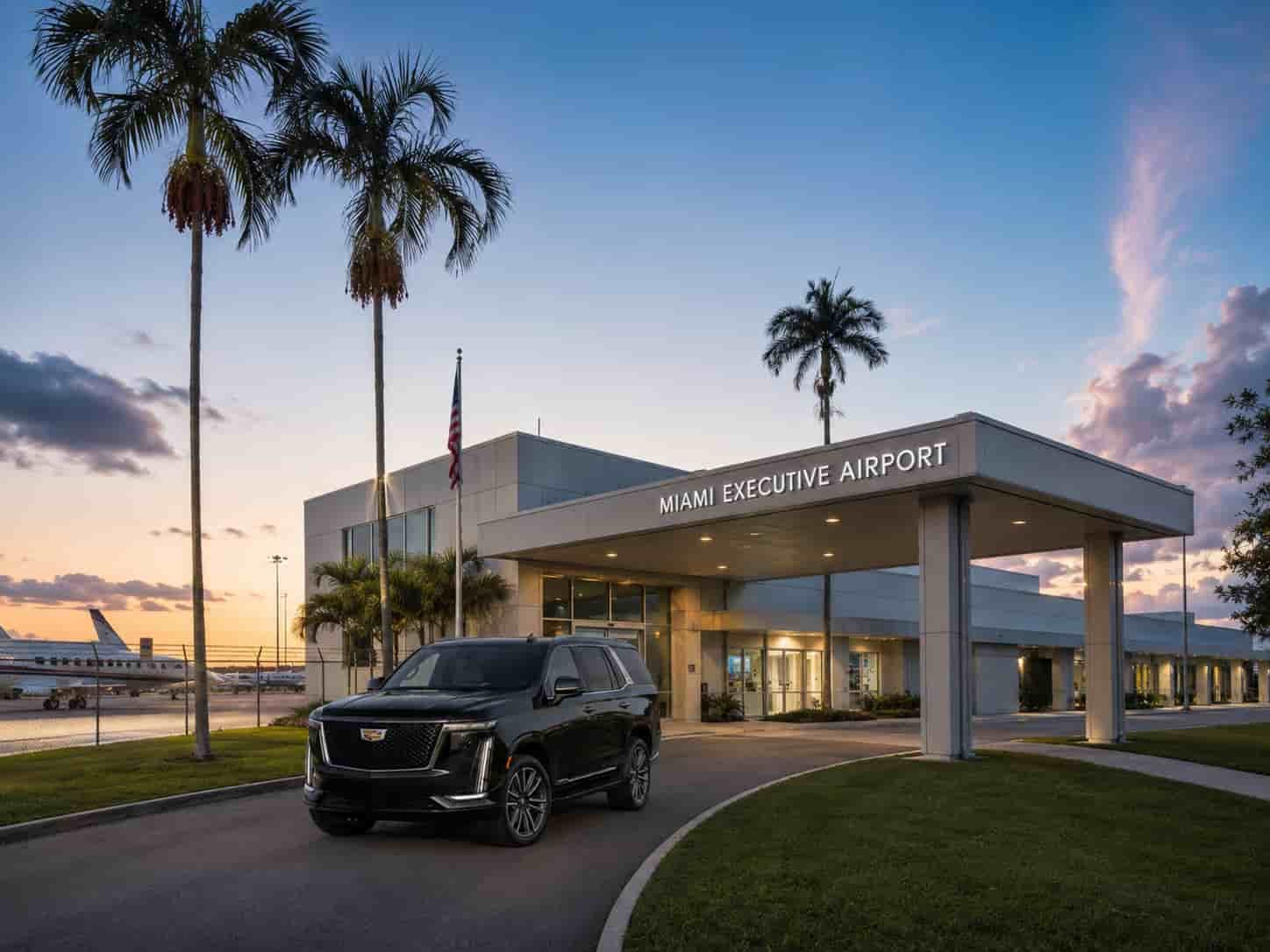
Miami Executive Airport (TMB), formerly known as Tamiami Airport, serves as a vital general aviation hub in South Florida, facilitating a high volume of corporate, recreational, and flight training operations. Situated approximately 15...
Miami Executive Airport (TMB), formerly known as Tamiami Airport, serves as a vital general aviation hub in South Florida, facilitating a high volume of corporate, recreational, and flight training operations. Situated approximately 15 miles southwest of downtown Miami, it functions as a primary reliever airport for Miami International Airport, providing essential infrastructure for business travelers, private pilots, and aviation-related enterprises seeking efficient access to the Miami metropolitan region.
Contents
Strategic Importance and Regional Role
Miami Executive Airport occupies a critical niche in the National Plan of Integrated Airport Systems (NPIAS). Because major international hubs like Miami International Airport (MIA) prioritize commercial air carrier traffic, TMB absorbs a significant portion of general aviation (GA) demand. This includes corporate jet operations, flight schools, maintenance facilities, and private aircraft storage.
The airport is owned and operated by the Miami-Dade Aviation Department (MDAD). Its strategic location near the Everglades and the expanding suburban corridors of Kendall and Tamiami makes it the preferred gateway for business aircraft owners conducting commerce in southern Miami-Dade County. By diverting smaller, non-scheduled aircraft away from the saturated airspace of major international hubs, TMB enhances overall regional airspace safety and operational efficiency.
Airfield Infrastructure and Technical Specifications
The airport’s layout is designed to accommodate a diverse range of aircraft, from single-engine trainers to mid-sized corporate jets. The facility spans approximately 1,380 acres and features three active runways.
Runway Configuration
- Runway 9L/27R: 6,001 feet by 150 feet. This serves as the primary instrument runway, equipped with high-intensity runway lighting and an Instrument Landing System (ILS).
- Runway 9R/27L: 5,002 feet by 150 feet.
- Runway 13/31: 4,003 feet by 150 feet. This crosswind runway is essential for navigating the variable wind conditions common to the Florida peninsula.
These runway lengths are sufficient for most business aviation needs, including regional business jets and twin-engine turboprops. The tarmac is maintained to support significant weight-bearing requirements, and the airport operates a dedicated air traffic control tower that manages the complex pattern of training aircraft and corporate arrivals.
Operational Services and Facilities
Miami Executive Airport is a full-service facility providing comprehensive support for pilots and aircraft operators. Beyond the runways, the airport infrastructure is built around a network of Fixed-Base Operators (FBOs).
Fixed-Base Operators (FBOs)
FBOs at TMB provide the essential services required by visiting pilots and home-based aircraft, including:
- Fueling Services: Jet-A and Avgas 100LL are available through multiple providers.
- Hangaring: Both transient and long-term climate-controlled storage for aircraft.
- Passenger Amenities: Dedicated lounges, concierge services, and ground transportation arrangements for business travelers.
- Aircraft Maintenance: Certified repair stations capable of performing routine inspections, avionics upgrades, and major airframe repairs.
Flight Training Environment
TMB is a prolific site for flight training. Aspiring pilots benefit from the airport's proximity to practice areas and the presence of numerous flight schools. However, students and instructors must remain cognizant of the dense traffic patterns, particularly during peak weekend hours, and the strict adherence required to noise abatement procedures mandated by the airport authority.
Comparative Overview of Airport Services
The following table outlines the functional categories of service available at Miami Executive Airport, distinguishing it from smaller regional strips and major commercial hubs.
| Service Category | Availability at TMB | Description |
|---|---|---|
| Instrument Approaches | Yes | ILS, RNAV (GPS), and VOR approaches available. |
| Towered Operations | Yes | Full-time Air Traffic Control tower service. |
| Corporate Handling | High | Multiple full-service FBOs available on-site. |
| Customs/Immigration | Limited | Arrangements must be made in advance; check current status. |
| Maintenance | Extensive | Multiple certified Part 145 repair stations. |
| Public Transit | Moderate | Accessible via ride-share and private car services. |
Safety, Security, and Regulatory Compliance
Operating at Miami Executive Airport requires strict compliance with Federal Aviation Administration (FAA) regulations and local Miami-Dade County ordinances. As a secure facility, access to the Air Operations Area (AOA) is strictly controlled. Pilots must possess valid identification, and vehicles operating on the ramp must be properly permitted.
Noise Abatement
Due to the airport’s location amidst residential neighborhoods, Miami Executive Airport enforces voluntary noise abatement procedures. Pilots are encouraged to follow established flight tracks that minimize overflight of residential areas, especially during late-night and early-morning hours. Compliance with these procedures is essential to maintaining the airport’s "Good Neighbor" policy and ensuring the long-term viability of operations.
Customs and Border Protection
For operators arriving from international destinations, TMB provides a port of entry. However, clearance processes are subject to specific scheduling and notification requirements. Pilots must verify the current operating hours of the Customs facility directly through the airport management office, as these may fluctuate based on staffing and demand.
Frequently Asked Questions
Is Miami Executive Airport suitable for large commercial airlines?
No. While the runways can technically accommodate larger aircraft, the airport is not designed for airline passenger terminal operations. It is strictly designated for general aviation, corporate, and private flight activity.
Do I need a reservation to land at TMB?
No reservations are required for runway access; the airport operates on a first-come, first-served basis. However, if you are planning to park at an FBO, it is highly recommended to contact them in advance to confirm ramp space and hangar availability.
How does the traffic at TMB compare to Miami International?
TMB is significantly less congested than Miami International (MIA). While TMB is busy due to flight training, it lacks the complex commercial scheduling and massive aircraft size that characterizes MIA, making it much more efficient for private and business aviation.
What are the primary fees associated with using TMB?
Fees typically include landing fees (depending on aircraft weight), ramp/parking fees charged by FBOs, and fuel costs. These vary by the specific FBO selected, so operators should request a fee schedule prior to arrival.
Is TMB open 24 hours a day?
The airport is accessible 24 hours a day for arrivals and departures; however, the Air Traffic Control Tower operates during specific hours. Pilots should consult the Chart Supplement (formerly the Airport/Facility Directory) for current operating hours and contact information.
What is the best way to travel from TMB to downtown Miami?
Ride-share services and private car services are the most efficient modes of transportation. The airport is located near major expressways, typically providing a 30-to-45-minute commute to downtown Miami depending on traffic conditions.
Next Actions and Operational Guidance
For pilots planning an arrival at Miami Executive Airport, the first step is to review the most recent Notice to Air Missions (NOTAMs) to identify any temporary runway closures or construction activity. Visit the official Miami-Dade Aviation Department website to verify current FBO contact information and review the airport’s published noise abatement guidelines. If you are an operator requiring ground handling, establish contact with your preferred FBO at least 24 hours before your flight to ensure that your specific ground support needs are accommodated upon arrival.
Image Gallery