Andre the Giant: A Legend Beyond Size
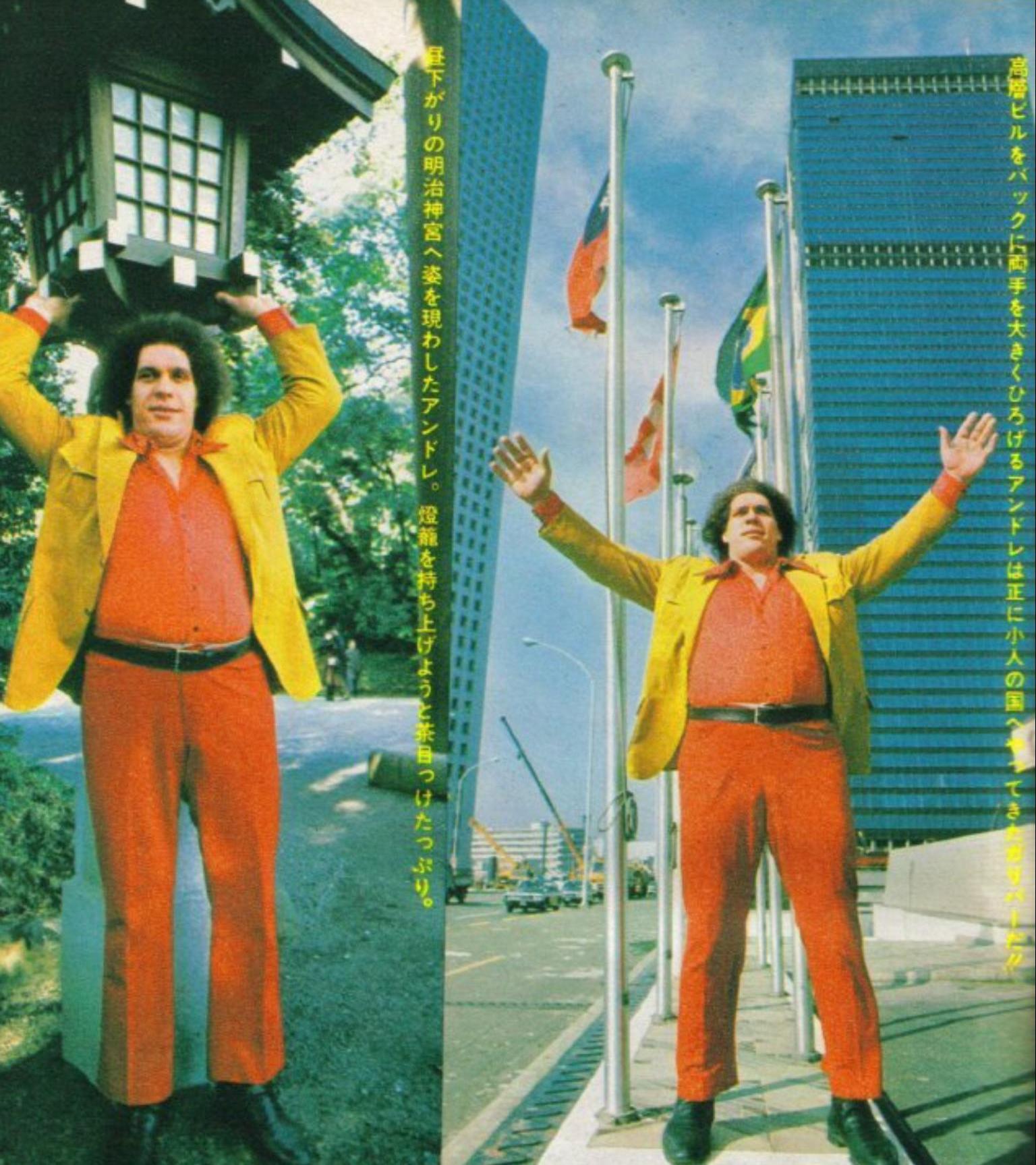
André the Giant, born André René Roussimoff, was a French professional wrestler and actor who became a global cultural icon. Known as the "Eighth Wonder of the World," his legacy transcends his massive 7-foot-4-inch frame, encompassing...
André the Giant, born André René Roussimoff, was a French professional wrestler and actor who became a global cultural icon. Known as the "Eighth Wonder of the World," his legacy transcends his massive 7-foot-4-inch frame, encompassing a storied wrestling career, a beloved role in The Princess Bride, and a life defined by the physical and emotional challenges of acromegaly.
Contents
The Early Life of André René Roussimoff
To understand the legend, one must look toward the small village of Coulommiers, France, where André was born in 1946. Unlike the mythological figure he would become, André’s beginnings were humble. He was born to immigrant parents—a Bulgarian father and a Polish mother—and by all accounts, he was a normal-sized child at birth. However, the onset of acromegaly, a hormonal disorder caused by a benign tumor on the pituitary gland, soon altered the trajectory of his life.
By the age of 12, André stood 6 feet 3 inches tall and weighed over 200 pounds. This rapid growth made traditional childhood difficult; famously, the playwright Samuel Beckett, a neighbor at the time, would occasionally drive the young André to school in his truck because the boy could no longer fit on the school bus. Even at a young age, André was a hard worker, performing the labor of three men on his family's farm. Yet, he knew his future lay beyond the rural countryside. At 18, he moved to Paris to begin his training in professional wrestling, a path that would eventually make him the most recognizable face in the world.
The Transformation into the Eighth Wonder of the World
In his early career, André wrestled under names like "Géant Ferré" and "Monster Eiffel Tower." While he was naturally gifted and surprisingly agile for his size—often performing dropkicks and leaping maneuvers that seem impossible for a man of his stature—it wasn't until he met Frank Valois and later Vince McMahon Sr. that his persona was truly refined.
McMahon Sr. realized that the "monster" gimmick was less effective than portraying André as an immovable object and a special attraction. He was rebranded as André the Giant, and the decision was made to book him as a traveling "special attraction" rather than a stationary champion. This strategy ensured that fans in different territories never grew tired of his presence; he would arrive, dominate, and leave before the spectacle wore off.
The Undefeated Streak
For nearly 15 years, André was billed as undefeated in the World Wrestling Federation (WWF). While he had lost matches in other territories and via count-out or disqualification, the narrative of his invincibility was a cornerstone of 1980s wrestling lore. This "streak" was not just a marketing ploy; it was a testament to his status as the industry's ultimate gatekeeper. To defeat André was to be anointed as the next face of professional wrestling.
The Medical Reality of Acromegaly
While his size brought him fame and fortune, it came at a staggering physical cost. Acromegaly causes the body to produce excess growth hormone, leading to the enlargement of bones in the hands, feet, and face, as well as the internal organs. By the mid-1980s, the condition was taking a severe toll on André’s health.
The weight of his own body—which peaked at over 500 pounds—put immense pressure on his joints and spine. He lived in constant, chronic pain, which he famously managed with astronomical amounts of alcohol. Stories of André consuming over 100 beers in a single sitting or three bottles of wine before a match are not merely tall tales; they were often documented by his peers as a desperate attempt to numb the physical agony of his condition. By the time of his most famous match in 1987, André had undergone major back surgery and required a brace under his singlet just to stand upright.
WrestleMania III: The Passing of the Torch
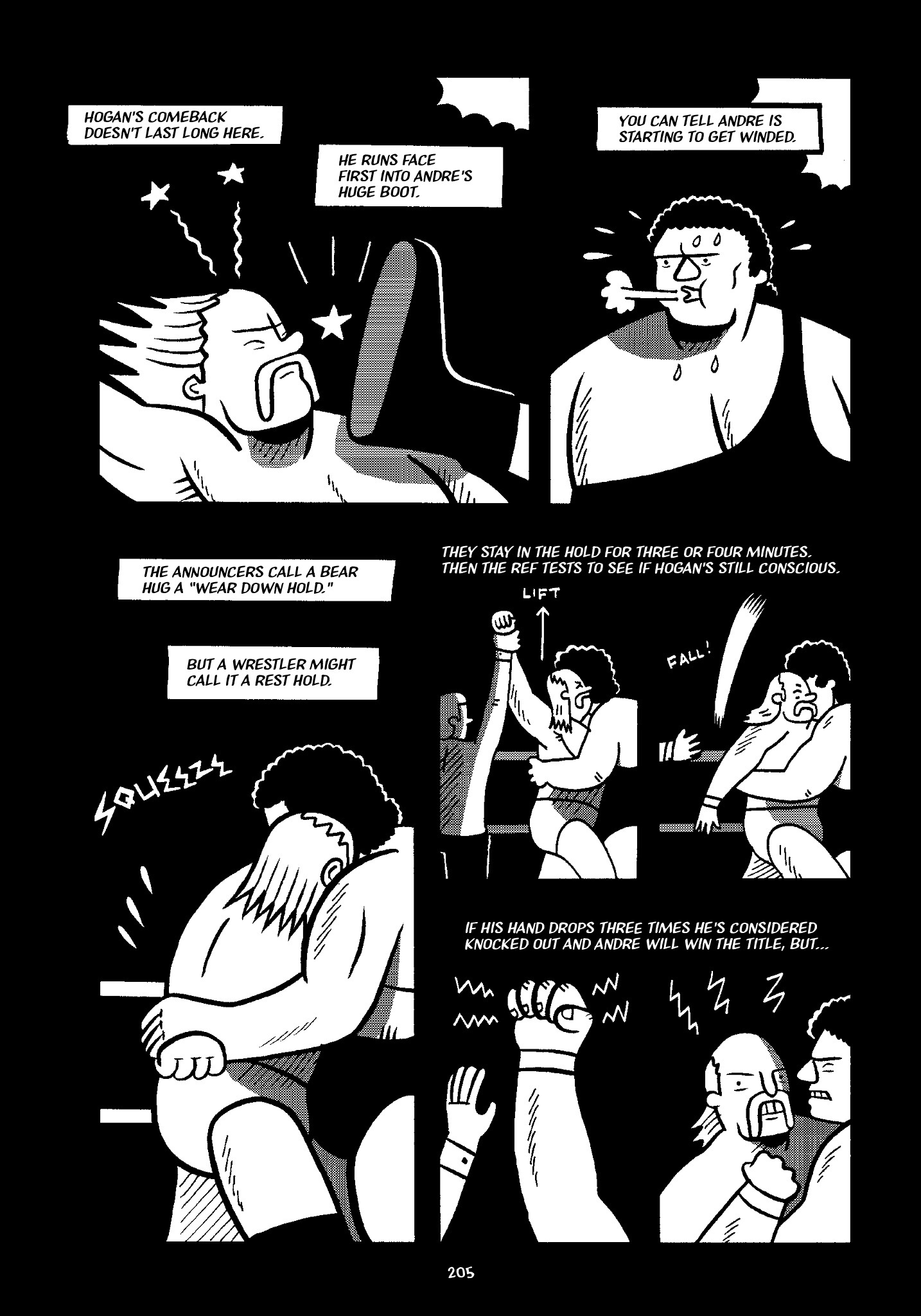
The pinnacle of André’s career, and arguably the most significant moment in professional wrestling history, occurred on March 29, 1987, at WrestleMania III. Held at the Pontiac Silverdome, the event was built entirely around the confrontation between the "Irresistible Force" Hulk Hogan and the "Immovable Object" André the Giant.
For the first time in his WWF career, André played the villain (heel). The storyline involved André turning on his longtime friend Hogan, fueled by jealousy over Hogan’s championship success. The match itself was a masterclass in psychology. Despite his failing health, André worked to ensure Hogan looked like a legitimate underdog. The "bodyslam heard 'round the world," where Hogan lifted the 520-pound giant, remains the definitive image of the 1980s wrestling boom.
Though André lost the match, his contribution was selfless. He understood that for the business to continue growing, he needed to pass the mantle of greatness to Hogan. This sacrifice solidified André's status as a professional who put the industry above his own ego.
Beyond the Ring: Fezzik and Pop Culture
André’s impact was not limited to the squared circle. In 1987, the same year as WrestleMania III, he starred as Fezzik the Giant in Rob Reiner’s The Princess Bride. This role allowed the world to see the "Gentle Giant" side of André that his friends and family knew well.
His performance was characterized by a genuine sweetness and a surprising knack for comedic timing. Despite struggling to memorize his lines due to his French accent and the pain he was in during filming, André became the soul of the movie. His co-stars, including Cary Elwes and Billy Crystal, have often spoken about André’s kindness and his desire to be treated like a normal person despite his extraordinary appearance. For many, Fezzik remains André’s most enduring legacy, representing the humanity that existed behind the spectacle of his size.
Physical Evolution and Career Statistics
To appreciate the scale of André's physical presence, it is helpful to look at how his stature and billing changed over the decades. The following table highlights the progression of his career and the physical demands placed upon him.
| Era | Billed Height | Billed Weight | Primary Finishers | Notable Rivalries |
|---|---|---|---|---|
| Early Career (1960s-70s) | 7'4" | 380 lbs | Dropkick, Splash | Killer Khan, Ernie Ladd |
| Golden Era (1980-1987) | 7'4" | 475-520 lbs | Sit-down Splash, Bearhug | Hulk Hogan, Big John Studd |
| Late Career (1988-1992) | 7'4" | 540 lbs | Elbow Drop | Jake "The Snake" Roberts, Demolition |
| Final Years (1993) | 7'4" | 550+ lbs | Retirement/Managerial | (Retired shortly before death) |
Note: While billed at 7'4", medical experts and peers often estimated his actual height at closer to 7'0" or 7'1" during his peak, with some height loss occurring in later years due to spinal compression.
The Final Years and Legacy in 2026
André the Giant passed away on January 27, 1993, in Paris, shortly after attending his father’s funeral. The cause of death was congestive heart failure, a common complication of untreated or advanced acromegaly. Following his death, he became the first-ever inductee into the WWF (now WWE) Hall of Fame, a testament to his unique position in the industry.
As we look back from 2026, André’s influence remains pervasive. The Andre the Giant Memorial Battle Royal is a staple of WrestleMania weekend, and his life has been the subject of numerous documentaries, most notably the 2018 HBO film André the Giant. His image has been immortalized in the "Obey" street art campaign by Shepard Fairey, ensuring that his face remains a part of modern visual culture.
André’s life was a paradox: he was a man who was loved by millions but often felt isolated by his size; a man of incredible strength who spent his final years in debilitating pain. He was, in every sense of the word, a legend—not because of how big he was, but because of the shadow he cast over the world of entertainment.
Frequently Asked Questions
Was André the Giant really 7 feet 4 inches tall?
Professional wrestling often exaggerates physical stats for dramatic effect. While André was billed at 7'4", most reliable accounts and photos alongside other tall athletes suggest his true height was between 7'0" and 7'2" at his peak. Toward the end of his life, spinal surgery and joint deterioration likely reduced his height by several inches.
Why did André the Giant drink so much alcohol?
While André enjoyed the social aspect of drinking, his massive consumption was largely a form of self-medication. He suffered from chronic back and joint pain due to acromegaly, and at the time, heavy-duty painkillers were either unavailable or interfered with his ability to perform. Alcohol provided a temporary numbing effect that allowed him to continue working.
Did André the Giant ever win the World Championship?
Yes, but his reign was incredibly brief. André defeated Hulk Hogan for the WWF World Heavyweight Championship on February 5, 1988, during a controversial episode of The Main Event. However, he immediately "sold" the title to "The Million Dollar Man" Ted DiBiase, leading to the title being vacated and the tournament at WrestleMania IV.
What is the Andre the Giant Memorial Battle Royal?
Established in 2014 at WrestleMania XXX, the Andre the Giant Memorial Battle Royal is an annual over-the-top-rope battle royal held by WWE. The winner receives a large trophy modeled after André. It serves as a tribute to his legendary status as a battle royal specialist and a way to feature a large portion of the roster on the grandest stage.
Could André have been cured of his condition?
Acromegaly can be treated today through surgery to remove the pituitary tumor or through medications that regulate growth hormone levels. While André was offered surgery in his youth, he reportedly declined, fearing that the treatment might change the very thing that made him a success. By the time he sought major medical intervention in the 1980s, the damage to his heart and skeletal structure was already extensive.
Practical Next Actions for Fans
If you are interested in exploring the history of this legendary figure further, consider these steps:
- Watch the 2018 HBO Documentary: André the Giant provides the most comprehensive look at his life, featuring interviews with family members and colleagues.
- Revisit The Princess Bride: Pay close attention to André’s performance as Fezzik to appreciate his range beyond being a physical specimen.
- Explore Official Archives: Visit the WWE Hall of Fame digital archives for match footage and career highlights.
- Read Biographies: Books like Andre the Giant: Life and Legend by Box Brown (a graphic novel) offer a deep, humanizing look at his struggles and triumphs.
Image Gallery