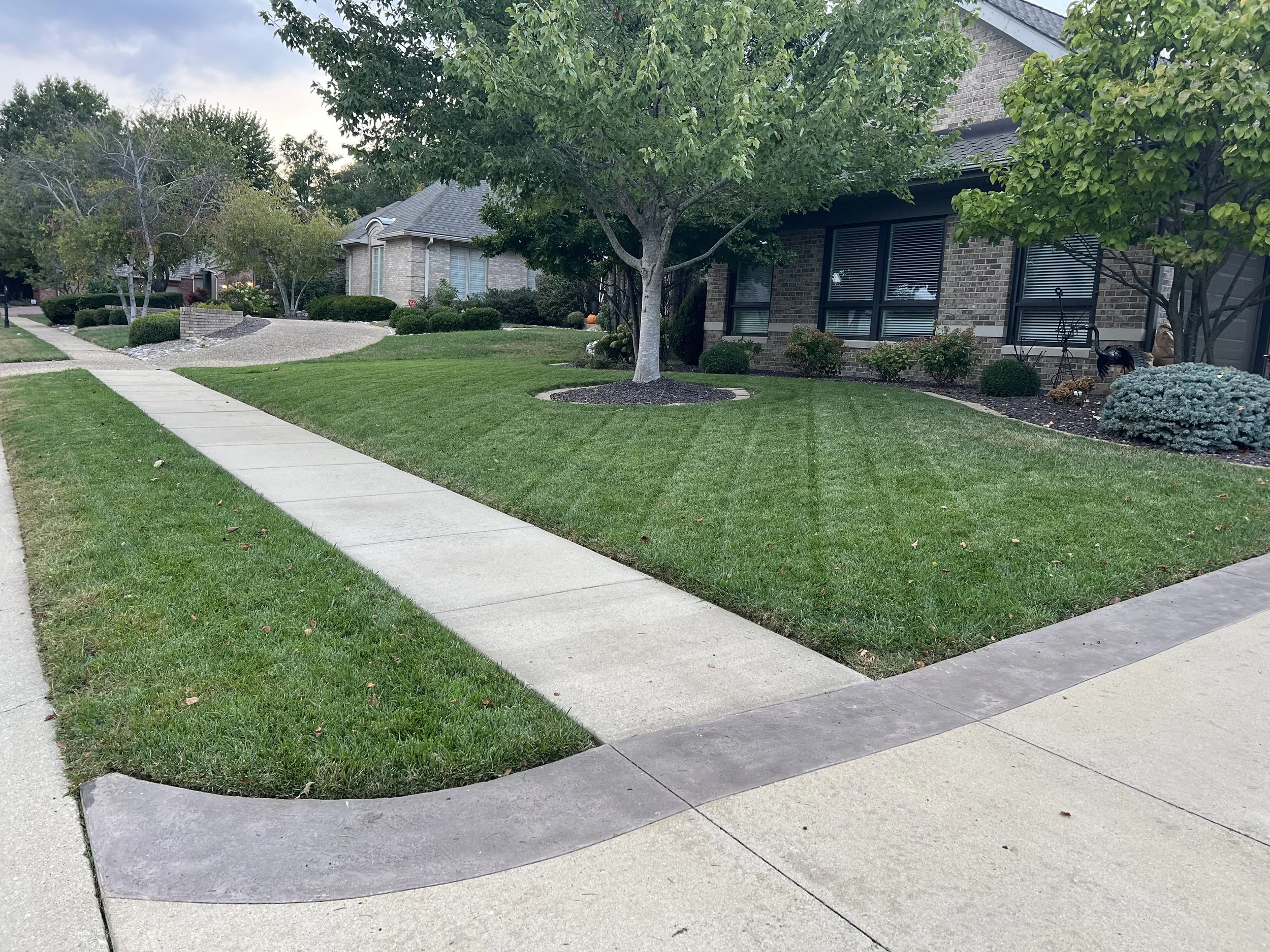
Freedom Lawns Hampstead NC: Comprehensive Professional Lawn Care Guide
Freedom Lawns in Hampstead, NC, provides professional, organic-based lawn care services specifically engineered for the unique coastal soil and climatic conditions of Pender County. Their programs prioritize long-term soil health, spec...
Freedom Lawns in Hampstead, NC, provides professional, organic-based lawn care services specifically engineered for the unique coastal soil and climatic conditions of Pender County. Their programs prioritize long-term soil health, specialized fertilization, and integrated weed management for warm-season turfgrasses such as Bermuda, St. Augustine, and Centipede. By bridging the gap between traditional chemical treatments and strictly organic methods, they offer a sustainable approach to maintaining high-performance residential and commercial landscapes.
Contents
The Unique Lawn Care Challenges in Hampstead, NC
Maintaining a vibrant lawn in Hampstead requires an understanding of the North Carolina "Coastal Plain" environment. Unlike the clay-heavy soils of the Piedmont, the Hampstead area is characterized by sandy, porous soil. This geographic reality dictates every aspect of a successful lawn care regimen.
Sandy Soil and Nutrient Leaching
The primary challenge in Hampstead is the low Cation Exchange Capacity (CEC) of the soil. Because the soil is predominantly sand, it lacks the ability to hold onto nutrients effectively. When a homeowner applies high-nitrogen synthetic fertilizer, a significant portion often washes through the root zone before the grass can absorb it—a process known as leaching. Freedom Lawns addresses this by using organic-based, slow-release fertilizers that provide a steady "spoon-feeding" of nutrients rather than a volatile spike.
Salt Spray and High Humidity
Proximity to the Atlantic Ocean and the Intracoastal Waterway introduces salt spray, which can desiccate sensitive grass blades. Furthermore, the extreme humidity of coastal North Carolina creates a breeding ground for fungal pathogens. Professional management in this region must balance irrigation needs with the risk of diseases like Large Patch (Rhizoctonia solani), which is particularly aggressive in the transitional months of spring and autumn.
The Freedom Lawns Organic-Based Philosophy
In the 2026 landscape management industry, the shift toward environmental stewardship has moved from a niche preference to a standard requirement. Freedom Lawns utilizes an "organic-based" approach, which is a technical middle ground designed for efficacy and safety.
What Is Organic-Based Care?
Unlike "pure organic" care, which can sometimes struggle to suppress aggressive invasive weeds in a southern climate, organic-based care utilizes high-quality organic matter to build soil structure while incorporating targeted, low-toxicity synthetic components for weed and pest control. This strategy achieves several goals:
- Microbial Stimulation: Organic components feed the beneficial bacteria and fungi in the soil, which in turn help break down thatch and improve nutrient uptake.
- Reduced Chemical Footprint: By improving the health of the grass plants, the lawn becomes naturally more resistant to pests, reducing the need for heavy pesticide applications.
- Environmental Protection: Slow-release formulas are less likely to contribute to nutrient runoff into local waterways like Virginia Creek or the Intracoastal Waterway.
Core Services and Treatment Programs
For a lawn in Hampstead to thrive throughout the 2026 season, a structured, multi-step program is essential. Professional services typically break down into several key categories.
Specialized Fertilization
Warm-season grasses have specific "waking" and "dormancy" periods. Freedom Lawns tailors fertilization schedules to the specific species of grass. For instance, Centipedegrass (common in Hampstead) is often called "the lazy man's grass" because it requires very little nitrogen; over-fertilizing Centipede can actually lead to its decline, a condition known as "Centipede Decline." Conversely, Bermudagrass requires heavy nitrogen inputs during the peak summer heat to maintain its density.
Integrated Weed Management
Weed control in coastal NC is a year-round battle. The program typically includes:
- Pre-emergent Herbicides: Applied in late winter and late summer to prevent crabgrass and poa annua from germinating.
- Post-emergent Spot Treatments: Targeted applications to eliminate broadleaf weeds like dollarweed, which thrives in the moist, sandy soils of Pender County.
- Sedgetight Control: Coastal areas are prone to Nutsedge and Kyllinga, which are not true grasses and require specific herbicides that do not harm the surrounding turf.
Soil Amendment and pH Balancing
Most soils in the Hampstead area are naturally acidic. When soil pH drops below 6.0, many essential nutrients become "locked" and unavailable to the grass, regardless of how much fertilizer is applied. Freedom Lawns conducts soil testing to determine the exact calcium and magnesium needs, typically applying pelletized lime to neutralize acidity and optimize nutrient availability.
Comparison of Common Hampstead Turfgrasses
Choosing the right grass type is the foundation of a successful lawn. Each species requires a different management profile from a professional service provider.
| Grass Type | Maintenance Level | Drought Tolerance | Shade Tolerance | Best Use Case in Hampstead |
|---|---|---|---|---|
| Bermudagrass | High | Excellent | Very Low | High-traffic yards and golf-course aesthetics. |
| St. Augustine | Medium | Moderate | High | Coastal properties with significant tree cover. |
| Centipedegrass | Low | Low | Moderate | Large residential lots with acidic, sandy soil. |
| Zoysiagrass | Medium-High | High | Moderate | Premium "carpet-like" lawns with high curb appeal. |
Managing Pests and Diseases in a Coastal Climate
The 2026 growing season in North Carolina continues to face pressure from specific biological threats. A professional service like Freedom Lawns monitors for these issues during every visit.
Chinch Bugs
These are the primary enemy of St. Augustine lawns in Hampstead. They thrive in hot, dry conditions and suck the sap from grass blades, injecting a toxin that kills the plant. Because their damage looks like drought stress, many homeowners make the mistake of simply watering more, which does not solve the problem. Professional detection involves "flotation" tests or visual inspection of the thatch layer.
Mole Crickets
Sandy soils are the preferred habitat for mole crickets. These pests tunnel through the root zone, physically separating the grass from its water and nutrient source. Freedom Lawns utilizes systemic treatments that provide long-term protection against these subsurface destroyers.
Large Patch (Fungus)
Common in the spring and fall, Large Patch creates circular brown areas in the lawn. It is often exacerbated by over-watering or applying nitrogen fertilizer too early in the spring before the grass has fully emerged from dormancy. Professional technicians adjust the timing of applications to avoid fueling fungal outbreaks.
Aeration and Soil Health Expansion
Because Hampstead soil can become compacted—especially in new construction developments where heavy machinery has pressed down the earth—core aeration is a vital service.
For warm-season lawns, aeration is performed in the late spring or early summer when the grass is in its most aggressive growth phase. The process involves removing small plugs of soil, which allows oxygen, water, and nutrients to reach the root zone directly. In the context of Freedom Lawns’ organic-based approach, aeration is the perfect time to introduce soil conditioners or top-dressing that can further enhance the biological activity of the soil.
Why Professional Management Outperforms DIY in NC
While many homeowners attempt to manage their own lawns using big-box store products, the results in Hampstead often fall short due to three main factors:
- Product Potency: Commercial-grade, slow-release fertilizers and professional-tier herbicides are often unavailable to the general public. These products provide longer-lasting results and are more weather-resistant.
- Timing Accuracy: Applying the right product at the wrong time (e.g., putting down pre-emergent after the soil temperature has already hit 55 degrees) is a waste of resources. Professionals use soil thermometers and local weather data to time applications perfectly.
- Equipment Calibration: Improperly calibrated spreaders can lead to "striping" or chemical burns. Professional equipment is calibrated for each specific product to ensure even coverage.
Environmental Stewardship and Local Impact
In 2026, the health of the Cape Fear River basin and the surrounding sounds is a top priority for Pender County residents. Freedom Lawns’ emphasis on organic-based solutions aligns with local conservation efforts. By reducing the reliance on highly soluble synthetic nitrates, they help mitigate the risk of algae blooms in local ponds and waterways.
Furthermore, their programs are designed to be "pollinator-friendly" where possible. By controlling weeds through better turf density rather than constant blanket spraying, they preserve more of the natural ecosystem for local bees and butterflies.
Frequently Asked Questions
Is the organic-based treatment safe for pets and children?
Yes, the organic-based approach significantly reduces the use of harsh chemicals. While it is standard practice to allow treatments to dry before letting pets or children onto the lawn (usually 1–2 hours), the products used are chosen for their low toxicity and environmental safety. The focus on soil health reduces the overall chemical load compared to traditional "weed and feed" programs.
Why is my Centipede lawn turning yellow in the spring?
This is often "Centipede Green-up Syndrome." It occurs when the soil temperature fluctuates or when the soil pH is too high. Freedom Lawns technicians in Hampstead specifically look for iron deficiencies or pH imbalances that cause this chlorosis. Applying a high-nitrogen fertilizer to "fix" the yellowing often makes the problem worse; instead, a professional application of chelated iron is usually the correct remedy.
How often will Freedom Lawns visit my property?
A standard high-performance program in the Hampstead area typically consists of 7 to 8 visits per year. This ensures that the lawn is protected during every seasonal transition, from the first pre-emergent application in February to the final winterizing treatment in late autumn.
Can Freedom Lawns help with lawn pests like fleas and ticks?
While the primary focus is on turf health, many professional programs offer add-on services for surface insect control. Given the wooded and marshy areas surrounding many Hampstead neighborhoods, integrated pest management (IPM) for fleas, ticks, and mosquitoes is a common supplemental request to ensure the outdoor space is usable.
Do I need to be home when the service is performed?
No, as long as the technicians have access to the lawn (gates are unlocked and pets are inside), the service can be completed while you are away. Most professional services provide digital summaries or paper "door hangers" detailing what was applied, any issues spotted (like disease or drought), and specific watering instructions for the following 48 hours.
Next Steps for a Healthy Hampstead Lawn
To achieve a professional-grade lawn in the Hampstead area, the first step is a comprehensive soil analysis and site evaluation. Residents should look for a provider that understands the nuances of the 2026 local climate and offers customized plans rather than a "one size fits all" approach.
For those ready to transition to an organic-based system, it is recommended to start during the spring green-up or the early summer growing season. This allows the organic components to begin integrating with the soil biology while the grass is actively growing. Contacting Freedom Lawns for a site-specific quote will provide a roadmap for soil correction and long-term turf vigor.
Image Gallery