The Main Characters of Titanic: Key Figures on the Ship and Their Historical Roles
The main characters of the Titanic include a diverse mix of historical figures, ranging from wealthy industrialists and influential ship officers to courageous third-class passengers and heroic crew members whose actions during the 191...
The main characters of the Titanic include a diverse mix of historical figures, ranging from wealthy industrialists and influential ship officers to courageous third-class passengers and heroic crew members whose actions during the 1912 disaster defined its legacy.
Contents
Introduction: Beyond the Cinematic Portrayals
When people discuss the main characters of the Titanic, popular culture often immediately conjures images of Jack Dawson and Rose DeWitt Bukater. However, James Cameron’s 1997 cinematic masterpiece was populated not only by fictional creations but also by real historical figures whose lives, choices, and ultimate fates shaped the narrative of the world's most famous maritime disaster. Understanding the actual key figures on the ship requires looking past Hollywood embellishments to examine the actual captains, designers, millionaires, and unsung laborers who sailed on RMS Titanic's ill-fated maiden voyage in April 1912.
Examining these real-world individuals provides critical context regarding the rigid social stratification, operational decisions, and technological limitations of the Edwardian era. From the White Star Line executives who pushed for speed to the musicians who played until the final plunge, the shipboard community represented a microcosm of early 20th-century society. This article explores the primary historical figures aboard the Titanic, categorizing them by their roles, examining their decisions, and detailing their fates.
Command and Navigation: The Ship’s Officers
The operational leadership of the Titanic bore ultimate responsibility for the navigation and safety of the vessel. Led by an experienced commodore, the deck officers faced unprecedented challenges when the ship struck an iceberg at 11:40 PM on April 14, 1912.
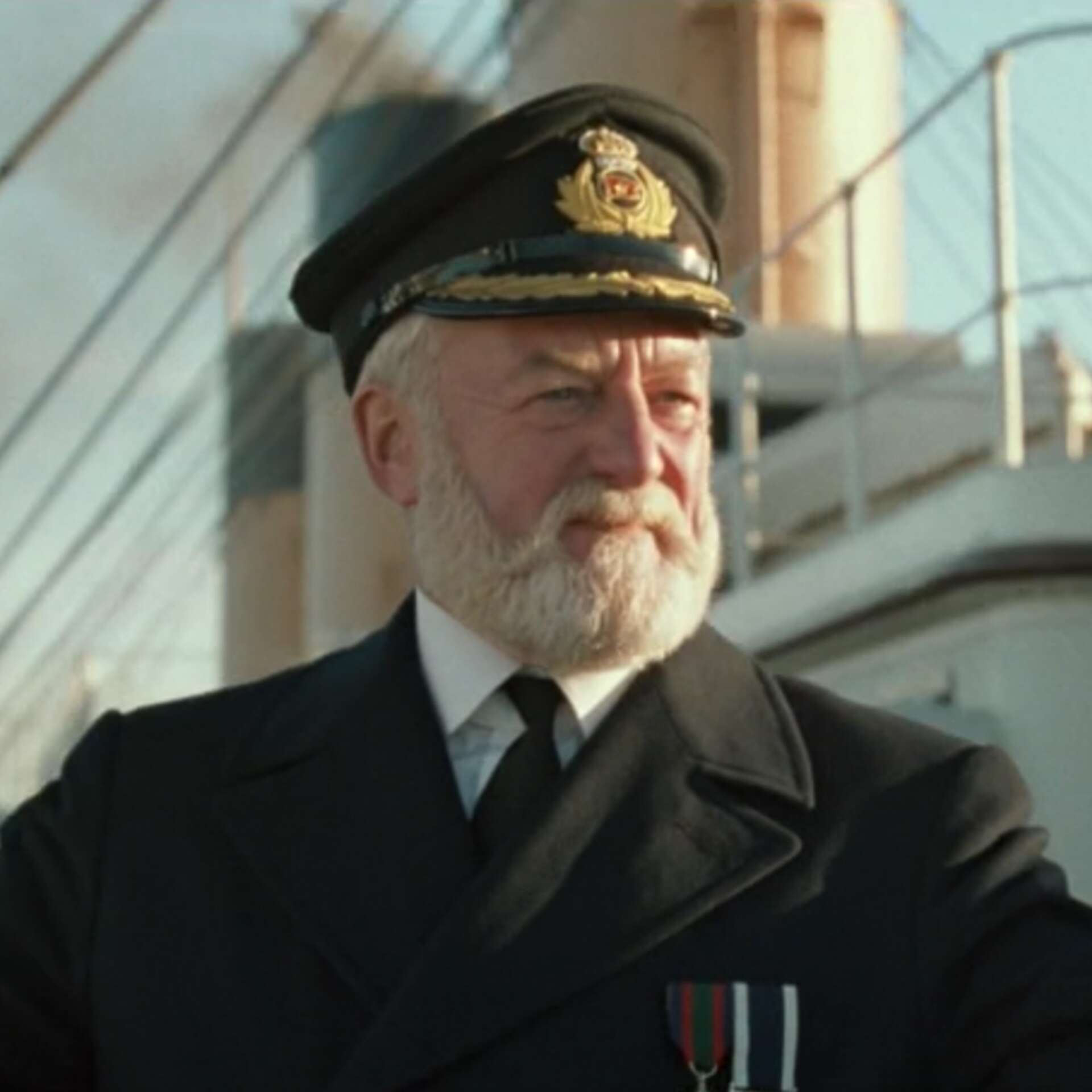
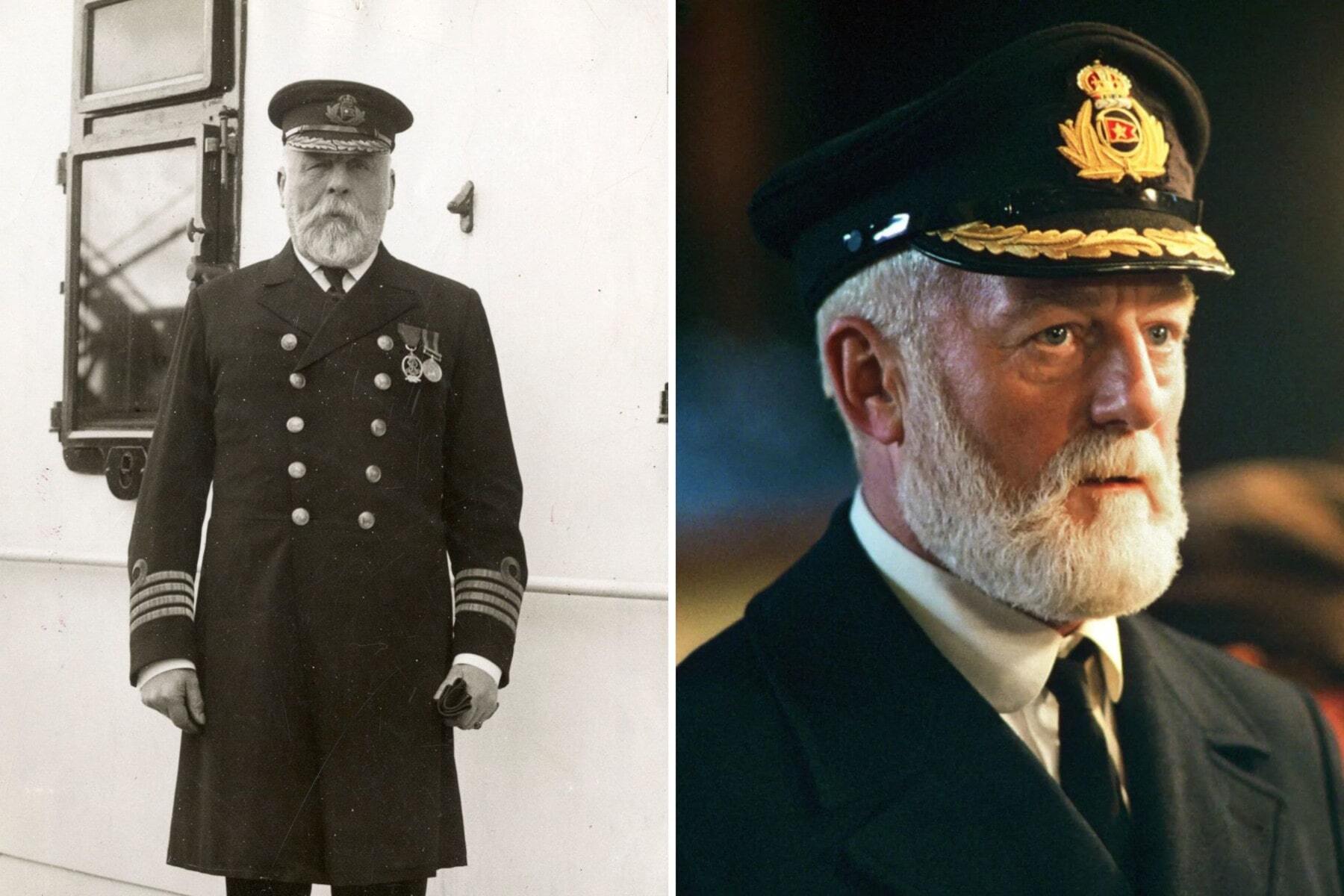
Captain Edward J. Smith
Captain Edward John Smith was the commodore of the White Star Line and the master of the Titanic. A veteran mariner with decades of experience, Smith was widely respected by wealthy passengers, many of whom specifically booked voyages because he was at the helm.
- Role and Responsibilities: Smith was responsible for the overall command, navigation, and discipline aboard the ship.
- Actions During the Disaster: Following the collision, Smith worked alongside Thomas Andrews to assess the damage and quickly realized the vessel was doomed. He gave the order to uncover the lifeboats and broadcast distress signals (CQD and SOS). Smith went down with his ship; whether he retreated to the bridge or was swept away remains a point of historical debate.
Chief Officer Henry Wilde and First Officer William Murdoch
Henry Wilde stepped in as Chief Officer just before departure, displacing the original junior officers and creating a temporary reshuffle in the command hierarchy. William Murdoch, who was serving as First Officer, was on duty in the wheelhouse when the iceberg was spotted.
- Actions: Murdoch ordered the engines reversed and the ship turned hard to port—a maneuver that experts later analyzed extensively. Murdoch was last seen trying to launch collapsible lifeboat A before being washed overboard. Wilde assisted with lifeboat operations on the forward starboard and port sides, ultimately perishing in the disaster.
Second Officer Charles Lightoller
As the highest-ranking officer to survive the sinking, Charles Lightoller provided crucial testimony to both the British Wreck Commissioner's inquiry and the United States Senate inquiry.
- Actions: Lightoller took charge of loading lifeboats on the port side, strictly interpreting the instruction "women and children first" to mean only women and children, which left seats empty in some boats. He survived by being sucked underwater by a sinking funnel and subsequently climbing onto the overturned Collapsible B.
Engineering and Design: The Builders Below Deck
The structural integrity of the Titanic and the catastrophic flooding sequence cannot be understood without examining the men who designed and maintained the engineering marvel.
Thomas Andrews
Thomas Andrews was the managing director of Harland and Wolff, the shipyard in Belfast where the Titanic was built. He traveled aboard the ship as part of the guarantee group to observe its performance and note any desired improvements.
- Role and Responsibilities: Andrews was intimately familiar with every rivet, bulkhead, and compartment of the ship.
- Actions During the Disaster: Summoned by Captain Smith, Andrews calculated within minutes that the first five watertight compartments were flooding and that the ship could stay afloat for only a few hours. Throughout the night, Andrews wandered the corridors urging reluctant passengers to put on lifebelts and head to the decks. He perished in the sinking, leaving behind a legacy of integrity and calm professionalism.
Chief Engineer Joseph Bell
Joseph Bell managed the complex engineering plant of the Titanic, overseeing a massive team of engineers, greasers, and firemen down in the boiler rooms.
- Actions: As water poured into the ship, Bell and his team labored under terrifying conditions in the bowels of the vessel, manually keeping the generators running to ensure the ship's lights stayed on and wireless operators could transmit distress signals. Almost none of the engine room crew survived, credited with keeping the lights burning until mere minutes before the final breakup.
Prominent Passengers: Wealth, Influence, and Tragedy
The passenger manifest of the Titanic read like a registry of the global elite, alongside hundreds of emigrants seeking a new life in America. The contrasting experiences of these social classes highlight the profound inequalities of the era.
The Astors and the Guggeneims: First-Class Society
First class housed the wealthiest people in the world, including industrial magnates, real estate developers, and socialites.
- John Jacob Astor IV: The richest passenger aboard the Titanic, Astor was a multi-millionaire businessman and writer. He helped his pregnant wife, Madeleine, into a lifeboat, asked if he could join her due to her condition, and was denied by Officer Lightoller. Astor’s body was recovered weeks later, identifiable by the initials sewn into his jacket.
- Benjamin Guggenheim: A prominent American mining magnate, Guggenheim famously changed into his evening wear with his valet Victor Giglio as the ship sank, remarking, "We've dressed up in our best and are prepared to go down like gentlemen." Both men perished.
- Molly Brown (Margaret Brown): Often immortalized as "The Unsinkable Molly Brown," she was a wealthy American socialite who famously urged the crew of Lifeboat 6 to turn back and search for survivors in the freezing water—a request rebuffed by Quartermaster Robert Hichens. Her proactive leadership earned her lasting fame.
Third-Class Passengers: The Emigrants
While first-class passengers captured public attention, the majority of the ship's population consisted of third-class (steerage) passengers traveling from Europe to start anew in North America.
- Demographics: Representing dozens of nationalities, these families and individuals faced significant structural disadvantages during the evacuation. Locked gates—intended to meet American immigration quarantine regulations rather than intentionally trap passengers—impeded their access to upper-deck lifeboats.
- Survival Rates: The statistical disparity was stark: while a majority of first-class women and children survived, only a fraction of third-class women made it to safety. Figures like the Sage family, who perished entirely (parents and nine children), underscore the immense human cost borne by ordinary travelers.
Summary of Key Figures and Their Fates
The following table outlines the key historical figures analyzed, their primary roles, and their ultimate status following the disaster.
| Name | Role / Position | Social Class / Affiliation | Fate |
|---|---|---|---|
| Captain Edward J. Smith | Ship Master / Commodore | Crew (Command) | Perished |
| William Murdoch | First Officer | Crew (Deck) | Perished |
| Charles Lightoller | Second Officer | Crew (Deck) | Survived |
| Thomas Andrews | Chief Designer / Managing Director | Harland and Wolff (First Class) | Perished |
| Joseph Bell | Chief Engineer | Crew (Engineering) | Perished |
| John Jacob Astor IV | American Investor / Millionaire | First Class | Perished |
| Margaret "Molly" Brown | Socialite / Philanthropist | First Class | Survived |
| Benjamin Guggenheim | Mining Magnate | First Class | Perished |
Frequently Asked Questions
Did the ship's musicians really play until the end?
Yes, Wallace Hartley and his eight-member band played ragtime tunes and hymns on the deck to maintain calm among the passengers. All members of the band perished in the sinking, and their bravery remains one of the most celebrated acts of heroism in maritime history.
Why did third-class passengers have lower survival rates?
Lower survival rates were driven by a combination of logistical hurdles, language barriers, delayed warnings, and the physical location of third-class quarters deep within the ship's hull. Furthermore, early evacuation protocols prioritized upper-class accommodations.
Who was the wealthiest person on the Titanic?
John Jacob Astor IV was the wealthiest passenger on board, possessing an estimated net worth of roughly $87 million at the time—equivalent to over $2 billion in modern currency.
How many crew members were aboard the Titanic?
The Titanic carried a crew of approximately 899 people, encompassing deck officers, engineering staff, victualling crew (stewards, chefs, and waiters), and postal workers. The majority of the crew perished due to their delayed release from working stations and engine rooms.
Conclusion and Historical Takeaway
The enduring fascination with the Titanic is sustained not merely by the scale of the maritime tragedy, but by the complex human drama embodied by its main characters. From the hubris of corporate executives to the quiet sacrifice of engineers and musicians, these historical figures left behind a multifaceted record of human behavior under extreme pressure. Evaluating their decisions provides an unvarnished look at early 20th-century society, reminding modern observers of the profound lessons embedded in maritime safety and historical accountability.
Image Gallery