Comprehensive Guide to Employment Background Check Laws by State (2026)
Employment background check laws vary significantly across the United States, governed by the federal Fair Credit Reporting Act (FCRA) and a complex patchwork of state-specific "Ban the Box," credit privacy, and salary history statutes...
Employment background check laws vary significantly across the United States, governed by the federal Fair Credit Reporting Act (FCRA) and a complex patchwork of state-specific "Ban the Box," credit privacy, and salary history statutes. Employers must navigate these local requirements to ensure legal compliance and avoid litigation during the hiring process.
Contents
The Federal Foundation: Understanding the FCRA
Before examining state-level nuances, it is essential to understand the federal baseline established by the Fair Credit Reporting Act (FCRA). Administered by the Federal Trade Commission (FTC) and the Consumer Financial Protection Bureau (CFPB), the FCRA regulates how consumer reporting agencies (CRAs) collect and share information and how employers use that data.
Regardless of the state in which a company operates, the FCRA mandates a strict three-step process:
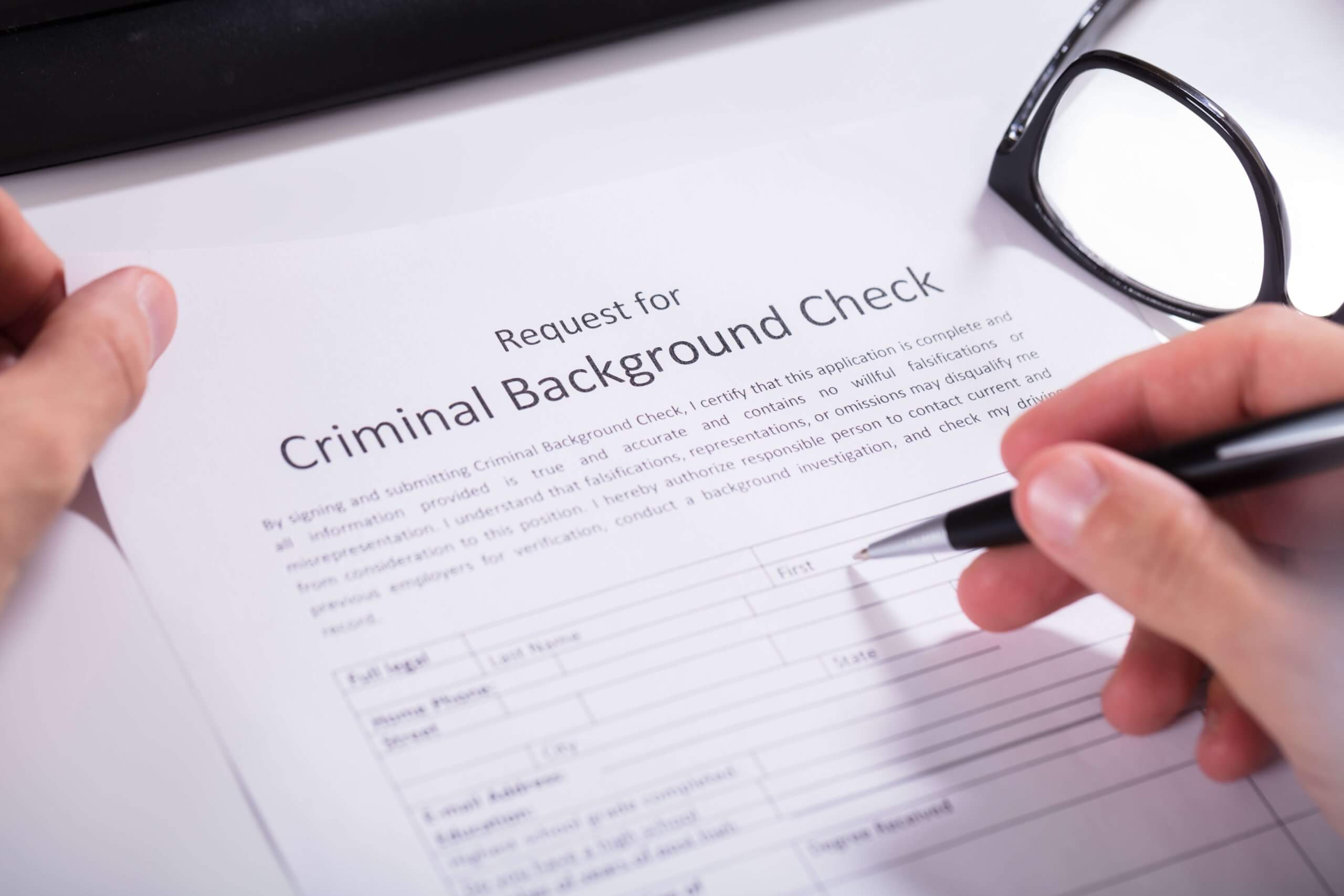
- Disclosure and Authorization: Employers must provide a "clear and conspicuous" written disclosure to the candidate that a background check will be conducted. This must be a standalone document. The candidate must provide written consent before the check begins.
- Pre-Adverse Action: If a background check reveals information that may lead the employer to deny employment, the employer must provide the candidate with a "Pre-Adverse Action Notice," a copy of the background report, and a summary of their rights under the FCRA. This allows the candidate to dispute inaccuracies.
- Adverse Action: If the employer proceeds with the decision not to hire after a reasonable waiting period (typically five business days), they must issue a formal "Adverse Action Notice."
While the FCRA provides a unified framework, states have the authority to implement more restrictive laws that offer greater protection to job seekers. In 2026, these state-level protections have reached a peak of complexity, particularly regarding criminal records, credit history, and the use of automated decision-making tools.
Criminal History and "Ban the Box" Legislation
As of 2026, over 37 states and numerous municipalities have adopted "Ban the Box" laws. These statutes generally prohibit employers from asking about criminal history on the initial job application. The primary intent is to ensure that candidates are evaluated based on their qualifications before their criminal past is considered.
Delayed Inquiry Requirements
Most state laws mandate that criminal history inquiries can only occur after an initial interview or after a conditional offer of employment has been made. For example, in California and Illinois, the "Fair Chance" acts strictly regulate when and how an employer can rescind an offer based on criminal findings. Employers are required to conduct an "individualized assessment," considering the nature of the offense, the time passed since the conviction, and the relevance of the crime to the specific job duties.
The Rise of "Clean Slate" Laws
A significant development leading into 2026 is the expansion of Clean Slate laws. States like Pennsylvania, Michigan, and Utah have implemented automated systems to seal or expunge certain non-violent misdemeanor records after a specified period of crime-free behavior. When a record is expunged or sealed under these laws, it is legally "erased" for the purposes of employment. If a background check provider returns a sealed record, the employer is often legally barred from using that information, and the provider may be in violation of state consumer protection laws.
Credit History Restrictions in Employment
The use of credit reports for employment screening has become one of the most heavily regulated areas of background checking. Advocates argue that credit history is rarely a predictor of job performance and often unfairly penalizes individuals who have suffered medical emergencies or economic downturns.
Currently, several states—including California, Connecticut, Hawaii, Illinois, Maryland, Nevada, Oregon, Vermont, and Washington—restrict the use of credit checks. In these jurisdictions, an employer can only pull a credit report if the position meets specific criteria, such as:
- Positions involving access to large amounts of cash (often defined as $10,000 or more).
- Managerial positions with fiduciary responsibility.
- Roles that provide access to sensitive personal or financial information of customers or employees.
- Law enforcement or positions within the executive branch of the state.
Employers in these states must provide a specific justification for the credit check, often citing the exact statutory exception that allows the inquiry. Failure to do so can result in significant fines and private right-of-action lawsuits.
State-Specific Background Check Summary Table (2026)
The following table highlights key differences in background check regulations for selected high-compliance states. Note that local city ordinances (e.g., New York City, Los Angeles) may impose even stricter requirements than state laws.
| State | Ban the Box (Private Employers) | Credit Check Restrictions | Salary History Ban | Key Statutory Reference |
|---|---|---|---|---|
| California | Yes (After Conditional Offer) | Strict Restrictions | Yes | Fair Chance Act / CCPA |
| New York | Yes (After Conditional Offer) | NYC Only (Strict) | Yes | Article 23-A / SHIELD Act |
| Illinois | Yes (After Interview/Offer) | Yes | Yes | Employee Credit Privacy Act |
| Texas | No (Statewide) | No | No | Texas Occupations Code |
| Massachusetts | Yes (Application Phase) | No | Yes | M.G.L. c. 151B |
| Washington | Yes (After Qualification) | Yes | Yes | Fair Chance Act (RCW 49.94) |
| Florida | No (Statewide) | No | No | Fla. Stat. § 768.095 |
Salary History and Verification Laws
The trend toward pay transparency has fundamentally altered how employers conduct background verifications. By 2026, more than 25 states have banned employers from asking candidates about their previous salary, benefits, or other compensation.
The goal of these laws is to close the gender and racial wage gap by ensuring that a new hire's salary is based on their skills and the market rate for the role, rather than a potentially depressed historical wage. During a background check, verification services are often instructed not to confirm past salary amounts unless the candidate voluntarily provides the information after an offer with a compensation package has been negotiated.
In states like Colorado and Washington, employers must also include the salary range in the job posting itself. This transparency reduces the need for salary "haggling" and shifts the focus of background verification toward confirming titles and dates of employment rather than financial history.
Social Media and Digital Privacy Laws
The intersection of background checks and digital privacy has led to the passage of "Social Media Privacy" laws in over 25 states. These laws generally prohibit employers from:
- Requesting usernames or passwords for personal social media accounts.
- Requiring employees to "friend" a manager or supervisor.
- Forcing candidates to log in to their accounts in the presence of the employer (shoulder surfing).
While employers are generally permitted to view information that is strictly "public," the risk of uncovering protected class information (such as religion, sexual orientation, or disability status) through social media screening is high. In 2026, many legal experts recommend that social media checks be conducted by a third-party CRA to filter out protected information before the report reaches the hiring manager.
Marijuana and Drug Testing Regulations
Drug testing remains a critical component of background checks for many industries, particularly those involving safety-sensitive roles. However, the legalization of recreational marijuana in a majority of states has complicated compliance.
States such as Nevada and New York have passed laws that prohibit employers from discriminating against candidates who test positive for marijuana, with exceptions for federal contractors or roles regulated by the Department of Transportation (DOT). In 2026, the focus has shifted toward testing for "active impairment" rather than the mere presence of metabolites, which can remain in the system for weeks after use. Employers must be diligent in ensuring their drug testing policies do not violate state-protected off-duty conduct laws.
AI and Automated Employment Decision Tools (AEDT)
A new frontier in 2026 is the regulation of Artificial Intelligence in the background screening process. Following the precedent set by New York City’s Local Law 144, several states now require employers to conduct "bias audits" on any automated tool used to screen or rank candidates.
If an employer uses an AI-driven background check service that automatically flags candidates based on criminal records or resume gaps, they must:
- Notify the candidate that an automated tool is being used.
- Provide a summary of the most recent bias audit.
- Allow the candidate to request an alternative screening process or a human review.
These laws aim to prevent algorithmic bias that could disproportionately exclude minority groups from the workforce.
Best Practices for Employer Compliance
To navigate this fragmented legal landscape, employers should adopt a standardized yet flexible compliance framework:
- Work with Accredited CRAs: Ensure your background check provider is accredited by the Professional Background Screening Association (PBSA). These providers are more likely to have the infrastructure to manage state-specific filtering.
- Audit Job Applications: Remove questions about criminal history and salary history from all initial application forms unless a specific exemption applies.
- Implement a "Least Restrictive" Policy or Localize: Large employers must decide whether to apply the strictest state law (usually California or New York) to their entire national workforce or to maintain different disclosure and authorization forms for each state.
- Training for Hiring Managers: Ensure that those conducting interviews understand what they cannot ask and that they recognize the "Pre-Adverse Action" process is a legal requirement, not a suggestion.
- Review AI Tools: If using automated screening, confirm that the vendor complies with emerging bias audit requirements to avoid disparate impact liability.
Frequently Asked Questions
Can an employer see expunged records in a background check? Generally, no. Once a record is expunged or sealed, it is removed from public access. However, some "Clean Slate" laws have nuances where law enforcement or certain high-security government roles may still see these records. For standard private employment, an expunged record should not appear on a report.
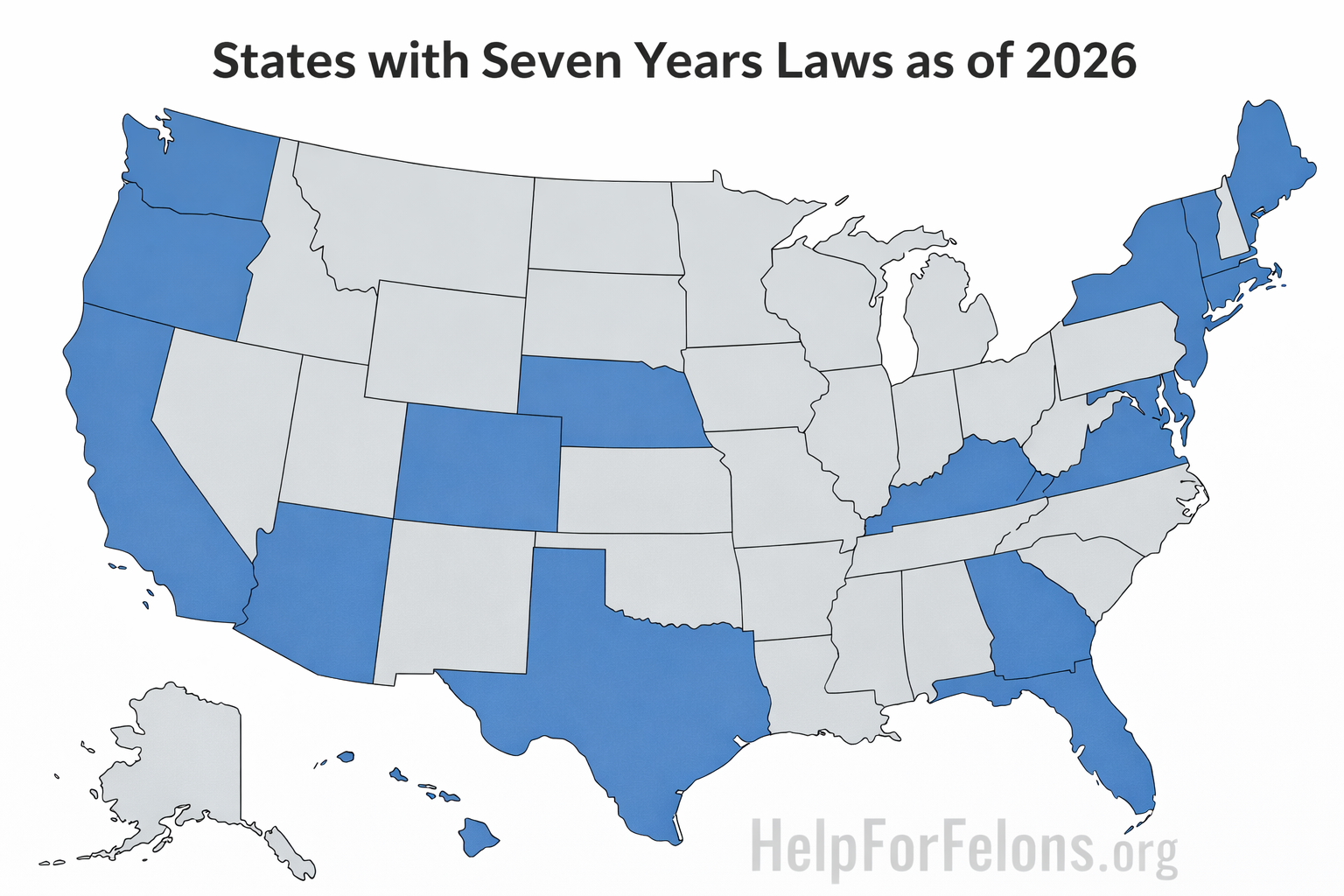
What is the "Seven Year Rule" in background checks? Under the FCRA, CRAs are generally prohibited from reporting tax liens, civil suits, and most other negative information older than seven years. While bankruptcy can be reported for 10 years, some states (like California) limit criminal conviction reporting to seven years, even though federal law technically allows it indefinitely.
Do "Ban the Box" laws apply to remote workers? Yes. Generally, the law of the state where the employee is physically located (the remote work site) applies. If you are a Texas-based company hiring a remote worker in California, you must comply with California’s Fair Chance Act.
Can an employer rescind an offer for a positive marijuana test in 2026? It depends entirely on the state and the job. In states like New York or California, you generally cannot rescind an offer for off-duty marijuana use unless the position is safety-sensitive or subject to federal mandates. Always check the specific "off-duty conduct" statutes of the state in question.
Is an "Individualized Assessment" mandatory everywhere? While not mandatory in every state, it is a "best practice" recommended by the EEOC to avoid discrimination claims. However, it is legally mandated in states like California, Illinois, and New York, where employers must document their reasoning for why a specific criminal record disqualifies a candidate.
Practical Recommendation: Given the rapid evolution of state-level privacy and AI laws, employers should conduct a biannual audit of their background screening disclosures and adverse action procedures. Consult with legal counsel specializing in labor law to ensure that localized "Ban the Box" ordinances in cities like Philadelphia, Seattle, or New York City are integrated into your standard operating procedures.
Image Gallery