Full Body Scan at Airport: Female Traveler Incidents and Security Implications
Since the widespread implementation of Advanced Imaging Technology (AIT) in the late 2000s, airport full-body scans have remained a focal point of debate regarding the intersection of national security and personal privacy. For female...
Since the widespread implementation of Advanced Imaging Technology (AIT) in the late 2000s, airport full-body scans have remained a focal point of debate regarding the intersection of national security and personal privacy. For female travelers, specific incidents involving anatomical privacy, gender-based screening protocols, and physical pat-downs have driven significant legal challenges and technological reforms. As of 2026, these systems have evolved to balance security requirements with the preservation of passenger dignity through automated recognition software and updated screening algorithms.
Contents
The Evolution of Full-Body Scanning Technology
The journey of airport security scanning began with a transition from simple metal detectors to sophisticated imaging systems designed to detect non-metallic threats, such as liquid explosives or plastic weapons. To understand the implications of incidents involving women, one must first distinguish between the two primary types of scanners used over the last two decades.
Backscatter X-Ray vs. Millimeter Wave Technology
In the early 2010s, many airports utilized Backscatter X-ray machines. These scanners used low-level ionizing radiation to create a detailed image of the body’s surface. This technology was the primary source of early "naked scan" controversies because the resulting images were often high-resolution enough to reveal clear anatomical details. Due to intense public outcry and privacy litigation, the TSA (Transportation Security Administration) phased out Backscatter machines in favor of Millimeter Wave (mmW) scanners.
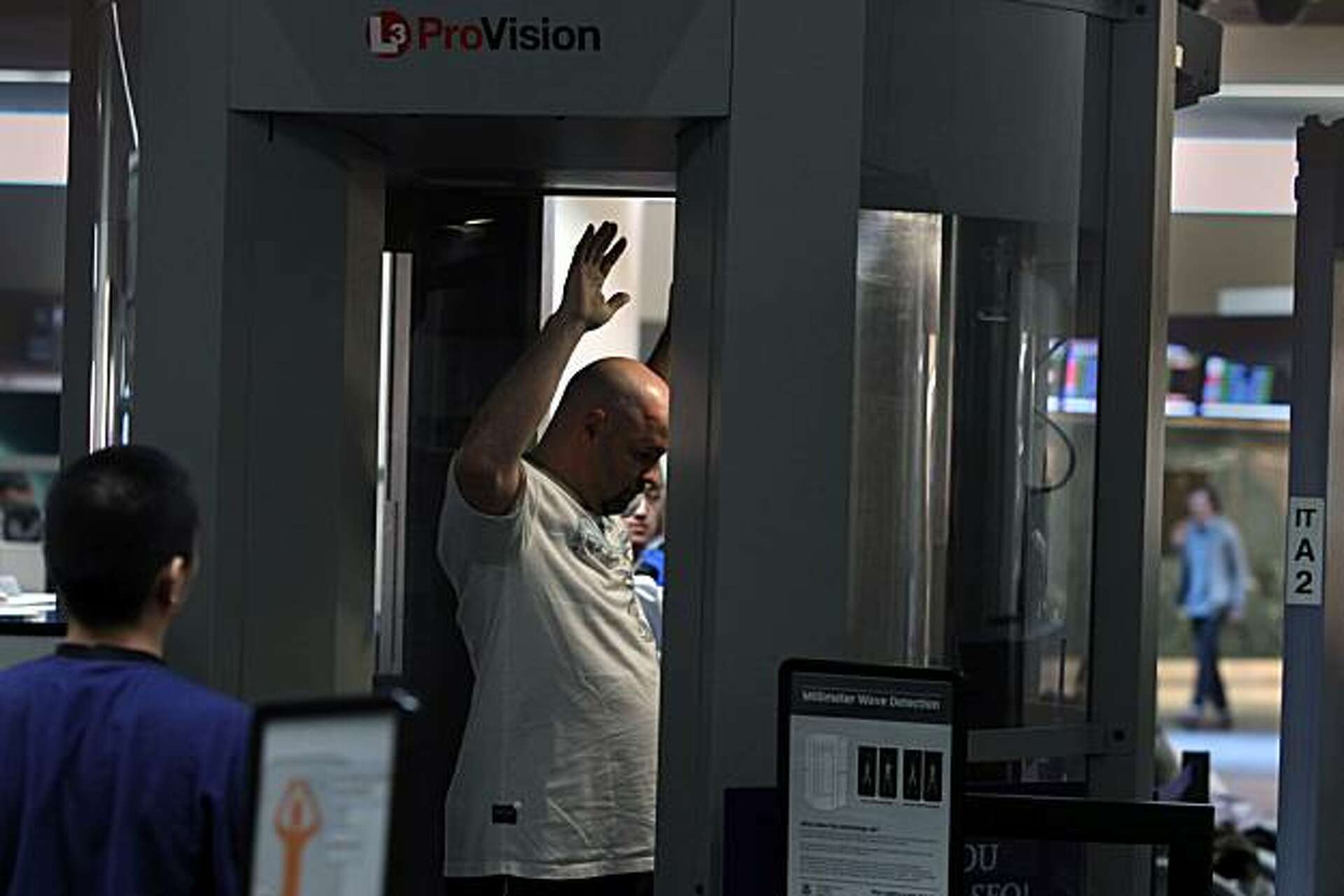
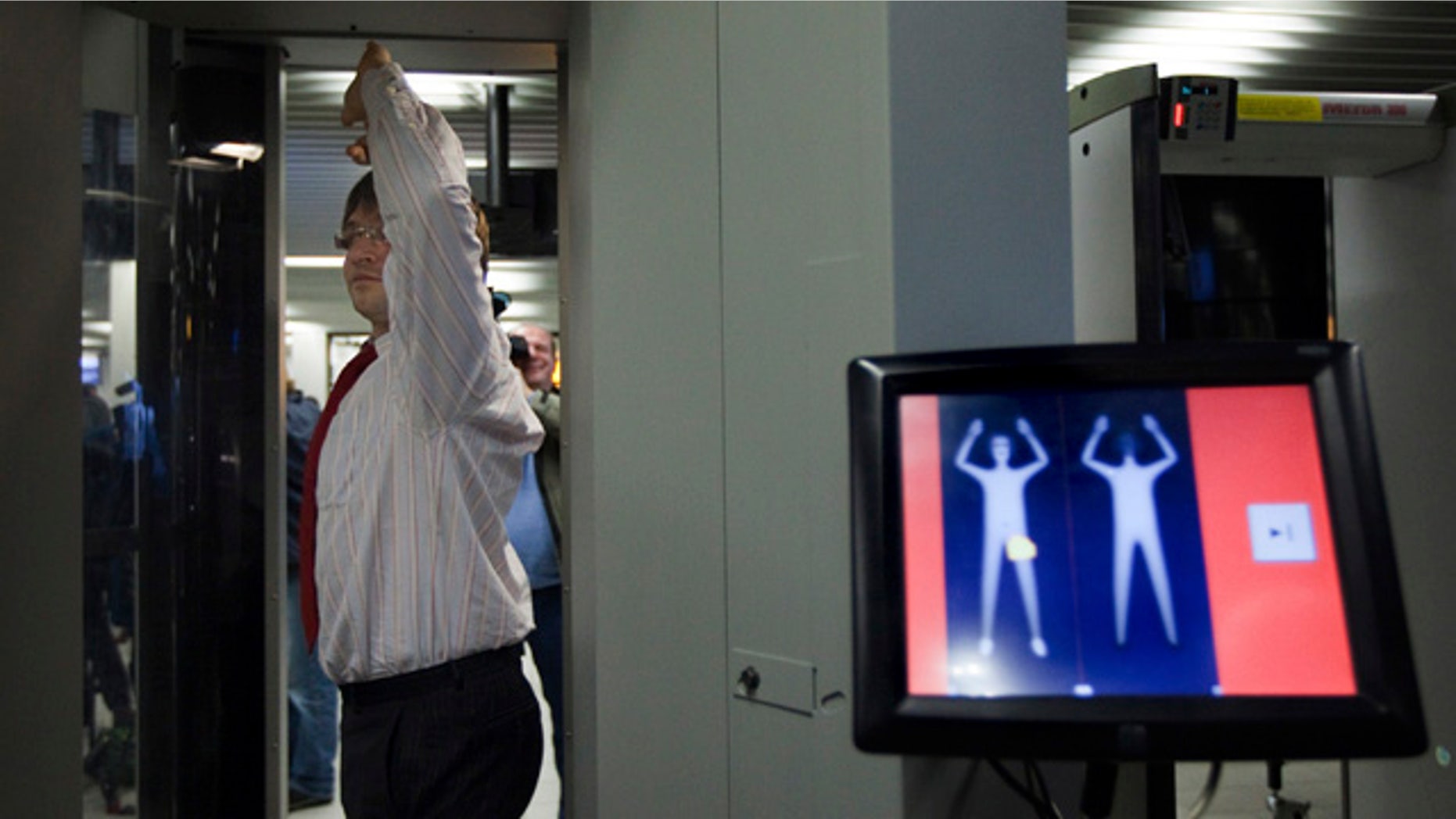
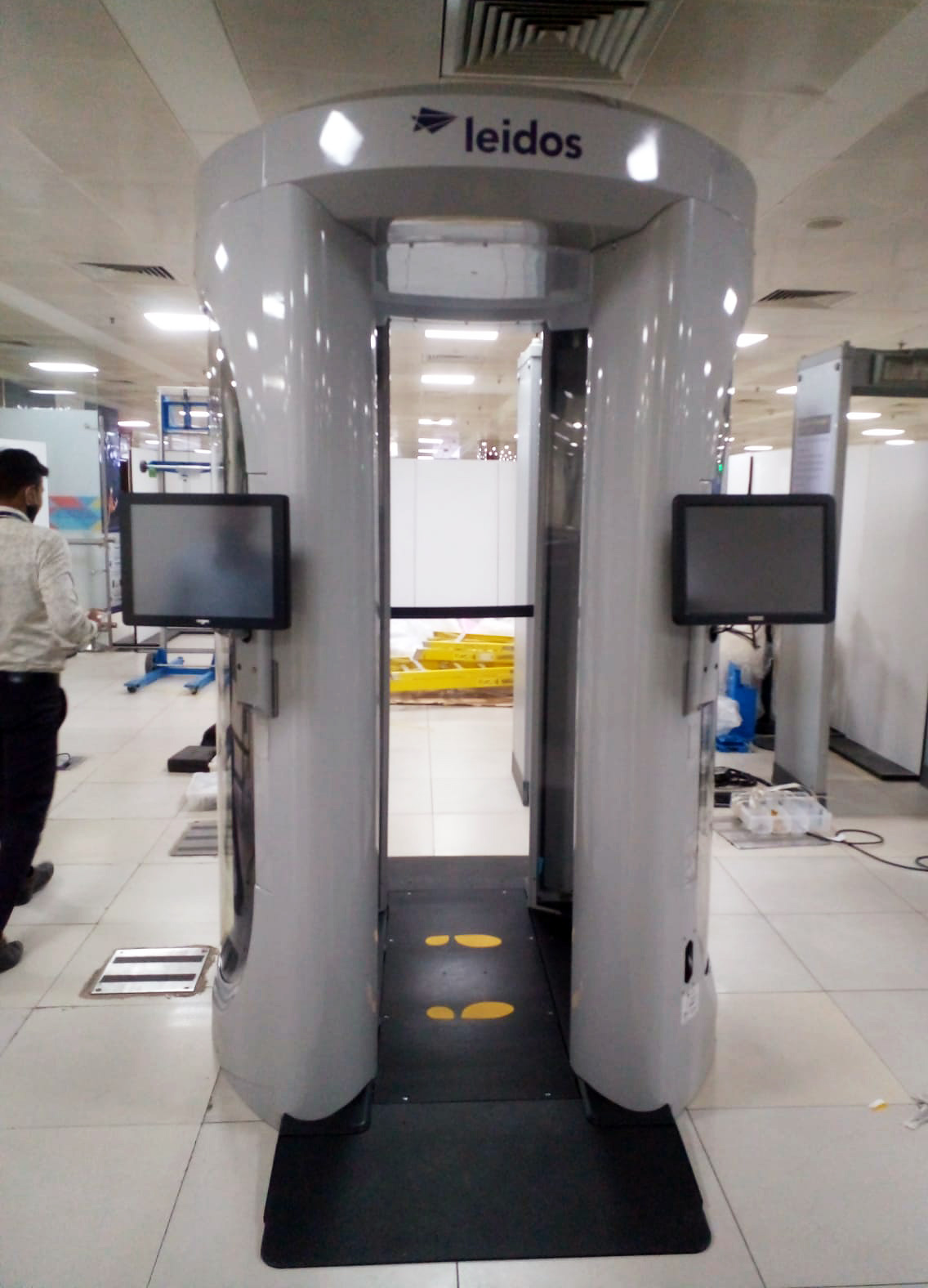
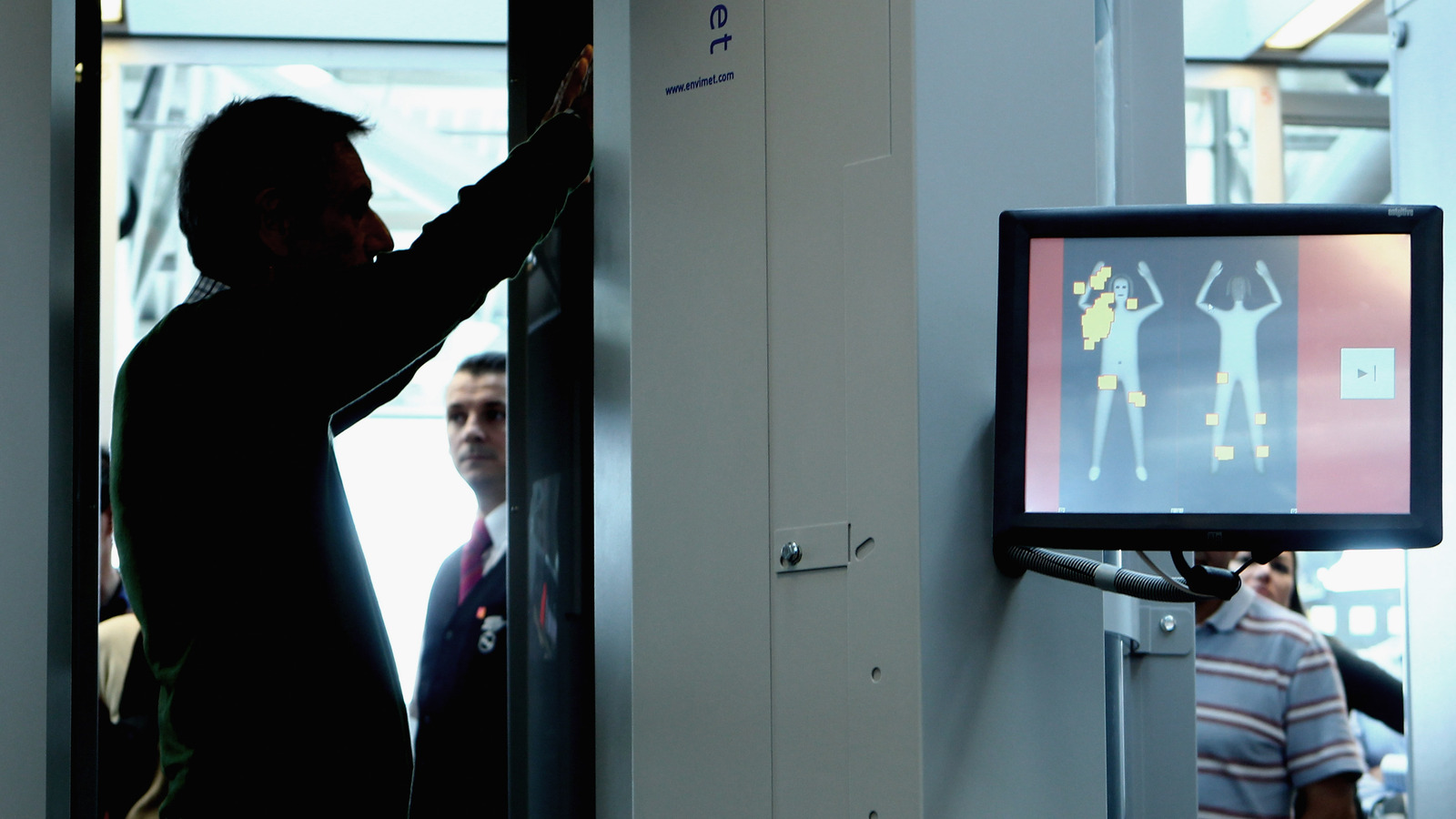
Millimeter Wave scanners, which remain the standard in 2026, use non-ionizing electromagnetic waves. These waves bounce off the body to create a 3D reflection. Crucially, the modern application of this technology utilizes Automated Target Recognition (ATR). ATR software ensures that security officers never see the actual image of the traveler’s body. Instead, the system analyzes the data and overlays any "suspicious" areas onto a generic, gender-neutral humanoid avatar.
Analysis of Key Incidents Involving Female Travelers
The history of full-body scanning is marked by specific incidents that highlighted the vulnerabilities of women during the screening process. These incidents generally fall into three categories: privacy breaches, false positives due to female-specific items, and allegations of harassment.
Privacy Breaches and Image Storage
One of the most significant early incidents occurred in 2010 when it was revealed that nearly 35,000 images from a "naked" scanner were stored by US Marshals at a Florida courthouse, despite assurances that the technology could not save images. This fueled fears among female travelers that their anatomical data could be leaked or misused. In response, federal regulations were tightened to ensure that ATR software is hard-coded to prevent image storage or transmission at airport checkpoints.
False Positives: The "Bra and Hygiene" Issue
A frequent source of friction for women involves the high rate of "false positives" triggered by Millimeter Wave scanners. The sensitivity of these machines often flags common items such as:
- Underwire Bras: The metal or thick fabric in underwire bras frequently triggers an alarm in the chest area.
- Feminine Hygiene Products: Thick sanitary pads or certain menstrual products can be flagged as "foreign objects" by the software.
- Hair Extensions and Accessories: Large buns, braids, or metallic clips often trigger alarms in the head region.
When the scanner flags these items, the standard operating procedure requires a physical pat-down of the affected area. For many women, being subjected to a tactile search of the groin or chest—often in view of other passengers—represents a significant psychological and privacy burden.
Incidents Involving Harassment Allegations
Over the years, several high-profile complaints have been filed by female travelers alleging that TSA agents intentionally manipulated the scanning process. In some reported incidents, agents were accused of "clearing" a scan only to force a manual pat-down for voyeuristic reasons or targeting specific women for more intensive screening based on their appearance. These incidents prompted the TSA to implement stricter oversight, body-worn cameras in some jurisdictions, and "same-gender" pat-down requirements as a universal standard.
Legal and Policy Implications of Screening Incidents
The legal fallout from airport scanning incidents has reshaped the "administrative search" doctrine under the Fourth Amendment. Organizations such as the Electronic Privacy Information Center (EPIC) and the American Civil Liberties Union (ACLU) have argued that full-body scans, particularly before the integration of ATR, constituted a "virtual strip search."
The Fourth Amendment and the "Administrative Search"
Courts have generally ruled that airport screenings are "reasonable" administrative searches because the government's interest in preventing terrorism outweighs the individual's privacy intrusion. However, the "woman incident" precedents established that this intrusion must be the least invasive means possible. This legal pressure was the primary catalyst for the 2013 mandate that all scanners must use privacy-filtering software.
The Shift to Gender-Neutral Screening (2022–2026)
A major implication of past incidents was the recognition that the binary "male/female" button system used by TSA agents was flawed. Historically, an agent had to press a button based on the traveler's perceived gender before the scan began. This led to frequent "false alarms" for transgender women or those with non-conforming body types.
As of 2026, the deployment of gender-neutral screening algorithms has become the industry standard. This technological update uses AI-driven software that evaluates body contours without requiring a pre-scan gender selection, significantly reducing the number of unnecessary pat-downs for all travelers, particularly those who were previously marginalized by the binary system.
Comparison of Screening Technologies and Privacy Measures
| Feature | Backscatter X-Ray (Historical) | Millimeter Wave (2026 Standard) | Enhanced ATR (AI-Driven) |
|---|---|---|---|
| Imaging Type | High-resolution "naked" image | 3D reflection of body surface | Algorithmic data processing |
| Privacy Protection | Remote viewing room (Agent saw body) | Generic Avatar (No body details) | No avatar; only highlight boxes |
| False Positive Rate | Moderate | High (due to clothing/hair) | Low (identifies common items) |
| Radiation Risk | Low-dose ionizing radiation | Non-ionizing (Safe) | Non-ionizing (Safe) |
| Gender Selection | Required manual input | Required manual input (pre-2022) | Automated/Gender-Neutral |
Navigating the Screening Process: Practical Guidance for Women
Despite technological improvements, female travelers may still encounter issues at the checkpoint. Understanding your rights and the mechanics of the scanner can help mitigate stress.
- Requesting a Private Screening: Under TSA guidelines (and most international equivalents), you have the right to request a private screening for a pat-down. You may also bring a witness of your choice.
- Opting Out: In many jurisdictions, including the United States, passengers have the right to opt-out of the full-body scan in favor of a full-body pat-down and a handheld metal detector search.
- Clothing Choices: To minimize false positives, travelers are often advised to avoid clothing with excessive sequins, heavy embroidery, or metallic threads. Removing large hair accessories before entering the scanner can also prevent head-region alarms.
- Communicating Medical Needs: If you are wearing a medical device (such as an insulin pump) or have a prosthetic, inform the agent beforehand. These items will almost certainly trigger a scan alarm, and a targeted pat-down or explosive trace detection (ETD) swab is the standard follow-up.
Frequently Asked Questions
Can airport scanners see through my clothes in 2026?
The hardware still sends waves that penetrate clothing, but the Automated Target Recognition (ATR) software prevents any human from seeing your body. The monitor viewed by the agent only shows a generic outline or "cookie-cutter" figure. No anatomical details are rendered or stored by the system.
Why do I always get flagged in the chest or groin area?
These areas are prone to false positives due to the density of clothing (like waistbands or bra underwires) and the presence of moisture (sweat). The scanner detects "anomalies" between the skin and the air. If the software cannot definitively identify the material as "body," it flags it for a manual check.
What happened to the "naked" images from the old scanners?
Under the TSA Modernization Act, all scanners used in US airports must use ATR software. The original high-resolution images from the early 2010s were required to be deleted, and the machines capable of producing them were either retrofitted or removed from service by mid-2013.
Is the radiation from the scanner safe for pregnant women?
Yes. Modern Millimeter Wave scanners use non-ionizing radiation, which is similar to the radio waves used by cell phones or Wi-Fi routers. Unlike X-rays, these waves do not have enough energy to remove electrons from atoms or damage DNA. Most health organizations, including the American College of Obstetricians and Gynecologists (ACOG), consider these scanners safe during pregnancy.
What should I do if I feel a pat-down was inappropriate?
If you believe a security officer acted unprofessionally or touched you inappropriately during a follow-up search, you should immediately ask to speak with a Supervisory Transportation Security Officer (STSO). You can also file a formal complaint through the TSA’s Office of Civil Rights and Liberties.
Final Recommendations for Travelers
The evolution of airport scanning since the major "woman incident" controversies of the 2010s has led to a much more private, though still imperfect, system. As of 2026, the transition to gender-neutral, AI-enhanced screening has reduced the frequency of invasive pat-downs. To ensure the smoothest experience, travelers should remain aware of their right to a private screening and opt for streamlined clothing that reduces the likelihood of algorithmic "anomalies." For those with significant privacy concerns, the "opt-out" remains a standard legal right, though it necessitates a thorough manual search.
Image Gallery