Rosie O’Donnell and Lyle Menendez: A Retrospective on Advocacy and Legal Shifts in 2025
Throughout 2025, Rosie O’Donnell remained one of the most prominent and vocal advocates for the resentencing and release of Lyle and Erik Menendez. Following the high-profile legal recommendations of late 2024, O’Donnell utilized her p...
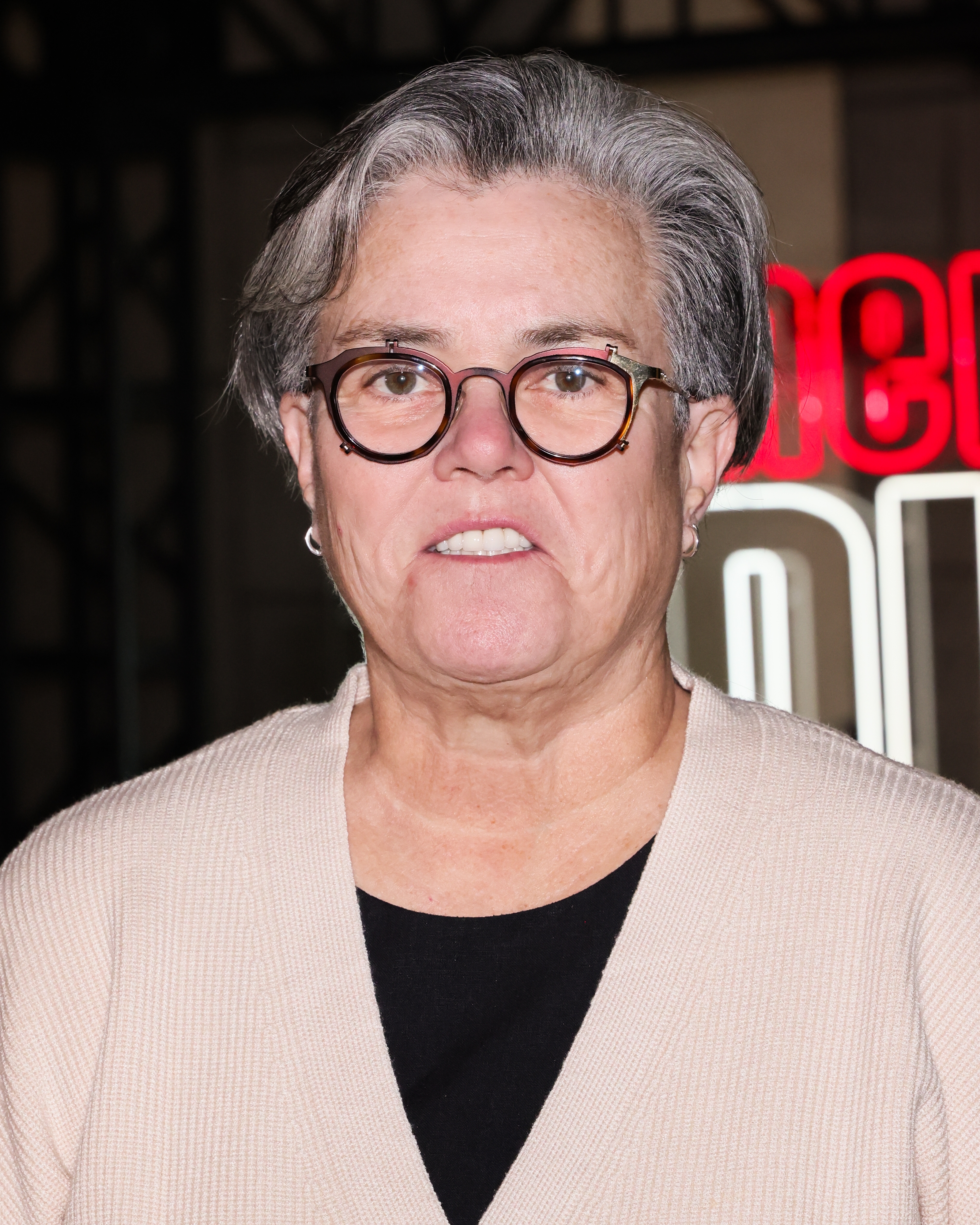
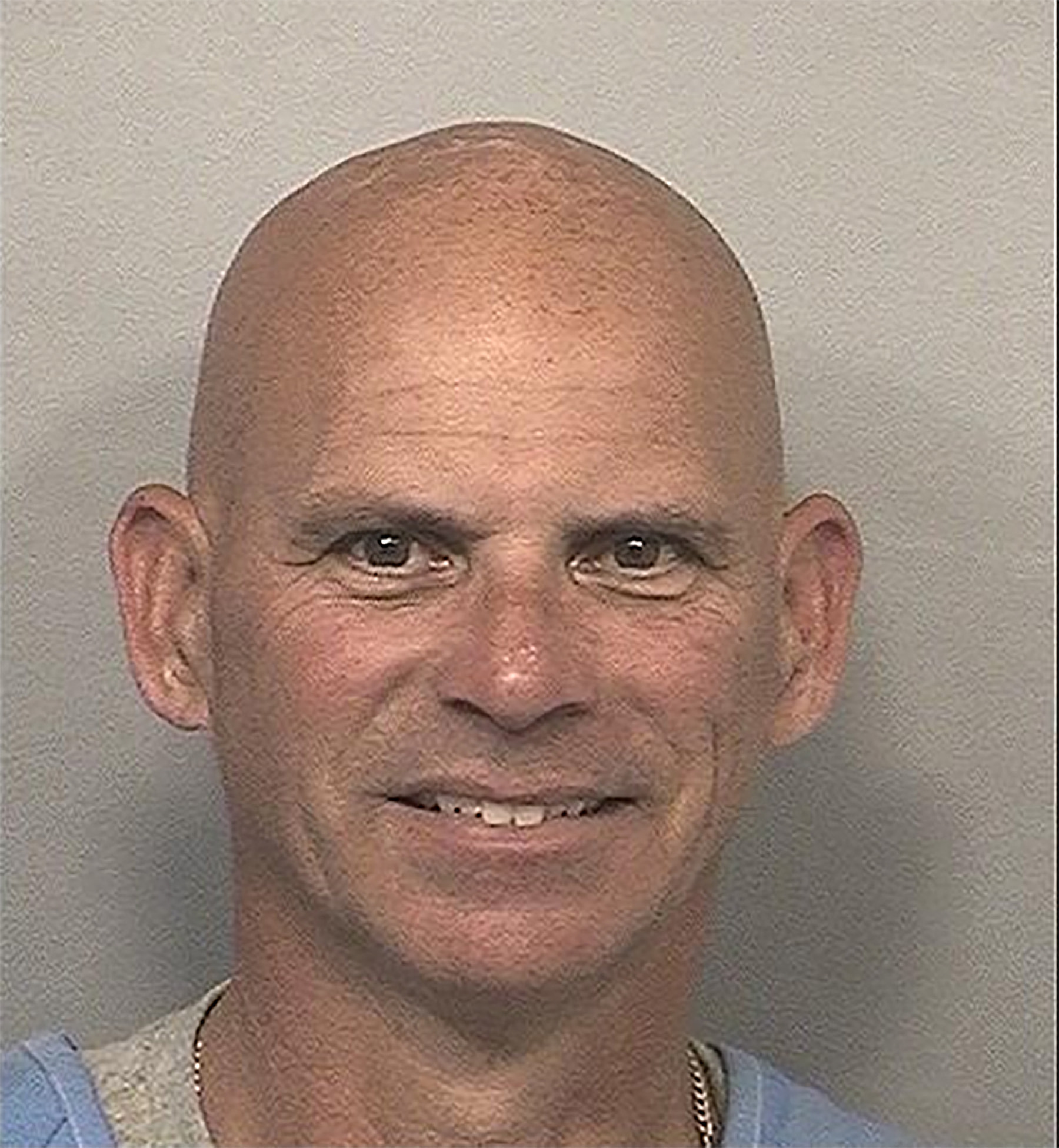
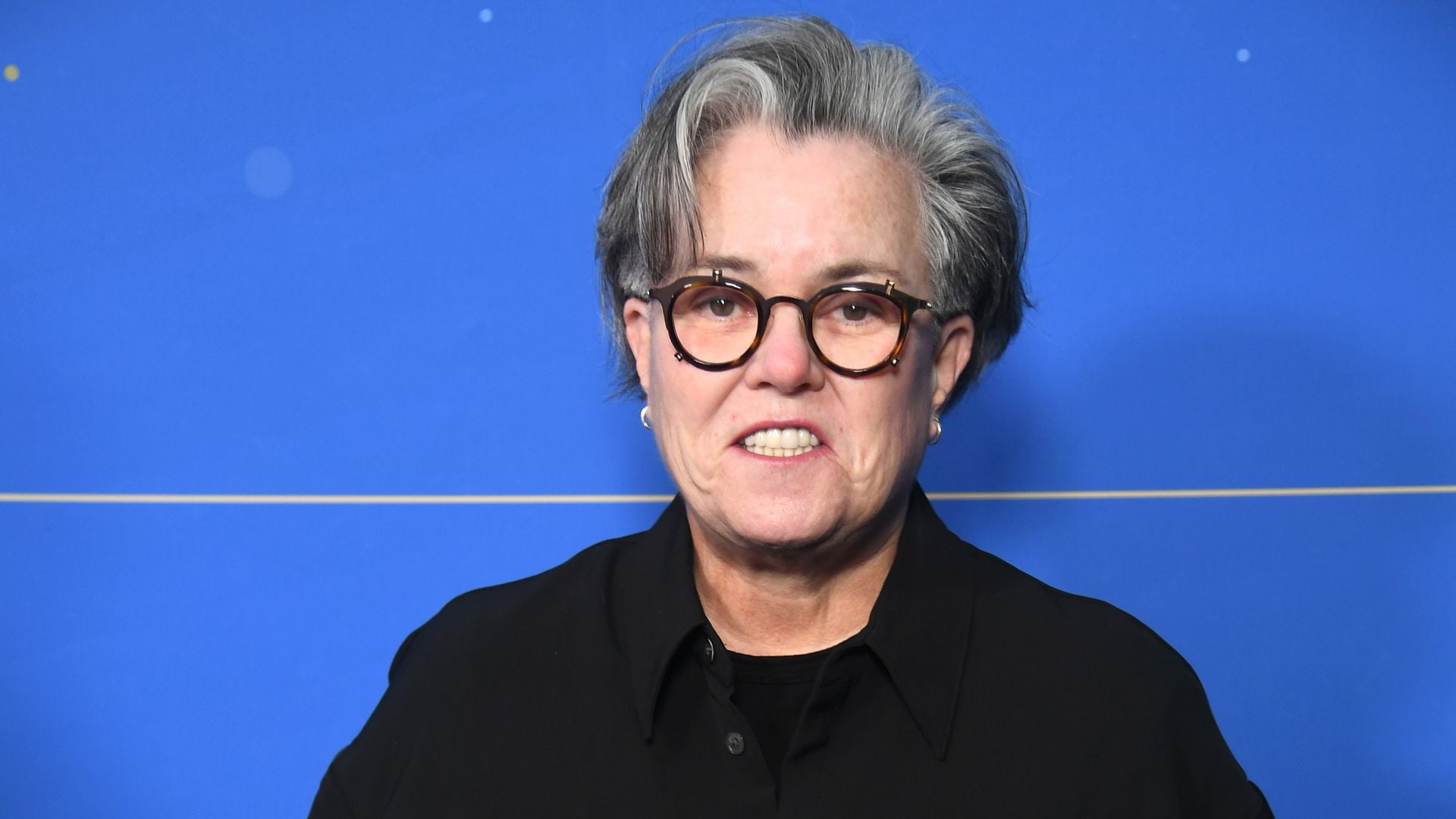
Throughout 2025, Rosie O’Donnell remained one of the most prominent and vocal advocates for the resentencing and release of Lyle and Erik Menendez. Following the high-profile legal recommendations of late 2024, O’Donnell utilized her platform to bridge the gap between 1990s public perception and modern understandings of male sexual abuse trauma, significantly influencing the cultural discourse surrounding their bid for freedom.
Contents
The Genesis of an Unlikely Alliance
The connection between Rosie O’Donnell and the Menendez brothers is not a recent development fueled by trending documentaries; it is a decades-long commitment. O’Donnell first took an interest in the case during the original trials in the early 1990s. While much of the media at the time portrayed Lyle and Erik as greedy, cold-blooded killers, O’Donnell was among the few public figures who focused on the allegations of horrific sexual and physical abuse at the hands of their father, Jose Menendez.
O’Donnell has frequently stated that her empathy for the brothers stems from her own experiences and her work with trauma survivors. Over the years, she maintained a correspondence with Lyle Menendez, even visiting the brothers at the Richard J. Donovan Correctional Facility in San Diego. In 2025, this relationship transitioned from private support to a highly public campaign for clemency. O’Donnell’s advocacy is rooted in the belief that the "Battered Child Syndrome" defense was unfairly dismissed or misunderstood by the jury in the second trial, which took place in an era less sensitive to the nuances of male sexual victimization.
The 2025 Legal Landscape: From Recommendation to Reality
The year 2025 was a watershed moment for Lyle Menendez’s legal standing. To understand the events of 2025, one must look at the immediate catalyst: the October 2024 recommendation by former Los Angeles County District Attorney George Gascón. Gascón had formally recommended that the brothers’ life sentences without the possibility of parole be removed, potentially making them eligible for immediate parole due to their age at the time of the crimes and their conduct during 35 years of incarceration.
However, 2025 brought new political complexities. The transition of power in the Los Angeles District Attorney’s office to Nathan Hochman created a period of intense scrutiny. O’Donnell’s role in 2025 was largely focused on ensuring the new administration did not abandon the momentum established by the previous one.
Key Legal Mechanisms at Play in 2025
The legal strategy for Lyle Menendez in 2025 rested on three primary pillars:
- Resentencing under SB 1437/1170: California laws that allow for the review of sentences that are no longer considered in the interest of justice.
- Habeas Corpus Petition: Based on "newly discovered evidence," specifically a letter written by Erik Menendez to his cousin Andy Cano months before the killings, and the allegations by former Menudo member Roy Rosselló.
- Executive Clemency: A direct appeal to Governor Gavin Newsom to commute the sentences.
Rosie O’Donnell focused her efforts heavily on the third pillar, encouraging her followers to contact the Governor’s office. She argued that 35 years served as "rehabilitated individuals" was more than enough, especially considering the mitigating circumstances of their upbringing.
Rosie O’Donnell’s Digital Campaign and Public Influence
In 2025, the battlefield for public opinion moved to social media, and O’Donnell was a central figure in this theater. Unlike the 1990s, where traditional news outlets controlled the narrative, O’Donnell utilized TikTok and Instagram to humanize Lyle Menendez. She shared anecdotes from their conversations, highlighting his work within the prison—such as the "Green Space" project he spearheaded to improve the correctional environment—and his academic achievements.
O’Donnell’s strategy was to shift the narrative from "Did they do it?" (which the brothers have never denied) to "Is the punishment proportional to the crime and the context?" By 2025, her influence had helped galvanize a younger generation that viewed the case through a lens of trauma-informed justice. This demographic shift was crucial in maintaining political pressure on California officials during a year where the legal system was meticulously weighing the "new evidence" presented by the defense team.
The Impact of the Roy Rosselló Allegations
One of the most significant factors in the 2025 legal discussions was the testimony of Roy Rosselló. In late 2023 and throughout 2024, Rosselló, a former member of the boy band Menudo, alleged that he was also drugged and raped by Jose Menendez.
During the 2025 hearings, this evidence was presented as a crucial corroboration of the brothers’ claims. Rosie O’Donnell frequently cited Rosselló’s courage as a turning point. For the first time in thirty years, the brothers’ defense had an outside witness whose allegations suggested a pattern of predatory behavior by Jose Menendez. O’Donnell’s media appearances in early 2025 focused heavily on this, questioning how the state could continue to justify "Life Without Parole" (LWOP) when the core motive for the crime—a desperate attempt to escape abuse—now had independent verification.
Comparative Timeline of Advocacy and Legal Milestones
The following table outlines the progression of the case and the intersection of Rosie O'Donnell's advocacy through the pivotal year of 2025.
| Time Period | Legal Status / Event | Rosie O'Donnell's Involvement |
|---|---|---|
| 1993-1996 | First and Second Trials; conviction to LWOP. | Early supporter; criticized the media's "spoiled brat" narrative. |
| 2018-2023 | Brothers reunited at R.J. Donovan; "Monsters" series enters production. | Re-engaged publicly; visited the brothers in prison. |
| Late 2024 | DA Gascón recommends resentencing; massive public interest surge. | Participated in press conferences; intensified TikTok advocacy. |
| Early 2025 | DA transition to Nathan Hochman; review of resentencing files. | Publicly called for the DA to honor the previous recommendation. |
| Mid 2025 | Judicial hearings regarding the Habeas Corpus petition and new evidence. | Organized social media "call to action" for clemency letters. |
| Late 2025 | Focus shifts to Governor Newsom's final decision on clemency. | Continued media rounds emphasizing the brothers' rehabilitation. |
The "Battered Child Syndrome" Re-evaluation
A major theme in O’Donnell’s 2025 advocacy was the evolution of psychology. In the 1990s, the concept of a "battered child" was often dismissed as a "designer defense." O’Donnell argued throughout 2025 that the legal system had finally caught up with science.
In her interviews, she pointed out that Lyle Menendez was 21 and Erik was 18 at the time of the killings—ages where the prefrontal cortex is not fully developed, particularly in victims of prolonged childhood trauma. O’Donnell’s ability to articulate these complex psychological points in a way that resonated with the general public was a key driver in the 2025 movement. She successfully framed the 2025 legal proceedings not as an attempt to "excuse" murder, but as a necessary correction of a sentence that failed to account for the impact of sexual violence on the human psyche.
Challenges and Opposition in 2025
Despite O’Donnell’s efforts, 2025 was not without significant hurdles. Opponents of the resentencing—including some members of the extended Menendez family and former prosecutors—argued that the brothers had planned the murders for financial gain. They maintained that the sheer violence of the act (multiple shotgun blasts) indicated a level of intent that should not be mitigated by claims of abuse.
O’Donnell faced criticism for "glamorizing" convicted killers. Her response was consistently focused on the concept of restorative justice. She argued that if the goal of the prison system is rehabilitation, Lyle and Erik Menendez had more than met the criteria. By 2025, Lyle had spent more than half his life behind bars, becoming a mentor to other inmates and a model prisoner. O’Donnell’s central question to the public in 2025 was: "What more do we want from them?"
Current Status and Next Actions
As of 2026, the advocacy efforts of 2025 have fundamentally changed how the Menendez case is taught in law schools and discussed in the media. Whether the brothers are currently in the community or still navigating the final stages of parole, the groundwork laid by O’Donnell and the legal team in 2025 remains the blueprint for challenging long-standing sentences based on evolving social standards.
For those looking to follow the current status or support similar legal reform initiatives, several actions are recommended:
- Monitor the California Department of Corrections and Rehabilitation (CDCR): Check the official CDCR website for public records on inmate status and parole hearing results.
- Review the Los Angeles County District Attorney’s Statements: Visit the LADA office for official positions on resentencing guidelines and high-profile case reviews.
- Support Trauma-Informed Legal Reform: Organizations like the Sentencing Project provide resources on how to advocate for sentences that reflect the impact of abuse and trauma.
- Follow Rosie O'Donnell's Verified Channels: For ongoing updates on her advocacy work, her social media platforms remain the primary source for her direct interactions with the Menendez family and legal experts.
Frequently Asked Questions
Why did Rosie O'Donnell start supporting Lyle Menendez?
Rosie O'Donnell’s support began in the 1990s because she believed the brothers were victims of severe sexual and physical abuse that the legal system failed to acknowledge appropriately. She has stated that she felt a moral obligation to speak up for them when the general public viewed them only as "privileged" killers. Her support is rooted in her broader commitment to victims of childhood trauma and sexual violence.
What was the outcome of the 2025 Menendez hearings?
The 2025 hearings were characterized by a meticulous review of the resentencing recommendation and the new evidence from Roy Rosselló. While the legal process in California can be lengthy, 2025 was the year the court formally addressed whether the 1996 jury was deprived of critical context regarding the brothers' abuse. The proceedings focused on moving the conviction from first-degree murder to a charge that would allow for immediate parole eligibility.
Did Rosie O'Donnell visit Lyle Menendez in 2025?
Yes, O'Donnell continued her practice of maintaining personal contact with Lyle and Erik. These visits often served as the basis for her public updates, where she would describe the brothers' state of mind and their ongoing rehabilitative efforts within the prison. She has often described Lyle as a person of great depth and intelligence who has worked hard to process his past.
How did the new District Attorney affect the case in 2025?
The transition from George Gascón to Nathan Hochman in early 2025 introduced a period of review. While Gascón had already made the recommendation for resentencing, the new administration had the authority to reassess the case. O’Donnell and other advocates spent much of 2025 pressuring the DA’s office to maintain the path toward resentencing, citing the thousands of hours of work and the new evidence that had already been vetted.
Is the letter to Andy Cano really "new evidence"?
The letter, which Erik Menendez wrote to his cousin Andy Cano in 1988 (months before the murders), describes the ongoing abuse by his father. While it was "found" later, its significance in 2025 was that it provided contemporaneous proof of the abuse allegations made during the trial. Advocates like Rosie O'Donnell argue this letter proves the abuse wasn't a "defense strategy" cooked up after the arrest, but a reality the brothers were living before the tragedy.
What is the role of Governor Gavin Newsom in this case?
Governor Newsom has the power of executive clemency. He can commute a sentence, meaning he can reduce it to a lesser term or time served. Throughout 2025, O'Donnell focused heavily on the Governor, arguing that even if the courts faced procedural delays, the Governor had the moral and legal authority to release the brothers based on their rehabilitation and the circumstances of their case.
Image Gallery