Understanding the Silhouette Trend: A Comprehensive Guide to Modern Proportions, Garment Architecture, and Styling
The silhouette trend refers to fashion’s fundamental shift toward prioritizing external outlines, structural shapes, and dramatic proportions over surface detail or print. Rather than relying on intricate patterns, current silhouette t...
The silhouette trend refers to fashion’s fundamental shift toward prioritizing external outlines, structural shapes, and dramatic proportions over surface detail or print. Rather than relying on intricate patterns, current silhouette trends emphasize sculpted shoulders, cinched waistlines, sweeping drop waists, and relaxed, wide-leg cuts that redefine the body's natural form.
Contents
Understanding how fashion silhouettes evolve allows designers, stylists, and consumers to balance outfit proportions, choose garments that compliment specific frame types, and build versatile wardrobes rooted in timeless structural aesthetics.
The Architecture of Style: What Defines a Silhouette Trend?
In fashion design and visual arts, a silhouette is the overall outline or two-dimensional shape a garment creates against a background, stripped of color, texture, and pattern. While color palettes and surface embellishments fluctuate rapidly, silhouette trends reflect broader cultural shifts in comfort, gender expression, utility, and historical revival.
Fashion history demonstrates that silhouettes move in cyclical waves, swinging between exaggerated volume and sharp minimalist containment:
- The Hourglass and Cinched Shapes: Popularized by mid-20th-century tailoring and contemporary corset revivals, emphasizing a defined waist and broad shoulders or flared hips.
- The Boxy and Oversized Outlines: Inspired by 1980s power tailoring and late 1990s streetwear, offering structural distance between fabric and body.
- The Elongated Column: Characterized by continuous, vertical lines that streamline the body from shoulder to hem, dominant in 1920s flapper dresses and 1990s minimal slip dresses.
- The Drop Waist and Low Slung Lines: Visual emphasis placed below the natural waistline, shifting attention to the hips and elongating the torso.
A trend emerges when runway designers, street style influencers, and apparel manufacturers align around specific architectural shifts. Observing these shifts helps consumers make intentional purchase decisions that remain stylish across multiple seasons rather than fading with fast-fashion micro-cycles.
Major Silhouette Trends Defining Contemporary Fashion
Contemporary wardrobes are dominated by four distinct silhouette profiles. Each profile alters body proportions in unique ways, requiring specific garment pairing strategies to maintain visual harmony.
Modern Silhouette Profiles:
- Oversized / Relaxed
- Broad Top
- Loose Waist
- Wide Hem
- Sculptural Hourglass
- Broad Shoulder
- Cinched Waist
- Flared Hip/Hem
- Elongated Column
- Straight Top
- Parallel Side
- Direct Vertical
- Drop-Waist Architecture
- Long Torso
- Low seam line
- Flared Skirt
1. The Oversized, Voluminous Silhouette
The oversized silhouette has evolved from casual relaxed-fit garments into structured, architectural tailoring. Characterized by dropped shoulder seams, exaggerated sleeve volumes, and wide-leg trousers, this shape prioritizes comfort while maintaining a bold visual footprint.
Key elements include:
- Padded or Dropped Shoulders: Blazers feature shoulder extensions that create a strong horizontal top line.
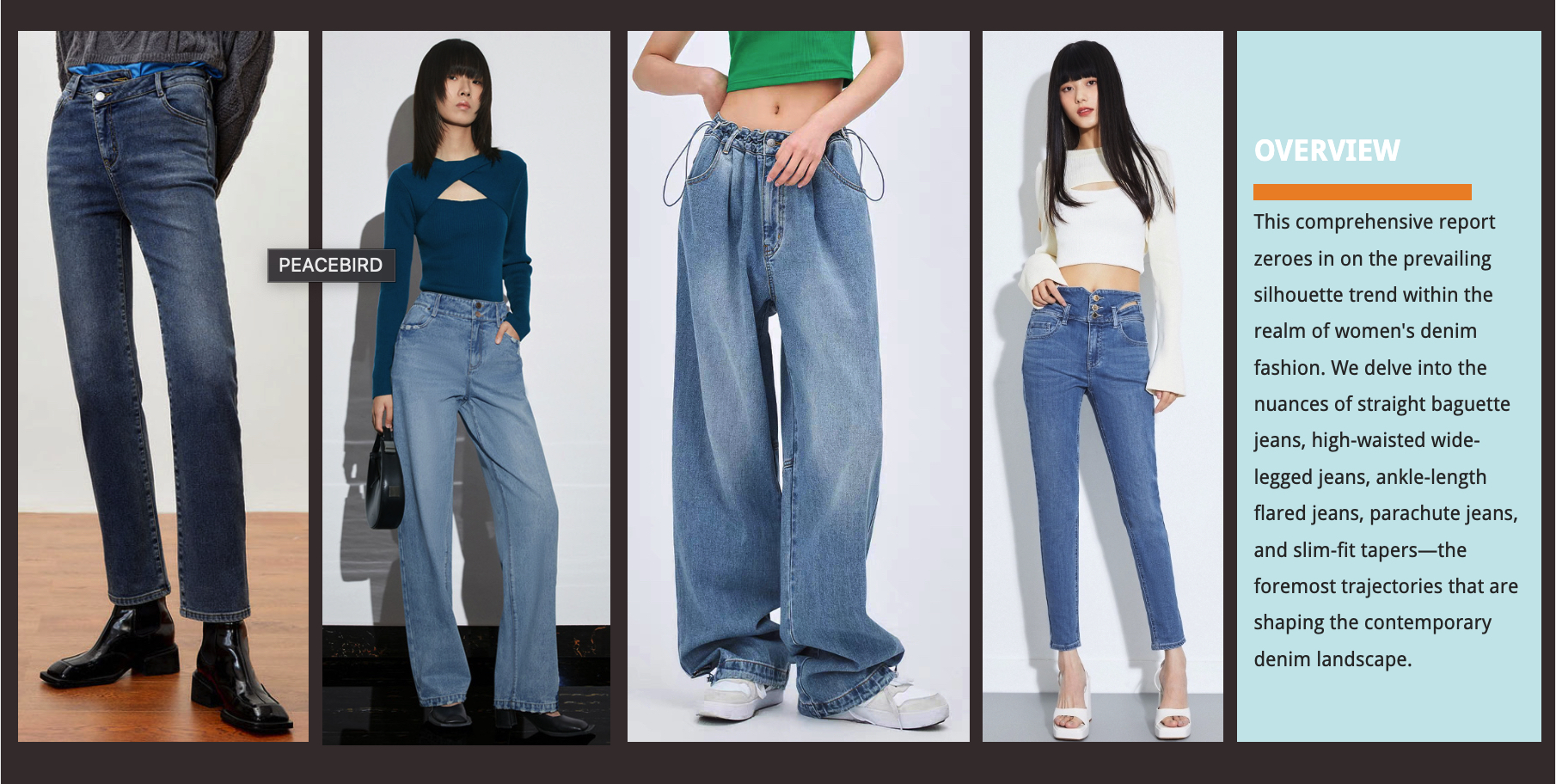
- Wide-Leg Trouser Cuts: Trousers drape loosely from the high hip down to the floor, breaking gently over footwear.
- Voluminous Outerwear: Trench coats and wool overcoats are cut with excessive fabric volume to create movement when walking.
When execution fails, oversized clothing can look unpolished or ill-fitting. The key to mastering this trend lies in structural tailoring—ensuring collar lines, wrist hems, and ankle lengths align precisely while the body of the garment expands.
2. The Sculptural Hourglass and Cinched Waist
In direct contrast to boxy cuts, the sculptural hourglass silhouette emphasizes shape definition. Modern iterations blend soft tailoring with structural internal boning, peplum hems, and exaggerated hip padding to exaggerate the natural waistline without causing physical discomfort.
This silhouette relies on:
- Structured Corsetry and Basque Waists: Waistlines dip into a subtle V-shape, elongating the upper torso while drawing inward at the navel.
- Power Shoulders Paired with Tapered Hems: Broad structured jackets taper sharply at the waist, ending right at the hip bone.
- Belting Techniques: Wide leather belts worn over heavyweight outerwear convert fluid coats into structured hourglass figures.
3. The Drop Waist and Low-Slung Line
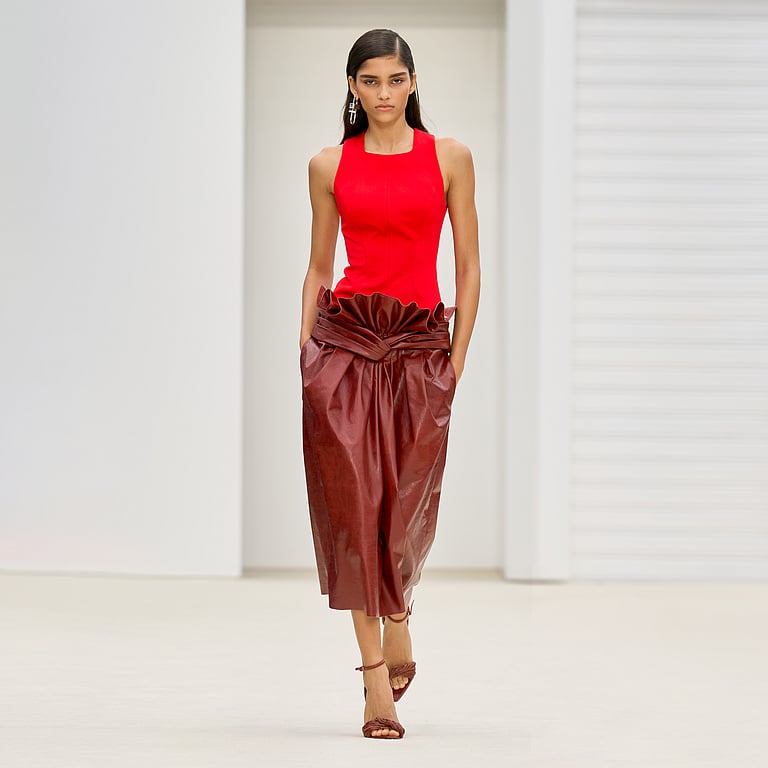
The drop waist silhouette shifts the primary visual horizontal line from the narrowest part of the waist down to the lower hips or upper thighs. This architectural revival pulls inspiration from 1920s visual art and 1950s ballgowns, reinterpreted for contemporary casual and formal wear.
Distinguishing factors include:
- Torso Elongation: Tops and dress bodices extend seamlessly down past the belly button, creating a sleek torso length.
- Sudden Pleating or Volume: Below the dropped seam line, fabrics break into knife pleats, gathering, or structural A-line skirts.
- Low-Rise Tailoring: Trousers and midi skirts sit low on the pelvis rather than high on the natural waist.
4. The Elongated Column Silhouette
Minimalist, elegant, and vertical, the column silhouette removes horizontal interruptions from an outfit. The goal of this cut is to create a seamless vertical line from neck to ankle, creating an illusion of height and subtle refinement.
Primary garments defining this look include:
- Floor-Sweeping Slip Dresses: Bias-cut fabrics that fall straight along the body without tight cinching.
- Straight-Cut Long Coats: Duster coats and longline cardigans left unbuttoned to frame an inner vertical monochromatic outfit.
- High-Neck Maxi Tops: Turtlenecks and boatneck tops paired with straight matching skirts.
Comparative Breakdown of Fashion Silhouette Trends
Choosing the correct silhouette depends on personal aesthetic preferences, garment functionality, and desired proportion balance. The table below compares the four primary silhouette trends:
| Silhouette Trend | Primary Visual Focus | Garment Examples | Visual Effect on Body Frame | Best Fabric Weight |
|---|---|---|---|---|
| Oversized & Voluminous | Outer outline, horizontal width, relaxed drape | Boxy blazers, wide-leg trousers, chunky knits | Adds structural weight, softens frame angles | Heavywool, rigid denim, thick cotton twill |
| Sculptural Hourglass | Natural or exaggerated waistline, hip contours | Corset tops, basque-waist dresses, belted blazers | Creates waist definition, broadens shoulders | Structured wool, silk taffeta, boned satin |
| Drop Waist | Upper thigh, elongated torso line | Low-slung skirts, drop-waist midi dresses | Elongates the torso, lowers visual center of gravity | Poplin, lightweight crepe, fine knits |
| Elongated Column | Continuous vertical line, shoulder-to-hem stream | Slip dresses, straight-leg pants, duster coats | Heightens appearance, streamlines body width | Silk bias, ribbed jersey, fluid rayon blends |
How to Style Silhouette Trends: The Golden Rules of Proportion
Adapting high-fashion silhouette trends into everyday outfits requires an understanding of proportion balancing. Wearing multiple dramatic, oversized, or volumetric pieces simultaneously can overwhelm a frame, whereas applying structured styling principles ensures visual cohesion.
Rule of Thirds Styling:
- Top 1/3 (Shoulders to high waist)
- Short Jacket / Fitted Top
- Waistline anchor
- Bottom 2/3 (Waist to floor)
- Long Straight Skirt / Wide-Leg Trousers
1. Apply the Rule of Thirds
Dividing your visual appearance into a 1/3 to 2/3 ratio creates more engaging proportions than cutting the body visually in half (1/2 to 1/2).
- 1/3 Top to 2/3 Bottom: Combine a cropped jacket or tucked-in top with high-waisted wide-leg trousers or a column maxi skirt.
- 2/3 Top to 1/3 Bottom: Wear an elongated tunic dress or oversized duster coat over brief footwear or narrow trousers.
2. Balance Fabric Density and Volume
Pair opposing structural elements to prevent outfits from looking heavy or shapeless.
- If wearing an oversized boxy blazer (high volume on top), pair it with tailored straight trousers or a minimalist column skirt (controlled volume below).
- If styling dramatic balloon trousers or a wide flared skirt (high volume on bottom), opt for a form-fitting ribbed knit shirt or cinched bodysuit on top.
3. Use Strategic Anchor Points
Even in fully relaxed or oversized silhouette trends, revealing or framing small structural points on the body—such as wrists, ankles, collarbones, or the narrowest part of the neck—prevents fabric from overwhelming the wearer. Rolled sleeves, sharp V-necks, and exposed ankles provide necessary visual relief.
Photography and Social Media: The Visual "Silhouette Trend"
Beyond apparel architecture, the term silhouette trend routinely trends across digital platforms like TikTok, Instagram, and YouTube. In content creation, the silhouette trend refers to a photography and videography style where the subject is backlit against a bright light source or saturated studio color filter, rendering their figure as a sharp, high-contrast dark outline.
How to Create a High-Contrast Visual Silhouette Video
Content creators achieve clean visual silhouette effects by manipulating camera exposure and backlighting:
- Establish Strong Backlighting: Position the subject directly in front of a bright, uniform light source—such as a backlit doorway, sunset horizon, or a colored LED project wall.
- Eliminate Key Lighting: Turn off any front-facing room lights to ensure no light bounces directly onto the front of the subject.
- Lock Exposure on the Bright Background: Tap the camera screen on the brightest part of the background and lower the manual exposure slider (the sun icon on iOS and Android) until the subject turns solid black.
- Emphasize Movement and Outline: Because facial features and garment textures are obscured in a silhouette video, subjects must use defined side profiles, dynamic poses, and distinct outfit shapes to convey emotion and movement.
Common Styling Mistakes with Silhouette Trends
Achieving a polished look with contemporary silhouettes requires precision. Avoid these common styling mistakes:
Ignoring Hemline Mechanics
Tailoring hem lengths is critical when adopting wide-leg or column silhouettes. Trousers that pool excessively onto the floor destroy the vertical drape, making garments look worn down rather than purposefully oversized. Ensure wide trousers skim the top of your shoe soles without dragging on the ground.
Over-Accessorizing Volumetric Outlines
When wearing architectural silhouettes—such as broad-shouldered coats or tiered drop-waist dresses—the clothing shape itself functions as the primary visual statement. Adding oversized scarves, large handbags, and heavy jewelry creates visual clutter. Streamline accessories when wearing dramatic silhouettes.
Misinterpreting "Oversized" for "Wrong Size"
Oversized garments are intentionally engineered with extra volume while maintaining correct proportions in the neck, wrist, and shoulder anchor points. Purchasing a standard clothing item three sizes too large simply results in drooping shoulder seams and overly long sleeves, missing the intended architectural shape.
Frequently Asked Questions About Silhouette Trends
What is the most prominent silhouette trend right now?
The most dominant current silhouette trends are oversized structural tailoring (broad-shouldered blazers and wide-leg trousers) and drop-waist outlines that elongate the torso. Minimalist column silhouettes also remain highly popular for formal wear.
How do I choose the best silhouette for my body shape?
Focus on balance rather than hiding your body. If you want to accentuate your waist, choose hourglass or basque-waist silhouettes. If you want to lengthen your appearance, opt for column dresses or tonal wide-leg setups. Experimenting with garment structure reveals what feels most comfortable and confident for your personal style.
What is the difference between a garment's fit and its silhouette?
Fit refers to how tightly or loosely fabric sits against the skin (e.g., tight, relaxed, slim). Silhouette refers to the overall structural outline and shape created by the garment regardless of tightness (e.g., hourglass, boxy, A-line, column).
Can shorter individuals wear oversized silhouette trends?
Yes. Short or petite individuals can style oversized silhouettes by using the rule of thirds. Pairing an oversized jacket with a cropped hemline or high-waisted trousers preserves vertical body proportions, preventing wide cuts from shortening the frame visual height.
Why do silhouette trends change over time?
Silhouette trends shift due to societal changes, economic factors, fabric innovation, and artistic cycles. Periods dominated by sleek, minimalist lines are frequently followed by eras of structural volume, relaxed fits, and historical tailoring revivals as fashion naturally resets itself.
Actionable Next Steps for Updating Your Wardrobe
- Audit Your Wardrobe Outlines: Hang your main outerwear and trousers against a plain wall. Identify whether your current wardrobe skews entirely toward one shape (e.g., skin-tight fits) or incorporates architectural outlines like wide legs and sharp shoulders.
- Invest in One Key Structural Piece: Introduce a single high-impact silhouette item, such as a sharp, broad-shouldered wool blazer or a structured drop-waist dress, to instantly elevate simple baseline outfits.
- Tailor for Clean Lines: Take wide-leg trousers and column skirts to a professional tailor. Correcting hem heights ensures that modern volume translates into sophisticated, deliberate style rather than untailored excess.
Image Gallery