Understanding Erie Auto Insurance Availability and Quotes in Texas
Erie Insurance does not currently offer auto insurance policies to residents of Texas. As of 2026, the company maintains a regional footprint primarily concentrated in the Mid-Atlantic and Midwestern United States, meaning prospective...
Erie Insurance does not currently offer auto insurance policies to residents of Texas. As of 2026, the company maintains a regional footprint primarily concentrated in the Mid-Atlantic and Midwestern United States, meaning prospective policyholders in Texas cannot obtain an Erie auto insurance quote through official channels.
Contents
The Regional Scope of Erie Insurance
Erie Insurance, often recognized for its financial strength and customer service ratings, operates a specific business model that focuses on defined geographic markets. The company provides property and casualty insurance, including auto, home, and commercial coverage, but these services are restricted by state-level regulatory filings and the company’s internal growth strategy.
In the United States insurance market, companies typically choose to expand into states only when they have developed the necessary infrastructure, claims processing networks, and actuarial models to comply with that state's specific Department of Insurance requirements. Texas, as one of the largest and most complex insurance markets in the country, requires significant regulatory overhead. For consumers in Texas seeking a quote, it is important to understand that Erie is not licensed to write personal auto policies within the state borders. Therefore, any website or third-party service promising an "Erie auto insurance quote" for a Texas address is likely misinformed or acting as a lead-generation aggregate that will ultimately redirect you to other providers.
Why Availability Matters in Auto Insurance
Auto insurance is governed at the state level. Each state, including Texas, sets its own minimum liability requirements, maintains its own insurance commissioner’s office, and regulates premium structures.
- Regulatory Compliance: Insurance carriers must file their rates and policy forms with the Texas Department of Insurance (TDI). If a company has not filed these documents, it is legally prohibited from issuing policies.
- Actuarial Risk: Insurance pricing is based on localized data, such as traffic density, historical accident rates, weather-related risks (like hail or floods in Texas), and the cost of vehicle repairs in specific regions.
- Customer Support Infrastructure: To provide effective service, an insurer must have a network of local adjusters, repair facility partnerships, and customer support representatives familiar with local laws.
When a major regional carrier like Erie chooses not to enter a state like Texas, it is usually a strategic decision based on the company's focus on maintaining high service quality within its existing operational footprint rather than overextending its resources.
Evaluating Alternatives for Texas Drivers
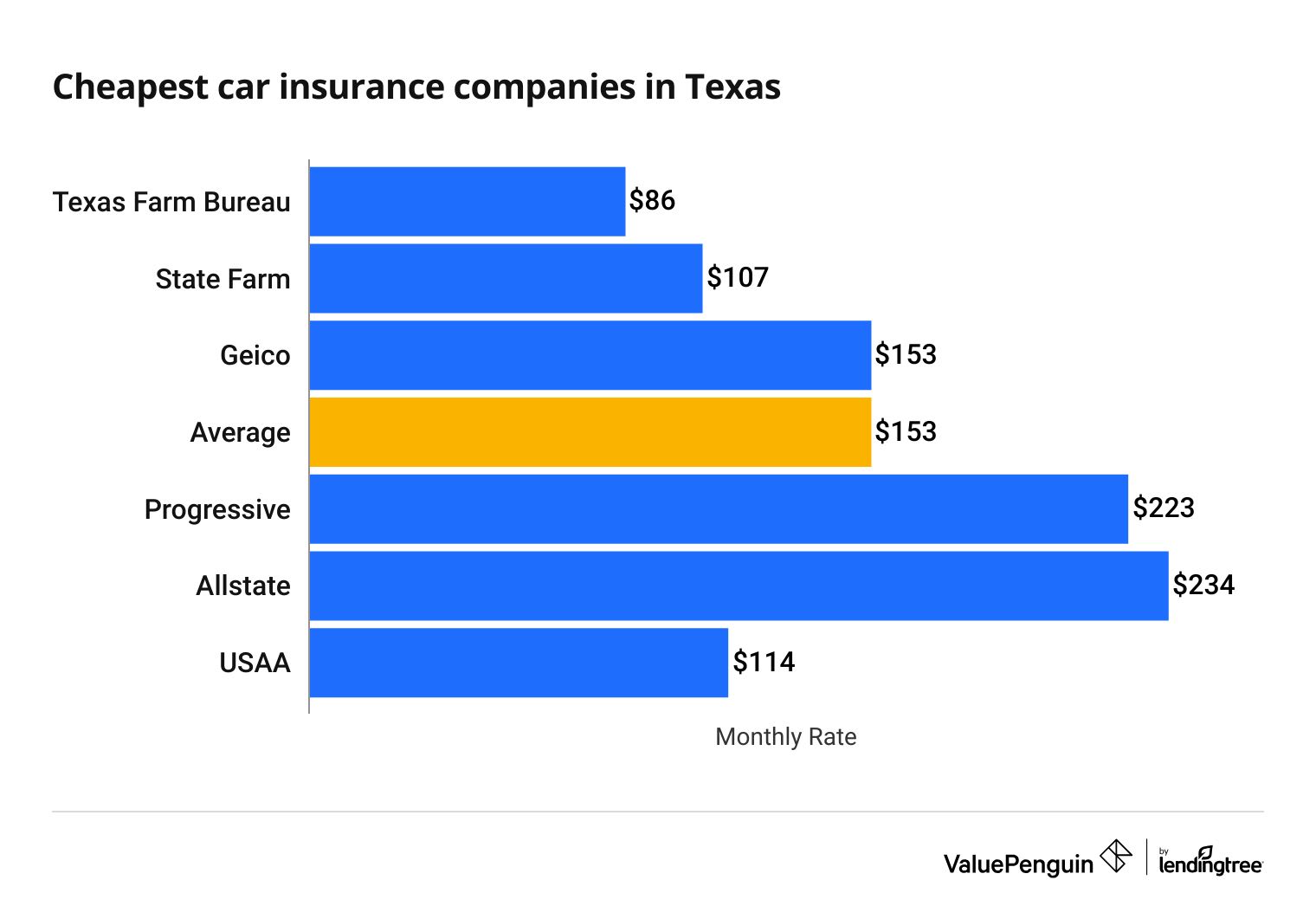
Since Erie Insurance is not an option for your vehicle coverage in Texas, you should look toward carriers that have a robust, established presence in the Texas market. Texas features a highly competitive insurance landscape with dozens of national and regional carriers. When searching for an auto insurance quote in Texas, you should evaluate providers based on three primary factors: financial strength, claims-handling reputation, and the specific coverage options they offer for Texas-based hazards.
| Feature to Evaluate | Importance | Context for Texas Drivers |
|---|---|---|
| Financial Strength | Critical | Ensures the insurer can pay claims following major regional disasters. |
| Coverage Limits | High | Must meet Texas state-mandated minimums (30/60/25). |
| Claims Accessibility | High | Look for carriers with local adjusters or mobile-first claims reporting. |
| Policy Bundling | Medium | Can often reduce premiums by combining auto with home or renters insurance. |
When requesting quotes, use the Texas Department of Insurance's "HelpInsure" portal or similar state-approved resources to verify that the company you are considering is licensed to operate in Texas. This protects you from dealing with unauthorized entities or predatory coverage providers.
How to Properly Request an Auto Insurance Quote in Texas
If you are currently a resident of Texas, the process for securing insurance involves several standard steps regardless of the carrier you choose. Follow this sequence to ensure you are receiving accurate and comparable quotes:
- Gather Documentation: Have your current policy’s "Declarations Page," your Driver’s License number, and the Vehicle Identification Number (VIN) for all vehicles you intend to insure.
- Determine Your Needs: Decide whether you need only liability coverage (the legal minimum in Texas) or if you require comprehensive and collision coverage, which covers damages to your own vehicle regardless of fault.
- Use Official Channels: Visit the official websites of national insurance carriers that advertise in Texas. Obtain at least three quotes to effectively compare premiums and coverage options.
- Review the Fine Print: In Texas, pay close attention to uninsured/underinsured motorist coverage. Given the number of vehicles on Texas highways, this coverage is often recommended by insurance professionals to protect your assets if you are involved in an accident with an under-insured driver.
- Verify the Carrier: Always confirm the company’s "NAIC Number" (National Association of Insurance Commissioners) through the Texas Department of Insurance to verify their standing.
Common Pitfalls When Searching for Insurance
Many consumers fall into the trap of using "quote aggregator" websites that promise the best rates. Often, these sites are designed to capture your personal contact information and sell it to third-party brokers. While these sites may use keywords like "Erie auto insurance quote Texas" to capture search traffic, they do not have the power to actually provide a quote from a company that does not operate in the state.
To avoid unwanted solicitation and potential data security risks:
- Avoid entering personal data on sites that do not clearly identify the specific insurance companies they represent.
- Check the "Privacy Policy" of any site you visit to understand how your data will be distributed.
- Stick to known, reputable insurance brands that maintain a transparent presence in Texas.
Frequently Asked Questions
Does Erie Insurance have any plans to expand into Texas? Erie Insurance has not announced plans to expand its auto insurance products into Texas as of 2026. The company focuses its growth strategy on its core states in the Mid-Atlantic and Midwest, and there is no public regulatory evidence suggesting an imminent entry into the Texas market.
What should I do if I see an advertisement for Erie Insurance in Texas? If you see an advertisement for Erie Insurance targeting Texas, it is likely a generic marketing campaign or a regional advertisement that may have reached you via digital cross-targeting. It does not indicate that you can purchase a policy. Always verify availability on the company's official corporate website.
Is it legal for insurance companies to deny quotes based on my location in Texas? Yes. An insurance company is only allowed to sell policies in states where it is licensed by the Department of Insurance. If a company is not licensed in Texas, it is actually a legal requirement for them to refrain from soliciting or writing policies for residents of that state.
How can I find a highly-rated insurer in Texas similar to Erie? Many consumers who appreciate Erie's customer-service-oriented model look for other "A-rated" (by AM Best) carriers that emphasize independent agent representation. You can search for independent insurance agencies in your local Texas city; these agents work with multiple carriers and can provide a personalized comparison that mimics the advisory role of a company like Erie.
What is the minimum auto insurance requirement in Texas? Texas requires "30/60/25" coverage: $30,000 for bodily injury per person, $60,000 for bodily injury per accident, and $25,000 for property damage per accident. Most financial advisors suggest carrying higher limits to protect personal assets in the event of a significant liability claim.
Next Steps for Texas Drivers
Because Erie Insurance is not available to you, your most efficient path forward is to identify insurance carriers that compete directly on service and value within the Texas market. Start by requesting quotes from at least three different major carriers via their direct, official websites. As you evaluate your options, focus on the quality of the claims-handling process—this is the most important service you are paying for, and it is the primary reason customers often search for highly-regarded regional carriers. By bypassing unofficial lead-generation sites, you will ensure your personal data remains private while you secure the coverage necessary to protect your vehicle and your financial future.
Image Gallery