Dentist Nebraska Salary Guide: Understanding Compensation and Market Factors in 2026
The compensation for dentists in Nebraska is influenced by a variety of factors, including geographic location, practice ownership status, specialization, and years of experience. As of 2026, general dentists in Nebraska typically see...
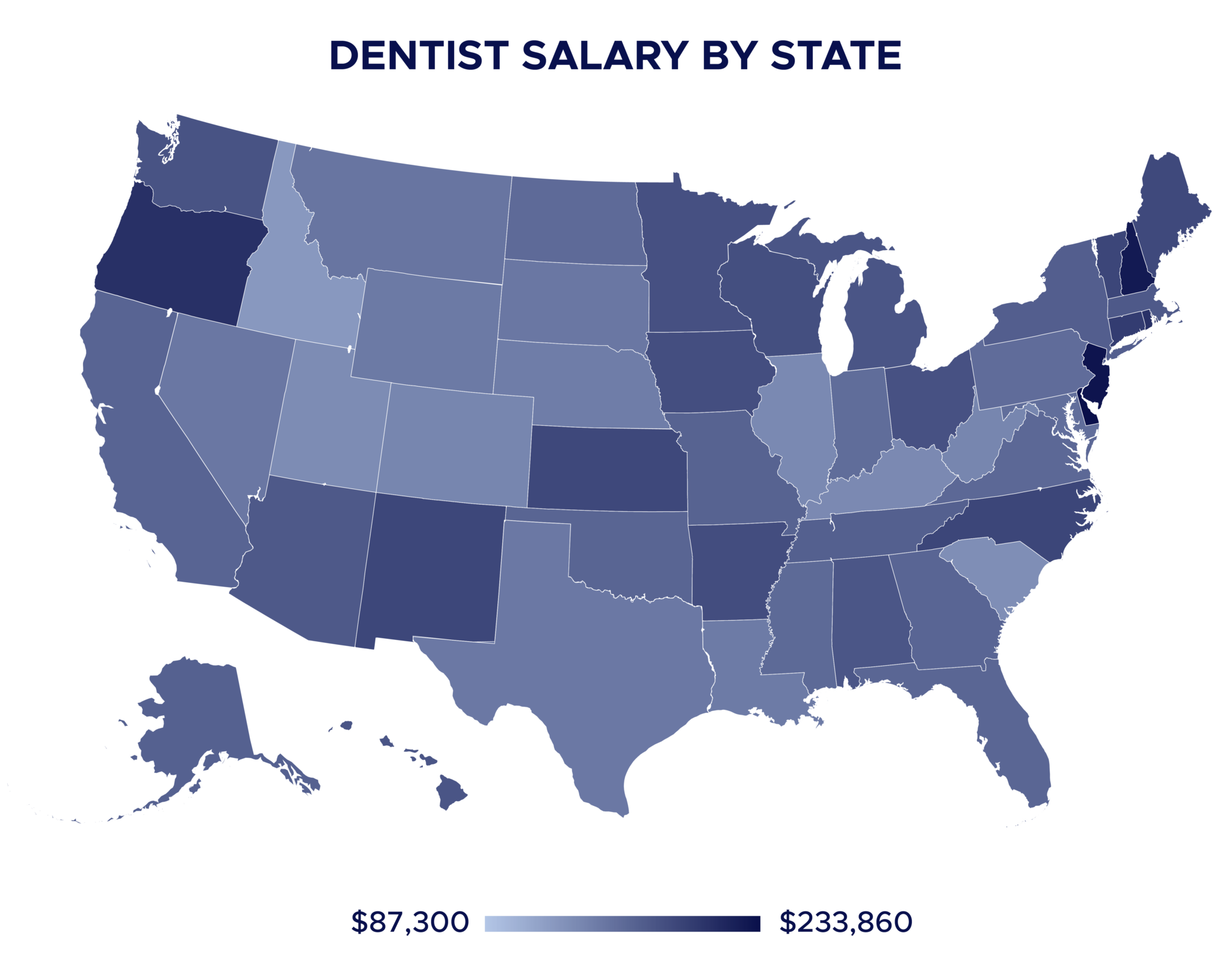
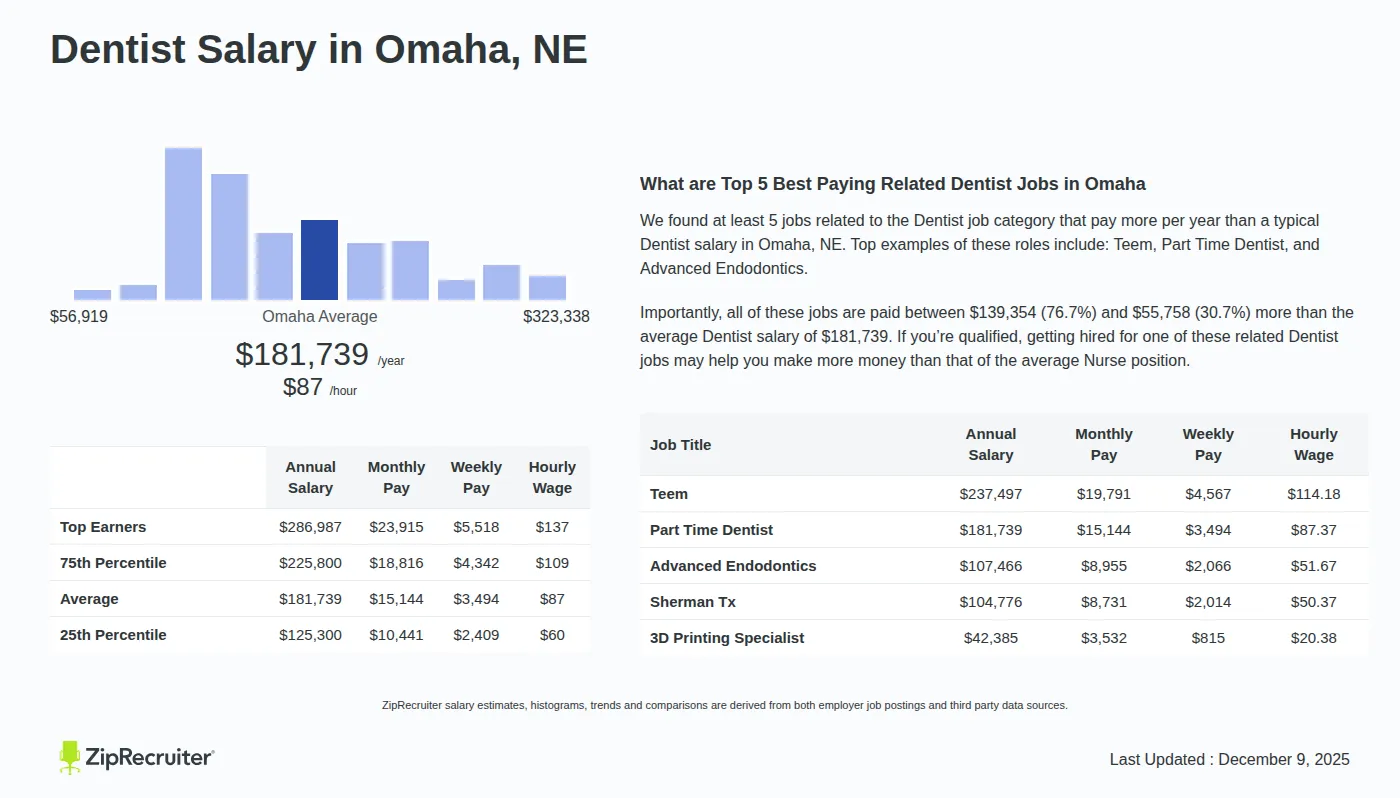
The compensation for dentists in Nebraska is influenced by a variety of factors, including geographic location, practice ownership status, specialization, and years of experience. As of 2026, general dentists in Nebraska typically see annual earnings ranging from approximately $150,000 to over $260,000, with specialized practitioners often commanding higher figures. Understanding these variables is essential for both established professionals and those entering the state’s workforce.
Contents
The Landscape of Dental Compensation in Nebraska
Nebraska’s dental market presents a unique blend of urban hubs, such as Omaha and Lincoln, and a vast network of rural, underserved regions. The compensation structure for dentists often reflects the cost of living and the local supply-and-demand dynamics of these distinct areas. When analyzing salary data, it is critical to distinguish between W-2 employment—where dentists receive a base salary or percentage of production plus benefits—and 1095/independent contractor roles, or private practice ownership, where net income is tied directly to business performance.
In 2026, official data from the U.S. Bureau of Labor Statistics and state-level workforce reports indicate that while national averages provide a baseline, Nebraska’s specific demographics require a more granular approach. The state benefits from a steady demand for oral health services, particularly in rural counties where access to care is a primary policy focus.
Key Factors Influencing Dental Salaries
Several variables dictate where a dentist falls on the pay spectrum. Understanding these is the first step in negotiating a contract or evaluating a career move.
1. Practice Setting and Ownership
The most significant determinant of income is the practice model. A sole proprietor or partner in a private practice retains the net profit of the office, which can be significantly higher than a salaried associate position but comes with greater financial risk and administrative burden. Conversely, associates in a Corporate Dental Organization (DSO) or a group practice often enjoy a more predictable salary, lower overhead responsibility, and built-in benefits like malpractice insurance and retirement matching.
2. Geographic Demand
Nebraska’s dental workforce is heavily concentrated in the eastern corridor. Dentists practicing in rural areas or "Dental Health Professional Shortage Areas" (DHPSAs) may find higher demand for their services. Some rural positions offer unique financial incentives, such as student loan repayment programs facilitated by state or federal grants aimed at improving rural health outcomes. While the base salary might appear comparable to urban settings, the lower cost of living in rural Nebraska often translates to higher disposable income.
3. Specialization
General dentistry provides a stable foundation, but specialists—including orthodontists, endodontists, oral surgeons, and periodontists—consistently command higher salaries. This premium compensates for the additional years of post-doctoral residency training and the specific, high-demand nature of their clinical work.
4. Experience and Productivity
Compensation models are rarely purely salaried. Most associate positions utilize a "percentage of adjusted production" model. A dentist’s efficiency, ability to manage a full patient load, and capacity for high-value procedures (such as implants or complex restorations) directly impact their annual take-home pay.
Compensation Comparison Table
The following table provides an estimated range for various roles in the Nebraska dental market as of 2026. Note that these figures are estimates based on standard regional market reports and do not account for individual production bonuses.
| Role Type | Estimated Annual Salary Range (USD) | Primary Variable |
|---|---|---|
| Associate Dentist (General) | $160,000 - $220,000 | % of Net Production |
| Private Practice Owner | $200,000 - $350,000+ | Practice Net Profit |
| Dental Specialist (Orth/Endo/Oral) | $250,000 - $450,000 | Specialty Volume/Scope |
| Public Health/Community Clinic | $140,000 - $185,000 | Grant/Fixed Budget |
| DSO Associate | $150,000 - $210,000 | Base Salary + Bonus |
Contractual Considerations and Benefits
When assessing an offer in Nebraska, it is vital to look beyond the "headline" salary figure. A comprehensive compensation package includes non-monetary elements that have significant financial value.
- Benefits Packages: Employer-sponsored health insurance, disability insurance, and 401(k) matching are standard in many group practices. These can equate to $20,000 to $40,000 in additional annual value.
- CE Allowances: Continuing Education is a mandatory requirement for licensure in Nebraska. Practices that cover the cost of travel, registration, and lodging for CE courses provide a tangible benefit to the practitioner.
- Licensure and Malpractice: For associate positions, check if the employer covers the Nebraska Board of Dentistry licensure fees and professional liability (malpractice) insurance premiums.
- Sign-on and Retention Bonuses: In competitive markets or areas of critical need, some practices offer signing bonuses or "loan forgiveness" stipends. These usually come with a multi-year service commitment contract.
Understanding the Nebraska Board of Dentistry Requirements
Maintaining a dental license in Nebraska involves adherence to specific statutes. While salary is determined by the market, the ability to practice—and thus earn—is determined by the Nebraska Board of Dentistry. In 2026, requirements include:
- Continuing Education: Dentists must complete the required hours of approved continuing education during each two-year renewal period.
- Clinical Competency: The state monitors disciplinary actions and professional conduct. Maintaining a clean professional record is a prerequisite for long-term salary growth, as malpractice claims or disciplinary hearings can severely limit employment opportunities.
- Controlled Substance Monitoring: Nebraska dentists must interact with the state’s Prescription Drug Monitoring Program (PDMP) when prescribing controlled substances. Proper compliance protects your ability to practice.
Frequently Asked Questions
Does the cost of living in Nebraska affect the salary I should expect? Yes. While Omaha and Lincoln have a higher cost of living, they also offer higher average salaries. In smaller towns, your dollar stretches further, so a lower nominal salary may still result in a higher quality of life. Always compare purchasing power rather than just the raw salary number.
Are there student loan repayment programs for dentists in Nebraska? Yes, Nebraska participates in various federal and state programs, such as the Nebraska Rural Health Workforce Incentive Program. Dentists willing to practice in designated shortage areas for a specific term may qualify for significant student loan debt relief.
What is the difference between "production" and "collection" compensation models? In a production model, you are paid a percentage of the dollar value of the work performed. In a collection model, you are paid a percentage of the cash actually received from patients and insurance. Collection models are generally considered lower risk for the owner and higher risk for the associate.
How does owning a practice compare to being an associate? Ownership requires an upfront capital investment and carries business risk, including managing staff, equipment maintenance, and marketing. However, it allows the dentist to build equity in an asset that can be sold upon retirement. Associateship is a lower-risk path that prioritizes immediate income without the headaches of management.
Next Steps for Dental Professionals
If you are currently evaluating a compensation package in Nebraska, start by requesting a full breakdown of the "total compensation" rather than focusing solely on the base salary. Utilize the Nebraska Dental Association (NDA) as a resource for information on local market standards and legal guidelines. Ensure that all production-based incentives are clearly defined in your employment contract, including the definition of "net production" and any deductions the practice owner takes before your percentage is calculated.
Image Gallery