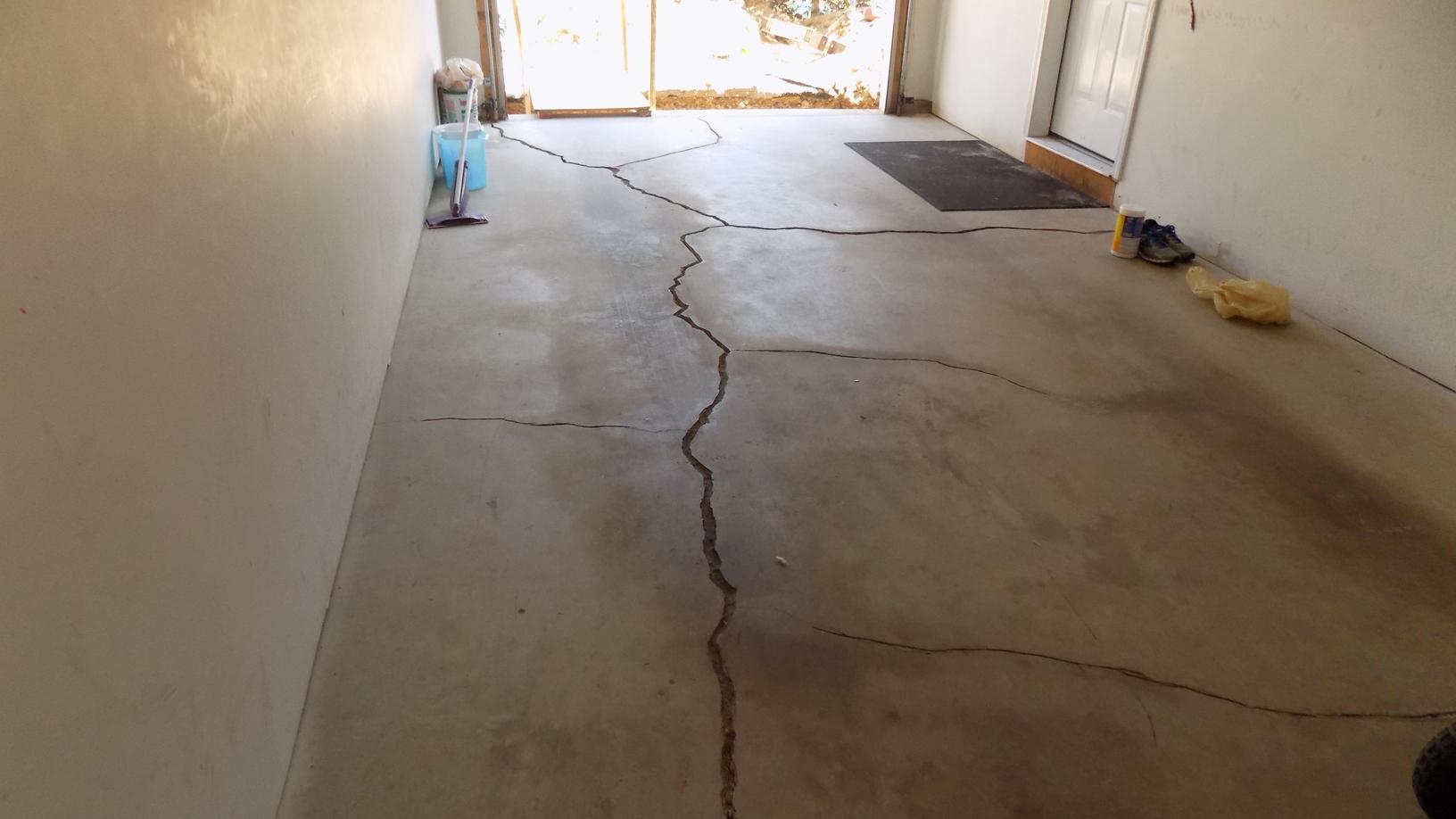
Comprehensive Guide to Foundation Floor Crack Repair in Roswell
Handling foundation floor cracks in Roswell involves identifying the crack type, monitoring for structural movement, and choosing between DIY sealant for cosmetic issues or professional piering and injection for structural shifts. Give...
Handling foundation floor cracks in Roswell involves identifying the crack type, monitoring for structural movement, and choosing between DIY sealant for cosmetic issues or professional piering and injection for structural shifts. Given Roswell’s expansive clay soils, localized moisture control is often the primary step before applying long-term stabilization solutions or carbon fiber reinforcement.
Contents
Foundation issues are a significant concern for homeowners in Roswell, Georgia. The combination of the region's unique geological makeup and the humid subtropical climate creates a specific set of challenges for residential and commercial slabs. As of 2026, advancements in geopolymer injection and carbon fiber technology have refined how these issues are addressed, but the fundamental principles of structural integrity remain the same.
Understanding the Roswell Geological Context
To effectively handle a foundation crack, one must first understand why it occurred. Roswell sits within the Piedmont region of Georgia, characterized by a thick layer of saprolite—often referred to as "Georgia Red Clay." This soil is highly expansive, meaning it swells significantly when saturated with water and shrinks during the dry summer months.
This constant "heaving" and "shrinking" cycle puts immense pressure on concrete floor slabs. In neighborhoods near the Chattahoochee River or areas with significant elevation changes, hydrostatic pressure (the pressure exerted by standing water against the foundation) can force water through microscopic fissures, eventually widening them into significant cracks. By 2026, local building observations have noted that older homes in the historic district and mid-century builds in the Alpharetta Highway corridor are particularly susceptible to these soil-driven shifts.
Identifying and Classifying Floor Cracks
Before initiating any repair, you must distinguish between non-structural shrinkage cracks and structural settlement cracks. Misdiagnosing the cause can lead to wasted expenditure on cosmetic fixes that fail to address underlying instability.
Hairline and Shrinkage Cracks
Most concrete slabs will develop hairline cracks within the first few years of construction. These are typically caused by the evaporation of water during the curing process. In Roswell's high-humidity environment, if the concrete dries too quickly or unevenly, these minor fissures appear. Generally, if the crack is less than 1/16th of an inch wide and does not show signs of vertical displacement (one side being higher than the other), it is likely cosmetic.
Structural Settlement Cracks
Structural cracks are more ominous. They are often wider than 1/8th of an inch and may be accompanied by other symptoms such as sticking doors, windows that won't latch, or cracks in the drywall upstairs. If a floor crack runs across the entire length of a room or moves from the floor up into the foundation wall, it indicates that the footing of the house is moving. In Roswell, this is frequently due to "settlement," where the soil beneath the slab has washed away or compressed unevenly.
Hydrostatic Pressure Cracks
These cracks often "weep" water. Even if it hasn't rained recently, the high water table in certain parts of North Fulton County can keep the soil saturated. These cracks are often accompanied by efflorescence, a white, powdery salt residue left behind when water evaporates from the concrete surface.
Professional Evaluation vs. DIY Assessment
For any crack wider than a nickel, homeowners should consult a structural engineer or a specialized foundation repair contractor. A professional evaluation in 2026 typically involves:
- Floor Altimeter Surveys: Measuring the levelness of the floor to within 1/10th of an inch to find "low spots."
- Crack Monitoring: Installing "tell-tale" gauges that measure whether a crack is widening or narrowing over several months.
- Moisture Probes: Checking the humidity levels beneath the slab.
Safety Warning: If you notice a crack that is wider than 1/2 inch or if the floor feels "spongy," vacate the immediate area and call a professional. Structural failure of a basement floor can sometimes indicate the compromise of the load-bearing columns.
Step-by-Step Repair Methods
The method of repair depends entirely on the diagnosis. Below are the industry-standard approaches used in the Roswell area as of 2026.
1. Sealing Cosmetic Cracks (DIY-Friendly)
For minor shrinkage cracks that are not leaking and show no movement, a high-quality sealant is sufficient.
- Preparation: Use a small angle grinder or a wire brush to clean out the crack. Remove all loose debris and dust.
- Material Selection: Use a polyurea or polyurethane filler. These materials remain flexible, allowing the concrete to expand and contract slightly without the seal breaking.
- Application: Inject the filler into the crack, overfilling slightly, and then use a putty knife to scrape it flush with the floor.
2. Epoxy Injection for Structural Bonding
If the crack is structural but the settlement has stopped, epoxy injection can "weld" the concrete back together.
- Port Installation: Small injection ports are placed every 6–12 inches along the crack.
- Surface Seal: The top of the crack is sealed with an epoxy paste to prevent the liquid epoxy from leaking out.
- Injection: High-pressure epoxy is pumped into the ports, filling the entire depth of the slab. Once cured, the epoxy is stronger than the original concrete.
3. Polyjacking (Slab Leveling)
When a section of the floor has sunk, creating a "trip hazard" or a large void, polyjacking is the preferred 2026 solution over traditional mudjacking.
- Drilling: Small, penny-sized holes are drilled through the slab.
- Injection: A high-density expanding geopolymer foam is injected beneath the floor.
- Expansion: The foam expands, filling voids and lifting the concrete slab back to its original position. This material is waterproof and does not add significant weight to the soil, preventing further sinking.
4. Piering and Underpinning
If the floor crack is a symptom of the entire foundation sinking, piers must be installed. This involves driving steel pipes deep into the earth until they hit load-bearing strata or bedrock. This is a major construction project and requires permits from the City of Roswell Community Development Department.
Comparison of Repair Technologies (2026 Standards)
| Method | Best For | Estimated Cost (Per Lin. Ft. / Unit) | Durability | Professional Required? |
|---|---|---|---|---|
| Polyurethane Sealant | Hairline / Cosmetic | $5 - $15 | Moderate (5-10 years) | No |
| Epoxy Injection | Structural / Non-moving | $40 - $80 | High (20+ years) | Yes |
| Polyjacking | Sinking slabs / Voids | $500 - $2,500 (per area) | Very High | Yes |
| Carbon Fiber Straps | Lateral floor/wall shift | $300 - $600 (per strap) | Permanent | Yes |
| Helical/Push Piers | Total foundation settlement | $1,500 - $3,500 (per pier) | Permanent | Yes |
Managing Moisture: The Roswell Preventative Strategy
In Roswell, the repair is only half the battle. If you do not manage the water around your home, the clay will continue to shift, and new cracks will form.
- Gutter and Downspout Management: Ensure downspouts discharge at least 10 feet away from the foundation. In the 2026 housing market, many Roswell homes have transitioned to "closed system" underground drainage to handle heavy seasonal rains.
- Grading: The soil around the perimeter of the house should slope away at a rate of 6 inches over the first 10 feet.
- Interior French Drains: If hydrostatic pressure is the primary cause of floor cracks, installing an internal perimeter drain and a sump pump is often necessary to relieve the pressure before sealing the floor.
Local Regulations and Permits
The City of Roswell requires permits for structural foundation repairs. While filling a small cosmetic crack does not require a permit, any work involving piers, slab lifting, or structural reinforcements must be filed. As of 2026, contractors must be licensed by the State of Georgia and carry specific liability insurance for foundation work. Always verify a contractor's status via the Georgia Secretary of State’s website.
Frequently Asked Questions
Does homeowners insurance cover foundation floor crack repair in Roswell?
Standard homeowners insurance policies generally do not cover foundation repair if the cause is "earth movement" or "settlement," which are the most common causes in Georgia. However, if the crack was caused by a sudden event like a burst pipe (plumbing leak), you may be eligible for a claim. Always review your policy for "Sewer and Drain Backup" or "Seepage" endorsements.
How long does a typical foundation repair take?
Cosmetic repairs can be completed in a few hours. More intensive solutions like polyjacking usually take one day. If your Roswell home requires extensive piering, the project can take 3 to 7 days, depending on the number of piers and the depth required to reach stable soil.
When should I worry about a floor crack?
You should worry if the crack is wider than 1/8th of an inch, if one side of the crack is higher than the other (vertical displacement), or if you notice water seeping through the crack. Additionally, if you see "stair-step" cracks in nearby brickwork or interior drywall, the floor crack is likely part of a larger structural issue.
Is carbon fiber better than steel for floor repairs?
In 2026, carbon fiber is often preferred for basement floors and walls because it is low-profile and incredibly strong in tension. Unlike steel beams, carbon fiber does not rust and can be painted over, making it ideal for finished basements in Roswell. However, it does not provide "lift"—it only prevents further movement.
Professional Recommendation
If you discover a crack in your foundation floor, do not rush to patch it with hardware-store cement. In the Roswell climate, rigid patches often pop out within a year due to soil expansion. Your first action should be to measure and monitor. Mark the ends of the crack with a pencil and check every two weeks to see if it is growing. If the crack is active or accompanied by moisture, schedule a consultation with a certified foundation specialist to perform a manometer survey. Addressing the problem early with geopolymer injection or moisture management is significantly more cost-effective than waiting for a total structural failure.
Image Gallery