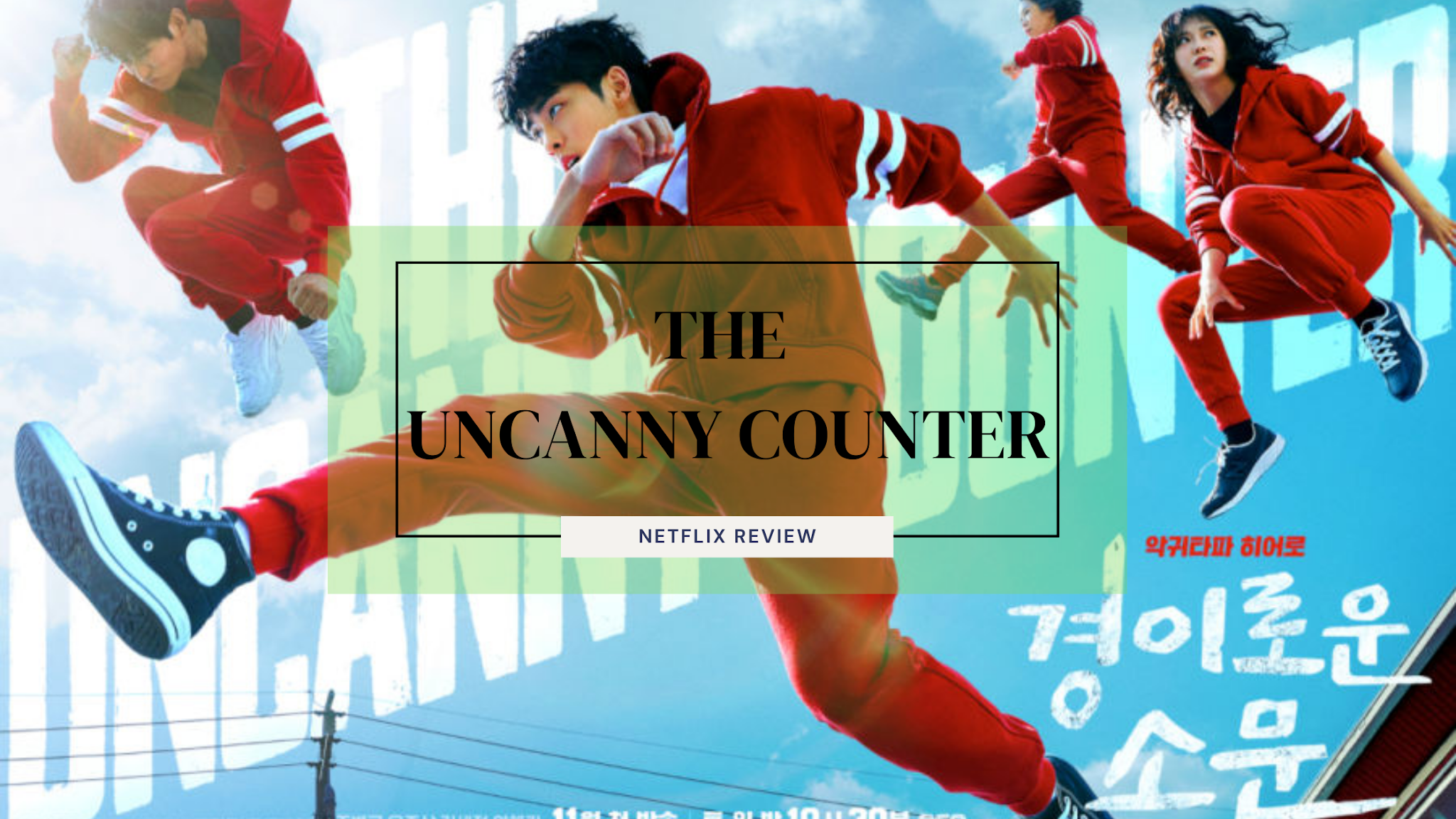
Why The Uncanny Counter Characters Matter in Platforms
The Uncanny Counter characters matter in platforms because they redefine the global superhero genre through a lens of collective grief, family-centric heroism, and localized folklore. By blending high-stakes action with relatable socia...
The Uncanny Counter characters matter in platforms because they redefine the global superhero genre through a lens of collective grief, family-centric heroism, and localized folklore. By blending high-stakes action with relatable social commentary, these characters drive sustained engagement and high retention rates for streaming services and digital comic providers worldwide.
Contents
As we look back from 2026, the landscape of streaming media has been significantly shaped by the "K-Hero" subgenre. At the heart of this movement sits The Uncanny Counter (Gyeongiroun Somun), a franchise that successfully transitioned from a Kakao webtoon to a multi-season television powerhouse. The characters within this universe are not merely participants in a supernatural procedural; they represent a strategic blueprint for how modern platforms utilize character-driven IP to bridge cultural gaps and maintain subscriber loyalty.
The Architectural Significance of Character-Driven IP
In the competitive streaming environment of 2026, platforms no longer rely solely on high-concept plots. Instead, the focus has shifted toward "sticky" characters—entities that viewers form deep emotional bonds with over multiple years. The characters of The Uncanny Counter serve as a primary example of this phenomenon. Unlike traditional Western superheroes who often operate in isolation or within billionaire-funded high-tech environments, the Counters are grounded in the mundane.
They work in a noodle shop. They deal with school bullying, workplace corruption, and the lingering trauma of lost family members. For a platform like Netflix or any regional OTT (Over-The-Top) service, these characters matter because they provide a "human-first" entry point into a complex supernatural mythos. When a character is relatable, the barrier to entry for international audiences drops significantly. This accessibility is a key metric for platform growth, allowing a South Korean story to resonate in Brazil, France, and the United States simultaneously.
The Demographic Diversity of the Counter Team
One reason these characters matter so much to platform strategy is their wide demographic reach. The team is intentionally structured to appeal to multiple age groups:
- So Mun: Represents the Gen Z/Alpha struggle, dealing with physical disability, school environments, and the search for identity.
- Ga Mo-tak: Appeals to the adult action demographic, offering a mix of "tough guy" tropes and a poignant search for a lost past.
- Do Ha-na: Captures the "cool, stoic" archetype while exploring themes of survival and female empowerment.
- Chu Mae-ok: Vital for the older demographic, she subverts the "grandmother" trope by being both a formidable healer and the team’s moral compass.
By providing a character for every quadrant of the audience, the platform ensures that the series is a "co-viewing" success, where families watch together rather than in silos.
How Character Mechanics Support Platform Engagement
The "mechanics" of how these characters interact with their world (Yung) and the villains (level-based demons) are tailor-made for the digital age. In 2026, gamification in storytelling is a major trend. The Uncanny Counter characters function much like RPG (Role-Playing Game) classes, which makes the content highly digestible for a generation raised on gaming platforms.
Each character has a specific role—The Muscle, The Radar, The Healer, The Ace—which creates a structured narrative that platforms can easily market. This structure also lends itself to spin-offs, webtoons, and even mobile game integrations. When a platform invests in a series, they are looking for a world that can expand horizontally. The specific powers of these characters, tied to their physical and emotional states, provide endless opportunities for narrative expansion.
The "Yung" Platform: A Metaphor for Connection
Within the story, the "Yung" is the afterlife platform that grants the Counters their powers. This narrative device mirrors the real-world platforms where we consume the content. The rules of Yung—the territory, the prohibition of using powers for personal gain, and the partnership with a spirit—create a set of stakes that are easy to follow. For a streaming service, these "rules of the world" are essential for building a dedicated fandom that will debate power levels, character arcs, and potential plot holes on social media platforms like X (formerly Twitter) and Reddit.
Detailed Character Impact Analysis
To understand why these characters are pivotal, we must examine their individual contributions to the series' success on global platforms.
| Character | Primary Archetype | Platform Value Driver | Key Narrative Theme |
|---|---|---|---|
| So Mun | The Chosen One | Protagonist growth arc; attracts younger viewers. | Overcoming physical and emotional trauma. |
| Ga Mo-tak | The Hard-Boiled Detective | Action-heavy sequences; appeals to thriller fans. | Seeking justice and recovering lost identity. |
| Do Ha-na | The Stoic Survivor | Mystery and "cool" factor; high social media engagement. | Privacy, boundaries, and the pain of memory. |
| Chu Mae-ok | The Matriarch/Healer | Emotional grounding; critical for demographic breadth. | Maternal grief and the power of nurturing. |
| Choi Jang-mul | The Benefactor | Humor and logistical grounding; provides the "cool" tech/money. | Responsibility of wealth and legacy. |
The Power of the "Relatable Hero"
In 2026, audiences have grown weary of invincible heroes. The characters in The Uncanny Counter matter because they are vulnerable. They can be hurt, they can be fired from their "Counter" jobs, and they often fail before they succeed. This vulnerability is a powerful tool for platforms aiming for "binge-ability." When a viewer sees a character struggle in a way that mirrors their own life—such as So Mun's struggle to walk or Mae-ok’s grief over her son—they become emotionally invested in seeing that character win. This investment translates directly into "hours watched," a primary KPI for any content platform.
The Role of Antagonists in Defining the Heroes
A character is only as significant as the challenges they face. The demons in The Uncanny Counter are often manifestations of real-world evils: abusive step-parents, corrupt politicians, and greedy land developers. By having the characters fight these specific types of villains, the platform positions the show as a form of "social justice fantasy."
For global platforms, this is gold. It allows them to host content that feels relevant to the socio-political climate of 2026 without being overly didactic. The characters matter because they act as avatars for the audience’s desire for a fairer world. When So Mun uses his "Territory" to stop a bully, it’s not just a supernatural event; it’s a cathartic moment for anyone who has felt powerless.
Technical Specifications of the Webtoon-to-Screen Pipeline
The transition of these characters from the Kakao Webtoon to the OCN/tvN/Netflix screen is a technical feat that platforms study closely. The characters’ visual identities—red tracksuits, curly hair (a sign of their "Counter" status)—are iconic and easily reproducible for merchandising and marketing.
- Visual Branding: The red tracksuit is as recognizable in 2026 as the Starfleet uniform or a Jedi robe. This visual shorthand is essential for platform discoverability.
- Serialized Character Growth: The series was designed for multiple seasons from a character perspective. Because the characters start at "Level 1" in terms of their powers, the platform can sell a long-term journey of mastery.
- Transmedia Storytelling: The characters exist across multiple platforms (webtoon, TV, merchandise). This "surround-sound" approach to IP ensures that even when a season isn't airing, the characters remain in the public consciousness.
Why Social Commentary via Character Matters
The characters of The Uncanny Counter are conduits for discussing the "Han" (a uniquely Korean concept of collective sorrow and resentment). In 2026, international audiences are increasingly drawn to content that offers a deep dive into specific cultural emotions.
The Uncanny Counter doesn't shy away from the dark side of Korean society—the intense pressure on students, the corruption in the police force, and the marginalization of the elderly. However, it uses its characters to offer a solution: community. The "Counter" team is a found family. This theme of "community as a superpower" is incredibly relevant in a post-isolation world, making these characters matter more to platforms that want to promote uplifting, socially conscious content.
Frequently Asked Questions
Why is So Mun considered the most important character for platforms?
So Mun is the "entry point" character. Because he begins the series as an outsider to the supernatural world, he asks the questions the audience is thinking. His growth from a bullied student to the most powerful Counter provides the primary narrative engine that keeps viewers returning for subsequent seasons. Platforms value this "hero's journey" because it is the most reliable structure for long-form engagement.
How do the characters' powers affect the show's production value?
Each character's power is tied to their personality, which allows for creative cinematography and VFX. For instance, Do Ha-na's "psychometry" (the ability to read memories through touch) allows for stylized flashback sequences that add depth to the world-building without needing massive action set pieces. This helps platforms manage budgets while still delivering high-impact visual storytelling.
What makes the "Counter" team different from the Avengers or Justice League?
The primary difference is the scale of their lives. While the Avengers fight intergalactic threats, the Counters fight demons that reside in ordinary people. Their "base" is a noodle shop, not a satellite or a skyscraper. This "neighborhood-level" heroism makes the characters feel more accessible and real to a global audience, which is a major trend in 2026 media consumption.
Will there be more characters added in future seasons or spin-offs?
As seen in Season 2 with the introduction of Na Jeok-bong, the "platform" of The Uncanny Counter is designed for expansion. New characters bring new dynamics and can be used to target specific sub-markets or refresh the series' energy. This modularity is why the IP is so valuable to production companies.
How does the characters' relationship with their "Yung" partners drive the story?
The dual-character nature of the Counters (one human, one spirit) doubles the stakes. If the human dies, the spirit is also affected, and vice versa. This creates a complex web of relationships that allows for more intricate plotting than a standard "one hero" narrative. It also provides more opportunities for character-focused episodes that dive into the spirits' backstories.
Practical Recommendation for Viewers and Analysts
For those analyzing the impact of K-content in 2026, The Uncanny Counter should be used as a case study in Character-Led World Building. If you are a viewer, focus on how the "found family" dynamic evolves between the four main leads; it is the emotional backbone that makes the supernatural elements work. For industry professionals, note how the character designs—specifically their flaws and domestic lives—serve as the primary retention hook for global streaming platforms. The success of this franchise proves that local stories, when anchored by deeply human characters, have no borders on the modern digital platform.
Image Gallery