Understanding the 2026 U.S. News MBA Program Rankings: A Comprehensive Guide
The U.S. News & World Report remains the premier benchmark for evaluating MBA programs, focusing on graduate outcomes, peer assessments, and student selectivity. In 2026, the rankings emphasize post-graduation salary and employment rat...
The U.S. News & World Report remains the premier benchmark for evaluating MBA programs, focusing on graduate outcomes, peer assessments, and student selectivity. In 2026, the rankings emphasize post-graduation salary and employment rates, providing prospective students with a data-driven framework to select institutions that align with their specific career trajectories and financial goals.
Contents
The annual release of the Best Business Schools rankings by U.S. News & World Report serves as a critical junction for the graduate management education industry. For applicants, these rankings are often the first step in narrowing down a list of hundreds of potential schools to a manageable selection of targets. For the institutions themselves, the rankings influence everything from donor contributions to the quality of the applicant pool. In 2026, the landscape of MBA education continues to shift toward a heavy emphasis on tangible ROI, and the U.S. News methodology reflects this by prioritizing how effectively a school translates an expensive degree into a high-paying career.
The Significance of U.S. News Rankings in the 2026 MBA Landscape
While several publications rank MBA programs—including the Financial Times, Bloomberg Businessweek, and Forbes—U.S. News & World Report is widely considered the most influential for domestic programs in the United States. Its influence stems from its longevity and its multi-faceted approach to data collection, which combines subjective opinions from academic leaders with objective data provided by the schools themselves.
In 2026, the "prestige" factor associated with a high U.S. News ranking continues to dictate recruiter behavior. Many top-tier consulting firms and investment banks utilize these rankings to determine which campuses receive the most intensive recruiting resources. Furthermore, the rankings provide a standardized metric that allows applicants to compare schools across different geographies and specializations on an even playing field. However, it is essential to understand that these rankings are a snapshot in time, reflecting data from the previous year’s graduating class and the current year’s incoming cohort.
Decoding the 2026 Methodology: How Schools are Scored
The 2026 U.S. News methodology has matured to place the greatest weight on "Placement Success." This ensures that the rankings remain relevant in an era where the high cost of tuition is under constant scrutiny. The scoring is divided into three primary categories: Quality Assessment, Placement Success, and Student Selectivity.
Quality Assessment (40%)
This category is divided into two surveys:
- Peer Assessment Score (25%): Deans and directors of MBA programs accredited by the AACSB (Association to Advance Collegiate Schools of Business) rate program quality on a scale of 1 to 5. This measure captures the academic reputation and the "brand" value of the degree among those who run these institutions.
- Recruiter Assessment Score (15%): Corporate recruiters and company executives who hire MBA graduates provide their perspectives on which programs produce the most prepared and capable talent. This metric is crucial because it reflects the market's demand for the school’s "product"—its graduates.
Placement Success (50%)
This is the most heavily weighted category in 2026, reflecting the primary motivation of most MBA candidates: career advancement.
- Employment Rates: U.S. News measures employment at the time of graduation and three months after graduation. Schools that consistently help their students secure roles before they even cross the stage are rewarded significantly.
- Mean Starting Salary and Bonus: This measures the average base salary and signing bonuses of the most recent graduating class. In 2026, top-tier schools are seeing average total compensation packages exceeding $190,000, driven by demand in private equity, technology management, and strategic consulting.
Student Selectivity (10%)
This category measures the caliber of the incoming class, which serves as an indicator of the school's desirability.
- Median GMAT and GRE Scores: While many schools have adopted "test-optional" policies over the last few years, the median scores of those who do submit remain a critical data point for U.S. News.
- Median Undergraduate GPA: This reflects the academic consistency of the student body.
- Acceptance Rate: A lower acceptance rate indicates higher demand and greater exclusivity.
Analysis of the 2026 Top-Tier MBA Programs
As of the 2026 rankings, the "M7" (Magic Seven) schools continue to dominate the top of the list, though the order within this elite group fluctuates. Stanford Graduate School of Business, the University of Pennsylvania (Wharton), and the University of Chicago (Booth) frequently contend for the number one spot.
Stanford often leads due to its incredibly low acceptance rate and the high salaries commanded by its graduates entering the venture capital and tech sectors. Wharton remains the gold standard for finance, while Chicago Booth is lauded for its rigorous analytical approach and strong placement in consulting and corporate leadership.
Beyond the top three, schools like Northwestern (Kellogg) and MIT (Sloan) have seen gains in 2026 by leaning into specialized tracks. Kellogg’s focus on "the human side of business" and marketing remains unmatched, while MIT Sloan continues to lead in operations, supply chain, and technological innovation. Harvard Business School (HBS) remains a perennial powerhouse, though its ranking sometimes dips slightly when U.S. News prioritizes salary growth over pure brand prestige, as HBS graduates often pursue diverse, non-traditional paths that may have lower immediate starting salaries but higher long-term ceilings.
Comparing Full-Time, Part-Time, and Executive MBA Rankings
U.S. News does not just rank full-time programs; it also provides dedicated rankings for Part-Time and Executive MBA (EMBA) programs. These rankings use different methodologies because the goals of these students differ significantly from full-time candidates.
| Program Type | Primary Focus of Ranking | Ideal Candidate |
|---|---|---|
| Full-Time MBA | Career switching, salary growth, and placement. | Early to mid-career professionals (3-7 years experience). |
| Part-Time MBA | Curriculum flexibility, peer quality, and local reputation. | Working professionals looking to advance without leaving their jobs. |
| Executive MBA | Leadership development, peer seniority, and global networking. | Mid-to-senior level managers (10+ years experience). |
| Online MBA | Student engagement, faculty credentials, and tech infrastructure. | Professionals requiring maximum geographic and temporal flexibility. |
For the Part-Time MBA rankings, the 2026 methodology places more weight on the reputation of the faculty and the academic experience, as "placement" is less relevant for students who are already employed. Schools like Berkeley Haas and NYU Stern often lead this category due to their proximity to major business hubs and high-quality faculty who teach across both full-time and part-time cohorts.
ROI and Financial Considerations in 2026
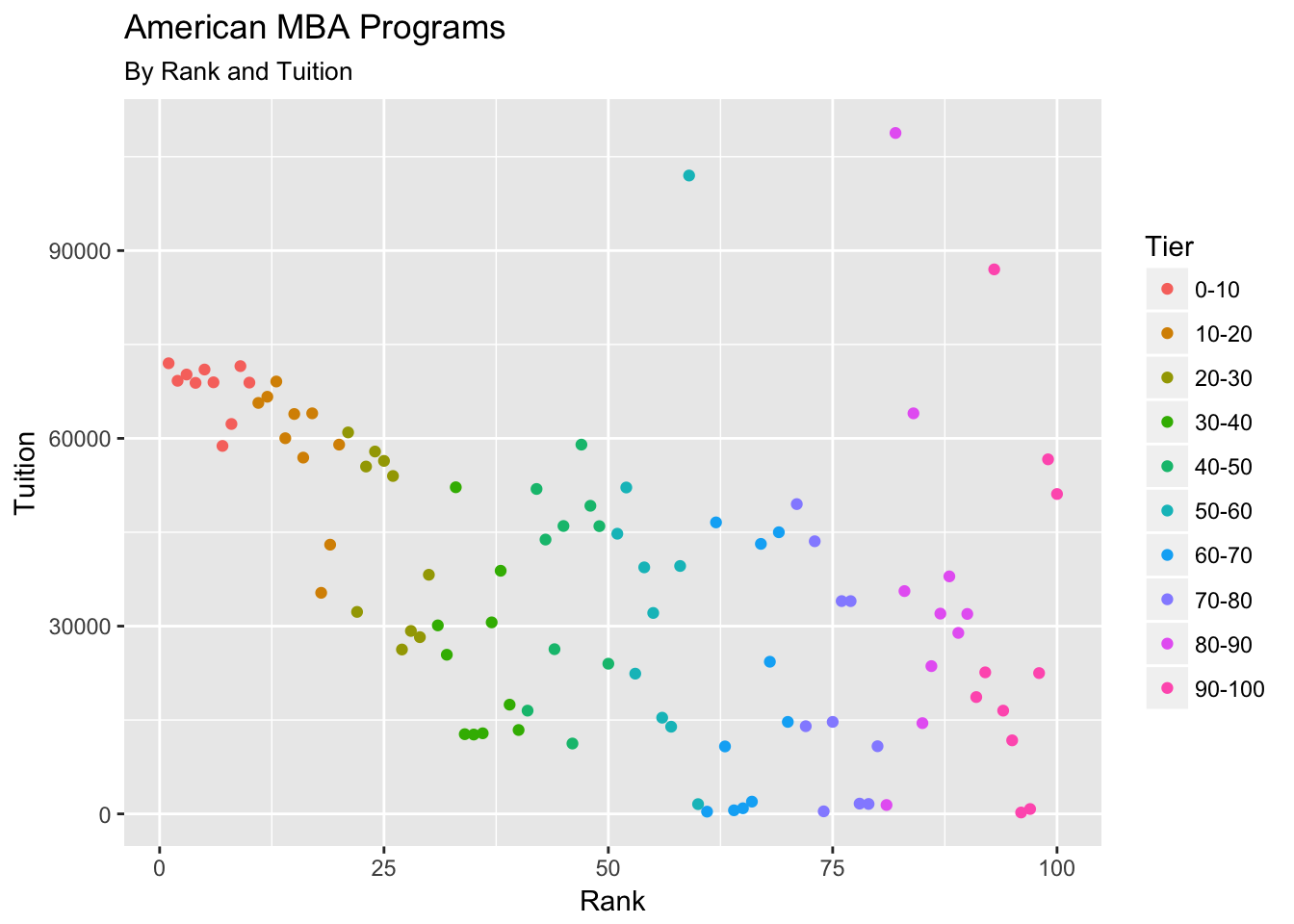
The cost of a top-tier MBA in 2026 can exceed $250,000 when accounting for tuition, fees, and living expenses over two years. Consequently, the U.S. News "Salary and Bonus" data has become the most scrutinized part of the report.
When evaluating a program's rank, savvy applicants look at the "Debt-to-Income" ratio. A school ranked #15 might actually offer a better ROI than a school ranked #5 if the tuition is significantly lower or if it offers more generous merit-based fellowships. In 2026, many public universities, such as the University of Michigan (Ross) and UVA (Darden), offer highly competitive rankings with the benefit of in-state tuition rates for residents, making them high-value alternatives to the expensive private M7 schools.
Beyond the Rankings: What U.S. News Doesn't Tell You
While the U.S. News rankings are a powerful tool, they have limitations. They are excellent at measuring "what" a school is (prestige, salary, scores) but poor at measuring "who" a school is (culture, community, and fit).
Cultural Alignment
A school's culture is not factored into the U.S. News algorithm. For example, some schools are known for a highly competitive, "cutthroat" environment, while others emphasize a collaborative, team-based approach. The rankings will not tell you if you will thrive in a rural campus setting like Dartmouth (Tuck) or an urban powerhouse like Columbia Business School.
Industry-Specific Strength
A school might be ranked #20 overall but be #1 in a specific niche. For instance, Michigan State (Broad) often ranks exceptionally high in Supply Chain Management, even if its overall ranking is lower than the Ivy League schools. If your goal is a very specific career path, industry-specific rankings are often more valuable than the general list.
Regional Influence
In 2026, regional brand equity remains strong. A top-ranked school in Texas, such as UT Austin (McCombs), might have a stronger alumni network and better recruiting ties within the energy and tech sectors in the Southwest than a higher-ranked school from the Northeast.
How to Use These Rankings for Your 2026 Application Strategy
To maximize the utility of the U.S. News rankings, applicants should use them as a categorization tool rather than a definitive "best-to-worst" list.
- Identify "Reach" Schools: These are programs ranked in the top 10 where your GMAT/GPA might be at or slightly below the median, but your professional experience is strong.
- Target "Match" Schools: Look at schools ranked 11-25 where your stats align perfectly with the U.S. News reported medians.
- Find "Safety" Schools: Identify programs ranked 26-50 that have strong placement records in your desired industry but offer a higher probability of admission and potential for scholarship.
By analyzing the data points behind the rank—specifically the acceptance rate and the average salary—you can build a balanced portfolio of applications that minimizes risk while maximizing your career potential.
Frequently Asked Questions
Does a school’s ranking in U.S. News affect my future salary?
While the ranking itself doesn't directly set your salary, it reflects the school's ability to attract top-tier employers. High-ranking schools (Top 15) typically have more "on-campus" recruiting events from high-paying industries like strategy consulting and private equity. These firms often have "core" schools where they offer standardized, high-end compensation packages.
Why do some schools drop in the rankings from year to year?
Minor fluctuations (1-3 spots) are usually due to small changes in the graduating class's employment data or a slight dip in the peer assessment score. Major drops (5+ spots) often occur if a school changes its reporting methodology, if there is a significant decline in its recruiter reputation, or if U.S. News updates its weighting—such as the recent shift toward giving more weight to post-grad outcomes.
Are the U.S. News online MBA rankings as credible as the full-time rankings?
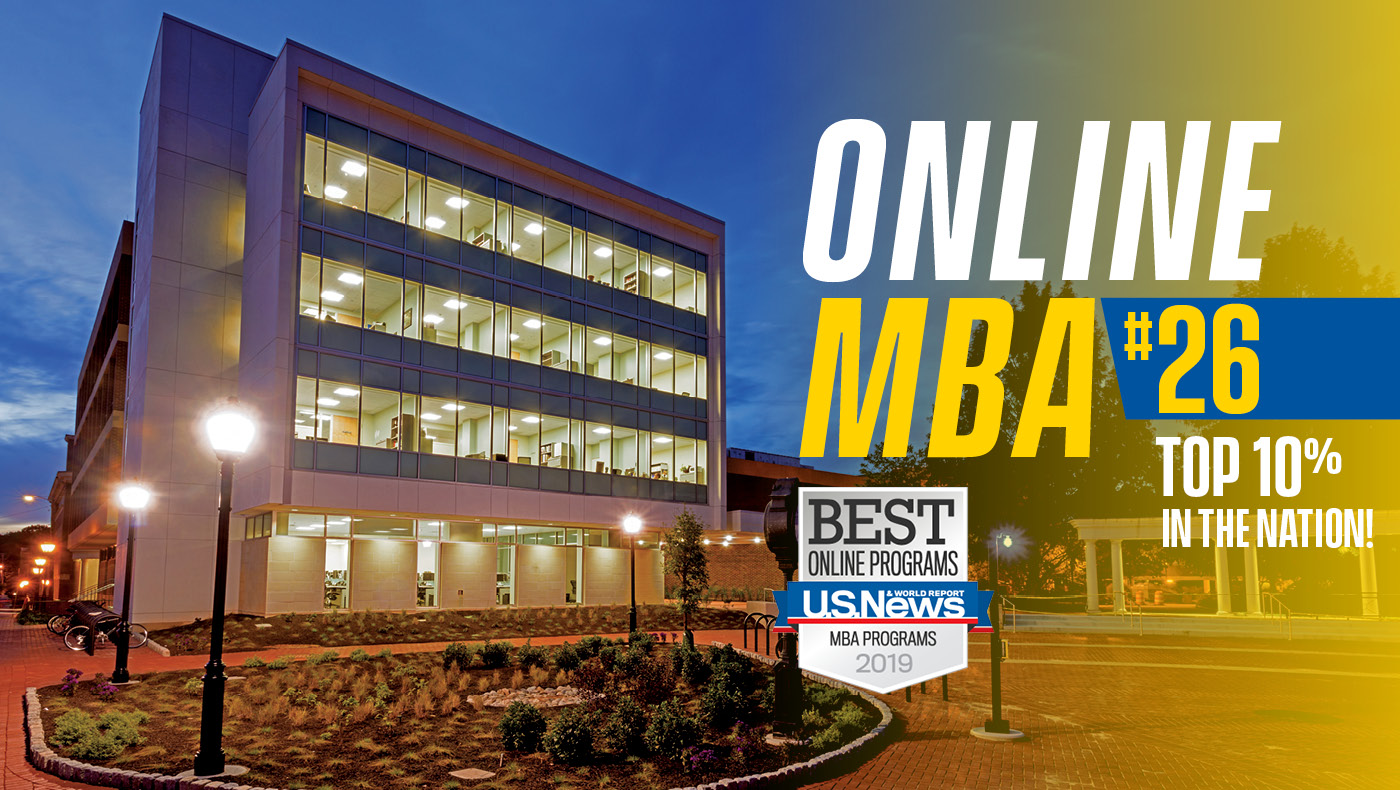
The Online MBA rankings are highly credible but use a completely different methodology. They focus more on "Engagement," "Services and Technologies," and "Faculty Credentials" rather than salary and GMAT scores. Because online students are usually mid-career and not "switching" jobs through a campus career center, salary data is a less effective measure of the program's quality.
Should I apply to a school if it isn't in the U.S. News Top 50?
Yes, depending on your goals. Schools outside the Top 50 can be excellent choices if they have a strong regional reputation, lower tuition, or specialized programs that match your career goals. However, if your goal is to work for a "Big Three" consulting firm or a global investment bank, you generally need to target schools within the Top 25.
Is the GMAT still important for U.S. News rankings in 2026?
Yes. Although "test-optional" remains a trend, the U.S. News methodology still awards points for high median GMAT and GRE scores under the "Student Selectivity" category. Consequently, schools have a strong incentive to admit students with high scores to maintain or improve their position in the rankings.
Practical Recommendation for Applicants
If you are applying for an MBA in 2026, do not rely on the "Rank" number alone. Instead, download the full U.S. News dataset and filter by "Starting Salary" and "Employment Rate 3 Months After Graduation." This will give you a much clearer picture of which schools are actually delivering on their promise of career transformation. Once you have a shortlist based on these outcomes, visit the campuses or attend virtual coffee chats to assess the "cultural fit," which the rankings cannot measure.
Image Gallery