Understanding "BID" in Medical Terminology: Definition, Dosage Schedules, and Safety
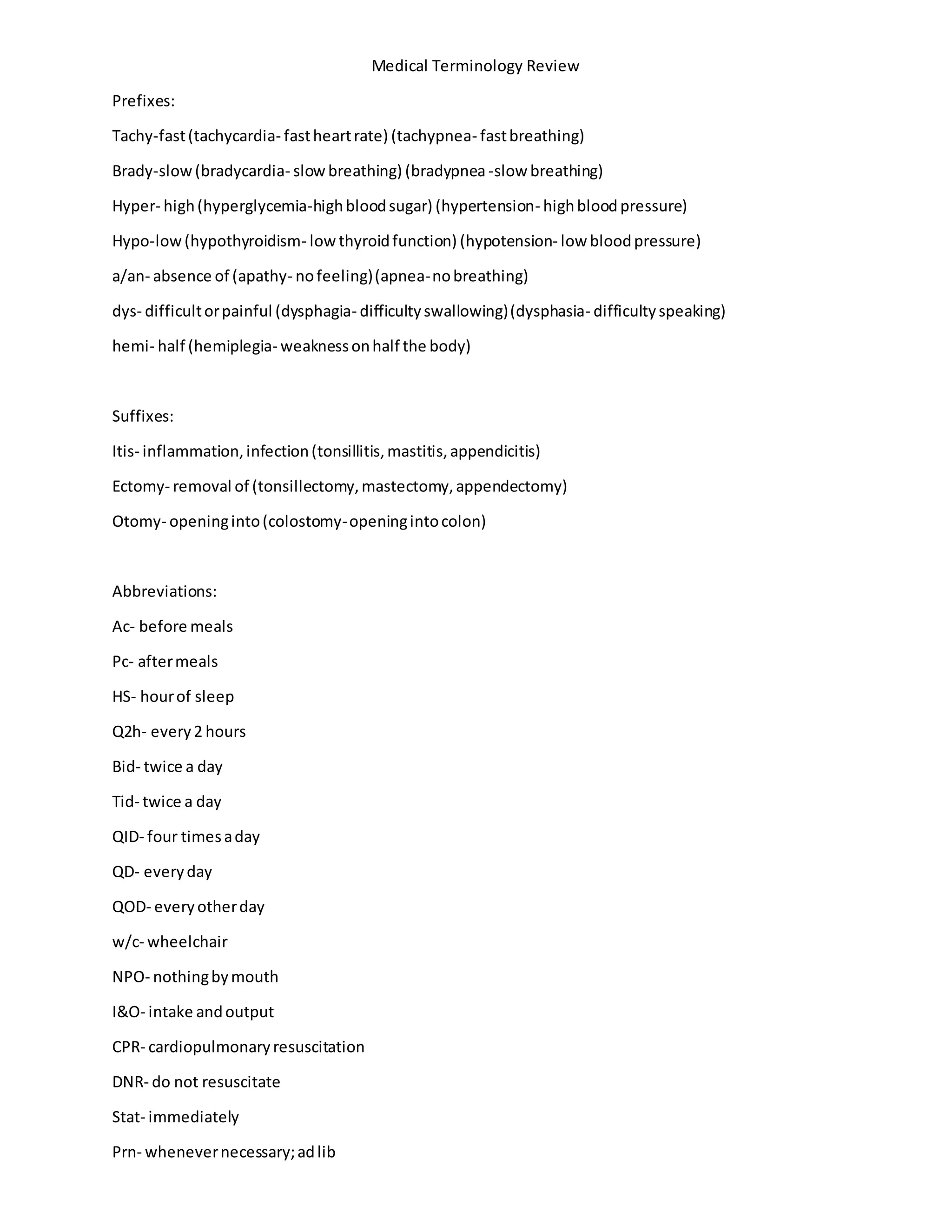
In medical terminology, BID (or b.i.d.) stands for the Latin phrase bis in die, which translates directly to "twice a day." Healthcare providers use this abbreviation on prescriptions, clinical charts, and medication administration rec...
In medical terminology, BID (or b.i.d.) stands for the Latin phrase bis in die, which translates directly to "twice a day." Healthcare providers use this abbreviation on prescriptions, clinical charts, and medication administration records to indicate that a drug, treatment, or diagnostic check should occur two times within a 24-hour period.
Contents
Disclaimer: This article is for educational purposes only and does not constitute formal medical advice. Patients should always follow the specific dosing instructions provided by their prescribing clinician or pharmacist.
Etymology and Meaning of B.I.D.
The abbreviation BID originates from classical medical Latin, a standard language long utilized across Western medicine to unify clinical documentation. The phrase bis in die breaks down into three distinct elements:
- Bis: Twice or two times.
- In: In or during.
- Die: Day (from the Latin noun dies).
On written orders, healthcare professionals may format the abbreviation in several ways, including b.i.d., b.i.d, BID, or bid. Regardless of capitalization or punctuation, the core instruction remains identical: execute the designated action twice within a single day.
Historically, Latin shorthand allowed physicians and apothecaries to communicate complex administration directives concisely across diverse geographic regions. While electronic health records (EHRs) and plain-language prescribing initiatives have reduced reliance on Latin abbreviations in recent years, BID remains one of the most widely recognized and frequently encountered shorthands in outpatient and inpatient clinical practice.
How B.I.D. Dosing Schedules Work in Clinical Practice
When a prescribing clinician writes BID on a prescription, the operational execution depends heavily on the specific pharmacokinetics of the drug, the patient's daily routine, and whether strict physiological timing is required.
Standard Awake-Hours Dosing vs. Fixed-Interval Dosing
For many general medications, a BID schedule means taking one dose in the morning and a second dose in the evening, aligned with the patient's normal waking hours. For example, a medication prescribed BID might be taken at 8:00 AM with breakfast and 8:00 PM with dinner. This roughly splits the waking day into manageable intervals without interrupting sleep.
However, clinical practice distinguishes between taking a medication twice within waking hours and taking a medication on a strict 12-hour interval schedule (often abbreviated as Q12H, for quaque 12 horae).
- General BID: Focuses on morning and evening administration (e.g., breakfast and dinner), allowing for slight flexibility (e.g., 10 to 14 hours between doses).
- Strict Q12H: Demands administration exactly 12 hours apart (e.g., precisely 7:00 AM and 7:00 PM) to maintain constant therapeutic blood levels.
Common Medication Categories Prescribed B.I.D.
A wide variety of pharmacological agents require twice-daily dosing to remain therapeutically effective:
- Antihypertensives: Certain blood pressure medications (such as short-acting beta-blockers like carvedilol or metoprolol tartrate) have half-lives requiring morning and evening doses to maintain smooth blood pressure control throughout 24 hours.
- Antibiotics and Antivirals: Antimicrobials such as amoxicillin-clavulanate or doxycycline are frequently prescribed BID to keep drug concentrations above the minimum inhibitory concentration (MIC) needed to eradicate pathogens.
- Analgesics and Anti-inflammatories: Nonsteroidal anti-inflammatory drugs (NSAIDs) like naproxen are often formulated for twice-daily administration to provide sustained pain relief for arthritis or musculoskeletal injuries.
- Antidiabetic Agents: Twice-daily insulins (such as premixed NPH combinations) or specific oral hypoglycemic agents are timed around major meals (e.g., morning and evening meals) to manage postprandial glucose spikes.
Comparing B.I.D. with Other Medical Frequency Abbreviations
To prevent administration errors, clinicians and patients must understand how BID compares with other standard frequency abbreviations used in prescribing.
B.I.D. vs. T.I.D. and Q.I.D.
The primary Latin frequency markers differ by the multiplier prefix:
- B.I.D. (bis in die): Twice a day (2 times total in 24 hours).
- T.I.D. (ter in die): Three times a day (3 times total in 24 hours, typically breakfast, lunch, and dinner).
- Q.I.D. (quater in die): Four times a day (4 times total in 24 hours, spaced throughout waking hours).
Selecting among BID, TID, and QID depends on the drug's elimination half-life—the time required for the concentration of the drug in the bloodstream to decrease by half. Drugs cleared rapidly by the liver or kidneys often require TID or QID administration, whereas drugs with longer half-lives can maintain efficacy with BID or QD (once daily) regimens.
B.I.D. vs. P.R.N.
It is critical to distinguish scheduled frequencies from conditional frequencies:
- B.I.D.: A fixed schedule requiring two doses every day regardless of current symptoms, unless explicitly specified otherwise by a physician.
- P.R.N. (pro re nata): As needed. A prescription marked "PRN BID" means the patient may take the medication up to two times a day if symptoms (such as pain, nausea, or anxiety) warrant it, but doses are not mandatory if symptoms are absent.
Safety Standards, Potential Errors, and Modern Prescribing Guidelines
Although traditional Latin abbreviations streamline clinical entry, ambiguous handwriting and confusing acronyms historically contributed to medication errors. As a result, major healthcare standards organizations have issued strict guidelines regarding frequency terminology.
Regulatory and Organizational Oversight
The Institute for Safe Medication Practices (ISMP) and The Joint Commission continuously review medical terminology to eliminate high-risk abbreviations.
While b.i.d. is not currently on The Joint Commission's official "Do Not Use" list (unlike abbreviations such as Q.D. or Q.O.D., which are easily confused with each other), safe-prescribing guidelines strongly encourage using explicit plain English on patient-facing labels.
Confusing Standard (Legacy): "Take 1 tab PO BID" Patient-Safe Standard (Modern): "Take 1 tablet by mouth two times daily (morning and evening)"
Common Sources of Misinterpretation
- Confusion between Q.D. and B.I.D.: In handwritten orders, a poorly written "Q.D." (once daily) can look like "B.I.D." (twice daily), leading to accidental doubling of the intended daily dosage. This visual similarity is why "Q.D." is strictly prohibited by The Joint Commission, requiring clinicians to write "daily" instead.
- Timing Overlaps: If a patient takes their morning BID dose late (e.g., at 1:00 PM), taking the second dose at 6:00 PM creates an abbreviated window of only 5 hours between doses, potentially causing elevated drug levels and toxicity.
- Food Interactions: When BID orders specify taking medication "with meals," patients who skip breakfast or dinner may delay or skip doses inappropriately, impacting therapeutic efficacy.
Prescribing Frequency Reference Guide
The table below summarizes common prescribing abbreviations, their Latin origins, standardized English meanings, and typical administration timings used in hospital and pharmacy settings.
| Abbreviation | Latin Term | Standard English Meaning | Typical Hospital Schedule | Primary Clinical Purpose |
|---|---|---|---|---|
| B.I.D. / bid | Bis in die | Twice a day | 09:00 and 17:00 (or 08:00 & 20:00) | Sustained day-long therapeutic level |
| Q12H | Quaque 12 horae | Every 12 hours | 07:00 and 19:00 (strict interval) | Precise antimicrobial or analgesic control |
| T.I.D. / tid | Ter in die | Three times a day | 09:00, 13:00, and 17:00 | Short half-life management |
| Q.I.D. / qid | Quater in die | Four times a day | 09:00, 13:00, 17:00, and 21:00 | Rapidly cleared acute medications |
| Q.D. / qd (Prohibited) | Quaque die | Once daily (Use "daily") | 09:00 | Long half-life maintenance therapy |
| P.R.N. / prn | Pro re nata | As needed | Dependent on symptom onset | Symptom-driven relief (pain, nausea) |
| Q.A.M. | Quaque ante meridiem | Every morning | 08:00 | Diuretics, morning hormones, stimulants |
| Q.H.S. | Quaque hora somni | Every night at bedtime | 21:00 or 22:00 | Sedatives, night-time blood pressure agents |
Practical Patient Guide: Managing Twice-Daily Medications
For patients prescribed a twice-daily medication, maintaining consistency is essential for achieving optimal health outcomes while minimizing side effects.
What to Do If a Dose Is Missed
Missing a dose of a BID medication is a common challenge. Standard pharmacological advice typically follows these guidelines:
- Take it when remembered (if early): If you remember within a few hours of the scheduled time, take the missed dose immediately.
- Skip if close to the next dose: If it is almost time for your second scheduled dose, skip the missed dose entirely and resume your normal schedule.
- Never double up: Taking two doses at once to make up for a missed dose can cause dangerous drug spikes and severe side effects.
- Consult your pharmacist: When in doubt regarding narrow therapeutic index drugs (such as warfarin, digoxin, or antiepileptic agents), contact your healthcare provider or pharmacist directly for tailored advice.
Strategies for Adherence
Maintaining a strict 12-hour or morning/evening schedule requires practical routines:
- Anchor Doses to Daily Habits: Pair your morning dose with toothbrushing or morning coffee, and pair your evening dose with preparing dinner or bedtime routines.
- Use Pill Organizers: Weekly pill boxes with designated "AM" and "PM" compartments eliminate guesswork about whether a dose was taken.
- Set Smartphone Alarms: Setting two recurring daily alarms spaced 12 hours apart ensures consistent reminders regardless of daily activities.
- Review Medication Labels: Always inspect pharmacy labels to check whether the medication must be taken with food, on an empty stomach, or away from specific supplements (such as calcium or iron).
Frequently Asked Questions
Does B.I.D. mean exactly every 12 hours?
Not necessarily. While some medications (like strict antibiotics marked Q12H) require exact 12-hour spacing, general BID instructions usually mean twice within your normal waking day—typically once in the morning and once in the evening, spaced roughly 8 to 12 hours apart.
Can I take both B.I.D. doses at the same time if I forget the morning dose?
No. Taking both doses simultaneously doubles the dosage in your system at one time, which significantly increases the risk of toxicity, low blood pressure, severe drowsiness, or stomach upset depending on the drug. Skip the missed dose and resume your regular timing.
Why do pharmacies print "Take twice daily" instead of "BID" on pill bottles?
Modern pharmacy regulations require prescription container labels to use clear, un-abbreviated English so that patients can easily understand their instructions. This practice minimizes confusion and reduces medication errors at home.
Is B.I.D. the same as taking a medication every 8 hours?
No. Taking a medication every 8 hours requires three total doses in a 24-hour period (which is abbreviated as T.I.D. or Q8H). A BID schedule requires only two total doses per 24 hours.
What does "BID PRN" mean on a prescription?
"BID PRN" means you may take the medication as needed, up to a maximum of two times in a 24-hour period. If you do not experience symptoms, you do not need to take the medication at all.
Recommended Next Steps
If you receive a new prescription marked with BID, b.i.d., or "twice daily," take the following proactive steps before leaving the clinic or pharmacy:
- Clarify the Timing Window: Ask your pharmacist whether the drug requires strict 12-hour spacing or simply morning and evening administration during waking hours.
- Check Food Requirements: Confirm whether each dose should be taken with meals, after meals, or on an empty stomach with a full glass of water.
- Review Potential Interactions: Ensure your doctor and pharmacist have an updated list of all over-the-counter supplements, vitamins, and other prescription medications you take to avoid adverse interactions.
- Establish a Reminder System: Fill a dual-compartment (AM/PM) pill organizer or program phone alarms to keep your routine consistent from day one.
Image Gallery