Teddy Williams NFL Career Overview: The Journey of a Track Star Turned Special Teams Ace
Teddy Williams enjoyed a nine-season NFL career (2010–2018) primarily as a cornerback and special teams specialist. Despite never playing college football, the UTSA track standout utilized his world-class speed to play for seven differ...
Teddy Williams enjoyed a nine-season NFL career (2010–2018) primarily as a cornerback and special teams specialist. Despite never playing college football, the UTSA track standout utilized his world-class speed to play for seven different franchises, most notably appearing in Super Bowl 50 with the Carolina Panthers and establishing himself as a premier "gunner" on punt coverage.
Contents
Professional football is often a game of pedigree and linear progression, but the career of Teddy Williams represents a fascinating outlier. Standing 6'1" and weighing approximately 200 pounds, Williams did not take the traditional route of high school stardom followed by a four-year collegiate starting role. Instead, he transitioned from a world-class sprinter to a functional NFL defender through sheer physical attributes and specialized utility. As of 2026, his career remains a case study for NFL scouts on how elite raw speed can be harnessed to fill specific roster needs, even in the absence of a traditional football background.
From the Track to the Gridiron: The UTSA Legacy
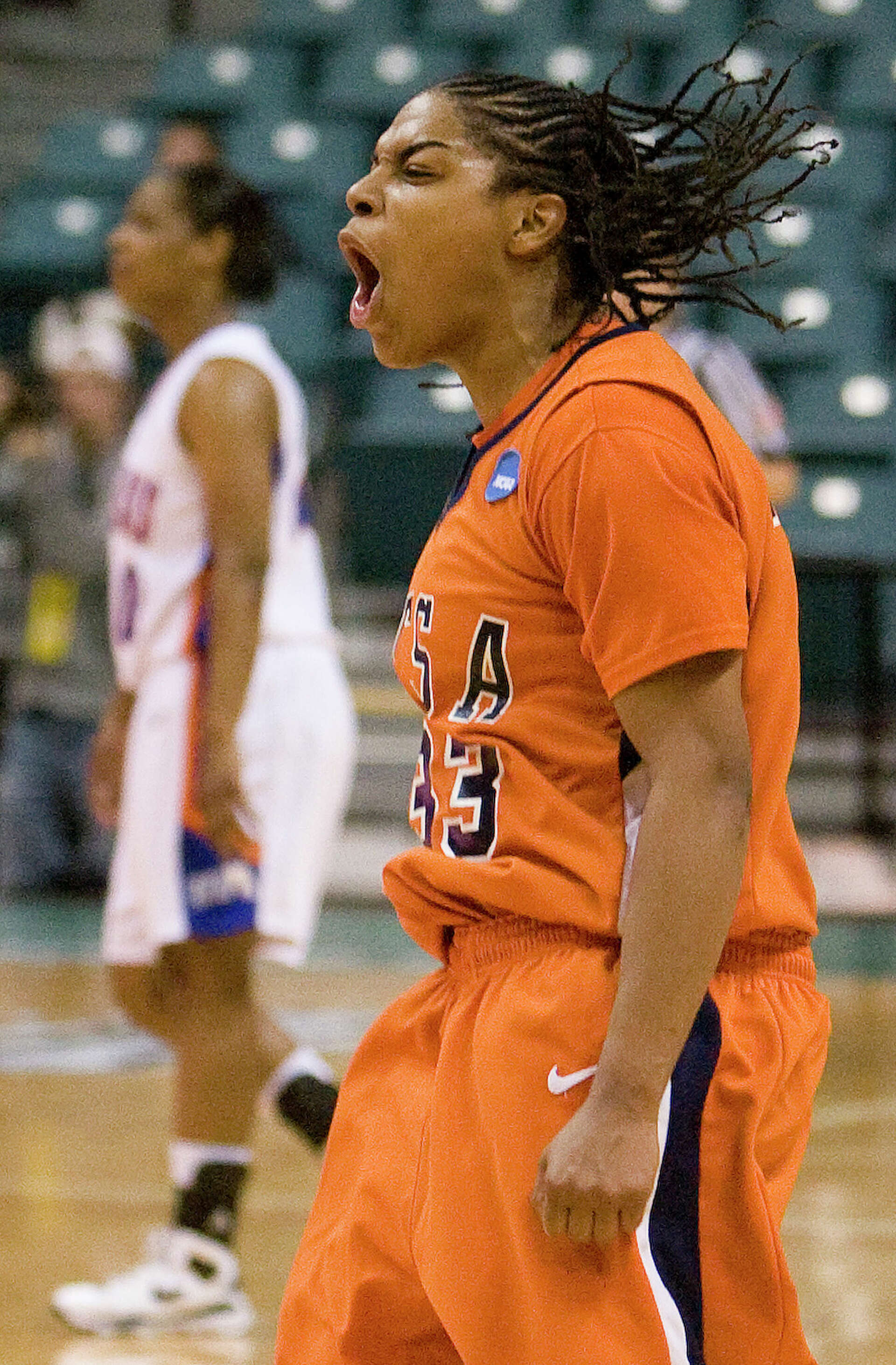
The foundation of Teddy Williams’ NFL career was laid not on the football field, but on the polyurethane lanes of track and field stadiums. Attending the University of Texas at San Antonio (UTSA), Williams was a four-time All-American sprinter. His accolades were not merely collegiate-level impressive; they were Olympic-caliber. In 2009, he ran a wind-aided 100-meter dash in 9.90 seconds, which at the time was one of the fastest times ever recorded by a collegiate athlete.
During his tenure at UTSA, the university did not yet have a football program (it would not launch until 2011). Consequently, Williams focused entirely on track. However, his physical profile—blending height, wingspan, and elite acceleration—caught the attention of NFL scouts who were constantly searching for developmental projects with "uncapped" ceilings. The transition from a non-football athlete to a professional player is a high-risk endeavor for any front office, requiring the player to learn the nuances of padding, contact, and complex defensive schemes from scratch.
The Dallas Cowboys Experiment (2010–2012)
The Dallas Cowboys, under owner Jerry Jones, have a historical penchant for elite athletes and "diamond in the rough" prospects. Following the conclusion of his track eligibility, Williams was invited to the Cowboys’ training camp in 2010 as an undrafted free agent. The signing generated significant regional buzz, as Williams was effectively a "project" player with zero game film.
His early years in Dallas were defined by the practice squad. Williams had to learn the mechanics of the cornerback position—backpedaling, hip fluidity, and zone spacing—while simultaneously adapting to the violence of professional football. His speed made him an immediate asset on the scout team, where he could mimic the fastest receivers in the league to help the Cowboys' starting secondary prepare. He made his NFL debut on special teams, a phase of the game where his straight-line speed could be weaponized without the immediate need for complex defensive reads.
Navigating the NFL Journeyman Path (2012–2014)
Between 2012 and 2014, Williams embodied the "journeyman" label, moving between several organizations as teams attempted to find a permanent home for his speed. This period of his career was a test of professional resilience, characterized by short-term contracts and frequent moves.
- Indianapolis Colts (2012): Williams saw brief action with the Colts, continuing his development as a defensive back.
- Arizona Cardinals (2013): In Arizona, Williams began to find more consistent opportunities on special teams. He appeared in three games, providing depth in a secondary that was becoming one of the league's most aggressive units.
- Chicago Bears and Jacksonville Jaguars (2014): His 2014 season was split, reflecting the volatile nature of the "bottom of the roster" life in the NFL. Despite the lack of stability, his reputation as a high-effort special teams player began to solidify.
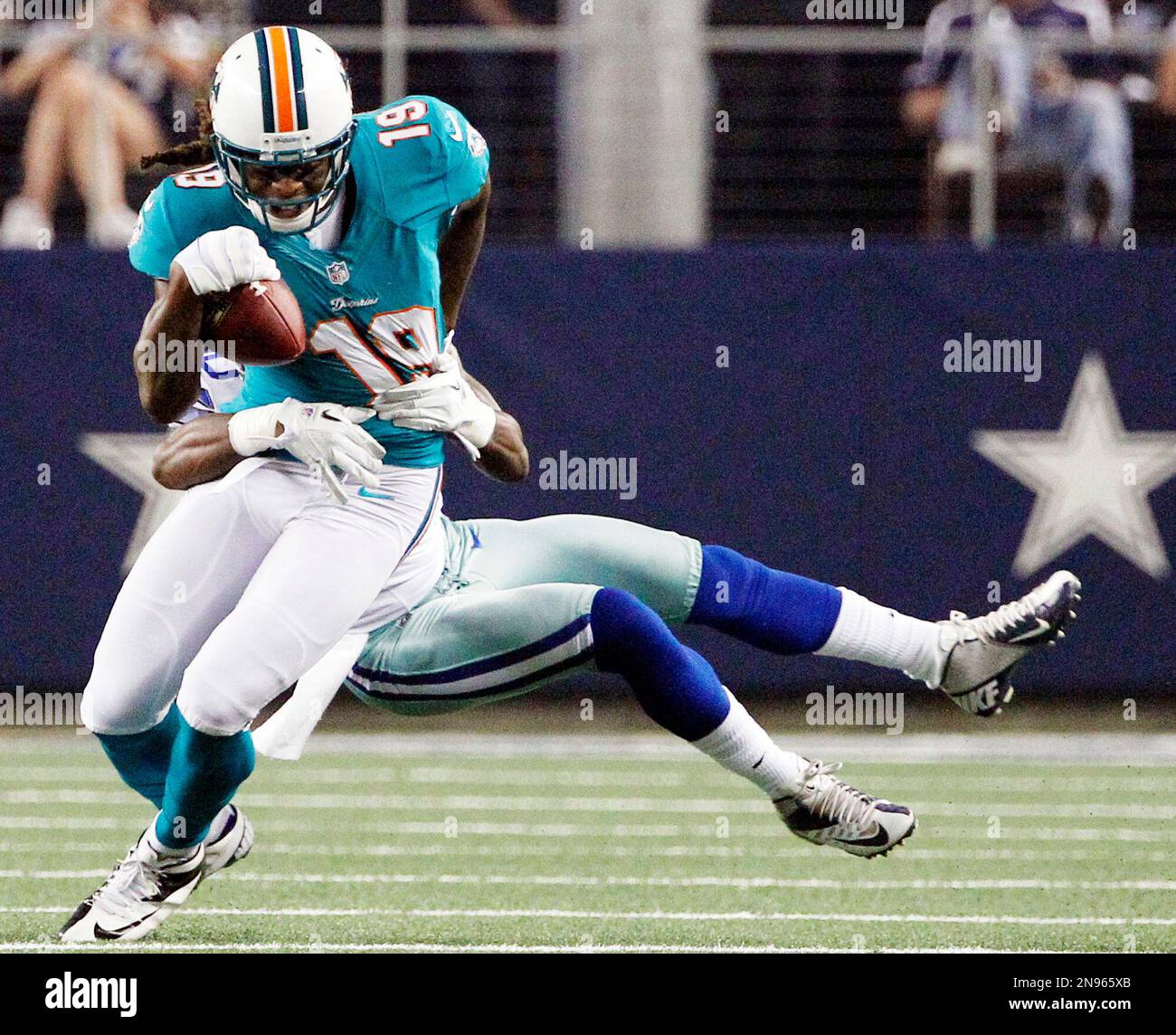
During these years, Williams' primary value was his ability to cover punts and kickoffs. In the NFL, the "gunner" role requires a player to sprint downfield, beat two blockers (often a "vice" double-team), and either force a fair catch or make an open-field tackle. Williams’ track background gave him a distinct advantage in the initial 40 yards of these plays.
The Peak: Carolina Panthers and Super Bowl 50 (2015–2016)
The most stable and successful chapter of Teddy Williams' career occurred with the Carolina Panthers. Joining the team in 2015, Williams found a coaching staff, led by Ron Rivera, that maximized his specific skill set. The 2015 Panthers were a dominant force, finishing the regular season 15–1.
Williams played in all 16 regular-season games in 2015, the first time in his career he achieved full-season availability. While he remained a depth piece at cornerback, he was a cornerstone of the special teams unit. His presence contributed to a coverage unit that consistently pinned opponents deep in their own territory. This season culminated in an appearance in Super Bowl 50 against the Denver Broncos. While the Panthers did not win the championship, Williams' journey from a non-football track star to a Super Bowl participant remains one of the more remarkable developmental stories in recent NFL history.
In 2016, he continued with the Panthers, appearing in 10 games. It was during this time that he recorded his first career interception against the New Orleans Saints, a moment that validated his years of transition from an "athlete" to a "football player."
Late-Career Stints and Professional Retirement
Following his time in Carolina, Williams had a brief stint with the New York Giants in 2018. However, injuries and the natural progression of younger prospects eventually led to his exit from the league. By the time he retired, Williams had defied the odds of the average NFL career length, which typically hovers around three years, by remaining a viable roster option for nearly a decade.
His retirement marked the end of a unique era. Williams proved that while "football IQ" and experience are vital, there is a persistent premium placed on "uncoachable" speed. In the years since his departure, teams have continued to look for "the next Teddy Williams," though few have managed to maintain a career as long as his without prior collegiate football experience.
Technical Profile: Evaluating Speed and Special Teams Value
To understand why Teddy Williams stayed in the NFL for nine seasons, one must look at the technical requirements of a Special Teams Ace. Coaches often divide special teams players into "blockers" and "fliers." Williams was a quintessential flier.
- Release Mechanics: Off the line of scrimmage on a punt, Williams used a "track start" stance. This allowed him to reach top speed faster than almost any other player in the league.
- Avoidance and Shedding: Unlike many track stars who shy away from contact, Williams developed the hand-fighting techniques necessary to "rip" through defenders who tried to hold him at the line.
- Containment: Speed is useless if the player overruns the returner. Williams' career progression showed a marked improvement in his "breakdown" distance—the point at which a player slows down to prepare for a tackle.
- Defensive Versatility: While primarily a cornerback, his speed allowed him to play "trailing" coverage, where he could purposefully stay a step behind a receiver, knowing his closing speed would allow him to contest the catch at the last micro-second.
NFL Career Summary and Key Statistics
The following table outlines the trajectory of Teddy Williams' career across various franchises and his primary contributions.
| Season | Team | Games Played | Primary Role | Notable Achievement |
|---|---|---|---|---|
| 2010-2011 | Dallas Cowboys | 0 (Practice Squad) | Developmental CB | Signed with zero college football experience. |
| 2012 | Indianapolis Colts | 3 | Special Teams / CB | NFL debut after two years of development. |
| 2013 | Arizona Cardinals | 3 | Special Teams | Established reliability as a depth specialist. |
| 2014 | Chicago Bears | 2 | Special Teams | Navigated mid-season roster transitions. |
| 2014 | Jacksonville Jaguars | 3 | Special Teams | Recorded multiple solo tackles on coverage. |
| 2015 | Carolina Panthers | 16 | Special Teams Ace | Played in Super Bowl 50; 15-1 regular season. |
| 2016 | Carolina Panthers | 10 | CB / Special Teams | Recorded 1st career NFL Interception. |
| 2018 | New York Giants | 1 | Special Teams | Final active season in the NFL. |
Note: Statistics represent regular-season appearances. Williams also appeared in multiple playoff games with the 2015 Carolina Panthers.
Frequently Asked Questions
Did Teddy Williams play any college football?
No, Teddy Williams did not play football at the University of Texas at San Antonio (UTSA). He was a standout track and field athlete. UTSA did not have a football program during his time there, making his transition to the NFL as an undrafted free agent in 2010 extremely rare. He is often cited alongside players like Antonio Gates as athletes who successfully transitioned to the NFL from other sports.
How fast was Teddy Williams compared to other NFL players?
Williams was significantly faster than the average NFL player. At UTSA, he recorded a 9.90-second 100-meter dash (wind-aided). For context, an elite NFL speedster typically runs a 40-yard dash in the 4.3s or 4.2s range; Williams’ track times suggested he possessed speed that sat at the very top of the league's history, comparable to Olympic-level sprinters like Tyreek Hill or Bob Hayes.
What was Teddy Williams' most successful season?
His most successful season was 2015 with the Carolina Panthers. He appeared in every regular-season game, recording nine tackles and a fumble recovery on special teams. He was a vital part of the unit that helped the Panthers reach Super Bowl 50. This season marked his highest level of consistency and his deepest postseason run.
Why did Teddy Williams play for so many different teams?
Williams was a "specialist." In the NFL, players who primarily play special teams are often subject to roster turnover as teams look for younger, cheaper talent or change their schematic approach. Because his value was tied to his elite speed and gunner abilities rather than a starting role at cornerback, he was frequently picked up by contending teams looking to bolster their coverage units for a playoff push.
What position did Teddy Williams play on defense?
Williams was officially listed as a Cornerback (CB). While the majority of his snaps came on special teams (punts and kickoffs), he served as a depth cornerback. His size and speed made him an ideal candidate for "Man-to-Man" coverage schemes where he could use his recovery speed to mitigate any technical errors in his footwork.
Practical Recommendation for Scouting Enthusiasts
For those studying NFL roster construction, Teddy Williams serves as the gold standard for the "Speed Project" archetype. When evaluating modern prospects with track backgrounds, observers should look for the "Williams Trait"—the willingness to embrace the unglamorous, high-impact world of special teams. His career demonstrates that elite athleticism can grant a foot in the door, but technical refinement in special teams is what provides professional longevity.
Image Gallery