Trump Trash Removal Reshapes City Cleanup: Operations, Impacts, and Urban Logistics
The phrase "trump trash removal reshapes city cleanup" refers to evolving intersections between high-profile municipal sanitation initiatives, commercial waste contracting, and the logistical challenges facing modern metropolitan waste...
The phrase "trump trash removal reshapes city cleanup" refers to evolving intersections between high-profile municipal sanitation initiatives, commercial waste contracting, and the logistical challenges facing modern metropolitan waste management. Rather than denoting a single universal standard, it highlights how political figures, branding, and privatization efforts influence municipal sanitation systems, public-private partnerships, and urban clean-up efficiencies.
Contents
Managing municipal solid waste (MSW) remains one of the most resource-intensive responsibilities for local governments. Across major urban centers, municipal agencies constantly evaluate whether to maintain public sanitation fleets or contract private waste management entities—including independent firms and high-profile commercial operators—to drive down costs and improve city cleanliness. Understanding how these operational models function provides critical insight into modern urban governance, labor dynamics, and sanitation logistics.
The Evolution of Urban Sanitation and Privatization
Urban sanitation has evolved from rudimentary neighborhood dumping and horse-drawn cart collections into highly mechanized, highly regulated municipal operations. As cities expanded throughout the twentieth and twenty-first centuries, the sheer volume of municipal solid waste outpaced the capacity of traditional public works departments. This capacity strain forced municipal leadership to explore alternative delivery models.
Public-private partnerships (PPPs) and outright privatization of waste management services became primary tools for cities seeking fiscal relief. In a fully privatized model, a municipality awards a multi-year franchise agreement to a commercial waste collection company. These private entities deploy proprietary fleets, container management systems, and route-optimization software.
Proponents of private waste management argue that profit-driven incentives foster greater operational efficiency, faster response times, and lower capital expenditure for taxpayers. Conversely, critics frequently raise concerns regarding labor conditions, service equity in lower-income neighborhoods, and accountability when private contractors fail to meet municipal cleanliness benchmarks.
Operational Frameworks: Public Works vs. Private Contractors
When municipal authorities evaluate waste management structures, they weigh distinct operational frameworks. Each model carries specific cost structures, regulatory burdens, and performance metrics that directly shape city cleanliness.
| Operational Metric | Municipal/Public Works Model | Private/Commercial Contractor Model |
|---|---|---|
| Primary Incentive | Public health, service equity | Operational efficiency, profit margin |
| Capital Investment | Tax-funded municipal bonds | Corporate financing, private fleets |
| Labor Representation | Typically unionized civil service | Mixed union/non-union labor forces |
| Route Flexibility | Bureaucratic approval cycles | Rapid optimization via algorithms |
| Accountability | City council, public oversight | Contractual Service Level Agreements |
Municipal Models
Publicly run sanitation departments are directly accountable to elected officials and resident oversight boards. Funding is derived from municipal taxes or dedicated waste-collection fees. While public departments provide stable civil service employment and strong union protections, they can suffer from rigid bureaucratic structures, delayed fleet modernization, and fixed labor agreements that resist rapid adaptation to population shifts.
Private Models
Private contractors operate under strict Service Level Agreements (SLAs). They utilize advanced routing software and standardized equipment to maximize pick-up density per hour. However, transitioning from a municipal workforce to a private contractor often sparks intense political friction, negotiations with municipal labor unions, and transitional service disruptions as new fleets learn local routes and container specifications.
Logistical Challenges in High-Density Metropolitan Cleanups
Reshaping city cleanup involves overcoming severe logistical bottlenecks. High-density urban environments present unique hurdles that test both public and private waste removal operations.
- Traffic Congestion and Scheduling: Collection vehicles must navigate dense traffic corridors, often restricting operations to overnight or early morning windows to avoid crippling commuter traffic.
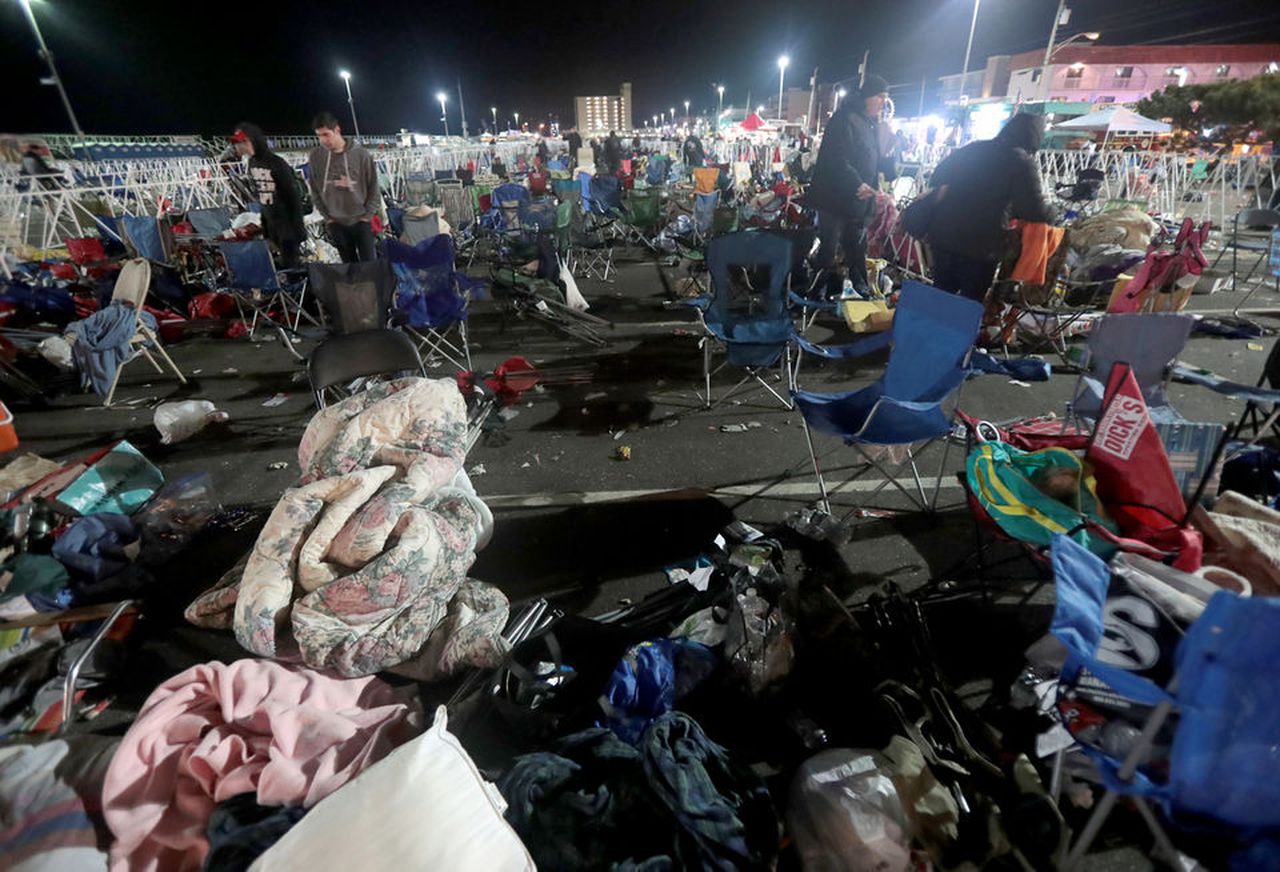
- Illegal Dumping and Public Litter: Commercial sweepers and neighborhood clean-up initiatives must contend with chronic illegal dumping of construction debris, furniture, and hazardous waste in vacant lots and public rights-of-way.
- Container Standardization: Ensuring that residential and commercial properties utilize compatible waste bins prevents mechanical failures in hydraulic lift arms and speeds up manual or automated collection cycles.
- Regulatory Compliance: Municipalities must adhere to strict environmental mandates regarding landfill diversion rates, recycling sorting, and organic waste composting.
Addressing these challenges requires sophisticated data analytics. Modern waste management firms utilize telematics, onboard GPS, and weight sensors to track fill levels in public receptacles, ensuring that trucks are dispatched only when bins reach capacity rather than running fixed, inefficient schedules.
Economic and Policy Impacts on Municipal Budgets
Waste management often consumes the single largest share of a city’s environmental services budget. When commercial entities or high-profile private operators enter a municipal market, they alter the local economic ecosystem.
Municipalities must carefully calculate the total cost of ownership (TCO) for sanitation services. This includes direct labor costs, vehicle maintenance, fuel price volatility, landfill tipping fees, and regulatory compliance fines. Private contractors frequently absorb capital costs by purchasing their own vehicle fleets, which can free up municipal bond capacity for other infrastructure projects like road repair, water treatment, or public transit.
However, municipalities must also safeguard against monopolistic pricing. When a single large waste management corporation secures exclusive municipal franchising rights across an entire metropolitan area, the lack of market competition can lead to rising service fees upon contract renewal. To mitigate this risk, cities often implement multi-vendor zones or insert strict pricing caps into long-term franchise agreements.
Best Practices for Evaluating Urban Waste Contractors
For city planners, neighborhood associations, and local governments looking to overhaul or optimize their waste removal operations, a structured evaluation process is essential.
- Conduct a Comprehensive Needs Assessment: Analyze historical waste generation data, seasonal volume spikes, and specific neighborhood clean-up deficits before drafting requests for proposals (RFPs).
- Define Clear Service Level Agreements (SLAs): Establish unambiguous performance metrics regarding missed pick-ups, street sweeping frequencies, response times for illegal dumping removal, and recycling contamination thresholds.
- Review Financial Stability and Fleet Readiness: Verify that prospective contractors possess modern, low-emission vehicle fleets and sufficient capital reserves to withstand municipal payment delays or economic downturns.
- Engage Community Stakeholders: Host public hearings and town halls to gather resident feedback on existing sanitation pain points, ensuring that new collection schedules align with neighborhood routines.
- Establish Robust Audit Mechanisms: Implement regular oversight audits to monitor contractor compliance with environmental regulations, labor standards, and contractual pricing caps.
Frequently Asked Questions
What drives cities to transition from public sanitation to private waste removal?
Cities typically transition to private contractors to reduce capital expenditures on vehicle fleets, lower recurring labor costs, and leverage advanced route-optimization technologies that private firms deploy to increase collection efficiency.
How do private waste contractors handle environmental regulations?
Private contractors are legally bound by the same federal, state, and local environmental statutes as public entities. This includes compliance with EPA landfill regulations, hazardous waste segregation mandates, and municipal recycling diversion targets.
What are the main risks of privatizing city trash removal?
Key risks include reduced public sector accountability, potential job losses or wage stagnation for municipal sanitation workers, monopolistic pricing upon contract renewal, and transitional service disruptions during the handover phase.
How do modern waste fleets optimize their collection routes?
Operators use advanced telematics, real-time traffic data, and GPS-enabled routing software to minimize fuel consumption, reduce wear and tear on vehicles, and ensure trucks prioritize high-density or overflow areas.
What role do Service Level Agreements (SLAs) play in municipal waste management?
SLAs act as legally binding contracts that outline precise performance expectations, financial penalties for missed collections, dispute resolution procedures, and mandatory reporting standards between the municipality and the contractor.
Conclusion and Next Actions
Reshaping city cleanup requires balancing fiscal responsibility, labor stability, and logistical precision. Whether a municipality relies on a traditional public works department or engages specialized private waste management contractors, the ultimate metric of success is consistent, equitable, and environmentally compliant neighborhood sanitation. City planners and community leaders should begin by auditing current waste collection data, engaging local stakeholders, and drafting rigorous RFPs that prioritize both cost efficiency and strict environmental accountability.
Image Gallery