Black Population in Anchorage, Alaska: Demographics, History, and Community Trends for 2026
As of 2026, the Black and African American population in Anchorage, Alaska, remains a significant and culturally influential demographic, comprising approximately 5.4% to 6% of the city’s total population. This community is characteriz...
As of 2026, the Black and African American population in Anchorage, Alaska, remains a significant and culturally influential demographic, comprising approximately 5.4% to 6% of the city’s total population. This community is characterized by its strong ties to the military, a history of resilience in the subarctic, and a concentrated presence in some of the most ethnically diverse neighborhoods in the United States.
Contents
Understanding the Demographic Landscape in 2026
Anchorage is frequently cited as one of the most diverse cities in the United States, a fact that often surprises those from the "Lower 48." Within this multicultural tapestry, the Black population holds a unique position. According to data derived from the U.S. Census Bureau and local municipal updates leading into 2026, roughly 16,000 to 18,000 residents in Anchorage identify as Black or African American alone. When accounting for those who identify as multi-racial (Black in combination with Alaska Native, White, or Asian), the percentage climbs significantly higher.
The growth of this demographic has remained relatively stable over the last decade, mirroring the general population trends of the Municipality of Anchorage. Unlike many urban centers in the southern or eastern United States, the Black community in Anchorage is not defined by centuries of ancestral residency in the region. Instead, it is a population shaped by mid-20th-century migration, federal employment, and the enduring presence of the military.
Comparison of Anchorage Demographics (Estimated 2026)
To understand where the Black population fits within the broader context of Anchorage, it is helpful to view the city's racial composition side-by-side.
| Race/Ethnicity | Percentage of Population (Approx.) | Primary Neighborhood Concentrations |
|---|---|---|
| White (Non-Hispanic) | 54.2% | South Anchorage, Hillside, West Anchorage |
| Alaska Native / American Indian | 9.1% | Northeast Anchorage, Mountain View |
| Asian | 9.8% | Midtown, Sand Lake, Northeast Anchorage |
| Black or African American | 5.6% | Mountain View, Fairview, Northeast Anchorage |
| Hispanic or Latino (Any Race) | 9.5% | Spenard, Fairview, Abbott Loop |
| Two or More Races | 10.2% | Distributed city-wide |
Historical Origins and Migration Patterns
The history of the Black population in Anchorage is inextricably linked to the development of Alaska as a strategic military and economic frontier. Before the 1940s, the Black population in Alaska was negligible. The catalyst for change was World War II and the subsequent Cold War.
The Military Catalyst
The construction of the Alaska Highway (ALCAN) in the 1940s saw the deployment of thousands of Black soldiers from the U.S. Army Corps of Engineers. Despite facing systemic segregation within the military at the time, these soldiers were instrumental in carving out the infrastructure that connected Alaska to the rest of the continent. Following the war, many veterans chose to stay or return to Anchorage, drawn by the high wages of the construction boom and the relatively less oppressive social climate compared to the Jim Crow South.
The Oil Boom and Economic Migration
The discovery of oil on the North Slope in the late 1960s and the subsequent construction of the Trans-Alaska Pipeline in the 1970s triggered another wave of migration. Black workers from across the U.S. moved to Anchorage to occupy roles in logistics, engineering, and public service. This period solidified the "middle-class" character of much of Anchorage’s Black community, as many families were supported by high-paying union jobs or government positions.
Geographic Distribution and "The Most Diverse Zip Code"
In Anchorage, the Black population is not distributed evenly across the 1,900 square miles of the municipality. Instead, there are historical and socioeconomic clusters that have created vibrant community hubs.
Mountain View and Fairview
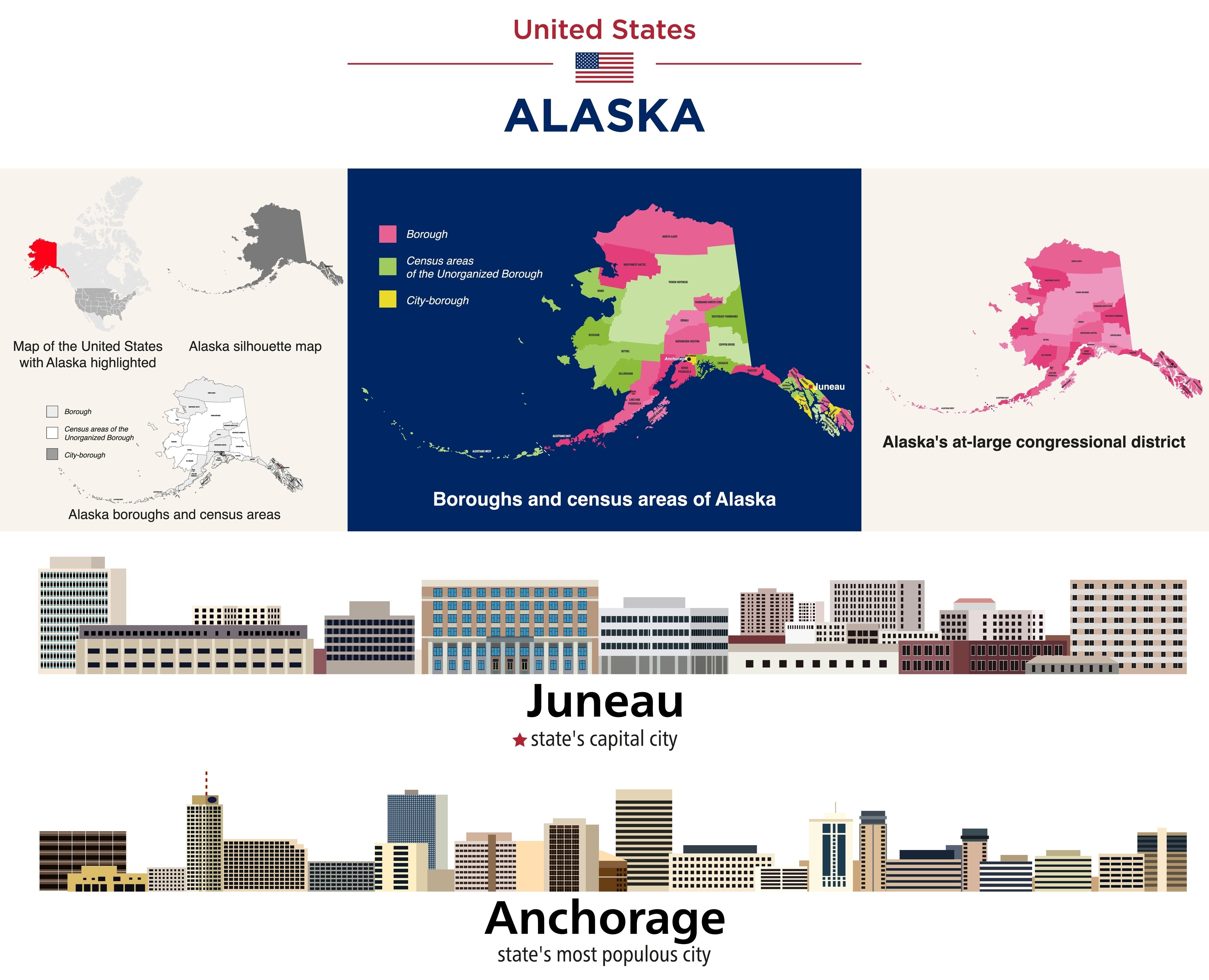
The neighborhood of Mountain View has gained national recognition, including reports from the U.S. Census Bureau, for being among the most diverse census tracts in the country. In this area, no single ethnic group forms a majority. The Black community here lives alongside Hmong, Samoan, Alaska Native, and Latino neighbors.
Fairview, located just east of downtown, has historically been the heart of Black culture in Anchorage. It was one of the few areas where Black residents could easily secure housing during the mid-20th century. Today, it remains a site of significant community activism and historical preservation, housing institutions like the Alaska Black Caucus headquarters.
Northeast Anchorage and JBER
Proximity to Joint Base Elmendorf-Richardson (JBER) significantly influences the demographics of Northeast Anchorage. Because the military is one of the most integrated institutions in the country, the areas surrounding the base—such as Muldoon—see a high concentration of Black service members and their families. Many "transient" residents eventually become "permanent" residents after retiring from service, further bolstering the local population.
Socioeconomic Status and Employment
In 2026, the socioeconomic profile of the Black population in Anchorage reflects both the opportunities of the Alaskan economy and the persistent disparities found nationwide.
Education and Income
The Black community in Anchorage generally reports higher median household incomes than the national average for Black Americans, largely due to the higher cost of living and the prevalence of well-paying public sector jobs in Alaska. A significant portion of the adult population is employed by the Municipality of Anchorage, the State of Alaska, or the federal government.
However, challenges remain. Issues such as "the Alaska premium"—the high cost of goods and services—mean that even moderate incomes can be stretched thin. Furthermore, local advocacy groups frequently point to the need for greater representation in executive leadership roles within the private sector, particularly in the oil and gas industries that dominate the state's economy.
Entrepreneurship
Small business ownership is a growing trend within the community. From soul food restaurants in Spenard to consulting firms in Midtown, Black entrepreneurs are diversifying the local economy. Organizations like the Alaska Black Chamber of Commerce provide resources for these business owners to navigate the unique challenges of the Alaskan market, such as supply chain logistics and seasonal demand fluctuations.
Community Organizations and Cultural Influence
The strength of the Black population in Anchorage is most visible through its civic and religious institutions. These organizations serve as the backbone for social safety nets and political advocacy.
- The Alaska Black Caucus (ABC): This non-partisan organization has become a powerhouse in local politics. In 2026, the ABC continues to focus on health equity, justice reform, and economic empowerment. They are instrumental in organizing community forums that hold local leaders accountable.
- NAACP Anchorage Branch: As one of the oldest civil rights organizations in the state, the NAACP Anchorage remains active in monitoring legislative changes and advocating for equal opportunity in housing and employment.
- Religious Institutions: Churches like Shiloh Missionary Baptist Church and First American Baptist Church are more than just places of worship; they are community centers that offer after-school programs, food pantries, and voter registration drives.
- Juneteenth Anchorage: The annual Juneteenth celebration in the Delaney Park Strip is one of the city's largest summer events, drawing thousands of attendees of all races to celebrate Black history and freedom.
Current Challenges and the Path Toward 2030
While Anchorage offers a high degree of integration compared to many other American cities, the Black community faces specific hurdles as we move through 2026.
- Healthcare Disparities: Data from the University of Alaska Anchorage suggests that Black Alaskans face higher rates of chronic conditions such as hypertension and diabetes. Access to culturally competent healthcare remains a priority for local advocates.
- Housing Affordability: Like all Anchorage residents, the Black community is impacted by the city's chronic housing shortage. However, the impact is often felt more acutely in lower-income census tracts where rental prices have outpaced wage growth.
- Representation in State Government: While Anchorage has seen Black representatives in the State House and Senate, there is an ongoing push for more permanent representation in statewide administrative offices and judicial appointments.
Frequently Asked Questions
What is the percentage of the Black population in Anchorage?
As of 2026, the Black or African American population represents approximately 5.6% of Anchorage's total population. This figure increases when including individuals of two or more races.
Where do most Black residents live in Anchorage?
The highest concentrations are found in the neighborhoods of Mountain View, Fairview, and Northeast Anchorage (specifically near Muldoon and the military base).
Is Anchorage a diverse city for Black professionals?
Yes, Anchorage is notably diverse, and many Black professionals find success in the public sector, healthcare, and the military. The city offers a unique environment where the community is well-integrated into the broader social fabric.
What are the main community events for the Black population?
The largest event is the annual Juneteenth Celebration. Other significant events include Black History Month galas in February and various forums hosted by the Alaska Black Caucus throughout the year.
How does the cost of living affect Black families in Anchorage?
The cost of living in Anchorage is approximately 25-30% higher than the national average. While wages are often higher, expenses for heating, groceries, and housing can be a significant burden for middle and lower-income families.
Practical Recommendation for Residents and Newcomers
For those looking to engage with or join the Black community in Anchorage, the most effective next step is to connect with the Alaska Black Caucus or attend a public meeting at the Fairview Recreation Center. These venues provide immediate access to local leaders and community resources. Additionally, supporting Black-owned businesses listed through the local Chamber of Commerce helps sustain the economic vitality of the community. Whether you are moving for a job at JBER or seeking a new start in the North, understanding the deep-rooted history and active civic life of Anchorage's Black residents is essential for a full appreciation of the city's culture.
Image Gallery