A Comprehensive Guide to Cheech Marin’s Discography and Musical Legacy
Cheech Marin’s discography encompasses a diverse range of recordings, primarily featuring his era-defining comedy albums with Tommy Chong, his 1980s solo musical parodies, and his award-winning 1990s children’s music projects. His work...
Cheech Marin’s discography encompasses a diverse range of recordings, primarily featuring his era-defining comedy albums with Tommy Chong, his 1980s solo musical parodies, and his award-winning 1990s children’s music projects. His work has transitioned from counter-culture satire to mainstream entertainment, earning multiple Grammy nominations and a win for Los Cochinos.
Contents
The Golden Era of Cheech & Chong: 1971–1977
The foundation of Cheech Marin’s recording career lies in his partnership with Tommy Chong. During the early 1970s, the duo redefined the comedy album format, moving away from simple stand-up recordings toward immersive, studio-produced "audio movies." These records utilized stereo panning, Foley sound effects, and musical interludes to create a vivid world that resonated with the youth culture of the time.
The Self-Titled Debut and Big Bambú
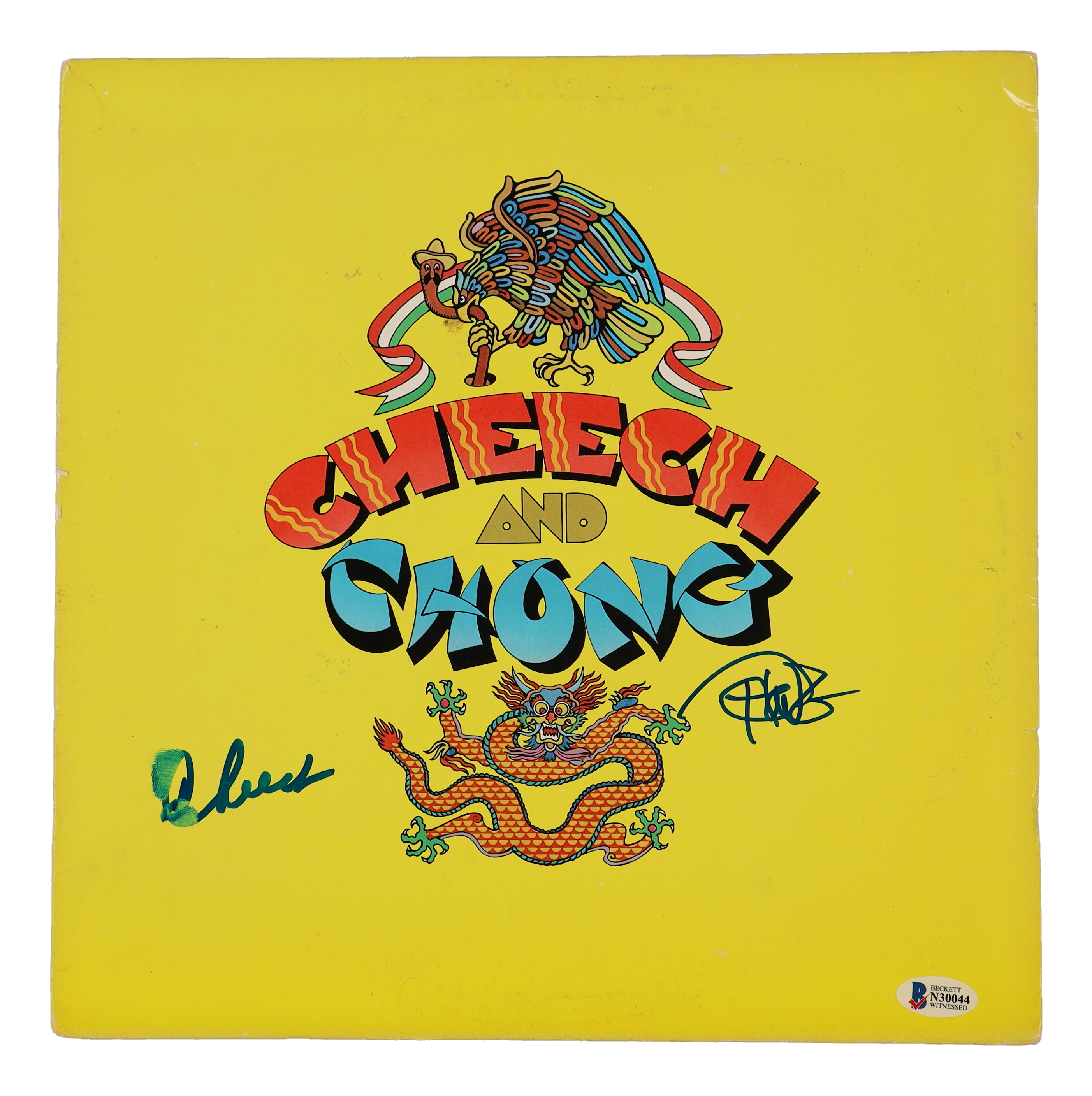
In 1971, the duo released Cheech and Chong under the Ode Records label, produced by Lou Adler. This album introduced iconic sketches such as "Dave," which highlighted the duo’s impeccable timing and ability to find humor in the mundane and the illicit. The album set the stage for their 1972 follow-up, Big Bambú.
Big Bambú remains one of the most famous comedy albums in history, partly due to its packaging, which originally included a giant rolling paper. Beyond the gimmick, the record peaked at number two on the Billboard 200, proving that their brand of Chicano-influenced "stoner humor" had massive commercial appeal. The sketches on this album often satirized the authority figures of the era, contrasting the "hip" lifestyle against the rigid structures of the 1950s and 60s.
Los Cochinos and the Grammy Win
Released in 1973, Los Cochinos (The Pigs) solidified Cheech Marin’s status as a premier recording artist. The album reached the number two spot on the Billboard charts and won the Grammy Award for Best Comedy Recording. This album is notable for its polished production and the inclusion of "Basketball Jones feat. Tyrone Shoelaces," a high-energy musical parody of R&B and soul music that featured session work from George Harrison, Billy Preston, and Carole King. The success of Los Cochinos demonstrated that Cheech and Chong were not just comedians but also savvy musical satirists capable of attracting top-tier industry talent.
The Transition to Solo Work and "Born in East L.A."
As the 1980s arrived, the partnership between Cheech and Chong began to shift. Cheech Marin sought to explore more narrative-driven comedy and social commentary. In 1985, he released the solo single "Born in East L.A.," a parody of Bruce Springsteen’s "Born in the U.S.A."
The song, and the subsequent 1985 album of the same name, became a cultural touchstone. It addressed the issues of immigration, identity, and the Chicano experience through the lens of a humorous narrative about a U.S. citizen mistakenly deported to Mexico. The album was more than just a parody; it was a rhythmic exploration of the Los Angeles landscape, blending rock, synth-pop, and Latin influences. This project eventually led to the 1987 feature film of the same name, further cementing Marin’s ability to bridge the gap between audio recordings and visual storytelling.
A Surprising Pivot: Cheech Marin’s Children’s Music
In the early 1990s, Cheech Marin underwent a significant career pivot that many long-time fans found surprising: he began recording albums for children. Far from the counter-culture roots of his 1970s work, these albums focused on bilingual education, cultural pride, and storytelling.
My Name Is Cheech the School Bus Driver
Released in 1992, My Name Is Cheech the School Bus Driver was an immediate success in the educational and family entertainment sectors. Marin utilized his recognizable voice and comedic timing to create a character that helped children navigate school life and social dynamics. The album features songs in both English and Spanish, emphasizing the importance of heritage.
The success of this album led to a sequel in 1997, Cheech Marin Presents: My Name Is Cheech the School Bus Driver - Coast to Coast. These recordings won multiple awards, including Parents' Choice Awards, and are still utilized in early childhood education settings in 2026 for their engaging approach to bilingualism. The transition to children's music showcased Marin's versatility and his commitment to reaching a broader, multi-generational audience.
Notable Singles and Musical Contributions
Throughout his career, Cheech Marin has contributed to numerous soundtracks and guest appearances that are essential to his discography. His musicality is often overlooked, but his ability to mimic genres and perform as various characters has made him a frequent collaborator in the recording studio.
- "Earache My Eye" (1974): Performed under the pseudonym Alice Bowie, this track from the Up in Smoke soundtrack is a seminal piece of comedy rock. Its heavy riff and satirical take on glam rock remain influential.
- "Me and My Old Lady": A track that showcases Marin’s ability to blend character work with genuine blues and soul influences.
- "Santa Claus and His Old Lady": This 1971 single became a perennial holiday favorite, using a spoken-word format to retell the Christmas story through a counter-culture lens.
Discography Summary and Technical Overview
For collectors and researchers in 2026, understanding the distribution and labels of Cheech Marin's work is vital. Most early recordings were released on Ode Records, which was later distributed by Epic and A&M. Modern reissues, particularly on vinyl, have seen a resurgence as fans appreciate the high-fidelity production of the 1970s studio sessions.
| Album Title | Release Year | Primary Artist | RIAA Certification | Key Musical Contribution |
|---|---|---|---|---|
| Cheech and Chong | 1971 | Cheech & Chong | Gold | "Blind Melon Chitlin'" |
| Big Bambú | 1972 | Cheech & Chong | Gold | "Sister Mary Elephant" |
| Los Cochinos | 1973 | Cheech & Chong | Gold | "Basketball Jones" |
| Wedding Album | 1974 | Cheech & Chong | Gold | "Earache My Eye" |
| Sleeping Beauty | 1975 | Cheech & Chong | N/A | "The Adventures of Red & Ivan" |
| Up in Smoke | 1978 | Cheech & Chong | N/A | Soundtrack / Film Score |
| Born in East L.A. | 1985 | Cheech Marin | N/A | "Born in East L.A." |
| My Name Is Cheech | 1992 | Cheech Marin | N/A | Children's / Bilingual |
Technical Depth: The Sound Design of 1970s Comedy Records
The "Cheech and Chong" albums were technically sophisticated for their time. Produced by Lou Adler, these records were mixed to exploit the burgeoning FM radio and high-fidelity home stereo markets. Unlike the dry, mono recordings of early stand-up comedians like Lenny Bruce, Marin and Chong used multi-track recording to layer soundscapes.
For instance, the use of panning in sketches like "Dave" from their debut album creates a sense of spatial awareness—one character speaking from the "outside" of a door while the other is "inside." This level of audio engineering was more akin to the work being done by bands like Pink Floyd or The Beatles than contemporary comedians. As of 2026, these albums are frequently cited by audio engineers as masterclasses in comedic sound design and vocal placement.
Frequently Asked Questions
Which Cheech Marin album won a Grammy Award?
The 1973 album Los Cochinos won the Grammy Award for Best Comedy Recording. It was a massive success, peaking at number two on the Billboard 200. The album is particularly famous for its mix of character sketches and high-quality musical parodies, featuring an array of famous guest musicians who were fans of the duo’s work.
Did Cheech Marin release any albums without Tommy Chong?
Yes, Cheech Marin has several solo recording projects. His most famous solo musical work is the 1985 album and single Born in East L.A. Additionally, he released a successful series of children’s albums in the 1990s, including My Name Is Cheech the School Bus Driver, which focused on bilingual stories and songs for a younger audience.
Are Cheech & Chong albums available on streaming services in 2026?
Virtually all of the Cheech & Chong catalog, as well as Cheech Marin’s solo albums, are available on major streaming platforms like Spotify, Apple Music, and Amazon Music. Many of these have been digitally remastered to improve clarity while preserving the original 1970s analog warmth.
What is the most famous song Cheech Marin ever recorded?
"Born in East L.A." is widely considered his most famous solo song. However, "Earache My Eye" (performed as Alice Bowie) and "Basketball Jones" (as Tyrone Shoelaces) are iconic tracks from the Cheech & Chong era that received significant radio play and have been covered by numerous rock and hip-hop artists over the decades.
Who played the music on the Cheech & Chong albums?
The music on their albums was often performed by elite session musicians and rock stars. For example, "Basketball Jones" featured contributions from George Harrison (guitar), Carole King (electric piano), and Billy Preston (organ). This high level of musical talent set their comedy albums apart from their peers, making the music as enjoyable as the comedy.
Recommendation for New Listeners
For those looking to explore Cheech Marin's recorded legacy in 2026, the best starting point is the 1973 album Los Cochinos. It represents the pinnacle of his collaborative work with Tommy Chong, offering a perfect balance of sharp social satire, inventive sound design, and Grammy-winning musicality. Following that, the single "Born in East L.A." provides the essential bridge into his solo career and his later work as a voice for the Chicano community.
Image Gallery