Navigating Cannabis Life Insurance Unveiled: Rates, Requirements, and Realities
Securing life insurance while consuming cannabis has evolved significantly, shifting from an environment of automatic denials to one where many insurers view moderate users much like traditional tobacco-free individuals. Qualifying for...
Securing life insurance while consuming cannabis has evolved significantly, shifting from an environment of automatic denials to one where many insurers view moderate users much like traditional tobacco-free individuals. Qualifying for competitive rates depends entirely on frequency of use, method of consumption, underlying health status, and whether the applicant tests positive for nicotine.
Contents
The Evolving Landscape of Cannabis and Life Insurance
For decades, anyone who admitted to using cannabis—whether for medical purposes or adult recreational enjoyment—faced immediate rejection from traditional life insurance underwriters. Underwriting guidelines historically lumped marijuana consumers into the highest risk categories, often classifying them alongside heavy cigarette smokers or illicit drug users. Insurance carriers lacked clinical data to distinguish between an occasional weekend consumer and heavy, chronic users, prompting a blanket aversion to risk.
As legalization expanded across numerous jurisdictions and clinical research into the plant accelerated, the insurance industry began to reevaluate these outdated risk models. Modern life insurance companies increasingly recognize that moderate, occasional cannabis consumption does not carry the same systemic mortality risks as chronic tobacco use. Consequently, underwriters have shifted from a punitive approach to a more nuanced, risk-stratified evaluation process. Today, many premier insurance carriers offer standard or even preferred rates to cannabis consumers, provided they meet specific health and usage criteria.
Understanding this shift is vital for consumers seeking financial protection for their families. While the market has opened up, underwriting guidelines remain strict, and policies vary dramatically from one carrier to another. Navigating this landscape successfully requires knowing how underwriters assess risk, what documentation is necessary, and which companies maintain the most progressive underwriting manuals.
How Life Insurance Underwriters Evaluate Cannabis Consumers
When an insurance underwriter reviews an application involving cannabis, they do not look at the substance in a vacuum. Instead, they examine a comprehensive profile that balances cannabis consumption against overall lifestyle and health indicators. The goal is to determine the applicant's biological baseline and ensure that consumption does not mask or contribute to other medical conditions.
Frequency and Volume of Use
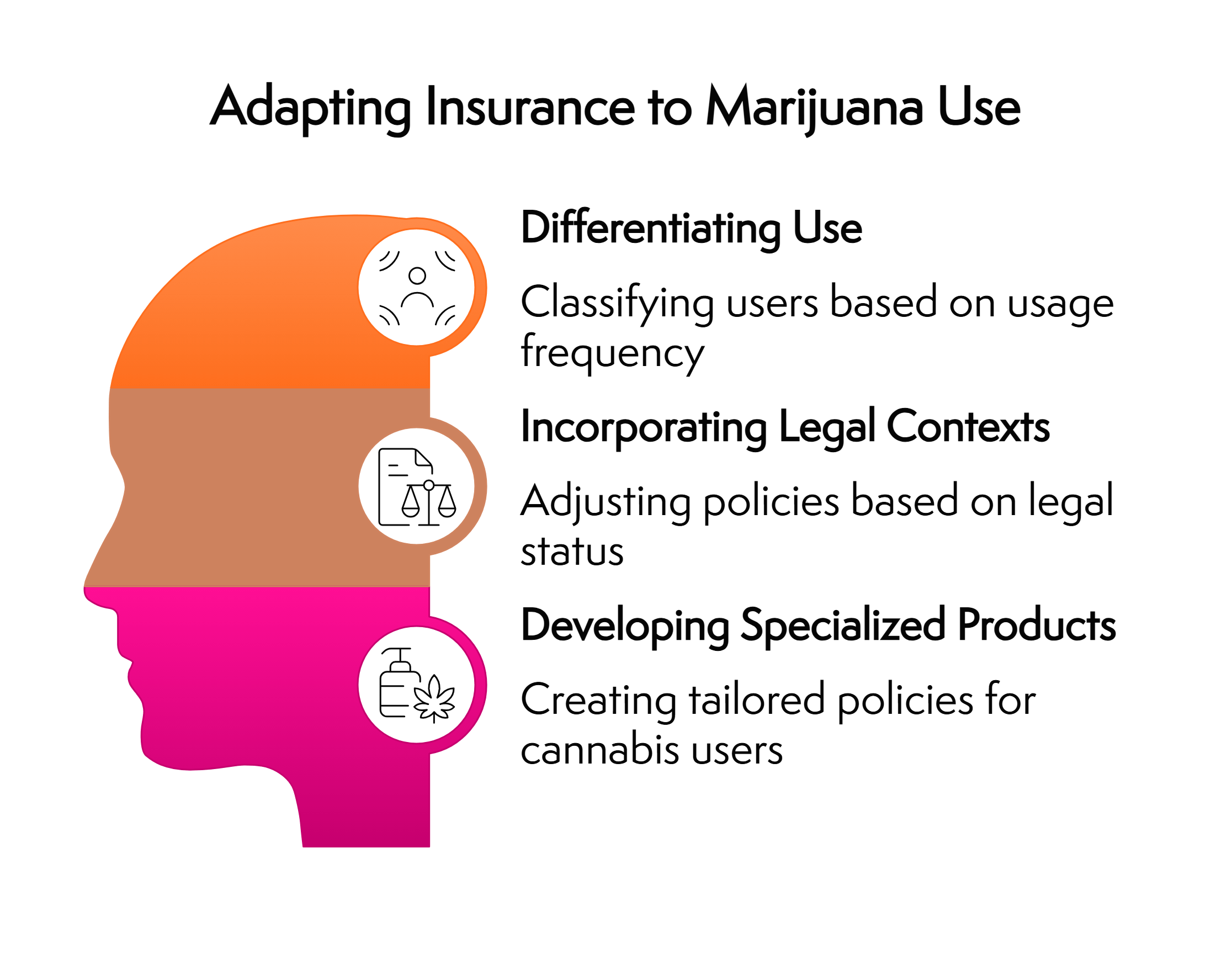
The frequency of consumption is perhaps the single most important factor in determining your risk tier. Underwriters generally categorize users into distinct buckets:
- Occasional/Infrequent Users: Individuals who consume cannabis a few times a month or less often may qualify for standard or preferred non-tobacco rates with many modern carriers.
- Regular/Frequent Users: Daily or near-daily consumers typically face standard rates. While they are unlikely to secure the absolute highest "preferred plus" tiers, they can still obtain affordable coverage.
- Heavy/Medical Users: Individuals using high doses daily, particularly for severe underlying medical conditions, will have their applications evaluated primarily based on the condition being treated rather than the cannabis itself.
Method of Consumption
How you consume cannabis matters significantly to underwriters. Inhaling combusted plant matter exposes the lungs to tars and carcinogens, prompting concerns regarding chronic respiratory conditions such as chronic bronchitis or chronic obstructive pulmonary disease (COPD). Conversely, underwriters often view alternative consumption methods—such as tinctures, edibles, low-dose beverages, and topical applications—more favorably because they eliminate smoke inhalation risks.
The Nicotine Trap
One of the most critical pitfalls for cannabis consumers is the use of tobacco or nicotine products alongside marijuana. Many consumers mix tobacco with cannabis or use nicotine delivery systems like e-cigarettes or cigars. Because life insurance underwriting relies heavily on lab testing, a positive test for cotinine (a byproduct of nicotine breakdown) will automatically classify the applicant as a tobacco user, skyrocketing premium costs. Even if you do not smoke cigarettes, smoking a blunt (weed rolled in a tobacco leaf) can trigger a positive nicotine result and derail your rate class.
Comparing Rate Classes: Traditional vs. Cannabis-Friendly Carriers
Navigating quotes requires understanding how different rate classes impact your long-term financial commitment. The table below illustrates how underwriting classifications typically break down across traditional versus modern, cannabis-friendly insurance carriers for a regular, healthy consumer.
| Underwriting Factor | Traditional / Strict Carriers | Modern / Cannabis-Friendly Carriers |
|---|---|---|
| Occasional Use (1-2x/month) | Standard Tobacco Rates or Denial | Standard or Preferred Non-Tobacco Rates |
| Daily Use (Recreational) | Standard Tobacco Rates | Standard Non-Tobacco Rates |
| Medical Use (Stable Condition) | Evaluated on Primary Diagnosis | Standard or Better Non-Tobacco Rates |
| Method Preference | Combustible smoke penalized equally | Edibles/Tinctures favored over smoking |
| Nicotine Concomitance | Automatic Tobacco Classification | Automatic Tobacco Classification |
As demonstrated, selecting a carrier with progressive underwriting guidelines can save policyholders thousands of dollars over the lifetime of a term or permanent life insurance policy.
Medical Marijuana and Pre-Existing Conditions
When cannabis is prescribed for a medical condition, the underwriting focus pivots from the substance itself to the underlying illness. Insurers must evaluate whether the condition being treated—such as chronic pain, anxiety, epilepsy, multiple sclerosis, or cancer—impacts life expectancy.
Disclosure and Transparency
Honesty on a life insurance application is non-negotiable. Some applicants make the mistake of hiding their cannabis use, fearing higher rates, or believing that medical marijuana records are protected by patient privacy laws like HIPAA in a way that shields them from insurers. In reality, life insurance applications require authorization to review your Medical Information Bureau (MIB) file, prescription database history, and physician records.
If an insurer discovers undisclosed cannabis use during the mandatory paramedical exam (which includes blood and urine screenings for THC metabolites), the application will typically be denied for material misrepresentation. A denial based on fraud makes securing future coverage exponentially more difficult and expensive. Disclosing usage upfront allows an experienced independent broker to match you with a carrier whose underwriting manual welcomes your specific profile.
Step-by-Step Guide to Securing Coverage as a Cannabis Consumer
Applying for life insurance as a cannabis consumer requires a strategic approach to ensure the best possible financial outcome. Following a structured roadmap helps eliminate surprises during underwriting.
- Assess Your Consumption Profile: Document your exact frequency, dosage, and consumption methods (e.g., vaping, edibles, smoking). Accuracy ensures you receive realistic quotes from the start.
- Eliminate Nicotine Completely: If you use any tobacco products, nicotine pouches, or nicotine vapes, cease use well in advance of your medical exam to clear cotinine from your system. Avoid blunts entirely.
- Work with an Independent Broker: Avoid captive agents who represent only one insurance company. Independent brokers have access to dozens of carriers and know which ones have updated their underwriting guidelines to favor cannabis users.
- Prepare Medical Documentation: If you consume cannabis for medical reasons, gather comprehensive records from your treating physician showing that your condition is stable and well-managed.
- Complete the Parametric Exam with Care: Prepare for the medical exam by staying hydrated and avoiding heavy exercise or unusual dietary habits right before your blood and urine draw, ensuring your baseline health metrics shine.
Frequently Asked Questions
Will life insurance companies test me for THC?
Yes. Nearly all standard life insurance applications require a paramedical exam that includes a blood and urine draw. This screening tests for a wide range of health markers, including cholesterol, glucose, liver function, and drug metabolites, including THC.
Can I get term life insurance if I use cannabis daily?
Yes. Many insurance carriers offer term life insurance policies to daily cannabis consumers at standard non-tobacco rates, provided you do not use nicotine and have no other disqualifying health conditions.
Does medical marijuana cost more to insure than recreational use?
Not necessarily. Underwriters care more about why you use it and your underlying health than the specific legal status of your consumption. A healthy individual using medical marijuana for minor joint pain may receive the same rate as a recreational user.
What happens if I lie about my cannabis use on the application?
If an insurer discovers undisclosed cannabis use during underwriting, your application will likely be denied. If the deception is uncovered after the policy is issued—typically within the two-year contestability period—the company can rescind the policy and deny death benefits to your beneficiaries.
Are CBD products treated the same as THC by life insurance?
Generally, isolated CBD use (such as oils or topicals with zero THC) does not trigger adverse underwriting actions. However, because commercial CBD products can sometimes contain trace amounts of THC due to cross-contamination or imperfect manufacturing, it is still vital to disclose your usage truthfully.
Next Steps and Professional Guidance
Securing life insurance as a cannabis consumer is entirely achievable, provided you bypass rigid legacy carriers in favor of progressive institutions that evaluate risk accurately. Begin by auditing your personal consumption habits and eliminating any associated nicotine use. Reach out to an independent insurance professional who specializes in lifestyle underwriting to compare quotes across multiple top-tier carriers, ensuring your family's financial future is protected without paying inflated premiums.
Image Gallery