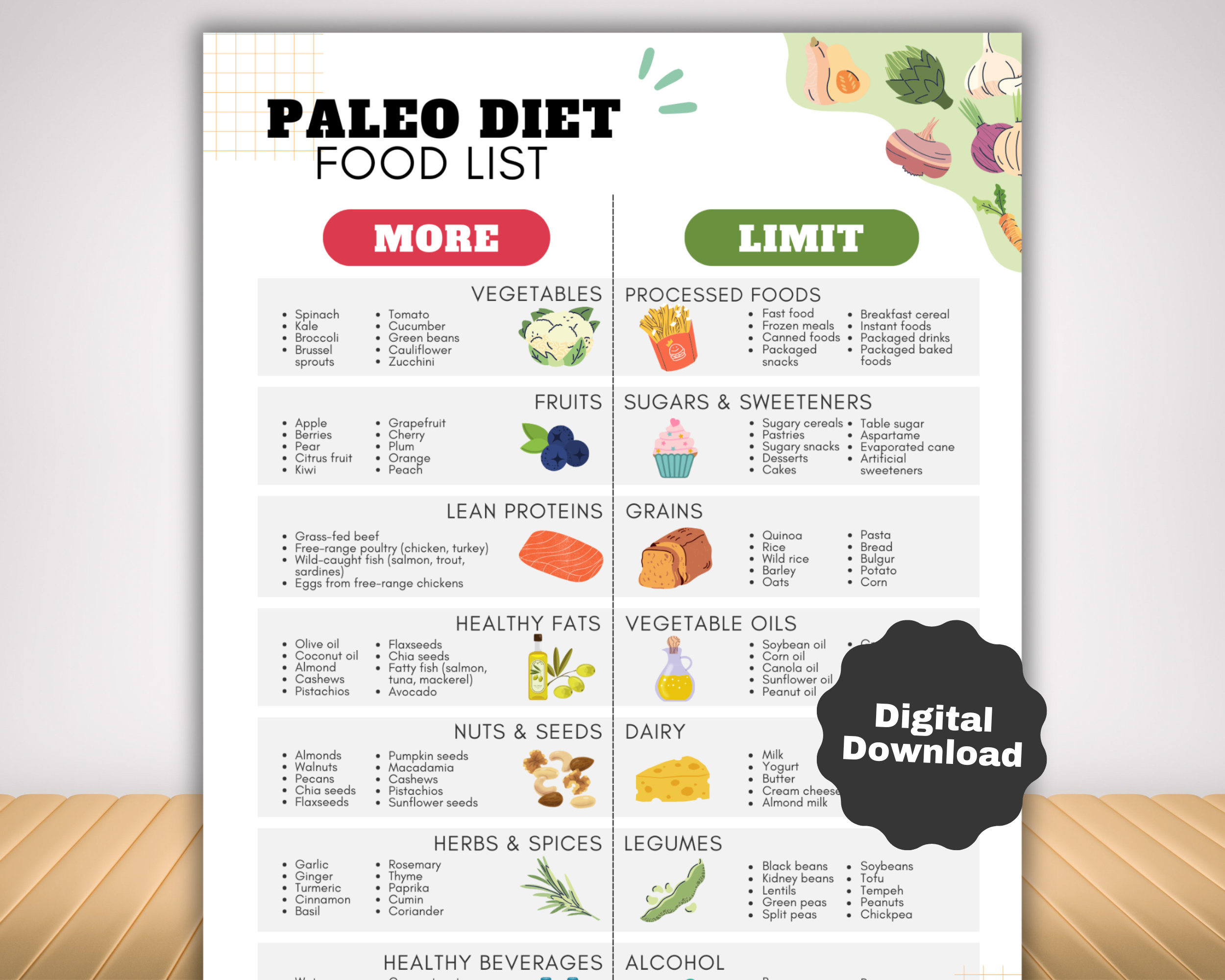
The Complete Paleo Food List PDF Guide: What to Eat, Avoid, and Print
A comprehensive Paleo food list PDF guide serves as an essential reference for identifying allowed foods, strictly prohibited items, and flexible grey-area ingredients on the Paleolithic diet. By organizing meats, vegetables, healthy f...
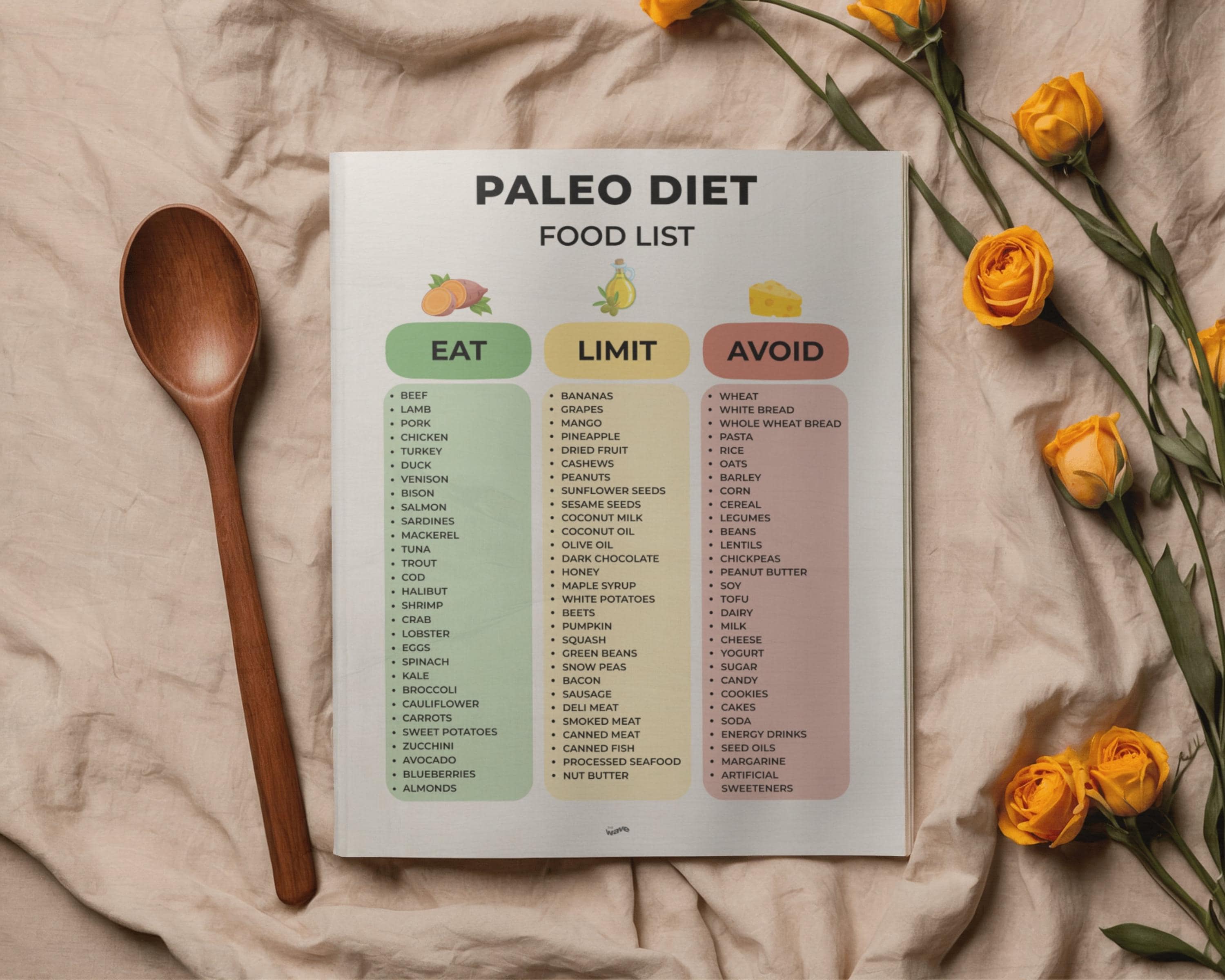
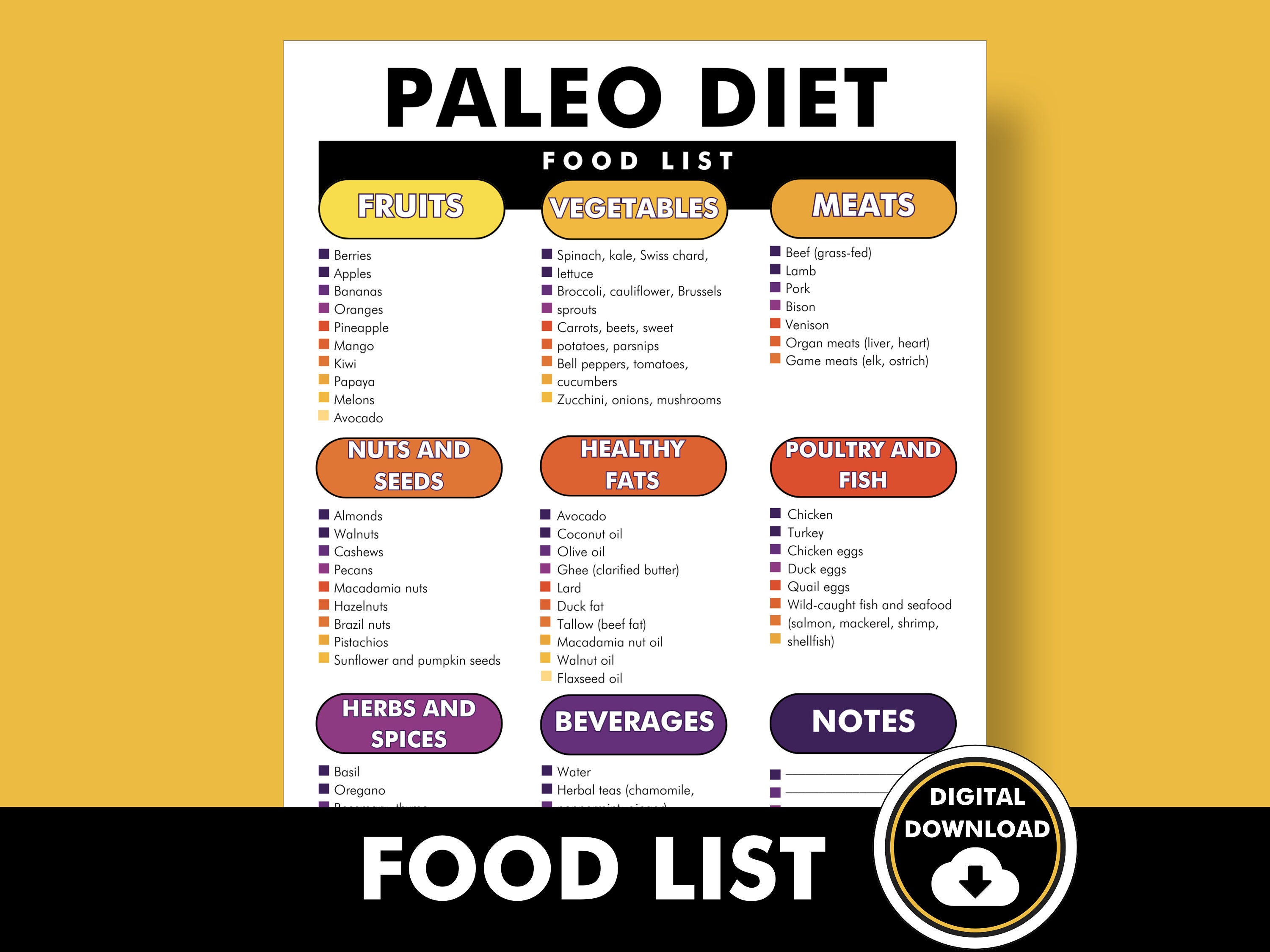
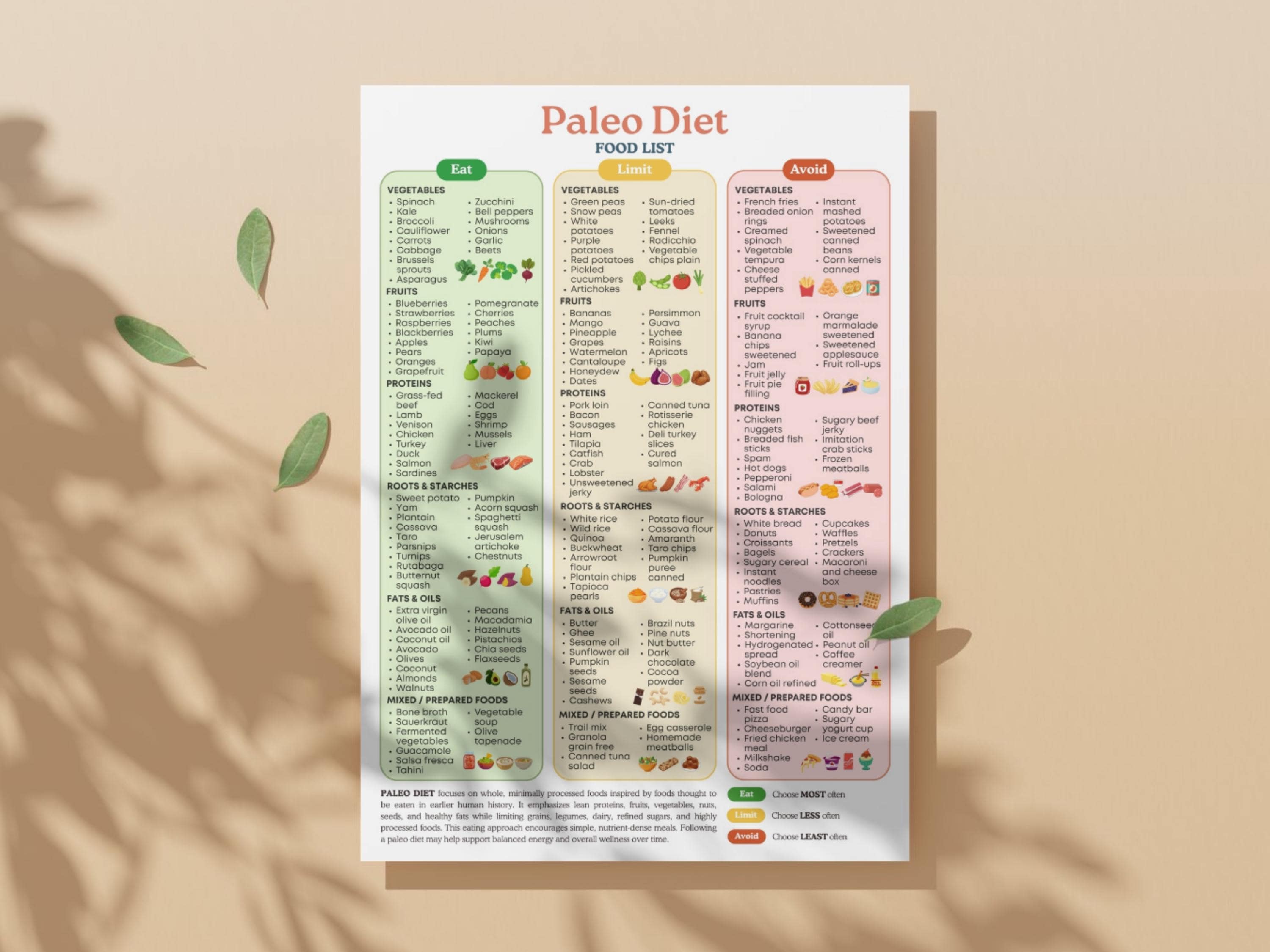
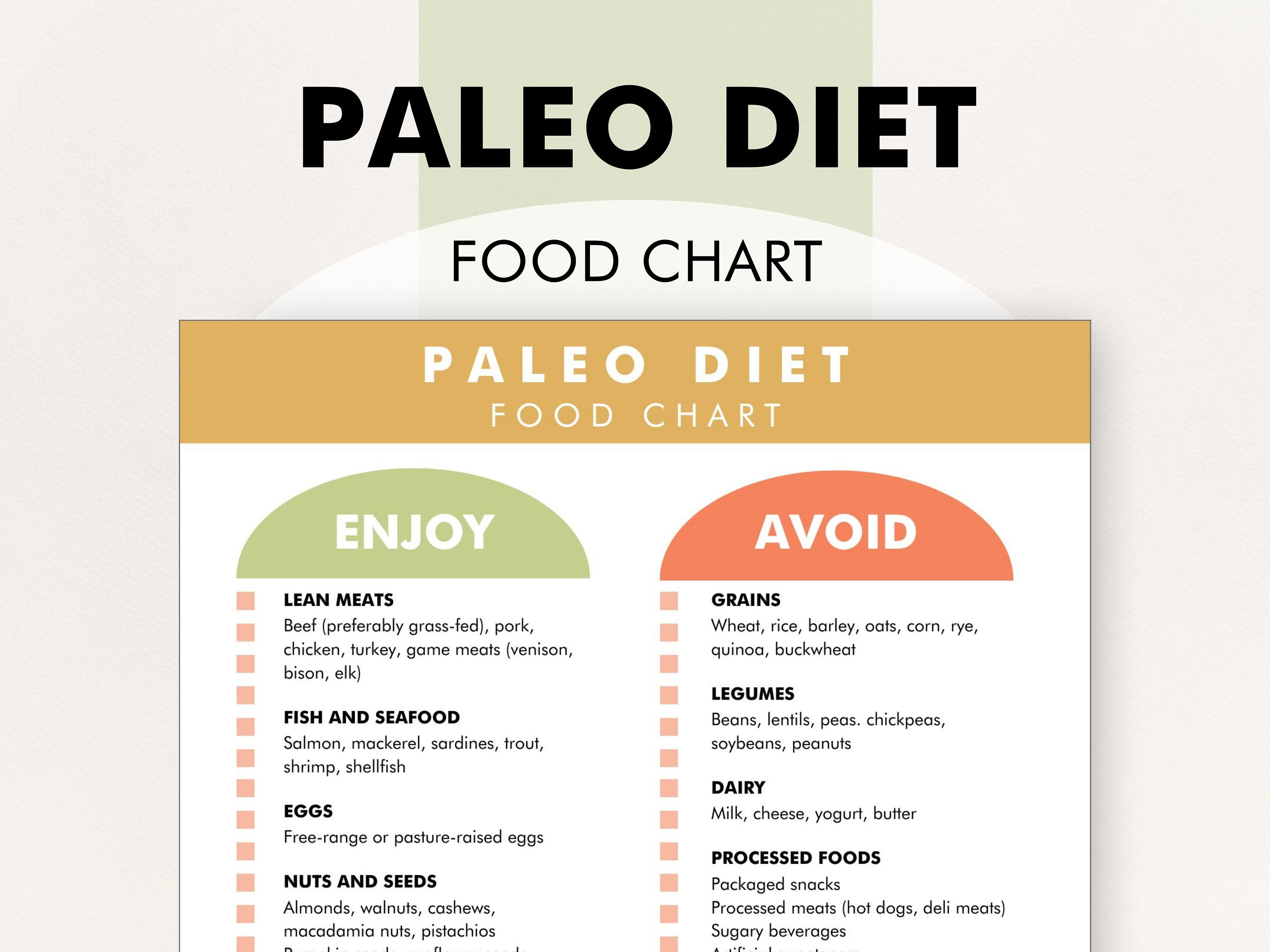
A comprehensive Paleo food list PDF guide serves as an essential reference for identifying allowed foods, strictly prohibited items, and flexible grey-area ingredients on the Paleolithic diet. By organizing meats, vegetables, healthy fats, fruits, nuts, and excluded food groups into clear categories, a downloadable or printable guide simplifies grocery shopping, meal planning, and daily dietary compliance.
Contents
Nutritional Principles of the Paleolithic Diet
The Paleolithic (Paleo) diet is a nutritional framework designed to align human eating habits with the ancestral foods available during the Paleolithic era, prior to the rise of industrialized agriculture roughly 10,000 years ago. The central hypothesis of the ancestral lifestyle movement posits that human genetics have changed minimally since the Stone Age, whereas the modern food supply has experienced radical shifts toward highly refined carbohydrates, industrial seed oils, and ultra-processed additives.
By eliminating foods introduced by modern agriculture and food processing—such as cereal grains, refined sugars, legumes, processed dairy, and chemical preservatives—the Paleo diet aims to reduce systemic inflammation, optimize glycemic control, support digestive barrier function, and promote sustained physical energy.
When evaluating foods for a Paleo reference guide, ingredients are selected based on nutrient density, biological availability, and low inflammatory potential. Rather than focusing on restrictive calorie counting or complex macro tracking, the diet emphasizes macro-nutrient quality derived from whole, unrefined plant and animal sources.
Approved Foods: What to Include on Your Paleo Food List
An effective Paleo food list focuses on whole foods that can be hunted, fished, scavenged, or gathered. Prioritizing high-quality, nutrient-dense ingredients ensures optimal metabolic health and micronutrient sufficiency.
- Approved Paleo Food Groups
- Lean Meats & Poultry
- Wild Seafood & Shellfish
- Non-Starchy Vegetables
- Healthy Fats & Unrefined Oils
Proteins: Quality Meats, Poultry, and Seafood
Protein forms the structural baseline of the Paleolithic eating template. Animal proteins supply complete amino acid profiles, highly bioavailable heme iron, vitamin B12, zinc, and essential fatty acids.
- Ruminant & Farm-Raised Meats: Grass-fed beef, bison, lamb, venison, goat, and pork. Pasture-raised animals are strongly preferred due to their superior omega-3 to omega-6 fatty acid ratio compared to grain-finished livestock.
- Poultry: Pasture-raised chicken, turkey, duck, pheasant, and quail.
- Wild Seafood & Shellfish: Wild-caught salmon, mackerel, sardines, trout, tuna, cod, shrimp, oysters, mussels, and crab. Fatty cold-water fish provide concentrated doses of eicosapentaenoic acid (EPA) and docosahexaenoic acid (DHA).
- Eggs: Pasture-raised or omega-3 enriched chicken, duck, and goose eggs.
- Organ Meats: Liver, heart, kidney, and tongue from pasture-raised sources, which offer concentrated micronutrient density.
Vegetables and Plant Foods
Vegetables provide essential dietary fiber, antioxidants, minerals, and phytonutrients without triggering significant blood glucose spikes.
- Cruciferous Vegetables: Broccoli, cauliflower, Brussels sprouts, cabbage, kale, and bok choy.
- Leafy Greens: Spinach, Swiss chard, arugula, romaine lettuce, collard greens, and dandelion greens.
- Root Vegetables & Tubers: Sweet potatoes, yams, cassava, parsnips, turnips, beets, and carrots. While high in non-digestible starches, these are ideal for active individuals needing carbohydrate replenishment.
- Allium & Miscellaneous Vegetables: Garlic, onions, leeks, shallots, asparagus, celery, cucumbers, zucchini, summer squash, and bell peppers.
Healthy Fats and Unrefined Oils
Fats serve as a primary energy source on a lower-carbohydrate Paleo diet, supporting hormone synthesis, cell membrane integrity, and fat-soluble vitamin absorption (vitamins A, D, E, and K).
- Fruit & Nut Oils: Extra virgin olive oil, avocado oil, and macadamia nut oil. These cold-pressed oils are best used raw or cooked at low-to-medium heat.
- Saturated Plant Fats: Extra virgin coconut oil, coconut butter, and coconut cream, rich in medium-chain triglycerides (MCTs).
- Animal Fats: Tallow, lard, duck fat, and poultry fat derived from pasture-raised, organic animals.
Fruits, Nuts, and Seeds
Fruits, nuts, and seeds provide trace nutrients, natural sweetness, and convenient snack options. However, they should be consumed in sensible portions to manage fructose intake and omega-6 fatty acid balances.
- Low-Glycemic Fruits: Blackberries, raspberries, blueberries, strawberries, green apples, and citrus fruits (lemons, limes, grapefruit).
- Moderate-Glycemic Fruits: Apples, pears, peaches, plums, cherries, bananas, melons, mangoes, and pineapples.
- Nuts & Seeds: Almonds, walnuts, macadamia nuts, pecans, hazelnuts, Brazil nuts, pumpkin seeds (pepitas), chia seeds, and flaxseeds. Raw or dry-roasted, unsalted varieties are preferred.
Prohibited Foods: What to Eliminate from Your Diet
To reduce gut irritation, hyperinsulinemia, and systemic low-grade inflammation, the strict Paleo model requires total elimination of modern agricultural staples and industrially synthesized ingredients.
- Prohibited Paleo Food Groups
- Cereal Grains & Pseudograins
- Legumes & Soy (Beans, Peanuts)
- Dairy Products (Milk, Cheese)
- Seed Oils & Ultra-Processed Additives
Cereal Grains and Pseudograins
Grains contain high concentrations of anti-nutrients—such as lectins and phytates—which can bind to dietary minerals and compromise bowel wall permeability in sensitive individuals.
- Gluten-Containing Grains: Wheat, barley, rye, spelt, kamut, and farro.
- Gluten-Free Grains: Corn, white rice, brown rice, wild rice, oats, sorghum, and millet.
- Pseudograins: Quinoa, buckwheat, and amaranth (excluded in strict Paleo due to high saponin and lectin content).
Legumes and Soy
Legumes contain phytates and agglutinins that can interfere with nutrient absorption and digestive comfort.
- Beans & Peas: Black beans, kidney beans, pinto beans, navy beans, chickpeas (garbanzo beans), lentils, and green peas.
- Peanuts: Peanuts and peanut butter (peanuts are botanically legumes, not tree nuts).
- Soy Products: Edamame, soybeans, tofu, tempeh, soy milk, soy lecithin, and soy protein isolate.
Industrial Seed Oils and Trans Fats
Refined seed oils undergo chemical extraction, bleaching, and deodorization. They are densely packed with easily oxidized omega-6 polyunsaturated fatty acids.
- Refined Vegetable Oils: Canola (rapeseed) oil, soybean oil, corn oil, cottonseed oil, sunflower oil, safflower oil, grapeseed oil, and rice bran oil.
- Hydrogenated Fats: Margarine, vegetable shortening, and artificial trans fats.
Dairy Products
Conventional dairy contains lactose (milk sugar) and casein (milk protein), which can cause gastrointestinal distress, acne, and immune reactivity in a large percentage of the population.
- Fluid Milk & Cream: Whole milk, skim milk, buttermilk, heavy cream, and half-and-half.
- Cultured & Processed Dairy: Cheese, yogurt, kefir, sour cream, and ice cream.
Refined Sugars, Sweeteners, and Ultra-Processed Foods
Refined sugars drive rapid blood insulin spikes, metabolic dysregulation, and cravings.
- Refined Sugars: Cane sugar, high-fructose corn syrup, brown sugar, powdered sugar, and dextrose.
- Artificial Sweeteners: Aspartame, sucralose, saccharin, and acesulfame potassium.
- Processed Snacks: Chips, candy, commercial baked goods, soda, energy drinks, and packaged frozen meals.
The Paleo "Grey Area": Flexible Modifications
While strict original Paleo guidelines forbid dairy, starches, and processed natural sweeteners, modern ancestral health practices permit deliberate modifications based on individual metabolic tolerance and fitness goals.
- Grass-Fed Ghee and Clarified Butter: Ghee undergoes a heating process that removes virtually all lactose and casein solids, leaving pure butterfat rich in short-chain fatty acids like butyrate.
- White Potatoes: Historically excluded due to nightshade concerns and carbohydrate density, plain white potatoes are widely accepted by modern ancestral researchers like Robb Wolf for active individuals needing affordable, non-toxic carbohydrate sources.
- Unrefined Natural Sweeteners: Raw honey, pure maple syrup, coconut sugar, and date paste are permitted in minimal quantities for active individuals, though they remain dense in fructose and glucose.
- Dark Chocolate: Organic dark chocolate with an 85% or higher cacao content provides magnesium and polyphenols while keeping sugar levels low.
- Fermented Dairy (Primal Variation): Full-fat, grass-fed kefir, raw milk cheese, and unsweetened Greek yogurt are included in Mark Sisson’s "Primal" framework for individuals who tolerate lactose and A2 casein.
Comprehensive Paleo Food Reference Table
The following classification matrix summarizes core ingredients into clear operational categories for quick kitchen or grocery reference:
| Food Category | Fully Approved (Eat Daily) | Moderate / Grey Area (Use Caution) | Strictly Excluded (Avoid Entirely) |
|---|---|---|---|
| Proteins | Grass-fed beef, wild salmon, pasture-raised eggs, turkey, chicken, liver | Commercial conventional meats, deli meats without nitrates | Soy burgers, tofu, processed meat products with gluten fillers |
| Vegetables | Spinach, broccoli, kale, cauliflower, asparagus, zucchini, onions | White potatoes, cassava flour, plantain chips | Corn, edamame, canned vegetables with added sugar/preservatives |
| Fats & Oils | Extra virgin olive oil, avocado oil, coconut oil, tallow, duck fat | Grass-fed ghee, grass-fed butter, macadamia oil | Canola oil, soybean oil, margarine, vegetable shortening |
| Fruits | Raspberries, blackberries, blueberries, strawberries, green apples | Bananas, mangoes, dried fruit (no added sugar), dates | Fruit juices with added sugar, canned fruit in heavy syrup |
| Nuts & Seeds | Walnuts, almonds, macadamia nuts, pumpkin seeds, chia seeds | Cashews, sunflower seeds, almond flour baked goods | Peanuts, peanut butter, candied nuts |
| Sweeteners | None (for optimal weight loss) | Raw honey, pure maple syrup, coconut sugar | Refined white sugar, high-fructose corn syrup, aspartame, sucralose |
| Beverages | Water, mineral water, herbal tea, black coffee, bone broth | Kombucha (low sugar), coconut water | Soda, commercial fruit juice, energy drinks, beers containing gluten |
How to Structure an Effective Paleo Food List PDF Guide
When downloading, creating, or printing a Paleo food list reference guide, structure the document to maximize practical utility during meal preparation and grocery shopping. A well-designed reference sheet eliminates confusion and speeds up decision-making in the aisle.
- PALEO PDF GUIDE LAYOUT GUIDE
- [Page 1: Color-Coded Master Pantry & Shopping Checklist]
- Green Section: Core Proteins, Vegetables & Fats
- Red Section: Absolute Non-Negotiables (Grains, Soy, Oils)
- [Page 2: Ingredient Swap & Grey Area Reference Sheet]
- Substitutions: Cassava Flour for Wheat, Ghee for Butter
- Rules for Honey, Maple Syrup, and Starchy Tubers
- [Page 1: Color-Coded Master Pantry & Shopping Checklist]
An optimal printable Paleo guide should feature:
- Color-Coded Categorization: Group foods using visual markers (green for unlimited whole foods, yellow for moderate/grey area items, red for eliminated groups).
- A Standardized Shopping List Layout: Organize columns by grocery department—Produce, Meat/Seafood, Pantry Oils & Spices, and Refrigerated Items—to speed up shopping trips.
- Simple Baking & Cooking Substitutions: Include an ingredient swap key for common culinary transitions:
- Wheat Flour $\rightarrow$ Almond flour or cassava flour
- Vegetable Oil $\rightarrow$ Avocado oil or extra virgin olive oil
- Soy Sauce $\rightarrow$ Coconut aminos
- Refined Sugar $\rightarrow$ Raw honey or date paste
- Cow's Milk $\rightarrow$ Unsugared almond milk or full-fat coconut milk
- Printable Compact Format: Standard letter or A4 size formatted for single-sheet or two-page double-sided printing, ideally protected in a plastic binder sleeve for kitchen storage.
Sample 3-Day Paleo Meal Framework
To translate the food list into actionable meal preparation, use this practical three-day menu constructed entirely from approved ancestral ingredients.
Day 1
- Breakfast: Three pasture-raised eggs scrambled in 1 tablespoon of coconut oil, served with sliced avocado, sautéed spinach, and garlic.
- Lunch: Large leafy green salad topped with canned wild salmon, cucumbers, cherry tomatoes, pumpkin seeds, and a dressing of extra virgin olive oil and lemon juice.
- Dinner: Grilled grass-fed ribeye steak served with roasted broccoli florets and a baked sweet potato topped with grass-fed ghee.
- Snack: A small handful of raw walnuts and fresh blueberries.
Day 2
- Breakfast: Paleo breakfast sausage patties (pasture-raised pork seasoned with sage and sea salt), sautéed kale, and sliced cantaloupe.
- Lunch: Leftover grilled steak sliced over mixed greens, radishes, grated carrots, and avocado oil mayonnaise dressing.
- Dinner: Pan-seared wild cod fillets with capers and lemon, served alongside roasted asparagus and mashed cauliflower seasoned with garlic and olive oil.
- Snack: Celery sticks paired with almond butter.
Day 3
- Breakfast: Smoothie blended with full-fat coconut milk, frozen raspberries, unsweetened collagen peptides powder, spinach, and almond butter.
- Lunch: Chopped chicken salad (using shredded leftover chicken breast, diced celery, green onions, and homemade avocado oil mayonnaise) wrapped in large romaine lettuce leaves.
- Dinner: Slow-cooked beef chuck roast stewed with carrots, celery, onions, beef bone broth, and fresh rosemary, served over cauliflower rice.
- Snack: Sliced green apple with macadamia nuts.
Medical and Dietary Considerations
While the Paleo diet provides significant nutritional density by focusing on whole foods, eliminating entire food categories can present specific health considerations:
- Calcium Intake: Excluding dairy requires intentional consumption of alternative calcium sources, such as bone-in canned sardines, dark leafy greens (collards, kale), sesame seeds, and calcium-fortified plant beverages.
- Fiber Sources: Removing grains and legumes shifts dietary fiber intake entirely to vegetables, berries, tubers, nuts, and seeds. Ensure adequate fluid intake alongside high vegetable consumption.
- Individualization: Individuals with existing kidney conditions, metabolic disorders, or pre-existing cardiovascular risk profiles should consult a qualified physician or registered dietitian before adopting a high-protein or modified-fat dietary protocol.
Frequently Asked Questions
Can I drink coffee on a Paleo diet?
Yes, plain black coffee is accepted on modern Paleo frameworks because it is derived from roasted beans (the seeds of the Coffea fruit) and contains beneficial antioxidants. However, commercial coffee creamers, refined sugar, milk, and artificial sweeteners must be avoided. Use unsweetened almond milk, full-fat coconut milk, or grass-fed ghee as Paleo-friendly additives.
Is peanut butter allowed on a Paleo diet?
No, peanut butter is not allowed on a strict Paleo diet. Despite the name, peanuts are legumes rather than tree nuts. Legumes contain phytates and lectins that can irritate the intestinal lining. Suitable Paleo alternatives include raw almond butter, cashew butter, walnut butter, and sunflower seed butter.
How does the Paleo diet differ from the Keto diet?
The Paleo diet focuses on ingredient quality and evolutionary origin, eliminating grains, dairy, legumes, and processed foods regardless of their carbohydrate count. The Ketogenic (Keto) diet focuses on strict macronutrient ratios (typically 70–80% fat, 15–20% protein, 5–10% carbohydrates) to induce nutritional ketosis. While some foods overlap, Keto permits dairy and artificial sweeteners if they fit macro targets, whereas Paleo permits higher-carbohydrate whole foods like sweet potatoes and fruit.
Are canned vegetables and meats permitted on Paleo?
Canned meats (like wild salmon, tuna, and sardines) and canned vegetables are permitted provided the ingredient list contains only the primary food, water, and sea salt. Avoid canned items preserved in soybean or canola oil, or those containing added sugars, chemical preservatives, or BPA-lined cans.
Why are oats excluded if they are gluten-free?
Oats are cereal grains, which are excluded from the Paleo template due to their phytic acid content and high starch density. Additionally, oats contain avenin, a protein structurally similar to gluten that can cause inflammatory responses in sensitive digestive tracts.
Practical Action Plan
To successfully implement a Paleo lifestyle using a reference food guide, follow these immediate next steps:
- Download or Print Your Guide: Save a reference Paleo food list PDF to your mobile device and print a physical copy to post on your refrigerator.
- Audit Your Kitchen Pantry: Perform a thorough pantry cleanup. Donate or discard items containing refined grains, industrial seed oils (canola, soybean), added sugars, and processed legumes.
- Stock Core Staples First: Visit the grocery store and focus initially on filling your cart from the perimeter sections: pasture-raised meats, wild seafood, fresh cruciferous vegetables, leafy greens, avocados, and healthy cold-pressed oils.
- Prepare Simple Batch Meals: Cook large portions of roasted root vegetables and pasture-raised meats twice per week to ensure immediate access to compliant foods during busy weekdays.
Image Gallery