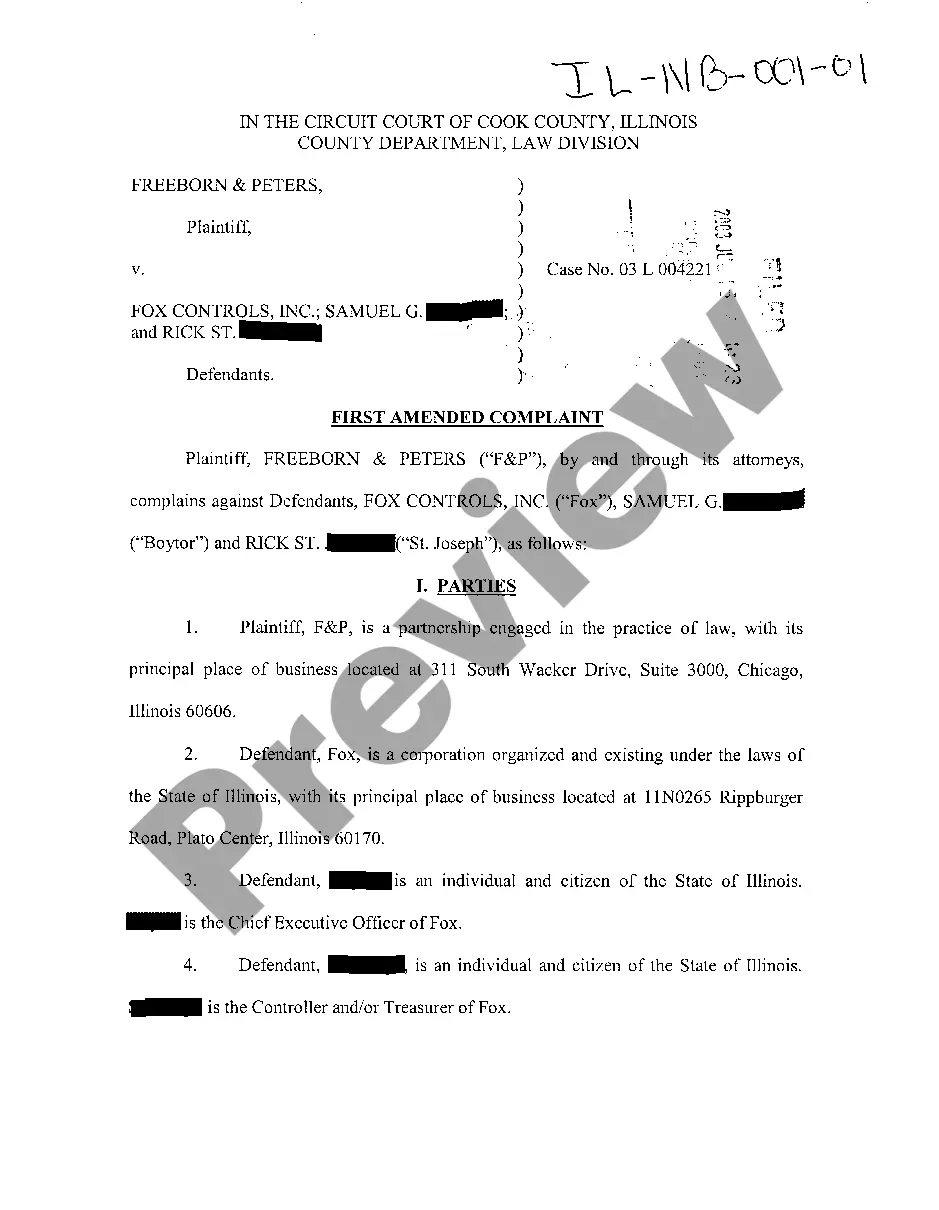
Understanding the Amend Fee: What It Is, Why It Happens, and How to Avoid It
An amend fee is a charge levied by businesses, financial institutions, or administrative agencies when an individual or organization requests modifications to an existing agreement, document, account, or booking. These charges are desi...
An amend fee is a charge levied by businesses, financial institutions, or administrative agencies when an individual or organization requests modifications to an existing agreement, document, account, or booking. These charges are designed to offset the administrative, processing, and operational costs associated with handling adjustments after an initial transaction or record has already been finalized.
Contents
Navigating the landscape of modern service contracts, travel bookings, and financial accounts often brings unexpected costs, among which the amendment fee stands out as a frequent point of friction. Whether you are altering a flight itinerary, correcting a mistake on a tax return, modifying a corporate filing, or adjusting the terms of a loan, understanding how these fees work can save you significant money. This guide explores the mechanics of amendment fees, why organizations assess them, how they vary across different industries, and what strategies you can employ to minimize or eliminate them entirely.
What Is an Amend Fee?
At its core, an amend fee is a transactional penalty or service charge incurred when a change is made to an established record. When a consumer or business enters into an agreement, buys a ticket, or submits formal paperwork, the receiving entity allocates resources to process that specific submission. If the submitter later requests a modification—such as changing a date, altering a name, or updating financial figures—the workflow must be interrupted, reviewed, and manually updated.
Organizations implement these fees for two primary reasons: cost recovery and behavioral deterrence. Processing changes manually requires staff hours, and in automated systems, it may require custom database overrides. Furthermore, charging a fee discourages casual, impulsive, or reckless alterations, ensuring that customers finalize their details carefully the first time.
The Distinction Between Amendment Fees and Cancellation Fees
It is important not to confuse an amend fee with a cancellation fee, though they frequently appear in the same policy documents. A cancellation fee is charged when a contract, booking, or service is entirely terminated before fulfillment. An amend fee, conversely, applies when the underlying relationship or transaction remains intact, but specific terms, parameters, or details are altered.
For example, canceling a hotel reservation entirely triggers a cancellation or penalty fee based on the cancellation window. However, keeping the reservation but shifting the dates from July to August typically incurs an amendment fee alongside any difference in room rates.
Common Industries and Contexts Where Amend Fees Apply
Amendment fees appear across a diverse array of consumer and commercial sectors. While the underlying principle remains the same—paying to change something already processed—the rules, amounts, and regulatory constraints vary wildly depending on the industry.
| Industry / Sector | Typical Reason for Amendment | Common Cost Range / Structure |
|---|---|---|
| Travel & Hospitality | Name changes, date/route shifts | $25 to $300+ per ticket/booking |
| Financial Services | Loan modifications, account updates | $50 to $500+ depending on loan size |
| Corporate Compliance | Amending Articles of Incorporation | State filing fees + legal service fees |
| Tax & Legal Filings | Correcting submitted returns (1040-X) | Varies by preparer; zero state fee |
| Event Ticketing | Seat upgrades, date transfers | $10 to $50 per transaction |
Travel and Aviation
In the travel industry, change fees are a staple of ancillary revenue. Airlines, cruise lines, and hotels frequently enforce strict pricing tiers. If a passenger books a non-refundable, basic economy ticket, modifications may be outright prohibited or subject to a steep amend fee that often eclipses the original cost of the fare. Conversely, flexible or business-class tickets frequently waive these charges, building the cost of potential modifications into the initial, higher ticket price.
Financial Accounts and Lending
In banking and lending, an amend fee may apply when borrowers request changes to a mortgage, personal loan, or commercial credit facility. If a borrower wants to extend the maturity date, alter the amortization schedule, or adjust financial covenants after loan documents have been drawn, the lender's legal and underwriting teams must re-evaluate the risk profile. The resulting amendment fee covers the legal drafting of modification agreements and risk re-assessment.
Corporate Governance and Legal Filings
Businesses frequently need to update their foundational documents—such as changing a corporate name, altering share structures, or updating registered agents. State regulatory bodies charge statutory filing fees to process these amendments. If a business utilizes a corporate legal service or registered agent provider to handle the paperwork, an additional administrative amend fee is usually tacked on by the service provider.
Why Organizations Charge Amend Fees
Understanding the rationale behind these charges helps clarify why businesses are often inflexible when consumers ask for fee waivers.
- Administrative Overhead: Processing a change is rarely as simple as clicking a button. It often involves manual verification, compliance checks, and customer service communication.
- Yield Management and Inventory Control: In industries like travel and ticketing, inventory is perishable. Allowing customers to change bookings freely disrupts forecasting and prevents companies from maximizing revenue on high-demand slots.
- Risk Mitigation: In legal and financial contexts, amending a document carries liability. Legal counsel must ensure that the amendment does not unintentionally invalidate other clauses in the primary contract.
Strategies to Avoid or Minimize Amend Fees
While some fees are mandatory and baked into regulatory structures, many amendment charges can be avoided with proactive planning and strategic consumer habits.
1. Read the Fine Print Before Purchasing
The most effective way to avoid an amend fee is to scrutinize the terms and conditions before entering into any financial or contractual agreement. Look specifically for clauses labeled "change policy," "modification terms," or "non-refundable." If there is a high likelihood that your plans might change, opt for flexible tiers even if they carry a slightly higher upfront cost.
2. Utilize Grace Periods
Many consumer protection regulations and corporate policies offer a risk-free grace period. For instance, United States Department of Transportation (DOT) regulations require airlines to hold a booking without penalty or allow cancellations without penalty for 24 hours after purchase, provided the ticket was purchased at least a week before the flight's departure. Similarly, many software subscriptions and service contracts allow immediate modifications shortly after signup without penalty.
3. Leverage Status and Loyalty Programs
Frequent customers often enjoy waived or reduced amendment fees as a perk of loyalty tiers. Airlines, hotel chains, and financial institutions frequently use fee waivers to retain high-value clients. If you are a frequent user of a particular service, always inquire whether your loyalty status exempts you from standard modification charges.
4. Negotiate Politely in Extenuating Circumstances
If an amendment is necessitated by an emergency—such as a medical crisis, bereavement, or severe weather event—customer service representatives often possess the discretion to waive amend fees. When contacting support, remain calm, state the facts clearly, and provide supporting documentation (such as a doctor's note) if requested.
Frequently Asked Questions About Amend Fees
Are amend fees legally refundable?
Generally, no. Once a service has been rendered to process your change, or if the fee is clearly outlined in a binding contract you agreed to, the fee is considered earned by the business and is non-refundable.
Can I dispute an amend fee with my credit card company?
You can only successfully dispute an amend fee through a chargeback if the fee was undisclosed, unauthorized, or charged in direct violation of the written terms and conditions agreed upon at the time of purchase.
Do business accounts face higher amend fees than personal accounts?
Yes, commercial and enterprise accounts often face higher amendment fees because the underlying legal, regulatory, and administrative complexities are significantly greater than those of standard consumer accounts.
Is it cheaper to cancel and rebook or pay an amend fee?
It depends entirely on the pricing model of the specific provider. In the airline industry, for instance, if a ticket price has dropped significantly, it may be cheaper to cancel for a credit and book a new ticket rather than paying a flat amend fee. Always calculate both scenarios before committing.
Conclusion and Next Actions
An amend fee is a standard mechanism used by businesses and institutions to manage the costs and disruptions associated with changing finalized records or agreements. Whether dealing with travel bookings, loan modifications, or corporate filings, awareness of these potential costs is your best defense.
Before finalizing any significant transaction, review the modification policies carefully. If changes are inevitable, act as quickly as possible to take advantage of grace periods, and do not hesitate to leverage loyalty status or request discretionary waivers for genuine emergencies. By understanding how amend fees operate, you can maintain better control over your personal and business expenditures.
Image Gallery